
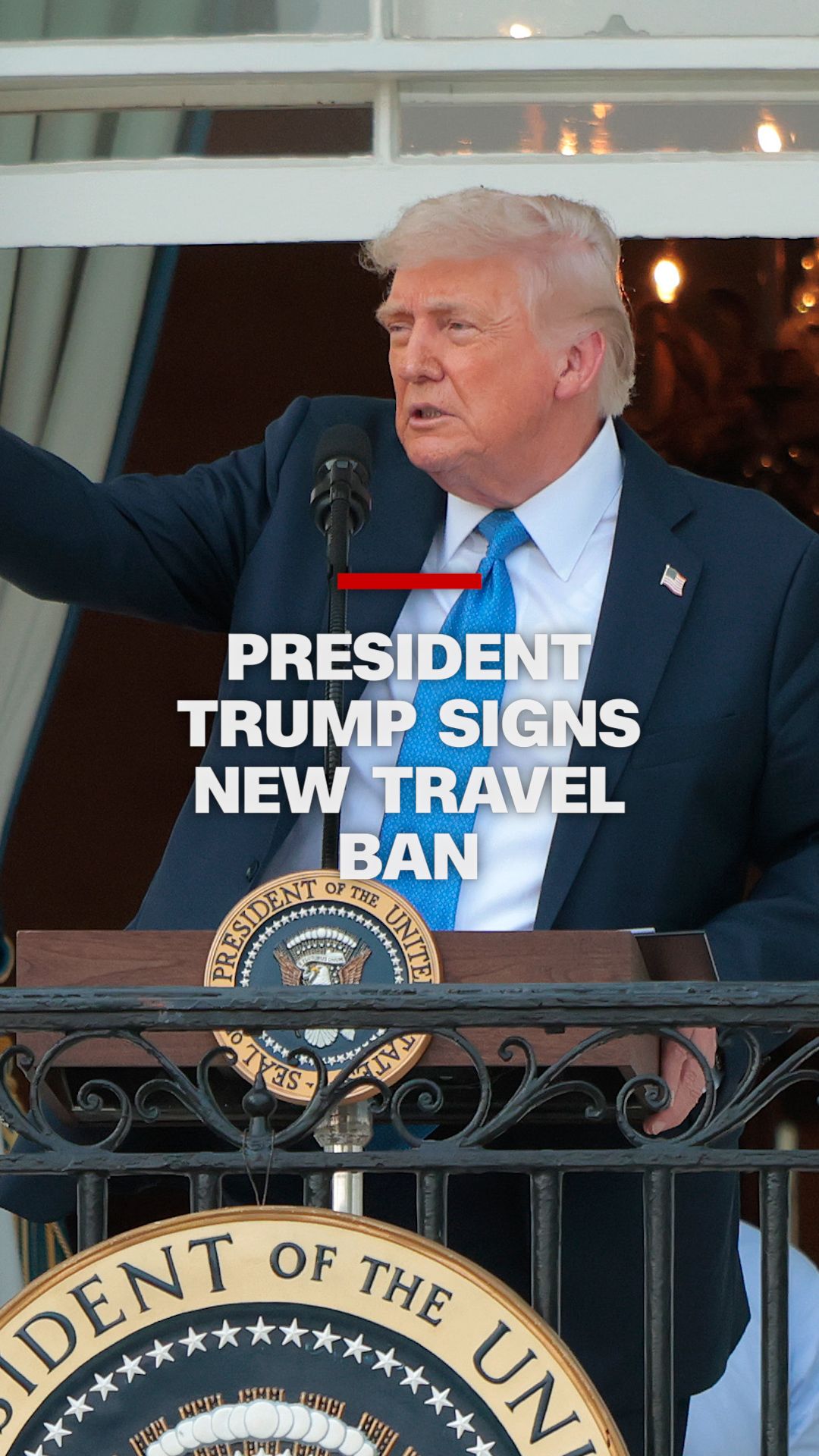
Trump’s Travel Ban: What You Need to Know About US Immigration Policy
The Trump administration’s travel ban, officially known as the “Proclamation on Protecting the Nation from Foreign Terrorist Entry into the United States,” sparked significant debate and legal challenges upon its implementation in 2017. This policy targeted individuals from several predominantly Muslim countries, aiming to enhance national security by restricting entry into the United States. Understanding the nuances of this ban and its implications requires a closer look at the broader context of U.S. immigration policy, the rationale behind the ban, and its impact on both domestic and international communities.
The Origins of the Travel Ban
The first version of the travel ban was issued on January 27, 2017, just days after President Donald Trump took office. It initially blocked citizens from seven countries—Iran, Iraq, Libya, Somalia, Sudan, Syria, and Yemen—from entering the U.S. for 90 days. The proclamation also suspended the refugee program for 120 days and indefinitely barred Syrian refugees. The stated purpose of the ban was to prevent potential terrorist threats from entering the country. However, critics argued that it was discriminatory and violated constitutional protections against religious discrimination.
The initial order faced immediate legal challenges, with federal courts issuing injunctions to block its enforcement. In response, the administration revised the policy, leading to a second version of the ban in March 2017. This updated proclamation removed Iraq from the list of affected countries and allowed for exceptions for individuals with close family ties or other valid reasons. Despite these changes, the policy continued to face litigation, with opponents arguing that it still disproportionately affected Muslims and failed to meet the legal standards for national security.
Legal and Constitutional Challenges

The travel ban became a focal point for legal battles, with multiple courts ruling that it violated the First Amendment’s Establishment Clause, which prohibits government actions that favor one religion over another. In June 2018, the U.S. Supreme Court upheld the third version of the ban, allowing it to take effect. The court’s decision was based on the argument that the policy was within the president’s authority to regulate entry into the country under the Immigration and Nationality Act.
However, the ruling did not end the controversy surrounding the policy. Many legal scholars and civil rights organizations continued to argue that the ban was rooted in prejudice rather than genuine security concerns. They pointed to the lack of evidence linking the targeted countries to terrorism as a key flaw in the policy’s justification.
Impact on Immigration Policy and International Relations

The travel ban had far-reaching effects on U.S. immigration policy and international relations. It prompted discussions about the balance between national security and the principles of fairness and inclusivity. The policy also strained diplomatic ties with several countries, particularly those in the Middle East and North Africa. Some nations imposed retaliatory measures, while others expressed concern over the U.S.’s commitment to religious freedom and human rights.
In addition to its diplomatic consequences, the ban affected the lives of many individuals who were denied entry or faced prolonged delays in processing their visas. Families were separated, and businesses reliant on foreign workers experienced disruptions. These outcomes raised questions about the unintended consequences of policies framed as national security measures.
Broader Implications for U.S. Immigration Reform

The travel ban highlighted the complexities of U.S. immigration reform and the need for a more comprehensive approach to addressing security concerns. While the policy focused on restricting certain groups, it did not address the root causes of migration or the need for a more efficient and equitable visa system. Experts suggest that a more holistic strategy would involve strengthening border security, improving screening processes, and investing in programs that promote integration and economic opportunity for immigrants.
Furthermore, the ban underscored the importance of transparency and accountability in policymaking. Critics argue that decisions affecting millions of people should be based on clear evidence and rigorous analysis rather than political rhetoric. As the U.S. continues to navigate the challenges of immigration, the lessons learned from the travel ban can inform future policies that prioritize both security and justice.
Conclusion

The Trump administration’s travel ban remains a significant chapter in the history of U.S. immigration policy. While it was intended to enhance national security, its implementation raised critical questions about discrimination, legality, and the impact on vulnerable communities. As the nation moves forward, it is essential to learn from past experiences and develop policies that reflect the values of fairness, inclusivity, and respect for all individuals. By fostering a more informed and compassionate approach to immigration, the U.S. can better serve its diverse population and uphold its role as a beacon of opportunity for people around the world.







![[IMAGE: Best Travel Apps for Stress-Free Adventures United States]](https://www.mathhotels.com/wp-content/uploads/2025/09/608_Best_Travel_Apps_Stress_Free_Vacation_Hero.jpg)