
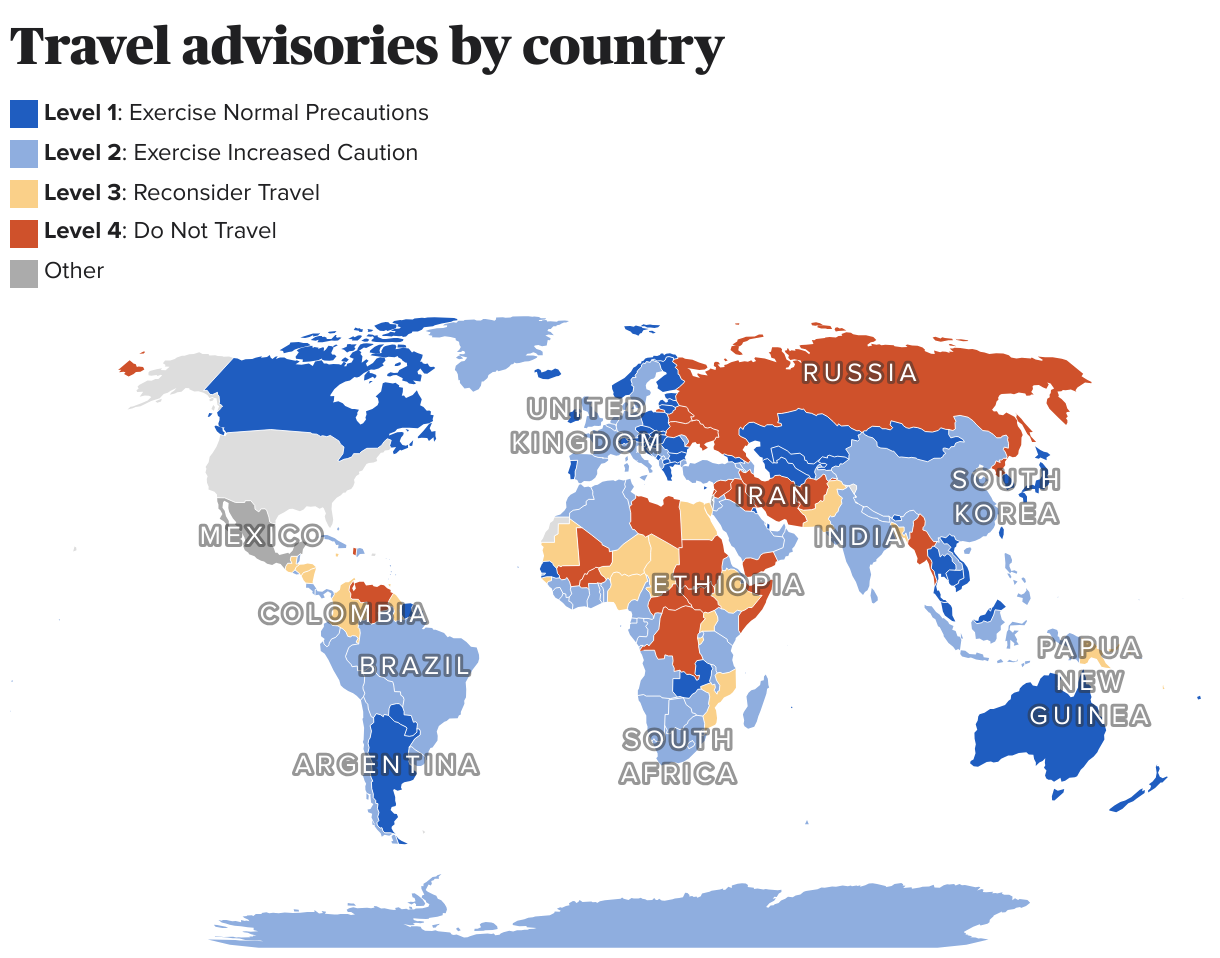
US Travel Advisory: What You Need to Know Before Your Next Trip
Traveling within the United States has become more complex in recent years due to a variety of factors, including political tensions, public health concerns, and regional safety issues. Whether you’re planning a weekend getaway or a cross-country road trip, staying informed about the latest travel advisories is crucial. These advisories are issued by the U.S. Department of State and provide critical information that can help you make safer, more informed decisions about your travel plans. Understanding these guidelines can ensure a smoother journey and minimize unexpected challenges.
Understanding the Purpose of Travel Advisories
The U.S. Department of State issues travel advisories to inform American citizens about potential risks associated with traveling to specific regions within the United States. These advisories are categorized into four levels, ranging from Level 1 (Exercise Normal Safety Precautions) to Level 4 (Do Not Travel). Each level provides a detailed assessment of the situation in a particular area, including crime rates, political instability, natural disasters, and health-related concerns. By familiarizing yourself with these advisories, you can better prepare for your trip and avoid areas where the risk of harm may be higher.
For example, if you’re planning a trip to a state experiencing high crime rates, the advisory might suggest avoiding certain neighborhoods or taking extra precautions when traveling at night. Similarly, if a region is prone to wildfires or hurricanes, the advisory could include recommendations on when to visit and what to do in case of an emergency. These advisories are regularly updated based on current events, so it’s important to check them before you depart.
Key Factors Influencing Travel Advisories

Several factors contribute to the issuance of travel advisories within the United States. One of the most common is crime. Some cities have higher rates of violent crime, which can affect the safety of travelers. For instance, areas with gang activity or drug-related violence may receive a higher advisory level. Additionally, political unrest or civil disturbances can also lead to travel warnings, especially in regions where protests or demonstrations are frequent.
Public health concerns are another significant factor. The ongoing threat of infectious diseases, such as influenza or even emerging variants, can influence travel advisories. In some cases, local health authorities may recommend vaccinations or impose quarantine requirements for visitors. Natural disasters, including earthquakes, floods, and extreme weather conditions, also play a role in determining travel advisories. Areas prone to these events may issue warnings about the best times to visit or the need for emergency preparedness.
How to Access and Use Travel Advisories
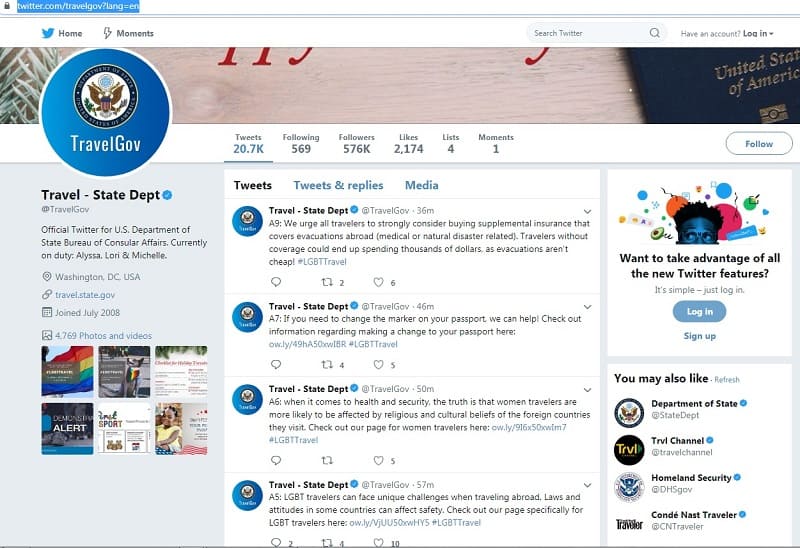
Accessing the latest travel advisories is straightforward. The U.S. Department of State maintains an official website where you can search for advisories by country or region. This resource includes detailed descriptions of each advisory level, along with tips for staying safe while traveling. Additionally, many travel agencies and airlines provide updates on advisories as part of their booking process.
It’s also a good idea to follow local news sources and government announcements in the area you plan to visit. Social media platforms and travel forums can be useful for real-time updates from other travelers who may have firsthand experience with the region. By combining official advisories with local insights, you can create a comprehensive understanding of the risks and opportunities associated with your trip.
Tips for Safe and Informed Travel

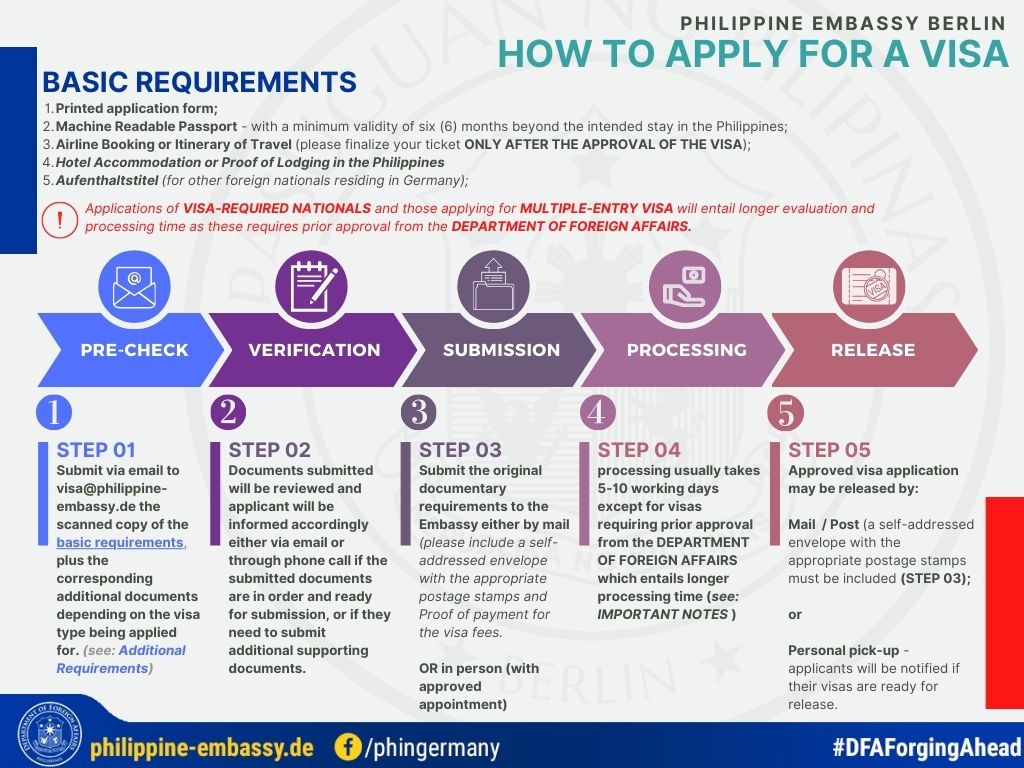
Once you’ve reviewed the travel advisories, there are several steps you can take to ensure a safe and enjoyable trip. First, always carry a copy of your passport and any necessary travel documents. In case of an emergency, having these papers readily available can expedite the process of seeking assistance. Second, register your trip with the U.S. Department of State through the Smart Traveler Enrollment Program (STEP). This service allows the embassy or consulate to contact you in case of an emergency, such as a natural disaster or political crisis.
Additionally, consider purchasing travel insurance that covers medical emergencies, trip cancellations, and evacuation. This can provide peace of mind in case of unexpected circumstances. When exploring new areas, stay aware of your surroundings and avoid isolated or poorly lit locations, especially at night. Finally, keep a list of emergency contacts, including local police, hospitals, and the nearest U.S. embassy or consulate.
Conclusion

Traveling within the United States offers countless opportunities for adventure, but it’s essential to stay informed about the latest travel advisories. By understanding the purpose of these advisories, recognizing the factors that influence them, and taking proactive steps to ensure your safety, you can enjoy a more secure and rewarding travel experience. Always check the U.S. Department of State website for the most up-to-date information, and don’t hesitate to reach out to local authorities or fellow travelers for additional guidance. With the right preparation, you can navigate the complexities of domestic travel with confidence and ease.








![[IMAGE: Best Travel Apps for Stress-Free Adventures United States]](https://www.mathhotels.com/wp-content/uploads/2025/09/608_Best_Travel_Apps_Stress_Free_Vacation_Hero.jpg)