
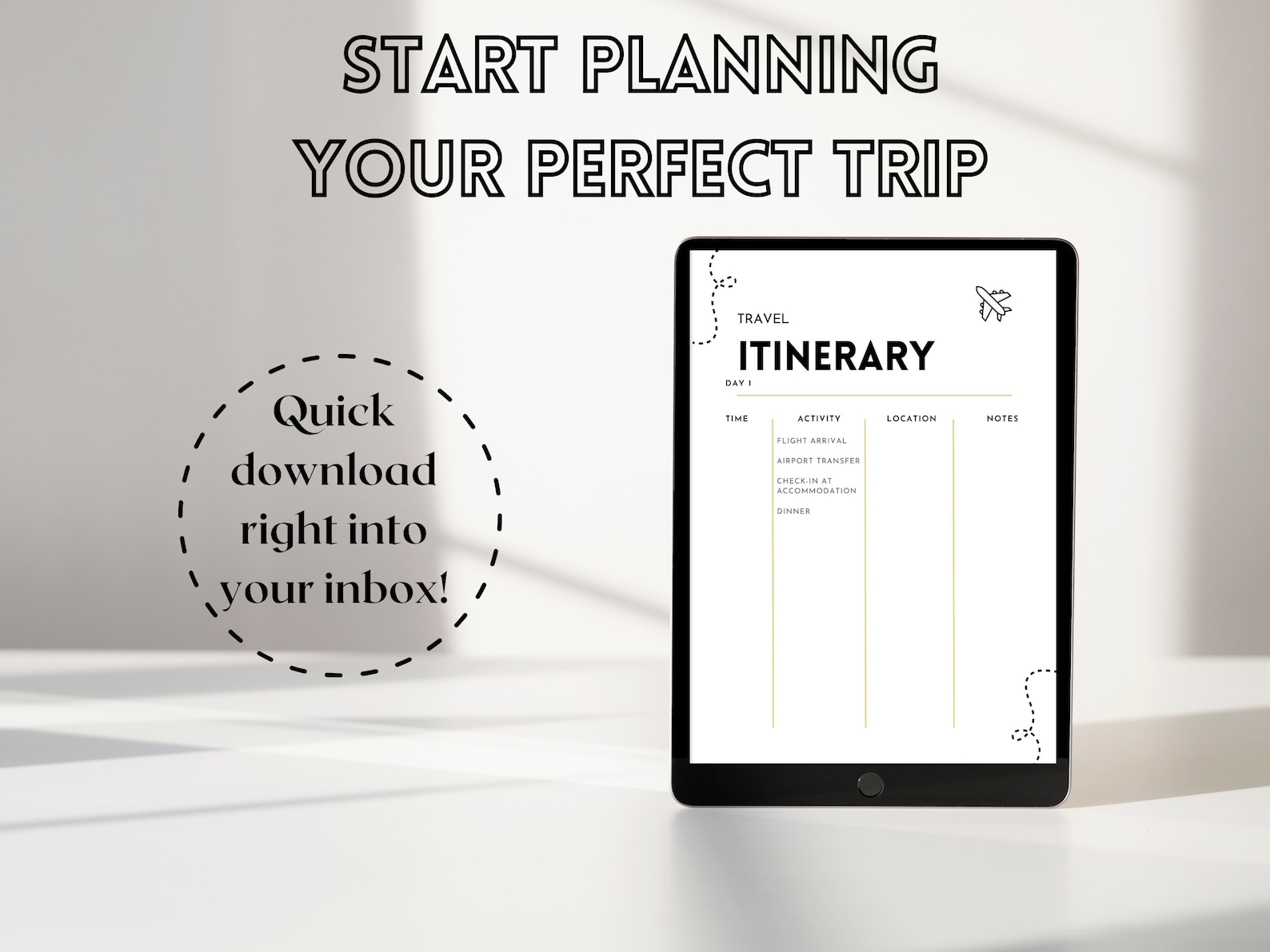
Create a Detailed Travel Itinerary Template for Your Next Adventure
Planning a trip can be both exciting and overwhelming, especially if you’re venturing to a new destination. A well-structured travel itinerary template can help you stay organized, maximize your time, and ensure a smooth journey. Whether you’re traveling domestically or internationally, having a clear plan in advance can make all the difference. This article will guide you through creating a comprehensive travel itinerary template tailored to your needs.
What is a Travel Itinerary Template?
A travel itinerary template is a structured document that outlines your schedule, accommodations, transportation, and activities during your trip. It serves as a roadmap, helping you keep track of where you’re going, when you’re arriving, and what you’ll be doing. A good template should be flexible enough to accommodate changes while still providing a clear framework for your travels.
Key Components of a Travel Itinerary Template
To create an effective travel itinerary, consider including the following elements:
-
Trip Overview
Start with a brief summary of your trip, including the destination, dates, and purpose. For example, if you’re planning a weekend getaway to New York City, note the arrival and departure dates, along with the reason for your visit—whether it’s for business, leisure, or a special event. -
Accommodations
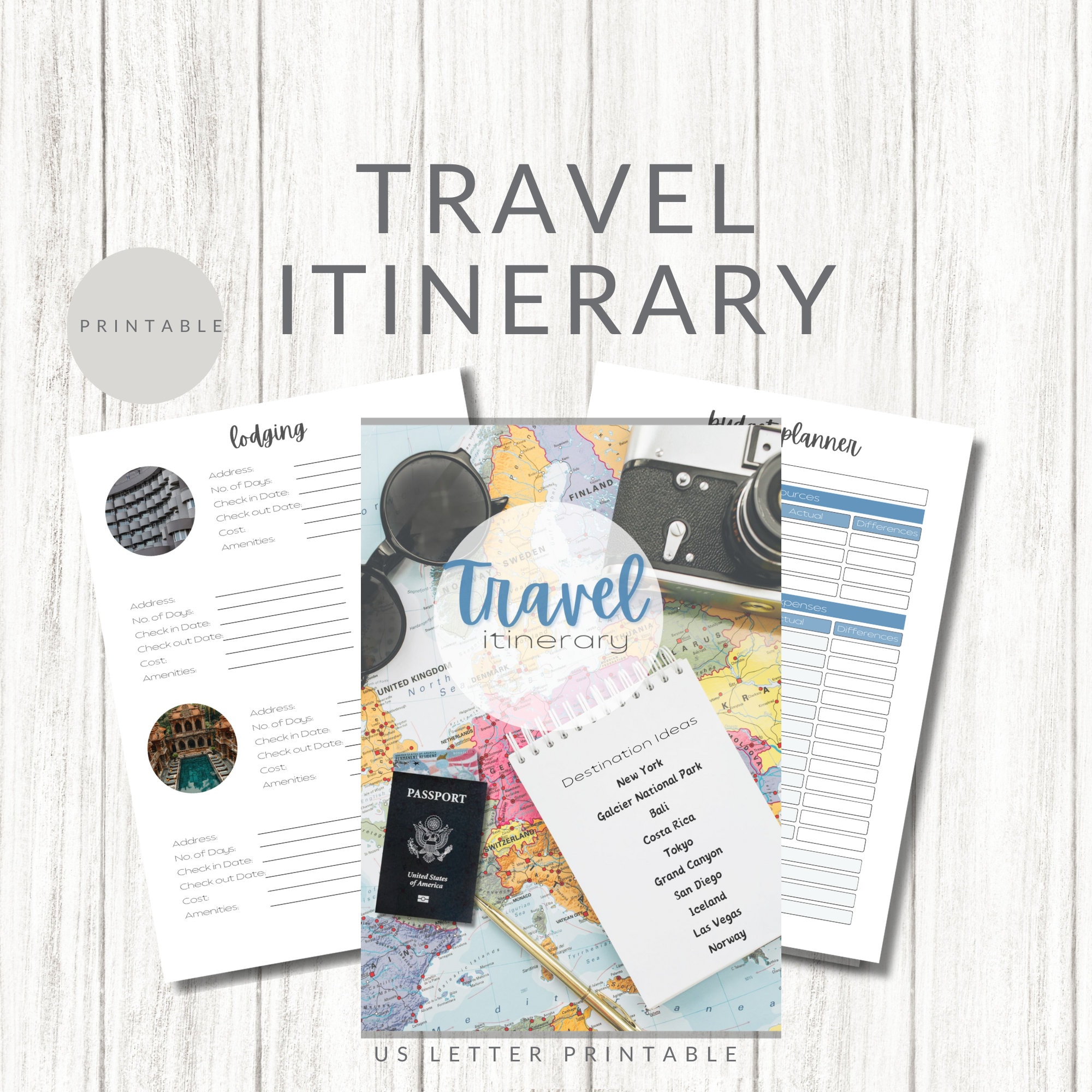
List your hotel or lodging details, including the name, address, contact information, and check-in/check-out times. If you’re staying with friends or family, include their contact information as well. -
Transportation
Outline your travel plans, such as flights, trains, buses, or rental cars. Include flight numbers, departure and arrival times, and any connecting flights. For local transportation, note how you’ll get around the city, whether by public transit, taxi, or ride-sharing services. -
Daily Schedule
Break down each day of your trip into a detailed schedule. Include specific times for meals, sightseeing, shopping, and relaxation. For instance, on Day 1, you might have a morning flight, afternoon check-in at the hotel, and evening dinner at a local restaurant. -
Activities and Attractions
List the places you want to visit, along with any reservations or tickets required. For example, if you’re visiting the Grand Canyon, note the entrance fee, operating hours, and any guided tours you’ve booked. -
Budget and Expenses
Track your estimated and actual expenses for each category, such as accommodation, food, transportation, and activities. This helps you stay within your budget and avoid overspending. -
Emergency Information
Include important contact details, such as your hotel’s phone number, local emergency services, and the nearest embassy or consulate if you’re traveling abroad. -
Notes and Tips
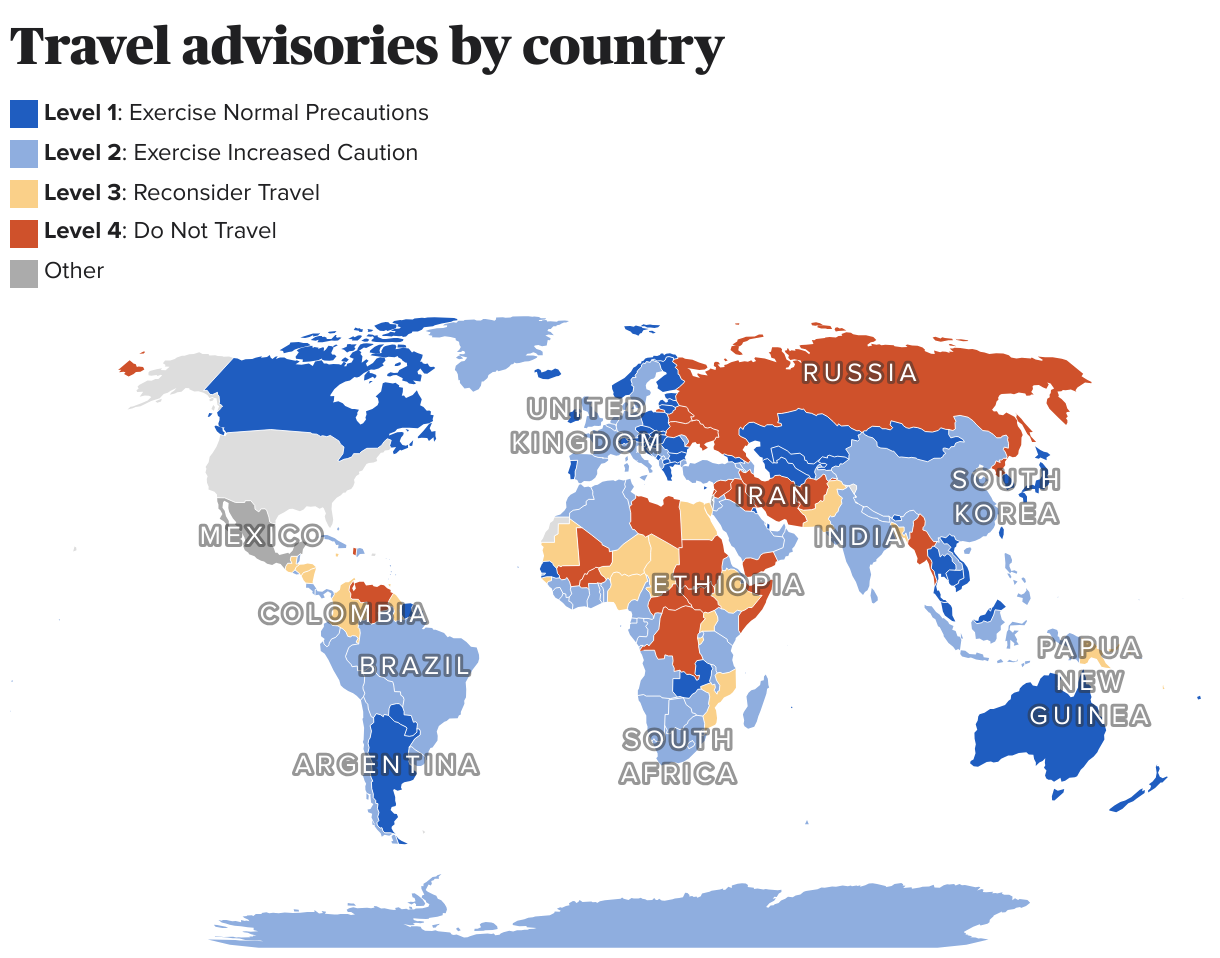
Add any additional information that may be useful, such as language tips, cultural customs, or travel advisories. For example, if you’re visiting a country where English isn’t widely spoken, note some basic phrases or translation apps.
How to Customize Your Itinerary Template
Every traveler has unique preferences and needs. Customize your itinerary based on your interests, travel style, and budget. For instance, if you’re a foodie, dedicate more time to exploring local cuisine. If you’re a nature lover, focus on outdoor activities and scenic spots.
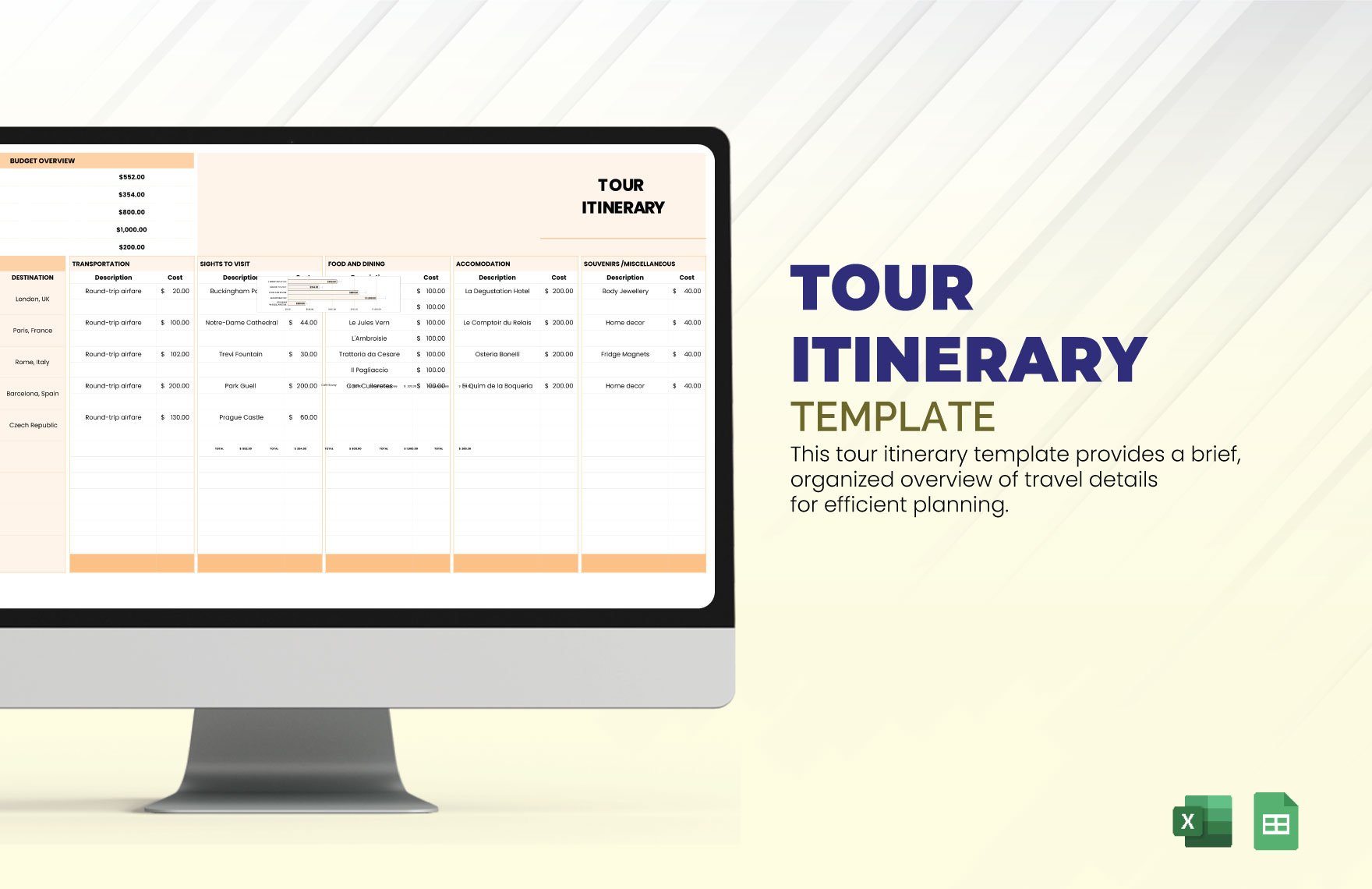
Consider using digital tools like Google Sheets, Excel, or travel apps such as TripIt or Google Trips to create and manage your itinerary. These platforms allow you to easily update your schedule, share it with others, and access it on the go.
Tips for Creating an Effective Itinerary
-
Be Realistic
Avoid overloading your schedule with too many activities. Allow time for rest, unexpected delays, and spontaneous adventures. -
Leave Room for Flexibility
While it’s great to have a plan, things don’t always go as expected. Build in buffer time between activities to account for traffic, long lines, or other unforeseen circumstances. -
Prioritize Must-See Experiences
Identify the top attractions or experiences you don’t want to miss and allocate sufficient time for them. -
Stay Organized
Keep your itinerary in one place, whether it’s a physical notebook, a digital file, or a travel app. This ensures you can access it anytime, anywhere. -
Review and Adjust
Before your trip, review your itinerary to ensure everything makes sense. Make adjustments as needed based on your preferences or any last-minute changes.
Final Thoughts
Creating a detailed travel itinerary template is an essential step in planning a successful trip. It helps you stay organized, save time, and enjoy your travels without unnecessary stress. By taking the time to plan ahead, you can focus on making memories rather than worrying about logistics. So, start building your perfect itinerary today and prepare for an unforgettable adventure.











![[IMAGE: Best Travel Apps for Stress-Free Adventures United States]](https://www.mathhotels.com/wp-content/uploads/2025/09/608_Best_Travel_Apps_Stress_Free_Vacation_Hero.jpg)