
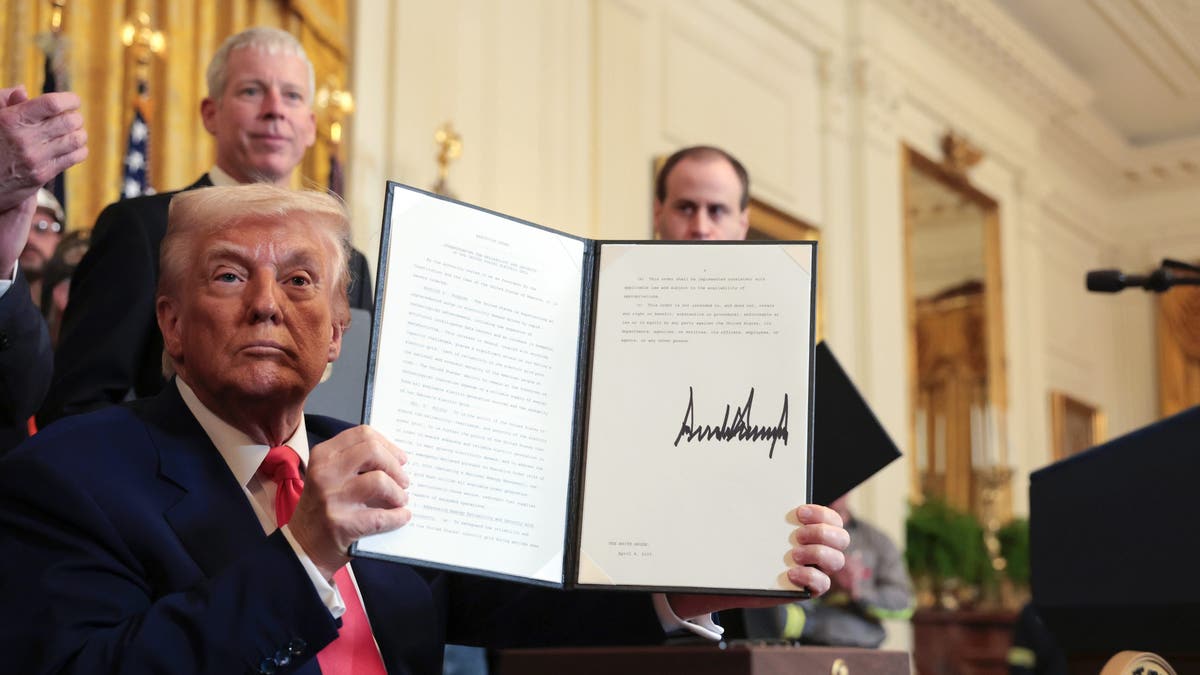
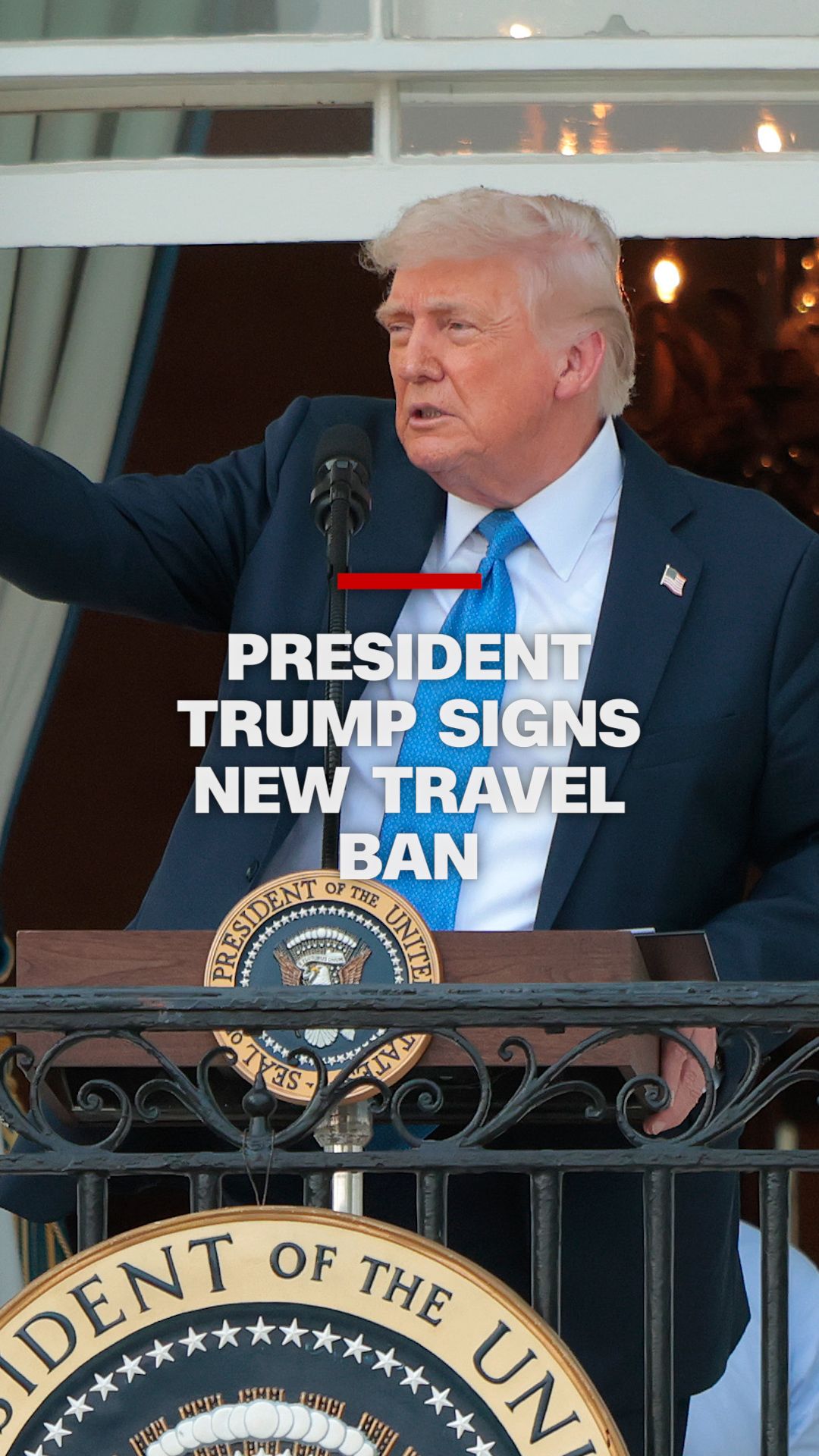
Trump’s Travel Ban Explained: What You Need to Know in 2025 has become a topic of significant debate and legal scrutiny, reflecting the complex intersection of national security, immigration policy, and constitutional rights. Originally introduced by former President Donald Trump in 2017, the travel ban targeted individuals from several predominantly Muslim countries, sparking widespread protests and legal challenges. As of 2025, the legacy of this policy continues to influence U.S. immigration laws and international relations. Understanding the origins, legal battles, and ongoing implications of the travel ban is essential for anyone seeking to grasp its relevance today.
Origins of the Travel Ban
The travel ban was first announced on January 27, 2017, under the name “Executive Order 13769.” It aimed to suspend the entry of nationals from seven countries—Iraq, Iran, Libya, Somalia, Sudan, Syria, and Yemen—for 90 days. The stated purpose was to enhance national security by preventing potential threats from entering the United States. However, critics argued that the order disproportionately targeted Muslims and violated the First Amendment’s Establishment Clause. The initial executive order faced immediate backlash, with courts issuing injunctions to block its implementation.
The second version of the order, issued on March 6, 2017, revised the list of affected countries and included additional exemptions for lawful permanent residents and those with close family ties. Despite these changes, the ban continued to face legal challenges, with opponents arguing that it still had a discriminatory effect. The Supreme Court eventually upheld the revised order in June 2018, marking a pivotal moment in the legal saga surrounding the policy.
Legal Challenges and Judicial Decisions

The travel ban’s journey through the courts was marked by a series of rulings that highlighted the tension between executive authority and civil liberties. Lower courts initially blocked the ban, citing concerns about religious discrimination and the lack of a clear connection to national security. These decisions were based on the argument that the executive order lacked sufficient justification and relied on stereotypes about Muslim communities.
In June 2018, the Supreme Court ruled 5-4 in favor of the Trump administration, allowing the third version of the travel ban to take effect. The majority opinion, authored by Chief Justice John Roberts, emphasized the president’s broad authority over foreign policy and national security. However, the decision was not without controversy, as dissenting justices warned of the dangers of unchecked executive power. The ruling set a precedent that could influence future administrations’ use of similar policies.
Impact on Immigration Policy

The travel ban has had a lasting impact on U.S. immigration policy, shaping the way the government approaches border security and refugee admissions. While the original order was later modified and eventually rescinded by the Biden administration in 2021, its effects continue to be felt in the broader landscape of immigration reform. The policy has sparked debates about the balance between national security and humanitarian obligations, particularly concerning the treatment of refugees and asylum seekers.
In response to the travel ban, some states implemented their own policies to protect residents from potential discrimination. These efforts underscored the importance of state-level action in safeguarding civil rights and ensuring that immigration policies align with constitutional principles. The ban also prompted discussions about the need for more inclusive and equitable immigration reforms that address the root causes of migration and promote integration.
International Reactions and Diplomatic Tensions

The travel ban generated significant international concern, with many countries expressing disapproval of what they viewed as an unjustified restriction on movement. Allies of the United States criticized the policy for undermining diplomatic relations and sending a message of exclusion. In response, some nations imposed their own restrictions on U.S. citizens, highlighting the global repercussions of the ban.
Diplomatic tensions were further exacerbated by the ban’s perceived targeting of Muslim-majority countries. This led to calls for greater transparency and accountability in U.S. foreign policy decisions. The issue also became a focal point for advocacy groups working to promote religious freedom and human rights. As the world continues to grapple with issues of migration and security, the lessons learned from the travel ban remain relevant in shaping future policies.
Ongoing Implications and Future Considerations

As of 2025, the travel ban serves as a reminder of the complexities involved in balancing national security with individual rights. The policy’s legacy highlights the need for careful consideration of how immigration measures are crafted and implemented. Future administrations must navigate these challenges while upholding the values of inclusivity and fairness.
Moreover, the travel ban has prompted renewed interest in the role of public opinion in shaping immigration policy. As technology and social media continue to influence political discourse, the ability to engage in informed dialogue about immigration becomes increasingly important. By fostering a deeper understanding of these issues, society can work towards creating a more just and equitable system for all.






![[IMAGE: Best Travel Apps for Stress-Free Adventures United States]](https://www.mathhotels.com/wp-content/uploads/2025/09/608_Best_Travel_Apps_Stress_Free_Vacation_Hero.jpg)