
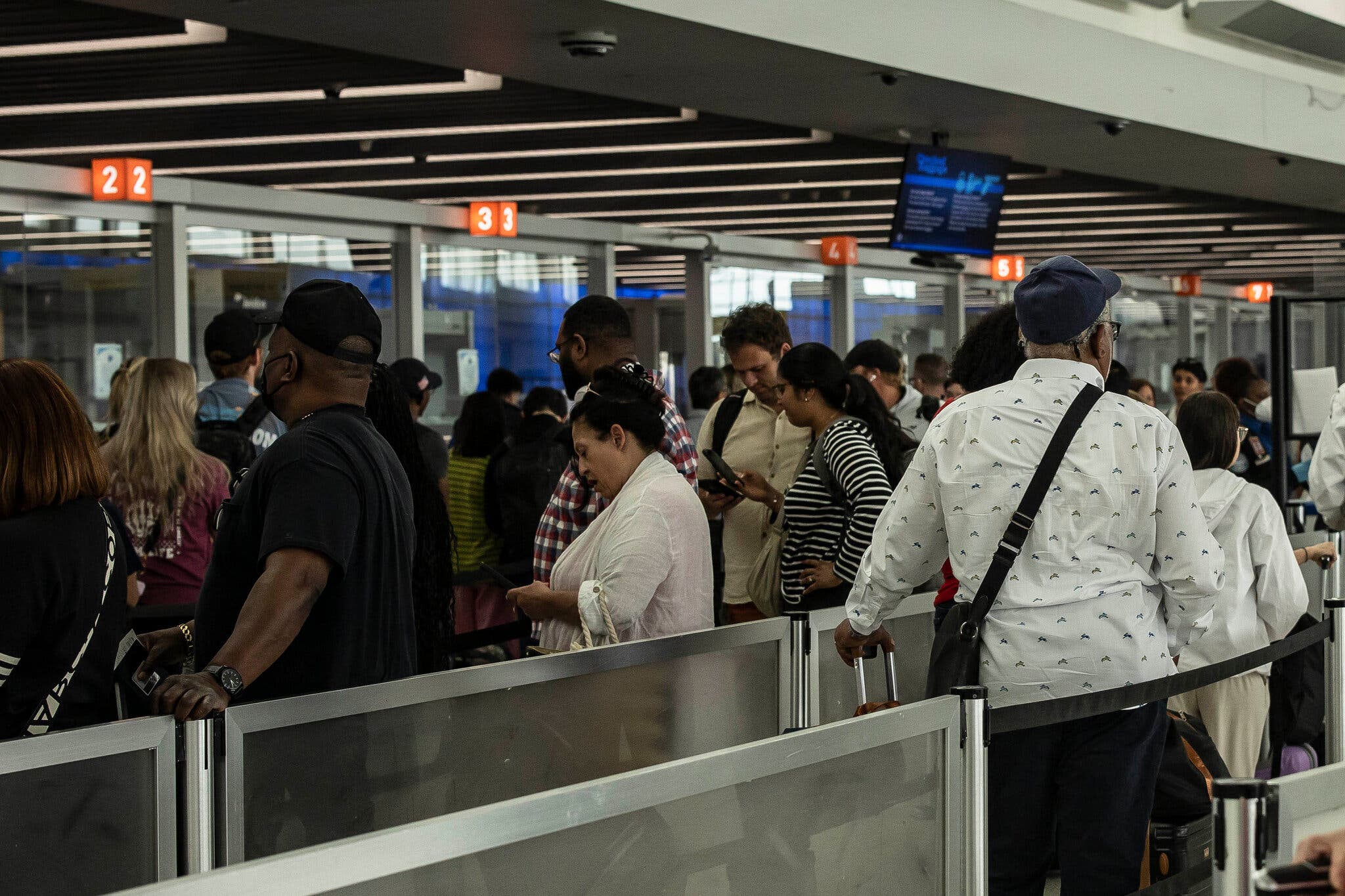
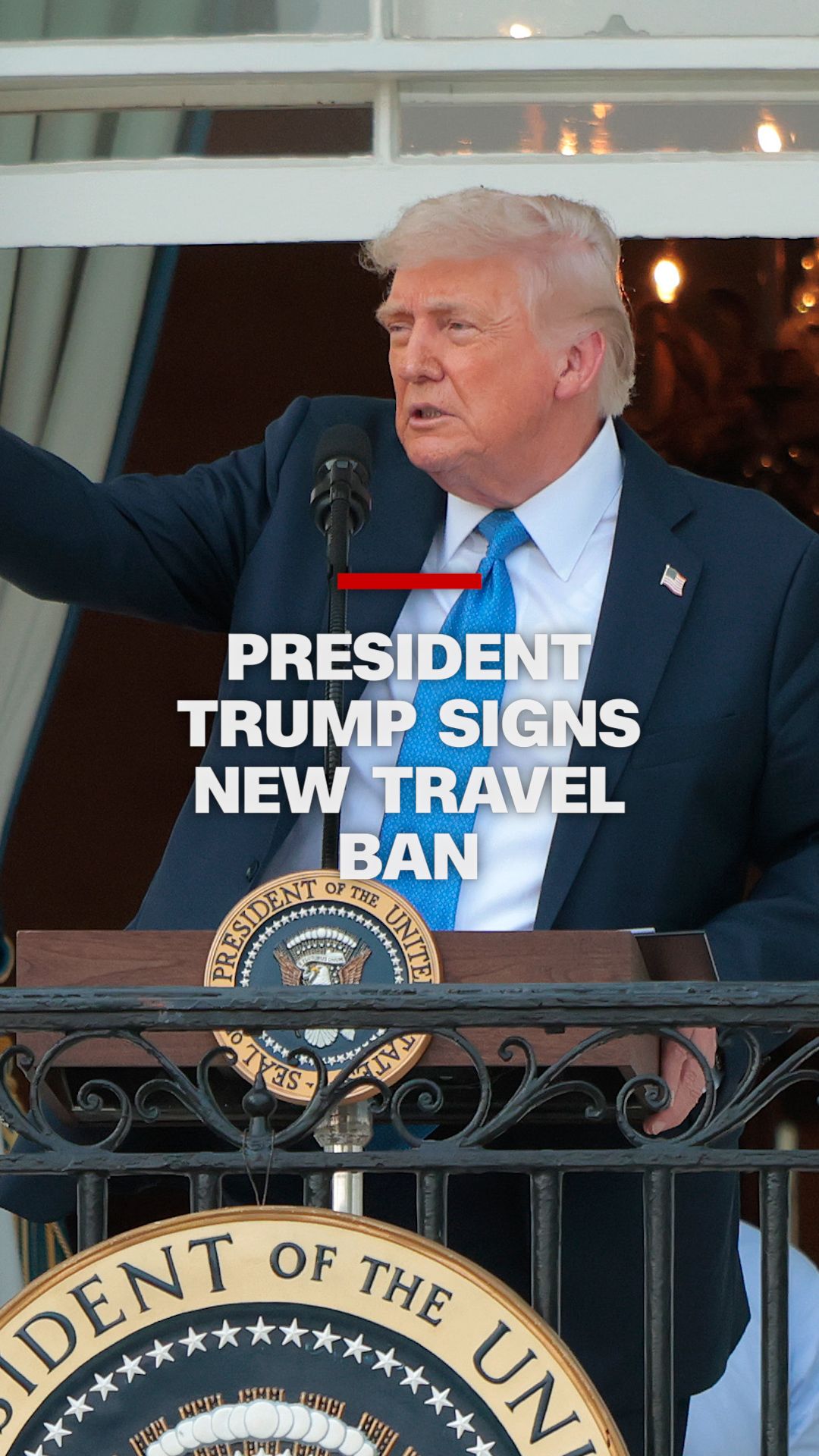
Trump Travel Ban Explained: What You Need to Know Today
The Trump administration’s travel ban, often referred to as the “Muslim ban,” became a significant and controversial policy during his presidency. Implemented in 2017, the executive order aimed to restrict entry into the United States for individuals from several predominantly Muslim countries. This move sparked widespread debate across political, legal, and social spheres, with supporters arguing it was a necessary security measure and critics condemning it as discriminatory. Understanding the origins, legal challenges, and ongoing implications of this policy is essential for anyone seeking to grasp its impact on U.S. immigration and foreign relations.
Origins of the Travel Ban
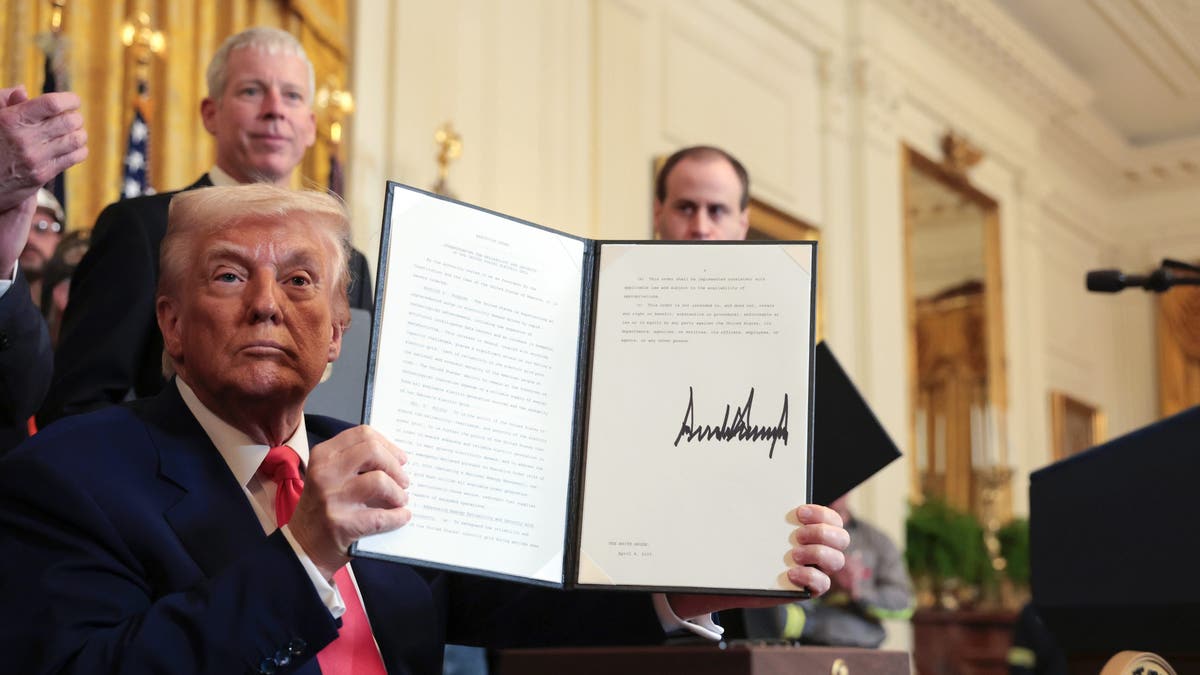
The first version of the travel ban was issued on January 27, 2017, just days after Donald Trump took office. The executive order temporarily barred citizens from seven countries—Iran, Iraq, Libya, Somalia, Sudan, Syria, and Yemen—from entering the U.S. for 90 days. It also suspended the refugee program for 120 days and indefinitely halted refugees from Syria. The stated goal was to enhance national security by preventing potential threats from entering the country. However, the policy faced immediate backlash, with many arguing that it targeted Muslims and violated constitutional principles.
The initial order was met with protests nationwide and legal challenges from civil rights groups. Courts ruled that the ban likely violated the First Amendment by targeting a specific religion. In response, the administration revised the policy, leading to a second iteration on March 6, 2017, which removed Iraq from the list and adjusted the restrictions. Despite these changes, the legal battles continued, with the Supreme Court eventually upholding the revised ban in June 2018.
Legal Challenges and Judicial Decisions

The travel ban faced numerous legal hurdles throughout its implementation. The first executive order was blocked by federal courts, including a notable decision by the Ninth Circuit Court of Appeals, which found it “arbitrary and capricious.” The Supreme Court’s final ruling in June 2018 allowed the third version of the ban to take effect, but it did not fully resolve the controversy. Critics argued that the policy still had a discriminatory intent, even if it was framed as a security measure.
The legal process highlighted the tension between executive power and judicial oversight. While the Supreme Court ultimately upheld the ban, it emphasized that the policy must be evaluated based on its actual effects rather than the president’s statements. This decision set a precedent for future immigration policies, reinforcing the importance of ensuring that such measures are grounded in evidence and not driven by prejudice.
Impact on Immigration and International Relations

The travel ban had far-reaching consequences for U.S. immigration policy and international relations. It affected thousands of individuals who were denied entry or faced prolonged delays in processing their applications. For countries like Syria and Iran, the ban exacerbated existing tensions with the U.S., complicating diplomatic efforts and humanitarian aid. Additionally, the policy influenced public perception of the U.S. as a welcoming nation, with many viewing it as an example of xenophobia.
The ban also raised questions about the role of the U.S. in global migration. Many nations criticized the policy, while others supported it as a means of protecting national security. The controversy underscored the complex relationship between immigration, security, and diplomacy, prompting ongoing discussions about how to balance these priorities effectively.
Ongoing Debates and Future Implications

Even after the Supreme Court’s ruling, the travel ban remained a contentious issue. Some lawmakers pushed for its repeal, while others defended it as a necessary tool for national security. The policy’s legacy continues to shape debates over immigration reform and the limits of presidential authority. As new administrations come into power, the question of whether similar policies will be implemented remains open.
The broader implications of the travel ban extend beyond its immediate effects. It has prompted discussions about the need for comprehensive immigration reform that addresses both security concerns and the rights of immigrants. Experts argue that a more nuanced approach is required—one that considers the diverse backgrounds of applicants and the potential risks they may pose.
Conclusion
The Trump travel ban represents a pivotal moment in U.S. immigration history, highlighting the challenges of balancing security with fairness and inclusivity. While the policy was eventually upheld by the Supreme Court, its impact on individuals, communities, and international relations cannot be ignored. As the nation continues to grapple with immigration issues, the lessons learned from this period remain relevant. Understanding the complexities of the travel ban is crucial for informed discussions about the future of U.S. immigration policy and the values that define the country.






![[IMAGE: Best Travel Apps for Stress-Free Adventures United States]](https://www.mathhotels.com/wp-content/uploads/2025/09/608_Best_Travel_Apps_Stress_Free_Vacation_Hero.jpg)