

Traveling to high-risk destinations can be both exciting and dangerous. As the world becomes more interconnected, more people are exploring regions that have historically been considered risky due to political instability, crime, or natural disasters. However, before embarking on such a journey, it is crucial to understand the potential dangers and how to mitigate them. This article provides essential information for travelers planning to visit high-risk destinations in 2025.
Understanding High-Risk Destinations
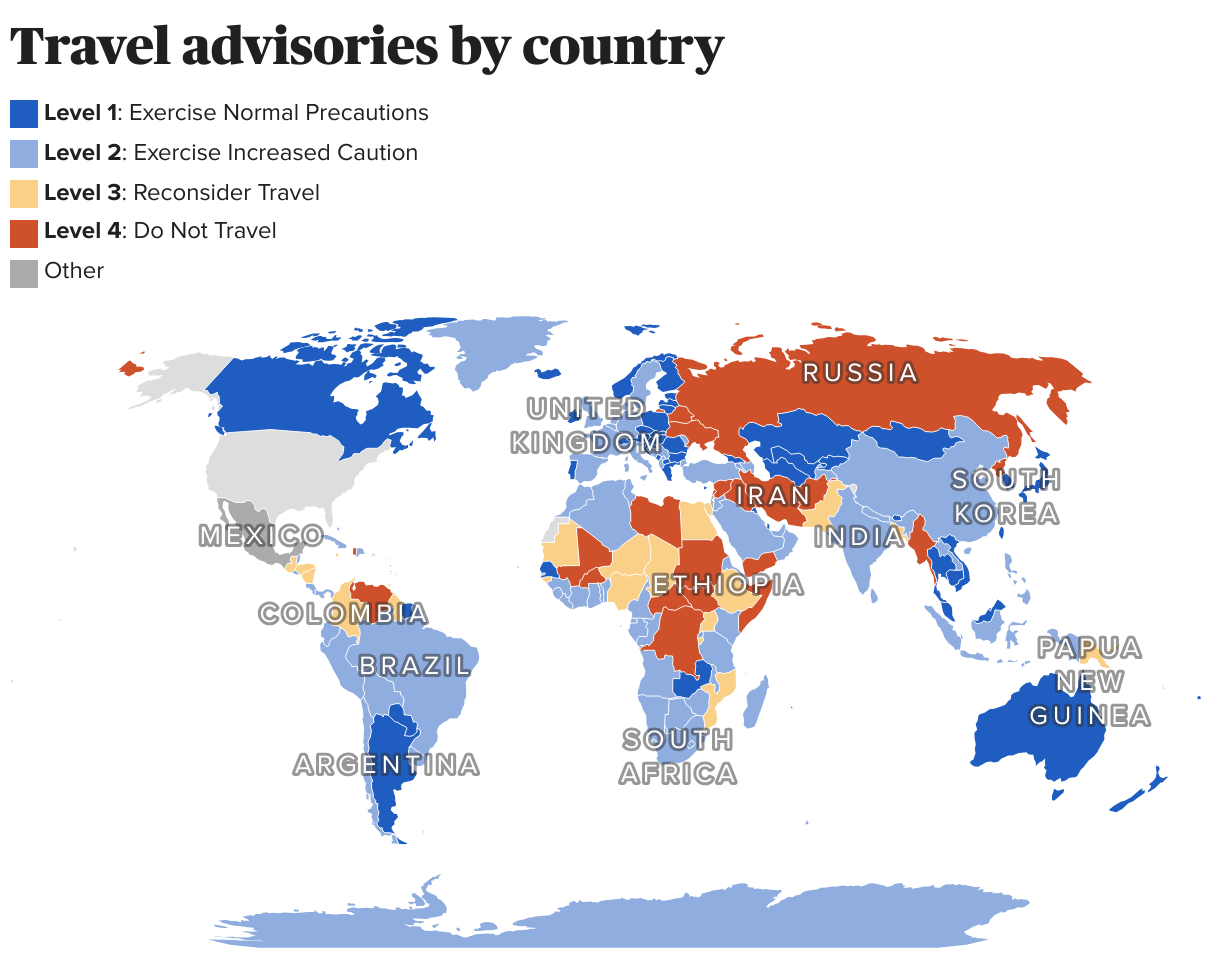
High-risk destinations are typically defined by factors such as political unrest, terrorism threats, crime rates, or environmental hazards. These areas may require special precautions and often have travel advisories issued by governments. For example, countries like Syria, Afghanistan, and Venezuela frequently appear on lists of high-risk locations due to ongoing conflicts and unstable governance. Travelers should research these regions thoroughly and consult official sources such as the U.S. Department of State’s travel advisories.
Before making any travel plans, it is important to assess the specific risks associated with a destination. Some areas may have high levels of violent crime, while others may face natural disasters like earthquakes or hurricanes. Additionally, health concerns such as disease outbreaks or limited medical facilities can significantly impact a traveler’s experience. By understanding the unique challenges of a destination, travelers can make informed decisions about whether to proceed with their trip.
Preparing for the Journey
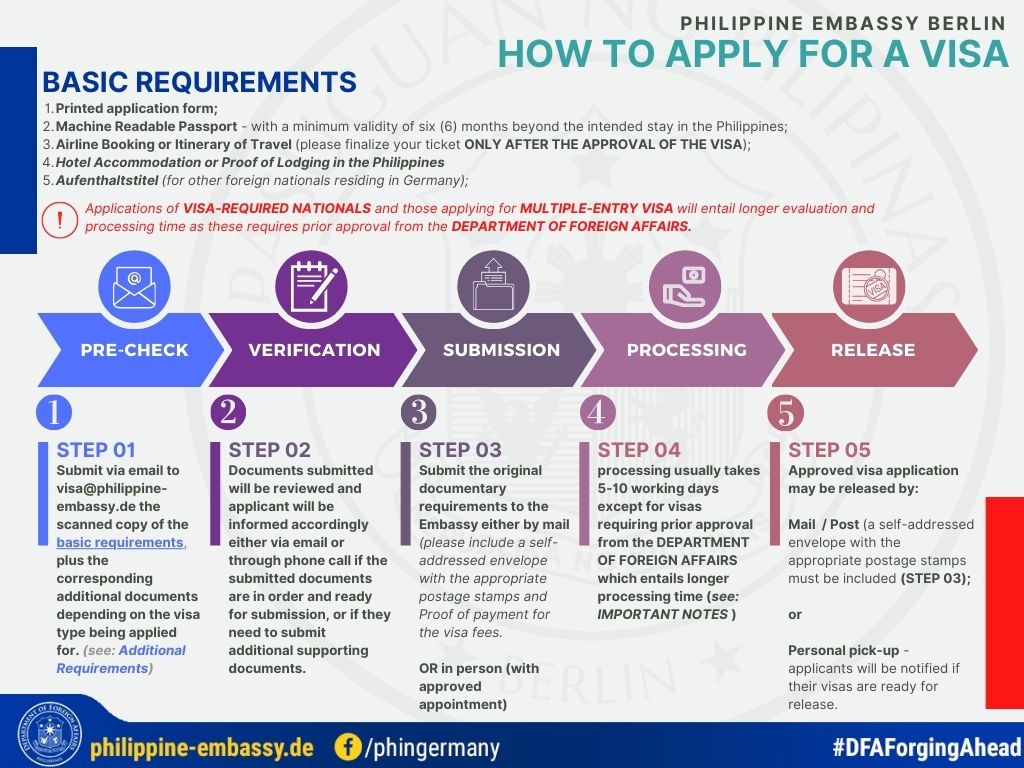
Proper preparation is key to ensuring a safe and successful trip to a high-risk destination. One of the first steps is to obtain the necessary documentation, including a valid passport, visa, and any additional permits required for entry. Travelers should also register with their country’s embassy or consulate in the region they plan to visit. This allows for easier access to assistance in case of an emergency.
In addition to legal documents, it is advisable to carry copies of important personal information, such as identification, insurance policies, and emergency contact details. Travelers should also consider purchasing comprehensive travel insurance that covers medical emergencies, evacuation, and theft. This can provide peace of mind and financial protection in unpredictable situations.
Another critical aspect of preparation is researching local customs and laws. In some high-risk areas, certain behaviors or actions may be illegal or frowned upon, leading to unexpected consequences. Understanding cultural norms and respecting local traditions can help avoid misunderstandings and ensure a smoother travel experience.
Staying Safe While Traveling
Once in a high-risk destination, travelers must remain vigilant and take proactive measures to stay safe. It is essential to avoid areas known for crime or political unrest, especially at night. Traveling in groups, using reputable transportation services, and keeping valuables secure can reduce the risk of theft or violence.
Staying informed about local news and developments is also crucial. Travelers should monitor official sources for updates on safety conditions and follow any travel advisories issued by their government. In case of an emergency, having a reliable means of communication, such as a local phone number or satellite device, can be lifesaving.
Health precautions are equally important. Travelers should ensure they are up-to-date on vaccinations and carry necessary medications. Access to medical care may be limited in some high-risk areas, so it is wise to have a basic first-aid kit and know the location of nearby hospitals or clinics.
Considering Alternatives
For some travelers, the risks associated with high-risk destinations may outweigh the benefits. In such cases, considering alternative travel options may be a safer choice. Many high-risk regions have neighboring countries that offer similar cultural experiences with lower risk levels. For example, instead of visiting a conflict-ridden area, a traveler might choose to explore a nearby country with stable conditions and rich history.
Additionally, virtual travel and online experiences have become increasingly popular, allowing individuals to explore distant places without leaving their homes. This can be a great way to learn about different cultures and prepare for future trips.
Conclusion
Visiting high-risk destinations in 2025 requires careful planning, awareness, and caution. By understanding the risks, preparing adequately, and staying informed, travelers can minimize potential dangers and enjoy a fulfilling experience. However, it is important to weigh the risks against the rewards and make decisions that prioritize personal safety. Whether choosing to travel or opt for alternatives, the goal should always be to explore responsibly and return home safely.









![[IMAGE: Best Travel Apps for Stress-Free Adventures United States]](https://www.mathhotels.com/wp-content/uploads/2025/09/608_Best_Travel_Apps_Stress_Free_Vacation_Hero.jpg)