

Travel restrictions to Canada have been a topic of significant interest, especially as the country continues to adapt its policies in response to global health and security concerns. As we approach 2025, travelers planning a trip to Canada should be well-informed about the current regulations and potential changes that may affect their journey. Understanding these restrictions is essential for ensuring a smooth and stress-free travel experience. Whether you’re visiting for business, tourism, or family reasons, being aware of the requirements can help you prepare adequately and avoid any last-minute surprises.
Current Travel Policies and Requirements
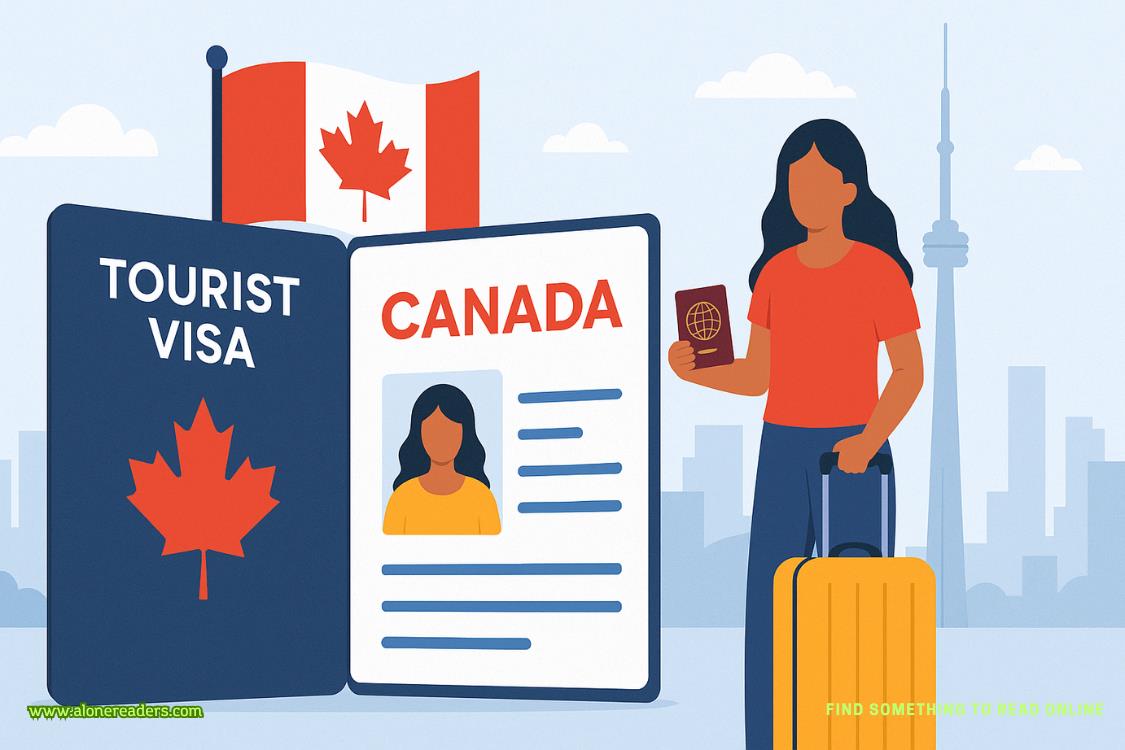
As of now, Canada has implemented a variety of entry requirements for international travelers. These include proof of vaccination against COVID-19, negative test results, and sometimes quarantine obligations, depending on the traveler’s country of origin. The Canadian government regularly updates these guidelines based on the latest public health data, so it’s crucial to check the official sources before planning your trip. Additionally, travelers must have a valid passport and, in some cases, an Electronic Travel Authorization (eTA) or a visa.
Impact of the Pandemic on Travel Regulations

The ongoing pandemic has significantly influenced Canada’s travel policies. While many restrictions have been lifted, certain measures remain in place to protect public health. For example, travelers from high-risk areas might still be required to provide proof of vaccination and undergo testing upon arrival. Moreover, the use of masks in public spaces, including transportation hubs, may still be mandated in certain regions. These policies are subject to change, so staying updated with the latest news is vital.
Border Crossings and Entry Points

Canada shares its longest border with the United States, making it one of the most frequently crossed international borders in the world. However, the process of entering Canada through land borders can vary depending on the specific port of entry. Some locations may require additional documentation or have different procedures compared to airports. It’s advisable to research the specific requirements for the border crossing you plan to use, as delays can occur if all necessary documents are not in order.
Additional Considerations for International Travelers
Beyond the basic entry requirements, there are several other factors that international travelers should consider when planning a trip to Canada in 2025. These include the need for travel insurance, which can cover unexpected medical expenses or trip cancellations. Additionally, understanding the local laws and customs is important to ensure a respectful and compliant visit. For instance, certain items such as food products or medications may be restricted upon entry, so it’s wise to review the list of prohibited items before packing.
Preparing for Your Trip

To make the most of your trip to Canada in 2025, thorough preparation is key. Start by checking the official websites of the Government of Canada and the Canadian Border Services Agency for the latest information. You should also consider booking accommodations and transportation well in advance, especially during peak travel seasons. Additionally, familiarize yourself with the local language, culture, and emergency contact numbers to feel more confident and prepared during your stay.
By staying informed and taking the necessary steps to meet Canada’s travel requirements, you can enjoy a seamless and memorable trip. Whether you’re exploring the natural beauty of the Rockies, experiencing the vibrant cities, or enjoying the cultural diversity, Canada offers something for every traveler. With the right planning and knowledge, your journey to Canada in 2025 can be both exciting and hassle-free.







![[IMAGE: Best Travel Apps for Stress-Free Adventures United States]](https://www.mathhotels.com/wp-content/uploads/2025/09/608_Best_Travel_Apps_Stress_Free_Vacation_Hero.jpg)