
Traveling can be an exciting and enriching experience, but it also comes with its own set of challenges and considerations. Whether you’re planning a weekend getaway or a cross-country adventure, staying informed about travel advisories is crucial to ensuring a smooth and safe journey. From health concerns to political instability, there are numerous factors that can impact your trip, and being aware of them beforehand can make all the difference. This article provides essential information to help you prepare for your next trip effectively.
Understanding Travel Advisories
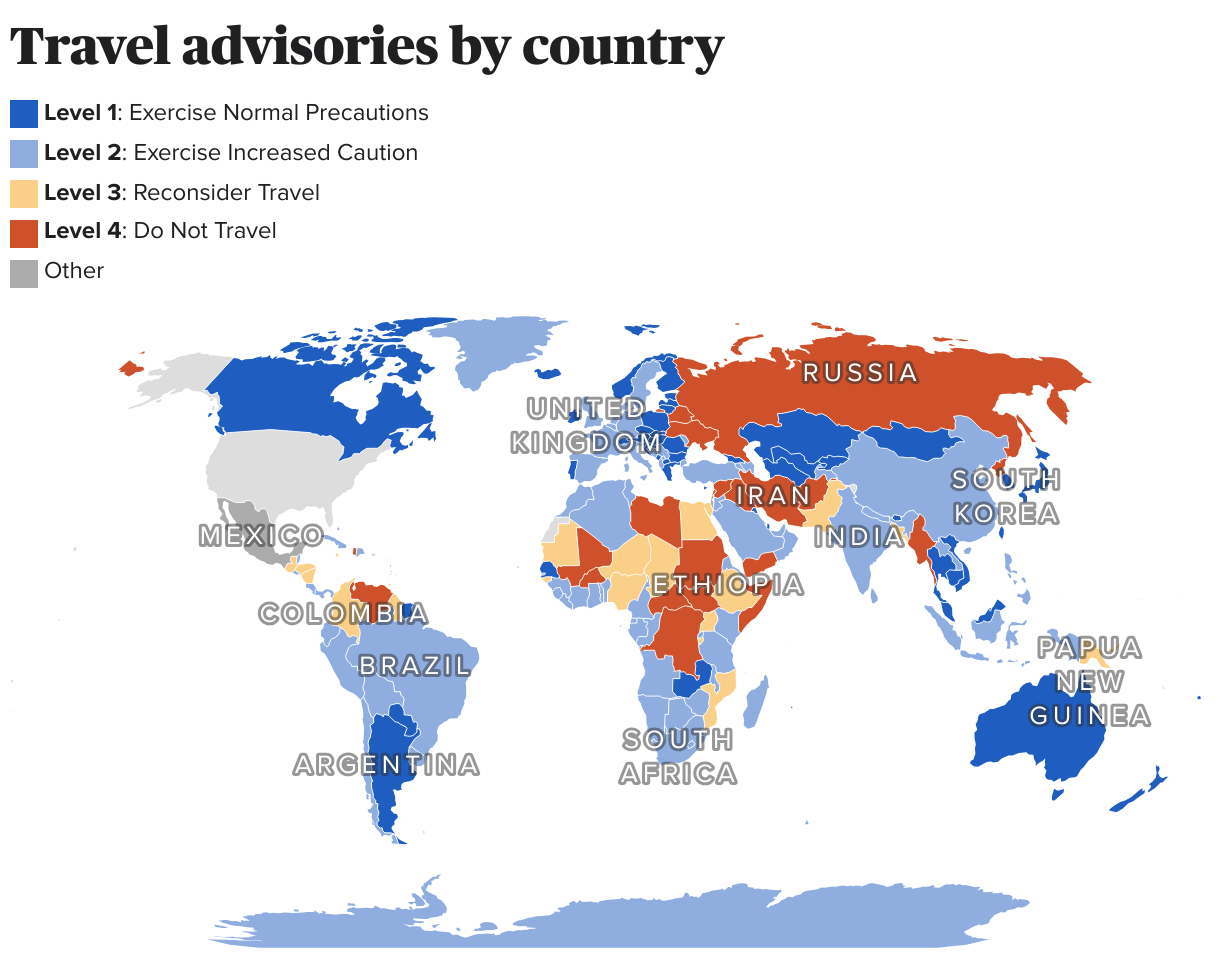
Travel advisories are official recommendations issued by government agencies, such as the U.S. Department of State, to inform citizens about potential risks in different countries or regions. These advisories can range from minor warnings about local crime rates to major alerts regarding conflicts, natural disasters, or health crises. Staying updated on these advisories is especially important if you’re traveling internationally, as they can affect your ability to enter a country, access medical care, or even return home safely.
For example, during the height of the COVID-19 pandemic, many countries imposed strict entry requirements, including vaccination mandates and quarantine protocols. Similarly, regions experiencing political unrest may issue travel warnings that advise against non-essential travel. By checking these advisories before booking your trip, you can avoid unexpected complications and make more informed decisions about where and when to travel.
Key Factors to Consider Before Traveling

When planning a trip, it’s essential to evaluate several key factors that could influence your travel experience. One of the most critical aspects is the current health situation in your destination. The Centers for Disease Control and Prevention (CDC) regularly updates its guidelines based on global health trends, and following these recommendations can help you stay protected. Additionally, if you’re traveling to a region with a high risk of disease transmission, such as areas with malaria or dengue fever, taking preventive measures like vaccinations or insect repellent is vital.
Another important factor is the political and social climate of your destination. Some countries may have ongoing conflicts, civil unrest, or unstable governments, which can pose risks to travelers. It’s wise to research the local environment and consult with experienced travelers or expatriates who may have firsthand knowledge of the situation. Moreover, understanding cultural norms and local laws can prevent unintentional offenses that might lead to legal issues or safety concerns.
Preparing for Your Trip

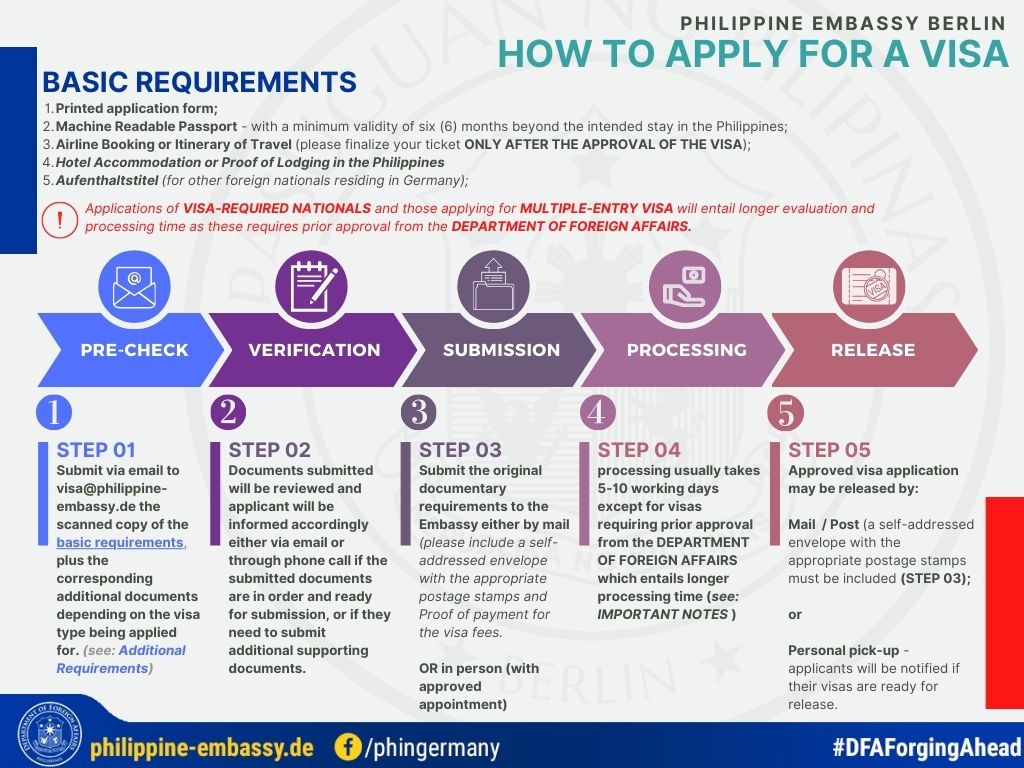
Once you’ve assessed the advisories and determined that your destination is safe, the next step is to prepare for your journey. This includes securing the necessary travel documents, such as a valid passport, visa, and any required immunization records. Many countries now require digital health passports or proof of vaccination, so it’s important to check the specific requirements for your destination.
In addition to documentation, packing appropriately is another key aspect of trip preparation. Depending on your destination, you may need to bring items such as appropriate clothing, medications, or travel insurance. If you’re visiting a remote area, having a basic first aid kit and emergency contact information can be invaluable. Furthermore, sharing your itinerary with family or friends and keeping a copy of your travel documents in a secure location can provide added peace of mind.
Staying Informed During Your Trip

Even after you’ve left for your trip, staying informed is crucial. Monitoring news updates and official announcements from both your home country and the destination can help you respond to any sudden changes in the travel advisory status. Many travelers use apps like Google Maps or local news outlets to stay updated on real-time conditions, such as weather disruptions or security threats.
Additionally, registering with your country’s embassy or consulate can provide access to critical support services if needed. In case of emergencies, having this information readily available can expedite assistance and ensure a quicker resolution. It’s also a good idea to keep a list of local emergency numbers and contact details for your accommodation in case of unexpected situations.
Conclusion

Traveling offers countless opportunities for exploration and personal growth, but it also requires careful planning and awareness. By understanding travel advisories, evaluating key factors, and preparing thoroughly, you can minimize risks and maximize the enjoyment of your trip. Remember to stay informed throughout your journey and remain flexible in the face of changing circumstances. With the right approach, your next trip can be both memorable and safe.







![[IMAGE: Best Travel Apps for Stress-Free Adventures United States]](https://www.mathhotels.com/wp-content/uploads/2025/09/608_Best_Travel_Apps_Stress_Free_Vacation_Hero.jpg)