
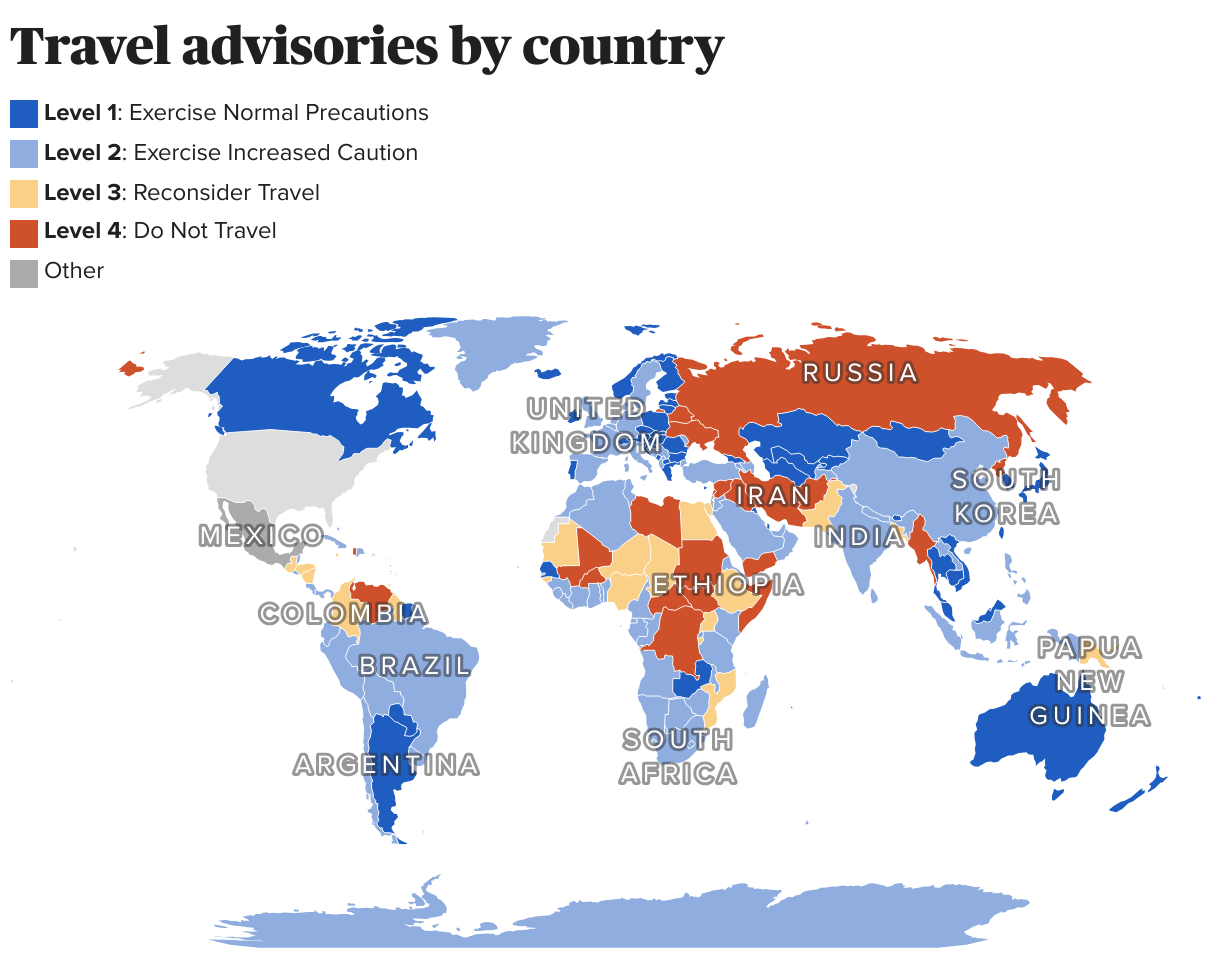
Travel advisories from the U.S. State Department are essential resources for anyone planning to travel internationally. These advisories provide critical information about safety, security, and health conditions in different countries, helping travelers make informed decisions before they embark on their journeys. Understanding the nuances of these advisories can significantly impact the success and safety of a trip. Whether you’re traveling for business, leisure, or family reasons, staying updated on the latest travel advisories is a crucial step in the planning process.
What Are Travel Advisories?

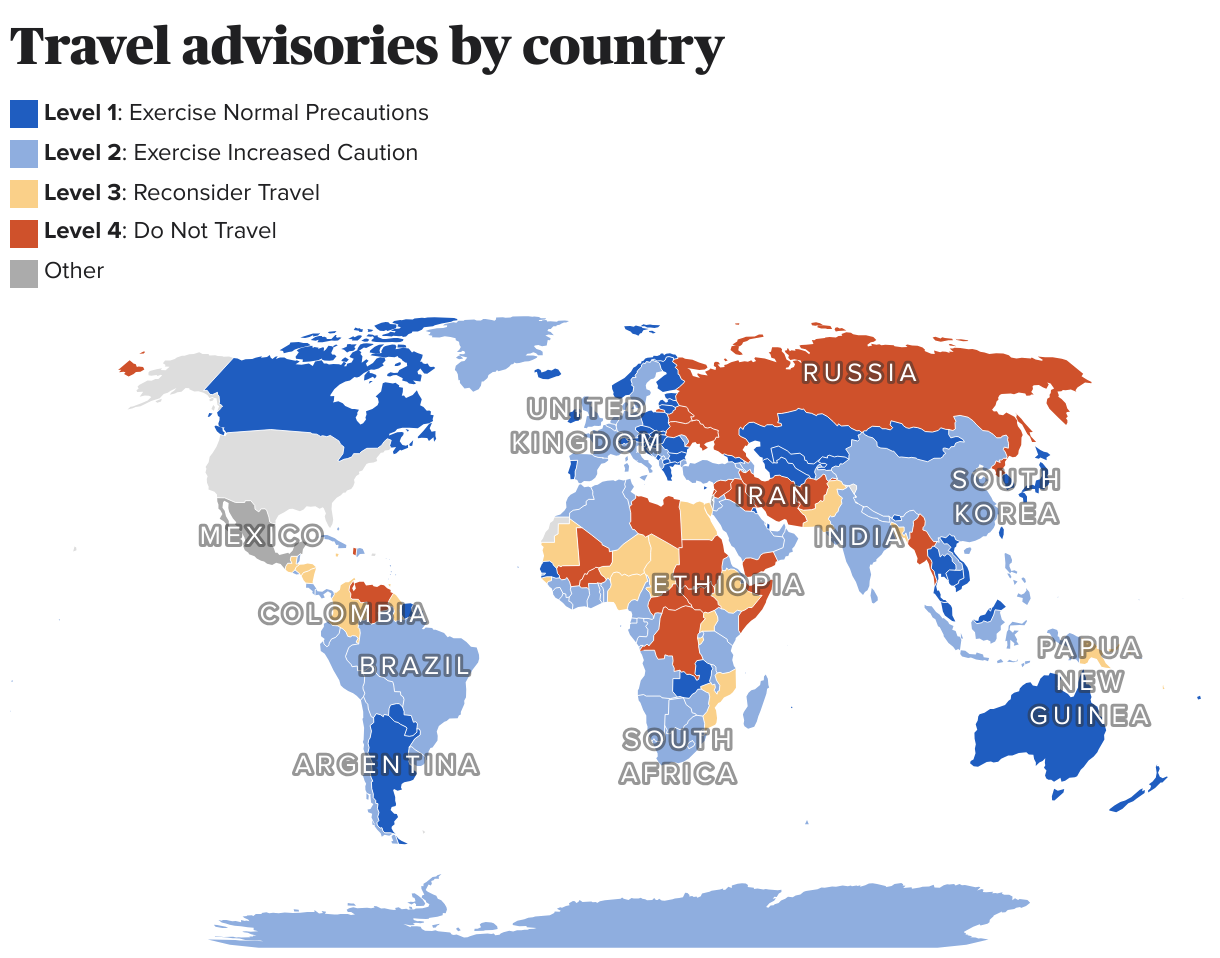
Travel advisories are official statements issued by the U.S. government to inform American citizens about potential risks associated with traveling to specific countries. These advisories are categorized into four levels, ranging from Level 1 (Exercise Normal Caution) to Level 4 (Do Not Travel). Each level provides a detailed explanation of the risks involved, such as political instability, crime, terrorism, or health concerns. For example, a Level 3 advisory might warn travelers about increased crime rates or ongoing conflicts, while a Level 4 advisory could indicate extreme danger, such as war or severe civil unrest.
How to Access Travel Advisories

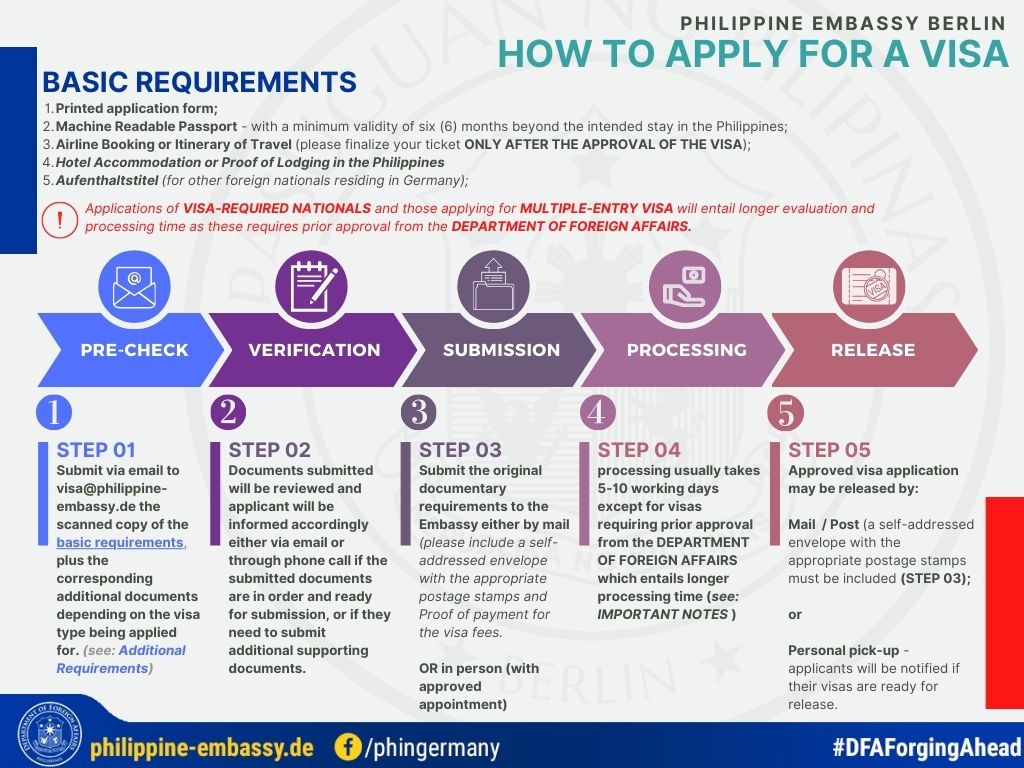
Accessing travel advisories is straightforward. The U.S. State Department maintains an online database where travelers can search for specific countries and view their current advisory status. This resource also includes additional details such as travel alerts, which are issued for sudden changes in circumstances, like natural disasters or diplomatic issues. Travelers can also sign up for email notifications to receive updates directly. In addition, the State Department’s website provides country-specific information on entry requirements, visa processes, and local laws that may affect travelers.
Why Travel Advisories Matter

Travel advisories are not just bureaucratic formalities; they are vital tools for ensuring the safety and well-being of American citizens abroad. By following these advisories, travelers can avoid dangerous situations and make informed choices about their destinations. For instance, if a country has a high risk of theft or scams, a traveler might choose to visit a safer region within that country or delay their trip until the situation improves. Additionally, travel advisories often include recommendations for emergency contacts, medical facilities, and local authorities that can assist in case of an incident.
Tips for Using Travel Advisories Effectively

To make the most of travel advisories, it’s important to review them regularly, especially if your travel plans are flexible. Some advisories may change frequently based on evolving conditions, so staying updated is key. Another tip is to cross-reference the State Department’s information with other reliable sources, such as news outlets or travel forums, to get a more comprehensive understanding of the situation. Additionally, consider consulting with a travel agent or a legal expert if you’re planning to visit a country with complex entry requirements or political tensions.
Conclusion
Travel advisories from the U.S. State Department play a crucial role in helping Americans navigate the complexities of international travel. By understanding the different levels of advisories, accessing the right resources, and using the information effectively, travelers can make safer and more informed decisions. Whether you’re planning a short vacation or a long-term stay abroad, taking the time to review these advisories can save you from unexpected challenges and ensure a smoother journey. Always remember that staying informed is the first step toward a successful and secure trip.








![[IMAGE: Best Travel Apps for Stress-Free Adventures United States]](https://www.mathhotels.com/wp-content/uploads/2025/09/608_Best_Travel_Apps_Stress_Free_Vacation_Hero.jpg)