
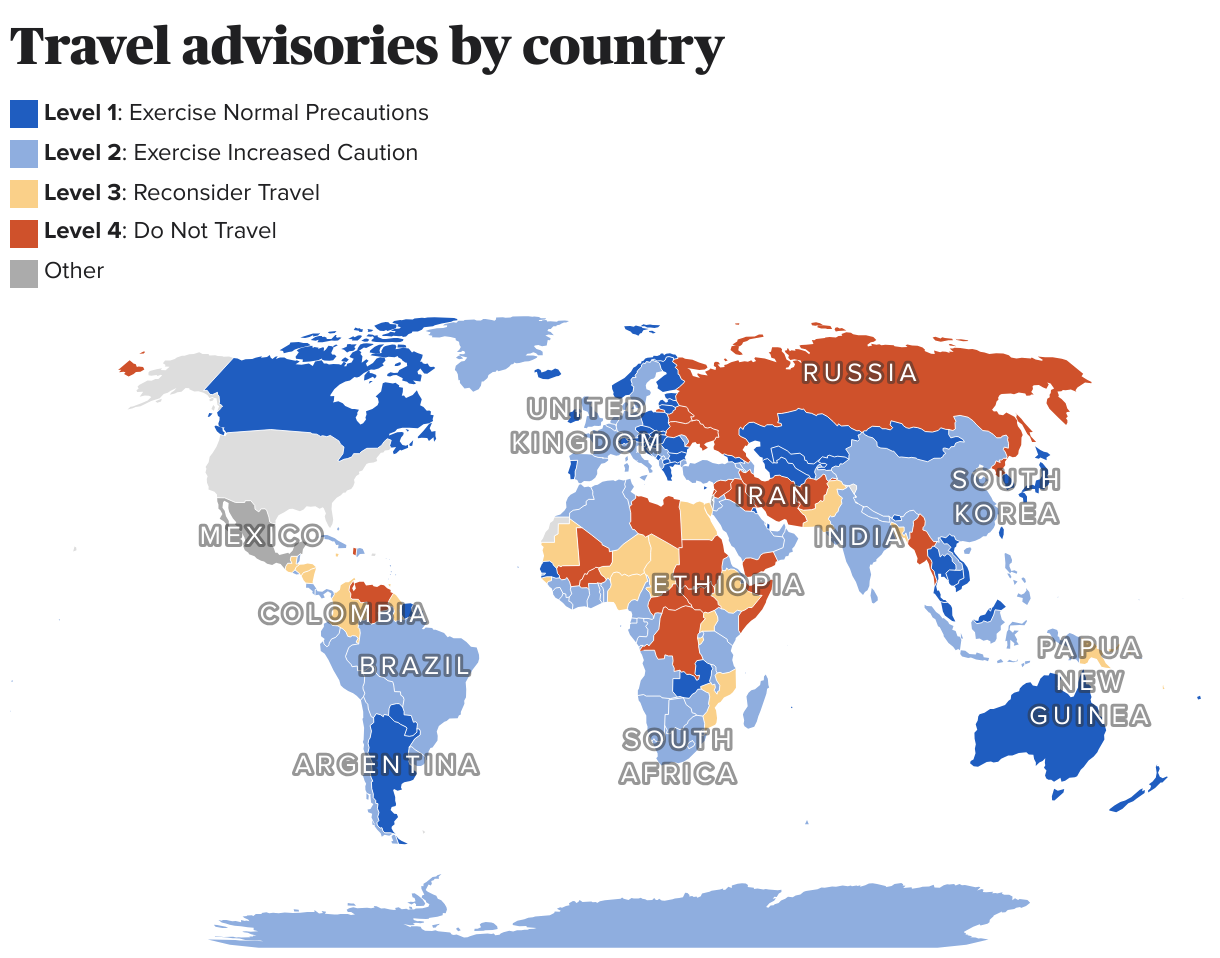
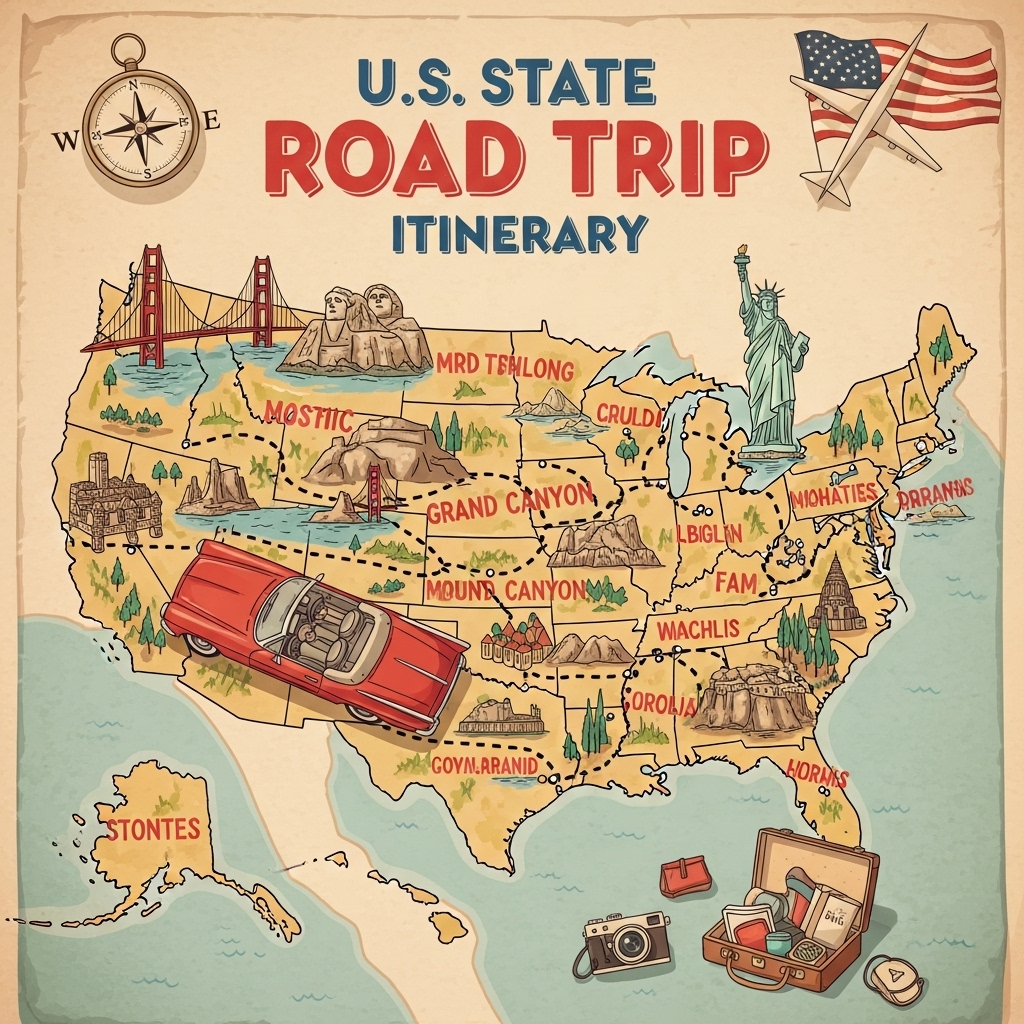
U.S. Travel Advisory Map: Stay Informed Before Your Next Trip is a vital resource for both domestic and international travelers planning to visit the United States. This dynamic tool provides up-to-date information on health, safety, and security conditions across all 50 states, territories, and commonwealths. By leveraging real-time data from federal agencies, local governments, and public health organizations, the advisory map ensures that travelers can make informed decisions about their destinations. Whether you’re planning a road trip, a business conference, or a vacation, understanding the current status of your intended location is essential.
Understanding the U.S. Travel Advisory System
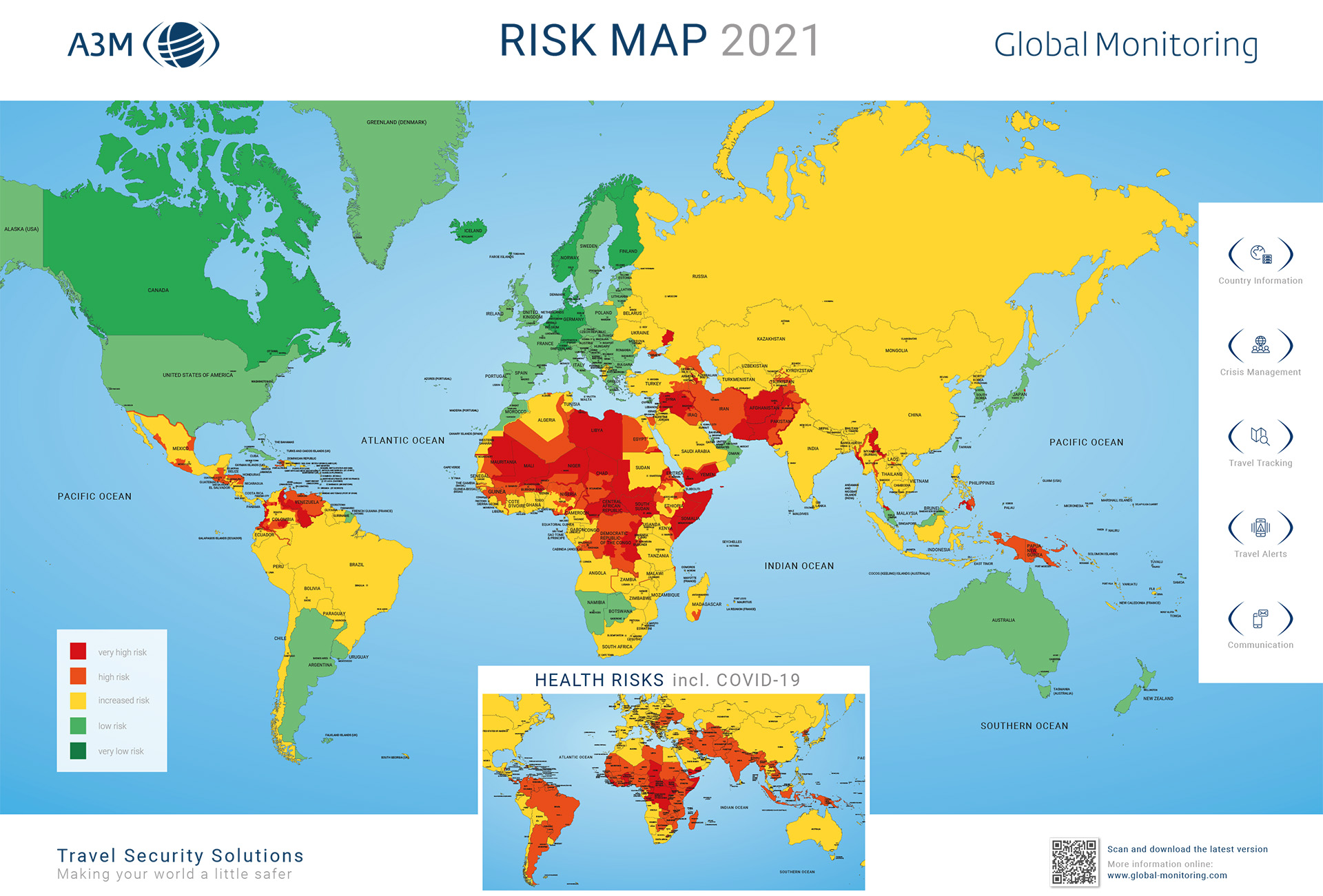
The U.S. Travel Advisory Map is part of a broader system managed by the Department of State in collaboration with the Centers for Disease Control and Prevention (CDC) and other relevant authorities. The map categorizes regions based on risk levels, ranging from low to high, and includes detailed descriptions of potential concerns such as disease outbreaks, natural disasters, political instability, and crime rates. Each advisory also provides recommendations for travelers, including precautions to take, necessary documentation, and emergency contact information. This comprehensive approach ensures that users have access to reliable and actionable insights before they embark on their journey.
Key Features of the Travel Advisory Map

One of the standout features of the U.S. Travel Advisory Map is its interactive interface, which allows users to zoom in on specific states or regions for more detailed information. Travelers can filter advisories by category, such as health, safety, or environmental risks, making it easier to focus on the most relevant details. Additionally, the map integrates real-time updates, ensuring that travelers are always aware of the latest developments. For example, if a state experiences a sudden spike in cases of a contagious illness, the advisory will reflect this change immediately. This level of responsiveness is crucial for those planning trips during unpredictable times.
How to Access and Use the Travel Advisory Map
Accessing the U.S. Travel Advisory Map is straightforward. Users can visit the official website of the Department of State or use mobile applications that integrate the advisory system. These platforms often include additional tools such as travel alerts, visa requirements, and local weather forecasts. For those who prefer a more hands-on approach, the map also offers downloadable reports and printable guides that can be shared with family or colleagues. It’s important to note that while the advisory map provides general guidance, travelers should also consult local authorities and healthcare providers for personalized advice.
Tips for Using the Advisory Map Effectively

To get the most out of the U.S. Travel Advisory Map, consider the following tips:
– Check regularly: Conditions can change rapidly, so it’s wise to review the map frequently, especially if you’re traveling during a season with high activity, such as summer or holidays.
– Understand the terminology: Familiarize yourself with the risk levels and what they mean. For instance, a “high” risk may indicate that certain areas should be avoided, while a “moderate” risk might suggest taking extra precautions.
– Combine with other resources: While the advisory map is a valuable tool, it’s best used in conjunction with other sources such as news outlets, travel blogs, and local government websites.
– Plan ahead: If an area has a higher risk, consider adjusting your itinerary or booking accommodations in safer zones.
Why the Travel Advisory Map Matters
The U.S. Travel Advisory Map plays a critical role in promoting safe and informed travel. By providing clear, accessible information, it helps reduce the likelihood of unexpected challenges during a trip. Whether you’re visiting a major city like New York or a remote area like Alaska, the advisory map ensures that you’re prepared for whatever lies ahead. Moreover, it supports public health efforts by encouraging responsible travel behavior, such as practicing good hygiene, staying updated on vaccination requirements, and respecting local regulations. In a world where travel is increasingly complex, this tool is an invaluable asset for anyone planning a journey within the United States.








![[IMAGE: Best Travel Apps for Stress-Free Adventures United States]](https://www.mathhotels.com/wp-content/uploads/2025/09/608_Best_Travel_Apps_Stress_Free_Vacation_Hero.jpg)