The Changing Landscape of Wine Tourism
While Italy’s sun-drenched vineyards have long captivated travelers, a growing number are seeking new horizons, drawn to a less-trodden path offering similar, yet distinct, viticultural charms. This shift signals a desire for authentic experiences beyond the well-worn tourist trails.
Slovenia’s Emerging Wine Scene
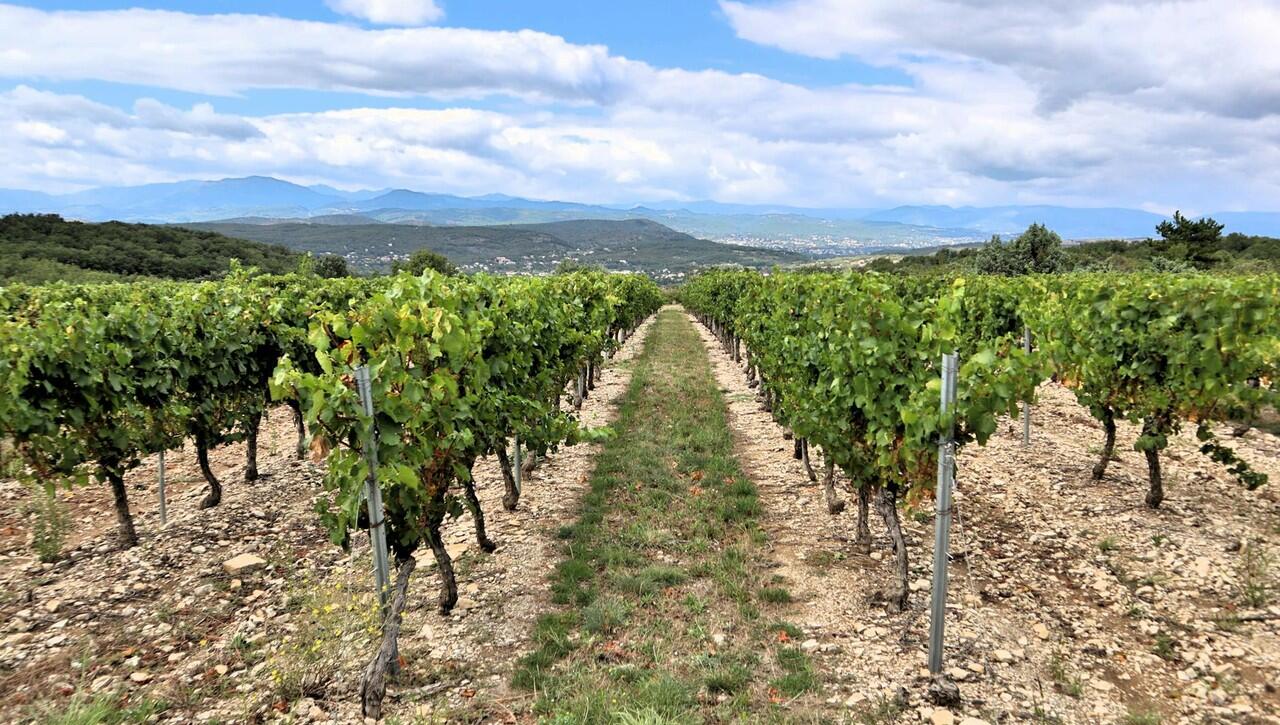
Slovenia, a country often overshadowed by its more famous neighbors, is rapidly gaining recognition for its high-quality wines and burgeoning wine tourism industry. Though a smaller producer than Italy, Slovenia’s wines, particularly from regions like Primorska, are increasingly being lauded for their unique character and exceptional quality. This nation boasts three primary wine regions: Primorska, Posavje, and Podravje, each offering a distinct terroir and a wealth of indigenous grape varieties alongside international standards. The Primorska region, influenced by its proximity to Italy, is particularly noted for its dry whites and reds, with vineyards stretching across rolling hills that many liken to the Tuscan landscape. This region is home to numerous boutique wineries, many of which are family-run, emphasizing sustainable practices and traditional winemaking methods. These smaller estates often produce wines that are primarily consumed domestically, making a visit to Slovenia a unique opportunity to taste these exclusive selections. The allure of Slovenia’s wine country lies in its intimate scale and the passionate dedication of its vintners.
The Allure of Undiscovered Destinations
Travelers are increasingly seeking destinations that offer a sense of discovery and authenticity, moving away from overcrowded tourist hotspots. Slovenia, with its pristine natural beauty and relatively untapped tourism potential, perfectly fits this growing demand. Often described as Europe’s “Green Heart,” Slovenia boasts a remarkable diversity of landscapes, from the dramatic Julian Alps to a charming Adriatic coastline, all packed into a compact area. This makes it an ideal destination for those looking to escape the throngs of tourists and experience a more genuine connection with a place. Unlike the bustling, often commercialized, vineyard tours found in more popular European wine regions, Slovenia offers a more intimate and personal encounter with its wine culture. Visitors can explore hidden valleys, encounter winemakers who are eager to share their stories, and enjoy breathtaking scenery with a fraction of the crowds. This pursuit of the “undiscovered” is a significant driver for travelers seeking richer, more meaningful travel experiences, moving beyond the predictable to embrace the novel and the serene.
Beyond the Grape: Slovenia’s Multifaceted Appeal
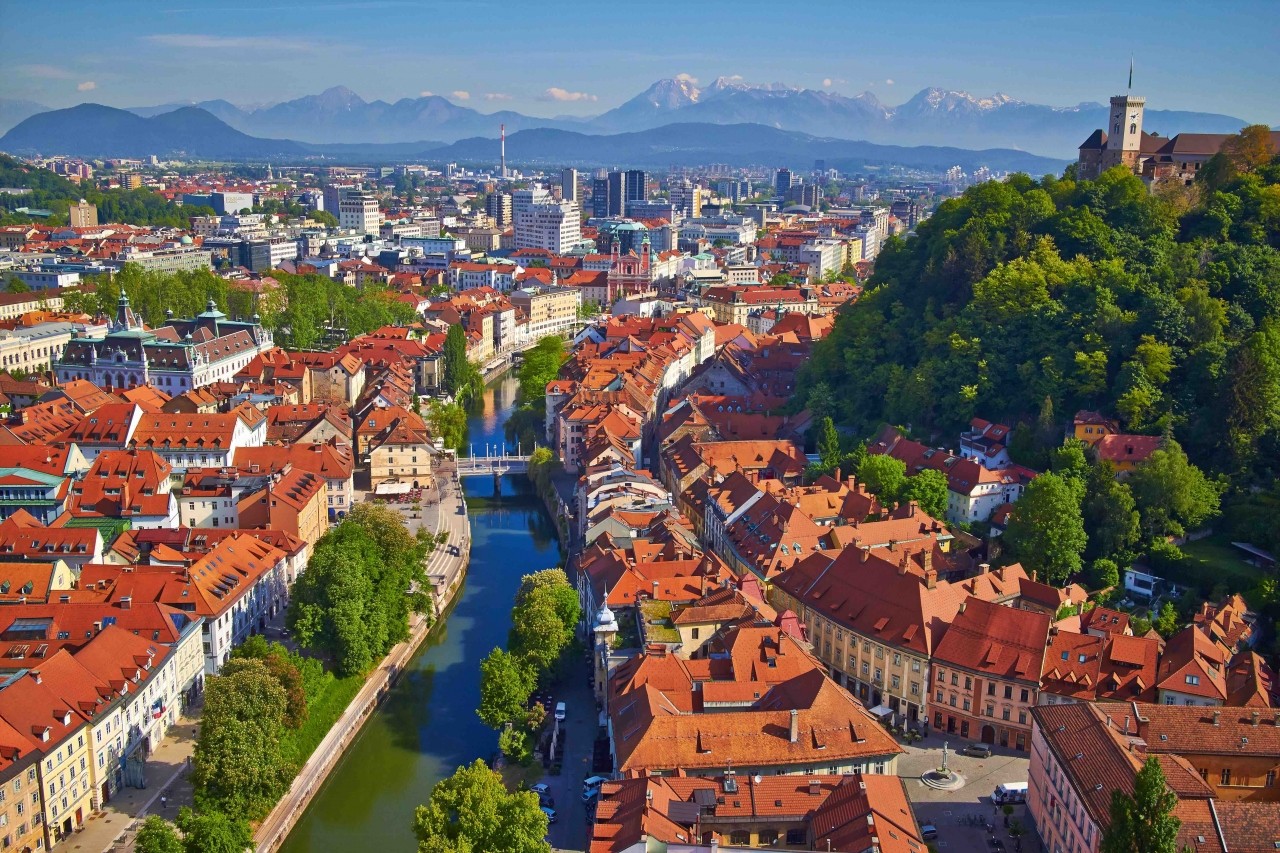
While the wine is a significant draw, Slovenia’s appeal extends far beyond its vineyards. The country is a paradise for outdoor enthusiasts, offering a vast network of hiking and cycling trails, pristine lakes, emerald rivers, and opportunities for adventure sports like paragliding and cave exploration. Triglav National Park, a UNESCO biosphere reserve, provides stunning alpine vistas and challenging treks, while the Soča River, known for its vibrant emerald color, is a hub for water sports. For those seeking cultural immersion, the capital city of Ljubljana offers elegant architecture, a charming riverside ambiance, and a vibrant culinary scene. Its compact size makes it easily navigable, allowing visitors to soak in its atmosphere without the overwhelming scale of larger European capitals. The blend of natural wonders, historical towns, and a relaxed pace of life contributes to Slovenia’s growing reputation as a holistic travel destination that caters to a wide range of interests, making it a compelling alternative to more traditional vacation spots.
The Rise of Sustainable Tourism
Slovenia’s strong commitment to sustainability resonates deeply with the modern traveler. Designated as a Green Destination, the country prioritizes environmental preservation and responsible tourism practices. This ethos is evident across the nation, from its protected natural landscapes to its many eco-friendly accommodations and tours. For travelers increasingly conscious of their environmental impact, Slovenia offers a guilt-free way to explore and enjoy. This focus on sustainability is not merely a marketing ploy but is woven into the fabric of Slovenian life, attracting visitors who value authentic experiences that are in harmony with nature. Unlike some more established tourist destinations grappling with the negative effects of over-tourism, Slovenia presents a model of how to develop tourism in a way that benefits both the local environment and the visitor experience. This commitment to preserving its natural beauty ensures that Slovenia remains an attractive destination for years to come, appealing to a discerning clientele that prioritizes responsible travel.
Intimate Wine Encounters

The wine tasting experience in Slovenia’s regions, particularly in Primorska and the Vipava Valley, offers a stark contrast to the often commercialized tours in Italy. Here, visitors are frequently hosted by the winemakers themselves, fostering a sense of personal connection and authentic hospitality. These small, family-run vineyards allow for intimate tastings where the passion and story behind each bottle are shared directly. Imagine standing in a small cellar, conversing with the vintner about their craft, sampling unique local varietals like Rebula or Zelen, and savoring the nuanced flavors that reflect the specific terroir. This approach to wine tourism emphasizes genuine interaction and a deep dive into the winemaking process, moving beyond a superficial tasting to a true cultural exchange. This intimate setting allows travelers to truly appreciate the dedication and artistry involved, creating memorable experiences that are hard to replicate in larger, more commercialized wine regions.
Value and Authenticity Beyond the Crowds
Slovenia offers a compelling combination of high-quality experiences and greater value compared to many of Italy’s more established tourist destinations. While Italy grapples with rising costs and the challenges of over-tourism, Slovenia provides an accessible and authentic alternative. The country’s lower cost of living translates into more affordable accommodation, dining, and wine experiences, allowing travelers to immerse themselves more fully without financial strain. Furthermore, the absence of overwhelming crowds in Slovenia’s wine regions and natural attractions enhances the overall travel experience, allowing for more relaxed exploration and genuine engagement with the local culture. This offers a refreshing contrast to the often-frenetic pace of popular Italian destinations. Travelers are finding that Slovenia delivers a richness of experience—from its stunning landscapes to its characterful wines—that is both deeply satisfying and refreshingly uncrowded, redefining the ideal European getaway for the discerning traveler.