As major sporting events draw near, the new Priority Pass’ brand new globalreportshow how sports tourism is bringing attention to and changing the way Americans organize their travels. In this new report, recent data shows how sports andwellness are shapingThe upcoming era of travel highlights how the experience begins well before the event or the destination. The report revealed that 25% of U.S. travelers go on trips for sports, while 32% mix sports with wellness in their journeys. Furthermore, trends indicate that younger generations are driving this shift, with 55% of younger sports fans being inspired to discover new cities through sports-related travel.
As travelers plan their trips around these passion-fueled experiences, the journey itself is becoming an essential part of the adventure, beginning at the airport. To find out more about the growing trend of sports travel, I spoke with Sheryl Pflaum, Global Chief Advisory Officer and Executive Chair, The Americas at Collinson Group. Below, she discusses what’s driving the popularity of sports and wellness travel in 2026.
Why is sports and wellness tourism on the rise?
There’s a noticeable change in how Americans perceive the worth of travel. It’s not just about the destination anymore, but ratherwhyYou go and how the experience makes you feel,” says Pflaum. “Sports and wellness travel exist at the crossroads of emotion, identity, and self-care. Live sports bring energy, connection, and unforgettable experiences, while wellness offers balance, recovery, and a mental reboot. For me personally, some of my most significant travels have been connected to wellness through cycling trips while also experiencing stages ofTour de France.Those journeys are physically challenging and call for strength and stamina, yet they also offer a chance to mentally disconnect and refresh.
Following many years of turmoil and exhaustion, travelers have become much more deliberate. They seek journeys that are significant, rejuvenating, and worth their effort. Sports and wellness provide just that—intense experiences that match individual interests and health.
The era of intense romantic endeavors

The report also presents the concept that travelers are in a “time of passionate pursuits,” which is influencing how they organize their trips today. Pflaum notes that this indicates a shiftin trip planning”Rather than beginning with a specific destination, travelers are now starting with a passion, a significant event like a game, a marathon, a music or sports festival, a wellness retreat, or even a personal interest, and then structuring the trip around it. Almost half of sports travelers worldwide mention that exploring new cities through sports is a main reason for their travel. Today’s travel planning starts with the passion or interest first, with everything else—flights, hotels, airport experiences—following from there,” she explains.
Sports
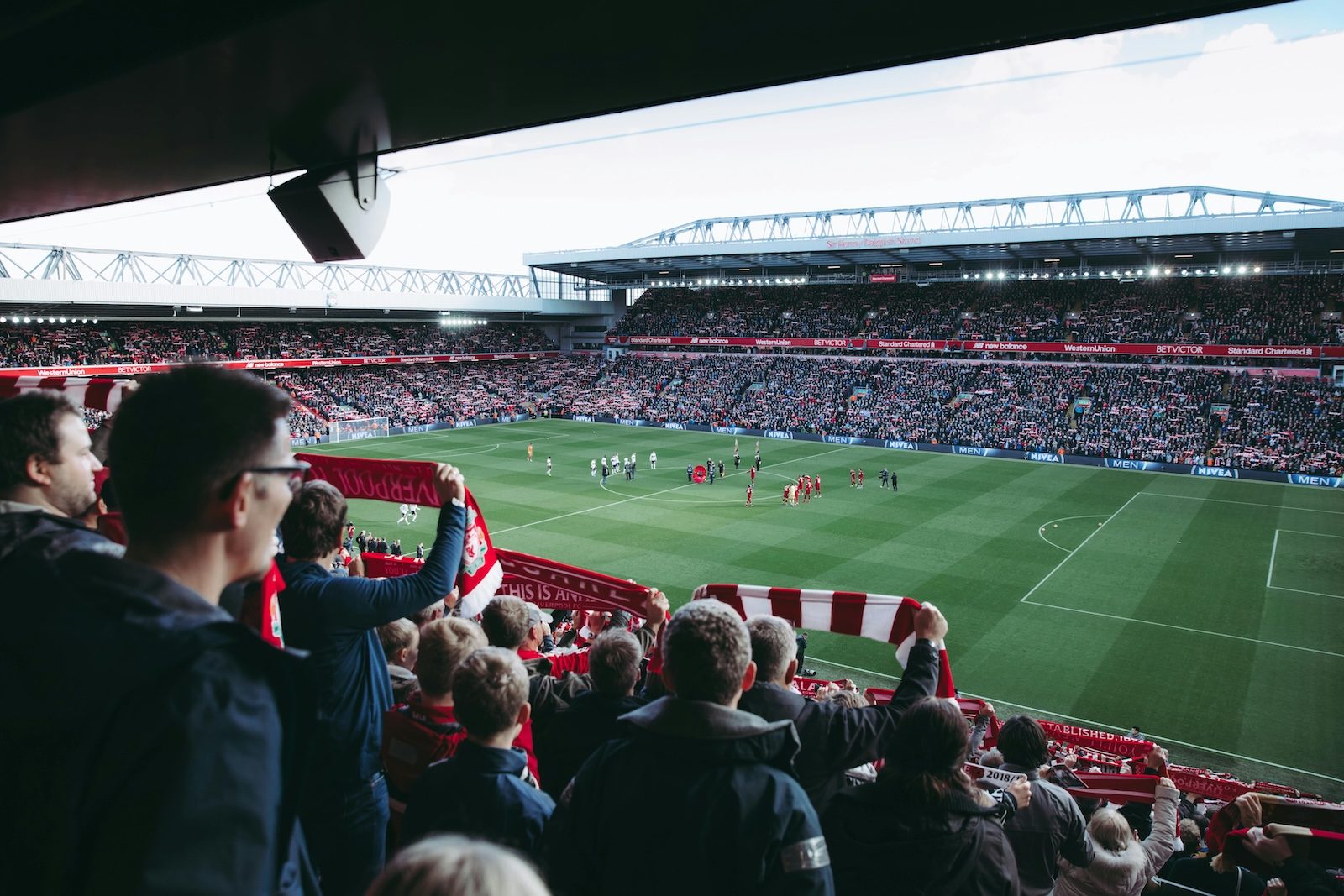
Studies indicate that 25% of U.S. travelers are on the move primarily for sports events. According to Pflaum, live sports have a strong, emotional appeal for those who travel; they provide a sense of community and unique experiences that cannot be matched online. “We’re witnessing significant growth in interest around major league games, international competitions, and college athletics. For many, going to a game or tournament isn’t just about entertainment; it’s a once-in-a-lifetime experience connected to personal interests and self-identity,” she explains.
In the United States, American Football is the main factor influencing sports-related travel, with 65% of sports travelers stating it as a major reason, followed by basketball at 46% and baseball at 38%. Today’s sports travel goes beyond just watching a game; it’s about being part of a bigger cultural event, often connected to identity, community, and shared experiences, such as the 2026 FIFA World Cup spanning North America. The individuals most interested in sports travel seem to be from Generation Z and Millennials, who are motivated by experiences that feel genuine, easy to share, and emotionally significant.
Wellness
The data also indicates that wellness travel has expanded significantly and become more comprehensive compared to the past — with hotels and resorts providing a wide range of wellness-related activities and services. “It’s no longer solely focused on spa treatments; it’s now about mental health, emotional well-being, and offering opportunities to disconnect,” Pflaum explains.
“43% of U.S. travelers mention they travel for wellness, while 50% of wellness travelers around the world are driven by mental health and emotional recovery, rather than just conventional spa services. Modern wellness travel incorporates elements like being in nature, mindfulness activities, improving sleep, disconnecting from technology, and focusing on recovery throughout the journey.” Wellness travel holds various interpretations for different kinds of travelers.
Combining wellness and sports
Our study indicates that 32% of U.S. travelers mix sports and wellness during the same journey, showing a wish to balance thrill with rejuvenation. Following the energy of a live sports event, many are intentionally incorporating recovery periods, which may includea spa visit,Sleep-oriented amenities, mindfulness practices, or just taking things at a slower pace. They seek the excitement of the moment while wanting to come back home feeling refreshed instead of exhausted. In this sense, sports and wellness naturally go hand in hand: one provides energy, the other supports lasting health,” she explains.
The post Why sports and wellness tourism is the top trend for American travelers appeared first on The Manual.