

Rising Hotel Prices in Major Tourist Cities
One of the most noticeable reasons U.S. cities are becoming harder for travelers to enjoy is the steady rise in hotel prices. In many major destinations, accommodation alone now consumes the largest portion of a travel budget. Cities like New York, Boston, and San Francisco regularly report nightly hotel rates that exceed several hundred dollars depending on the season. Business travel studies have estimated that the average daily cost for visitors in New York can reach over $440 once accommodation and related expenses are included. These increases are partly driven by limited space in dense urban areas, where land and construction costs remain extremely high. Hotels must also cover higher wages, utilities, and property taxes, all of which are reflected in room rates. After the pandemic travel rebound, demand for rooms surged while supply remained limited, pushing prices even higher. For many travelers, finding affordable accommodation in these cities now requires booking months in advance or staying far from the main attractions.
High Cost of Living Drives Tourism Prices
Another major factor making U.S. cities expensive for travelers is the extremely high cost of living in these urban centers. Cities like New York, Honolulu, and San Francisco consistently rank among the most expensive places to live in the United States, with housing and everyday expenses far above national averages. When residents already face high rents, grocery costs, and transportation expenses, businesses must charge more to remain profitable. Restaurants, museums, taxis, and tour companies all pass these higher operating costs on to visitors. This creates a situation where nearly every activity during a trip becomes more expensive than expected. Even simple experiences such as buying coffee, using public transport, or entering a museum can cost significantly more than in smaller cities. For travelers on a moderate budget, these daily expenses can quickly accumulate, making a short visit feel surprisingly costly.
Tourism Demand Has Surged After the Pandemic
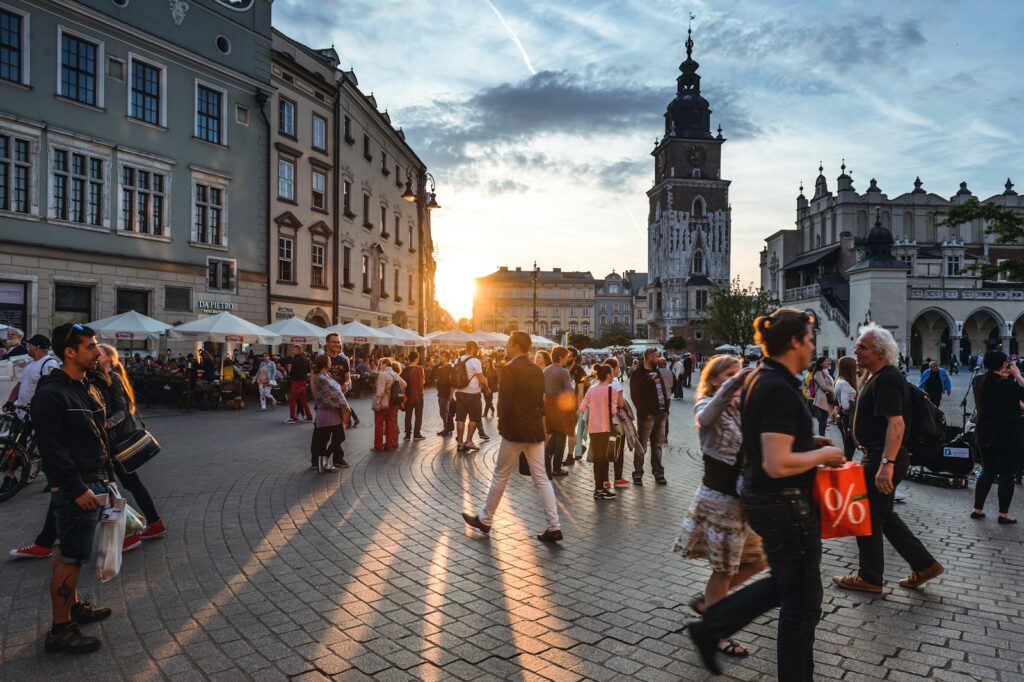
A powerful reason behind rising travel prices in U.S. cities is the surge in tourism demand after pandemic restrictions were lifted. Millions of people postponed vacations during lockdown periods, creating a wave of travelers eager to explore again once restrictions eased. Major destinations such as New York, Las Vegas, and Washington, D.C., quickly experienced strong demand for hotels, restaurants, and attractions. When demand increases faster than supply, prices naturally rise. Hotels raise room rates, airlines adjust ticket prices, and attractions increase admission fees to manage crowds. Cities that already had limited accommodation capacity were especially affected. In many popular locations, occupancy levels quickly returned to pre-pandemic highs while operating costs also increased due to inflation. As a result, visitors today often encounter peak-season pricing even during months that were once considered relatively affordable.
Restaurant and Food Prices Continue to Climb
Food expenses are another reason travelers feel the financial pressure when visiting major U.S. cities. Dining out has become significantly more expensive in many destinations, especially in areas popular with tourists. Inflation in food supply chains, rising wages for restaurant staff, and higher rent for commercial spaces have pushed menu prices upward. Even casual dining options in cities like San Francisco, Chicago, or New York can cost far more than visitors expect. Some studies examining restaurant prices found large differences between cities, with certain locations charging over $26 for items like a standard pizza. These increases may seem small individually, but over the course of several days they significantly raise the total cost of a trip. Travelers who once enjoyed sampling local food scenes now often limit restaurant visits or search for cheaper alternatives.
Short-Term Rentals Have Changed City Housing Markets
Short-term rental platforms have significantly influenced travel costs in many U.S. cities. Services like Airbnb and Vrbo made it easier for homeowners to rent properties to visitors rather than long-term residents. While this created more accommodation options for travelers, it also reduced the number of apartments available for local housing in popular urban areas. As housing supply tightened, property values and rental prices increased across entire neighborhoods. City governments in places like New York City and San Francisco have introduced stricter rules for short-term rentals because of their impact on housing affordability. For travelers, the effect is mixed. Some rentals remain cheaper than hotels, but many now charge premium rates because demand is high. Cleaning fees, service charges, and local taxes can also add significant costs, making these rentals far more expensive than many visitors expect when planning a trip.
Transportation Costs Add to Travel Budgets
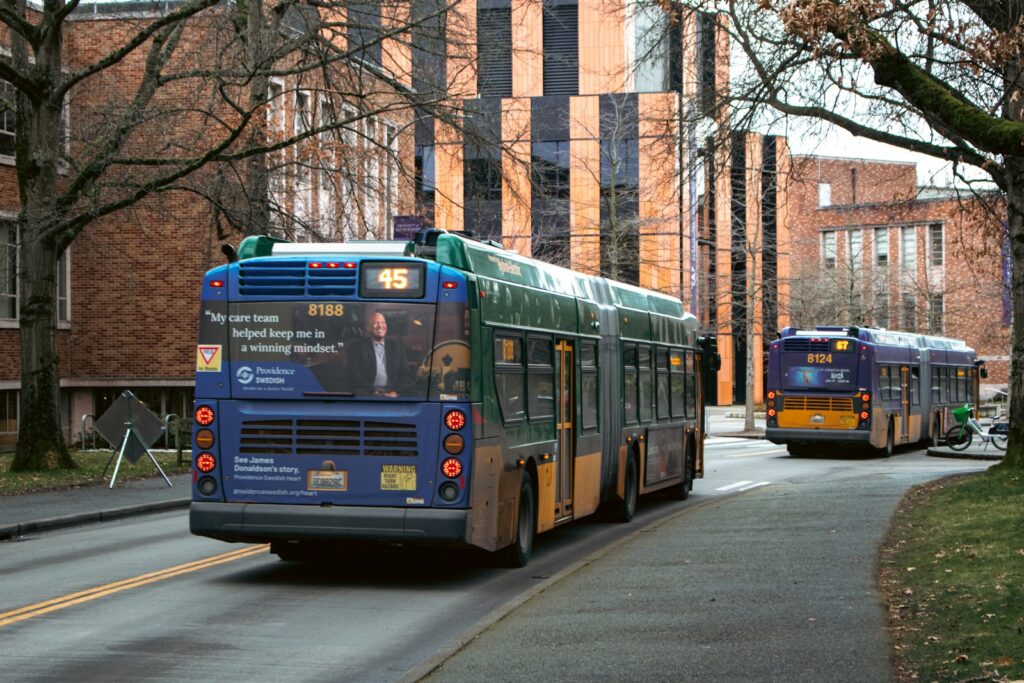
Getting around large U.S. cities can add unexpected expenses to a travel budget. Many popular destinations have complex transportation systems that require visitors to combine subways, buses, taxis, and rideshare services. While public transit is often the cheapest option, it still adds daily costs for travelers unfamiliar with city routes. In cities like New York City, a weekly transit pass can cost over thirty dollars, while taxis and rideshare services can quickly become expensive during busy periods. Platforms such as Uber and Lyft use dynamic pricing, meaning fares rise when demand increases. Airports located far from city centers also require additional transportation expenses before a trip even begins. Parking fees in downtown areas can be extremely high as well. When all these costs are combined over several days, transportation alone can significantly raise the overall cost of visiting a major American city.
Entrance Fees at Attractions Are Increasing
Visiting famous attractions is one of the highlights of traveling to large cities, but admission costs have steadily risen in many destinations. Museums, observation decks, historic landmarks, and guided tours now charge higher fees than they did a decade ago. For example, popular attractions in cities such as Chicago or Seattle often charge more than thirty dollars for entry. When travelers visit several attractions in a single day, those costs can quickly accumulate. Maintenance, staffing, and security expenses have increased for many tourist sites, leading operators to raise ticket prices. Some cities have introduced bundled tourist passes that offer discounted access to multiple locations, but these packages can still cost over one hundred dollars. For families or groups traveling together, attraction fees can become a major portion of the overall trip budget, reducing the sense of spontaneity that once defined urban tourism.
Event Pricing and Seasonal Demand Push Costs Higher
Major events and seasonal travel patterns play a significant role in making certain U.S. cities expensive for visitors. Cities that host large conventions, sports championships, music festivals, or international events often see sudden spikes in hotel and transportation prices. When demand surges during these periods, businesses increase rates to match the limited supply of rooms and services. For example, during major sporting events or conventions in cities like Las Vegas or Atlanta, hotel prices can double or even triple compared with regular weeks. Airlines and local transportation providers also raise prices during peak periods. Tourists who unknowingly book trips during these busy times often discover that nearly every part of their travel experience costs more than expected. While events bring energy and excitement to cities, they also create temporary price surges that make travel far less affordable for many visitors.
Taxes and Tourist Fees Continue to Increase

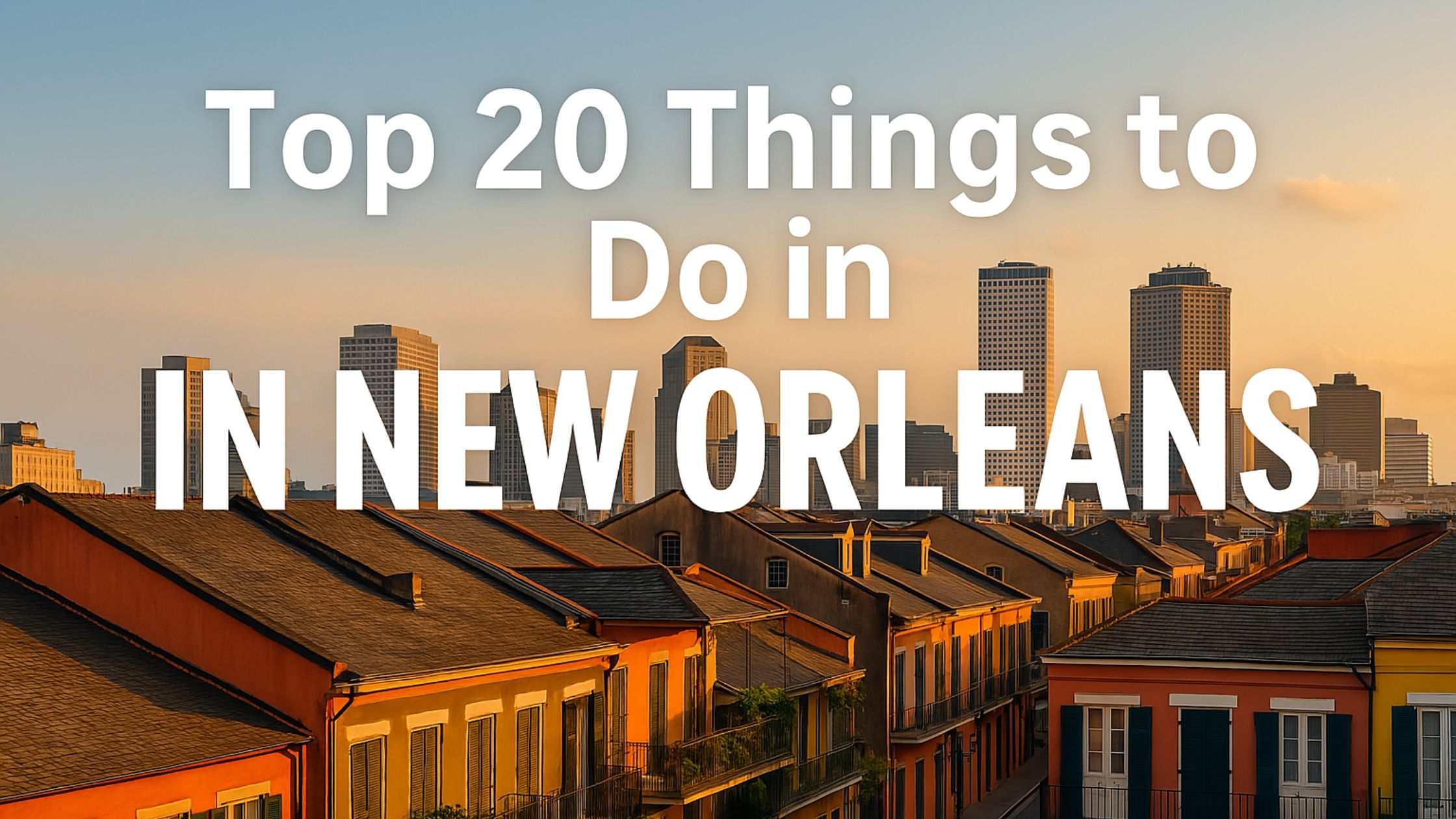
Many American cities rely heavily on tourism revenue, which has led to the introduction of various visitor taxes and fees. Hotel stays often include occupancy taxes that can add a noticeable percentage to the advertised room price. Some destinations also charge tourism improvement fees, convention center taxes, or special district surcharges that support local infrastructure and marketing programs. Cities such as San Francisco and New Orleans are known for relatively high lodging tax rates compared with smaller destinations. While these fees may appear small individually, they accumulate quickly across accommodation, dining, and entertainment expenses. Travelers sometimes discover that the final price of a hotel stay is significantly higher than the original booking cost due to these added charges. As cities continue investing in tourism promotion and infrastructure, these taxes remain an important source of revenue, but they also contribute to the growing perception that visiting major U.S. destinations is becoming increasingly expensive.
Travelers Are Beginning to Look for Alternatives
As travel costs continue to rise in major U.S. cities, many visitors are beginning to rethink where they spend their vacation budgets. Instead of focusing on traditional high-profile destinations, travelers are exploring smaller cities or emerging locations that offer similar cultural experiences at lower prices. Places like Nashville, Kansas City, and Pittsburgh have gained attention for their vibrant food scenes, music culture, and historic neighborhoods without the extreme price levels of larger cities. Travelers are also spending more time comparing hotel deals, using travel rewards programs, and planning trips during off-peak seasons to reduce expenses. While iconic cities such as New York or San Francisco remain popular, rising costs are gradually changing travel patterns. Many visitors now prioritize value and affordability, choosing destinations where their budgets allow them to enjoy more experiences rather than limiting activities due to high prices.








![[IMAGE: Best Travel Apps for Stress-Free Adventures United States]](https://www.mathhotels.com/wp-content/uploads/2025/09/608_Best_Travel_Apps_Stress_Free_Vacation_Hero.jpg)