

The New Era of Retired Women’s Travel Choices
For many, the idea of early retirement has always been tied to a specific image: selling the big house, moving to a manicured condo in an overpriced Florida coastal market, and letting the days blend together over golf carts and early bird dinners. While this might sound safe and predictable, it also feels a bit stagnant. However, with the realities of 2026 travel and relocation costs, that old default plan is no longer viable.
The rising insurance premiums in hurricane zones, the steep inflation in traditional expat havens, and a growing desire for genuine connection over curated comfort have led many retired women to rethink their approach. Instead of sticking to the path of least resistance, they are now choosing locations with purpose. This shift reflects a broader trend where sociologists and travel economists note that this demographic is increasingly prioritizing cultural integration, physical challenge, and skill acquisition over passive resort lounging.
San Miguel de Allende, Mexico
San Miguel de Allende has long attracted retirees, but it is now replacing the traditional, isolated coastal expat hubs by focusing on community and artistic growth. Cultural researchers highlight that the city’s high density of art schools, writing workshops, and volunteer organizations offers an intentional daily structure that the old beachside default lacks.
Travelers are moving here not just to relax, but to participate actively in a vibrant, creative society. Economic analysts note that while the city has seen a rise in housing-driven lodging pressure, long-term budgeting remains highly manageable compared to stateside retirement markets. Favorable currency effects allow retirees to access high-quality living and excellent private health care without the crushing costs of the US system.
This destination offers colonial architecture, steep cobblestone streets, and an incredibly robust international community. However, the primary tradeoff is the physical demand of the environment and increasing regional price variations. Physical therapists point out that the high altitude and uneven streets require a strong level of mobility and fitness. Additionally, the popularity of the city means that costs in the immediate historic center carry a significant premium compared to the surrounding neighborhoods.

Cuenca, Ecuador
Cuenca offers a high-altitude, culturally profound alternative for retired women seeking a structured, engaged lifestyle over the chaotic disruption risk of more transient destinations. According to heritage institutions, the city’s UNESCO-recognized historic center serves as a living museum where daily life is deeply intertwined with Andean traditions.
Visitors are drawn here to intentionally learn Spanish, navigate local markets, and integrate into the local rhythm. Healthcare analysts emphasize that the city is renowned for its high-quality, affordable private health access, which is a massive driver for older travelers. This infrastructure reliability provides a safety net that encourages long-term stays. By choosing Cuenca, travelers actively avoid the intense inflation exposure of Western hubs, making long-term budgeting highly predictable and stress-free.
The city features a sprawling riverfront, distinct four-season spring-like weather, and a fiercely proud local culture. A significant tradeoff involves intense climate stress regarding altitude and complex administrative rules. Risk analysts warn that adjusting to the 8,500-foot elevation can cause severe health issues for the unacclimated. Furthermore, navigating the residency or long-term entry rules often requires specialized local legal assistance, which can be a frustrating process.

Chiang Mai, Thailand
Chiang Mai provides a serene, intellectually stimulating base that sharply contrasts with the loud, party-focused atmosphere of standard Southeast Asian beach resorts. Tourism studies suggest that retired women are drawn to the northern capital specifically for its focus on wellness, meditation, and traditional crafts.
This deliberate focus transforms a trip from passive consumption into an intentional pursuit of personal growth. Economic researchers report that the local cost of living allows for an incredibly high quality of life, allowing retirees to rent spacious apartments and enjoy frequent dining out on a modest pension. The city also avoids the severe housing-driven lodging pressure found in more crowded digital nomad hubs, offering a relaxed, community-focused pace.
This northern capital is known for its misty surrounding mountains, hundreds of active Buddhist temples, and a deeply engrained wellness culture. The major tradeoff is the severe seasonal climate stress and language barriers. Environmental scientists note that the annual “burning season” creates hazardous air quality, essentially forcing residents to relocate for several months each spring. Outside the main tourist zones, managing daily logistics requires at least a basic understanding of the Thai language.
Oaxaca, Mexico
Oaxaca is chosen by intentional travelers prioritizing deep culinary and indigenous cultural immersion over the superficial luxury of the old default coastal markets. Anthropologists and culinary historians point out that the region requires time and patience to truly understand its complex foodways and craft traditions.
Women traveling here are often focused on learning—whether taking cooking classes from local matriarchs or studying natural textile dyeing. Travel logisticians note that the inland location provides a stable, manageable environment free from the intense crowding and disruption risk of Mexico’s major resort corridors. The regional economy allows for comfortable long-term budgeting, enabling visitors to support local artisans directly rather than funneling money into international hotel chains.
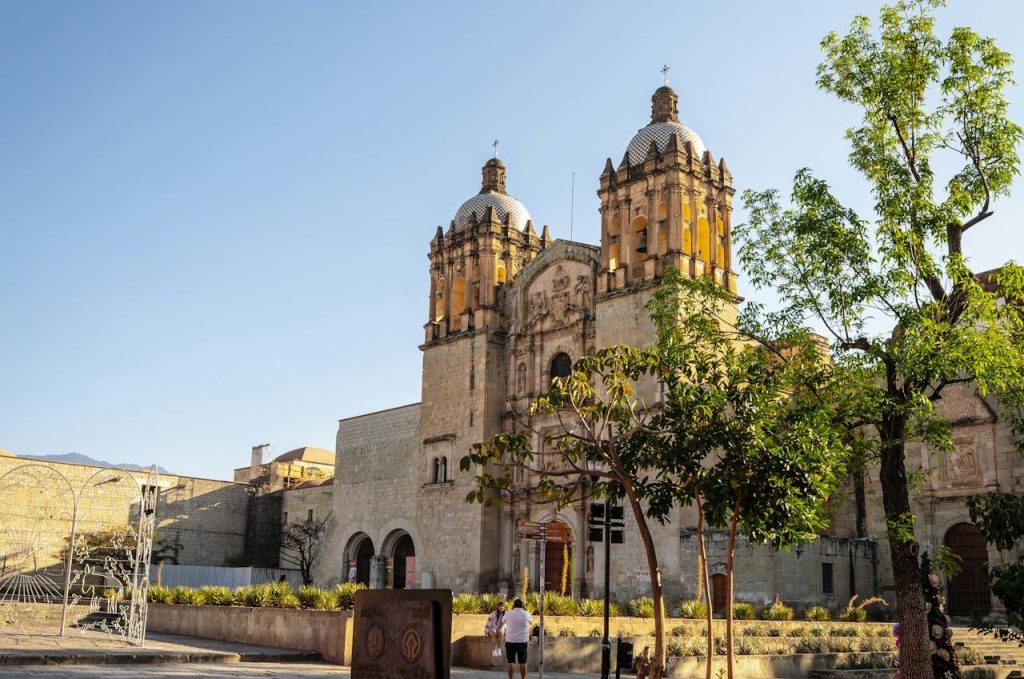
The region is defined by vibrant colonial facades, ancient Zapotec ruins, and an unparalleled culinary heritage. The tradeoff involves occasional political stability concerns and the intensity of the rainy season. Security experts advise that local protests can sometimes disrupt transit and close highways, requiring flexible travel plans. The summer months also bring heavy rains that can complicate rural exploration and outdoor activities.
Luang Prabang, Laos
Luang Prabang serves as a deeply spiritual, quiet retreat that entirely discards the frantic energy of major global capitals. Heritage institutions describe the town as a perfectly preserved blend of traditional Lao architecture and French colonial influence, operating at a remarkably slow, deliberate pace.
Women traveling here often prioritize inner peace, reflection, and a deliberate disconnection from the fast-paced modern world. Tourism researchers highlight that the town’s small scale inherently limits crowding and housing-driven lodging pressure, ensuring a peaceful experience. The cost of living is exceptionally low, and the lack of aggressive commercialization allows for a gentle, unforced integration into the local culture.
This location offers the daily alms-giving ceremony, thick jungle landscapes, and the slow flow of the Mekong River. A critical tradeoff involves geographic isolation and limited private health access. Medical professionals warn that the local healthcare infrastructure is extremely basic, and any serious medical emergency requires a flight to neighboring Thailand. This disruption risk requires travelers to carry comprehensive, high-limit medical evacuation insurance.





![[IMAGE: Best Travel Apps for Stress-Free Adventures United States]](https://www.mathhotels.com/wp-content/uploads/2025/09/608_Best_Travel_Apps_Stress_Free_Vacation_Hero.jpg)