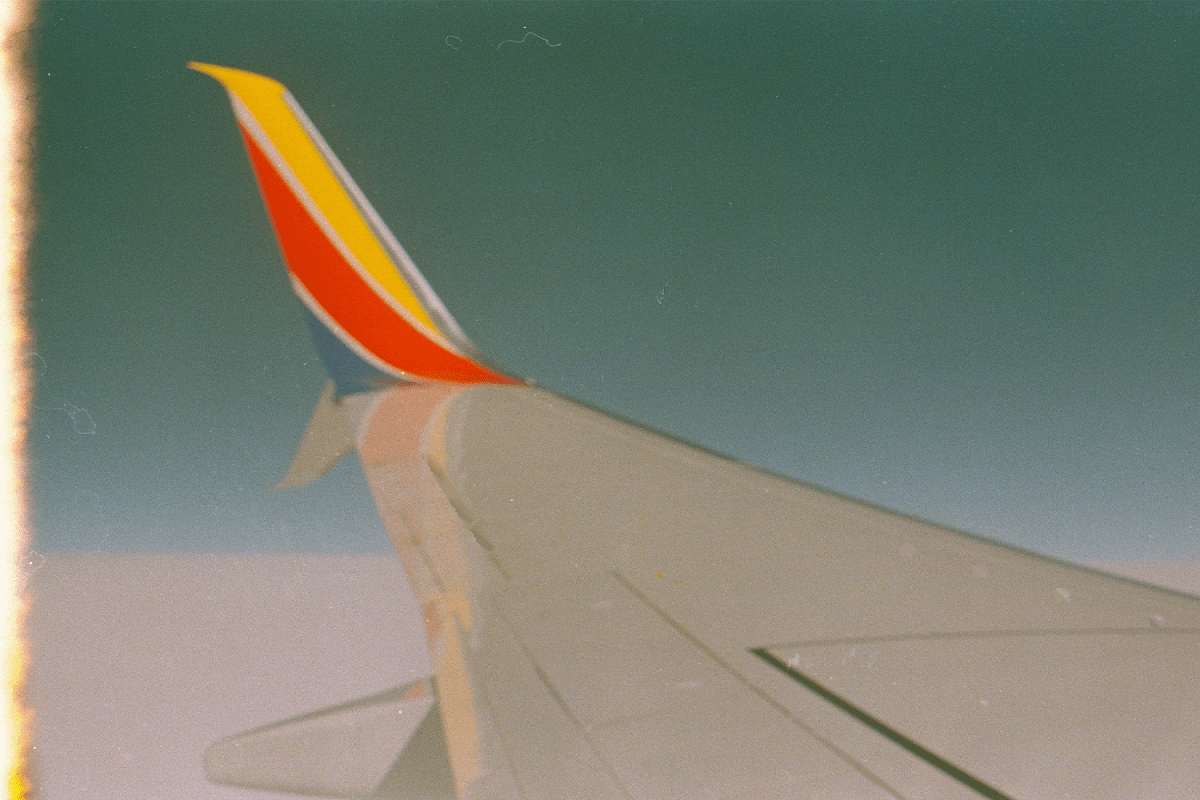
Last month, following 54 years, Southwest Airlines formally discontinued its open-seating policy. As anticipated, the decision sparked a wave of responses, with many of the airline’s most dedicated passengers expressing their dissatisfaction. One traveler described it as a financial maneuver, statingThe New York TimesI prefer the other approach. I enjoy the excitement of having to check in, aiming to secure a spot for Group A in the first round.” Another person expressed that Southwest had now “become just like any other airline.
However, this doesn’t seem to be completely accurate. In fact, Southwest has not only implemented assigned seating — it has become one of the strictest advocates of it.
According to View From the Wing, on a recent trip with just26 passengers, six individuals were given seats in the same row, along with “three specific notices advising against changing seats.”
Customers at Southwest have mentioned that if they are seated in the middle and the window seat beside them is vacant, they are reprimanded for not moving into it,” wrote Gary Leff. “They cannot leave that middle seat empty between the passenger sitting by the window and the one by the aisle. You must remain in your originally assigned seats. They have even been informed they couldn’t use an empty seat next to them for their lap infant.
Of course, a policy is a policy. However, most airlines tend to be somewhat flexible when a flight isn’t at capacity — as long as you make the request, do so before takeoff, and don’t switch cabins or essentially upgrade yourself. Delta Air Lines, for instance, clearly states: “If you want to move to an empty seat within your booked cabin/seat class during the flight, please speak with a flight attendant — any changes are up to the crew’s judgment and depend on safety factors.”
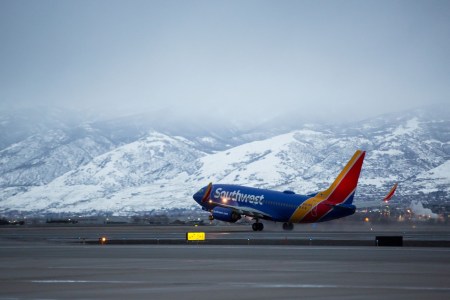
Southwest’s new strategy offers minimal space for such subtlety. This is also clear in how the airline has updated its“customer of size” policy, which now requires larger passengers who cannot fit in a single seat to buy a second one even if the neighboring seat is vacant. Travelers may ask for a refund after the flight, but only if the aircraft wasn’t fully occupied. In the past, Southwest permitted — though did not mandate — travelers to buy an additional seat and would provide a refund even when the plane was full.
To clarify, this policy is not significantly different from what other companies in the industry have in place. Most major airlines require passengers who cannot comfortably fit into one seat to buy an additional one, mainly for safety and comfort purposes. The reason for the negative reaction is that Southwest has historically been different. Many plus-sized travelers selected this airline because of its more welcoming approach.
“Southwest was the sole source of hope for many individuals who would not have been flying otherwise,” said Tigress Osborn, executive director of the National Association to Advance Fat Acceptance.The New York Times.
Although it’s evident these modifications are intended to increase income, the approach is somewhat unusual. Open seating was the characteristic that distinguished Southwest — and a major factor in why many travelers stayed strongly loyal. Focusing more on strict enforcement, especially on flights that are nearly empty, probably won’t assist the airline in regaining those customers. In fact, it could potentially push away the passengers who previously viewed Southwest not merely as another airline, but as a pleasant alternative.
More Like This
The U.S. Department of State’s Travel Warning Suggests Your Destination May Not Be Secure — Should You Adjust Your Itinerary?
Your “Undiscovered Treasure” Is Someone Else’s Home Town
Is Finland the Solution to American Discontent?
A Small Passport Mistake Might Ruin Your Holiday
This article was featured in a MathHotels.com newsletter.Sign up for freeto learn more about travel, health, fashion, drinking, and culture.
The post Why Plus-Size Travelers Are Frustrated With Southwest Airlines appeared first on MathHotels.com.