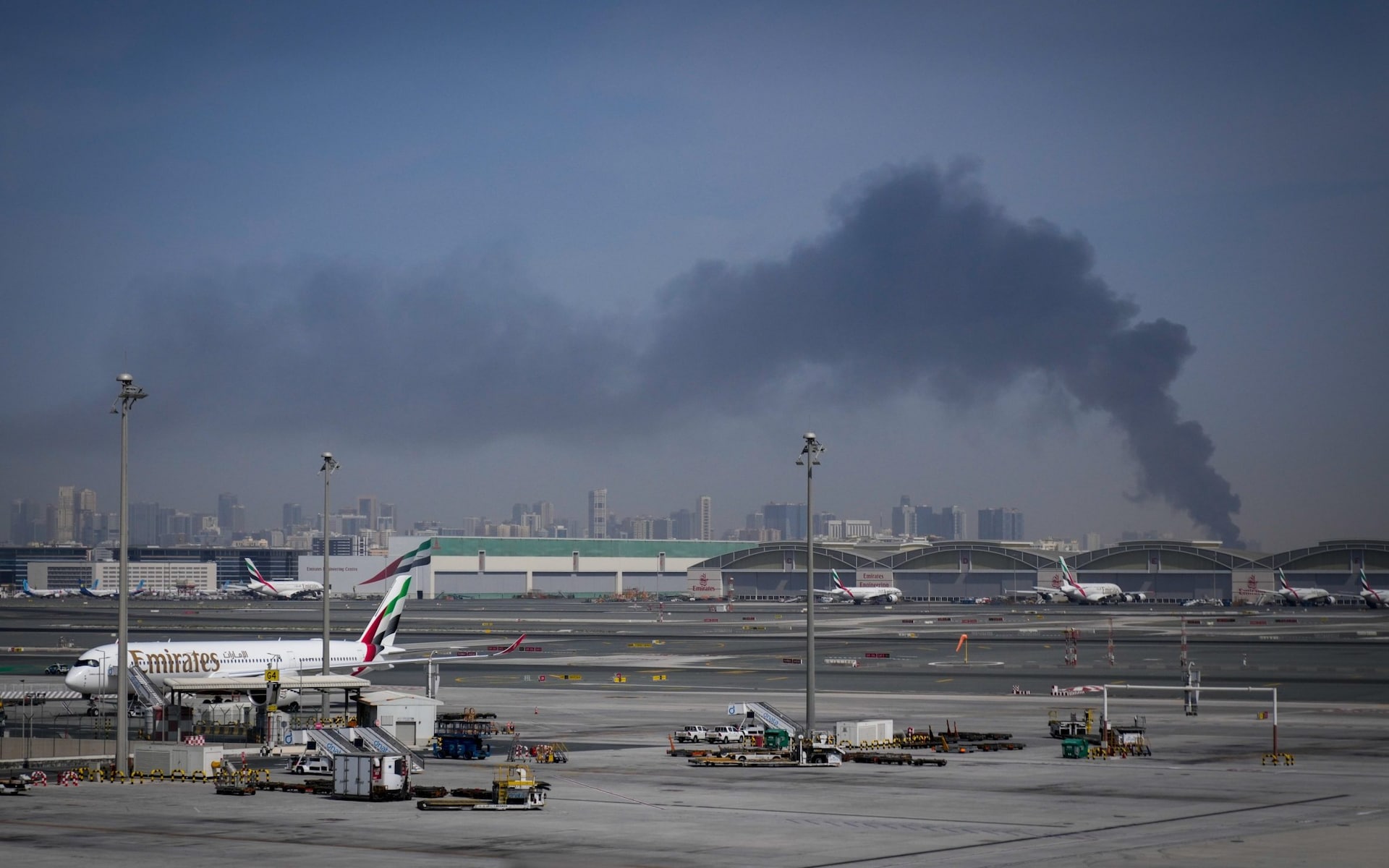
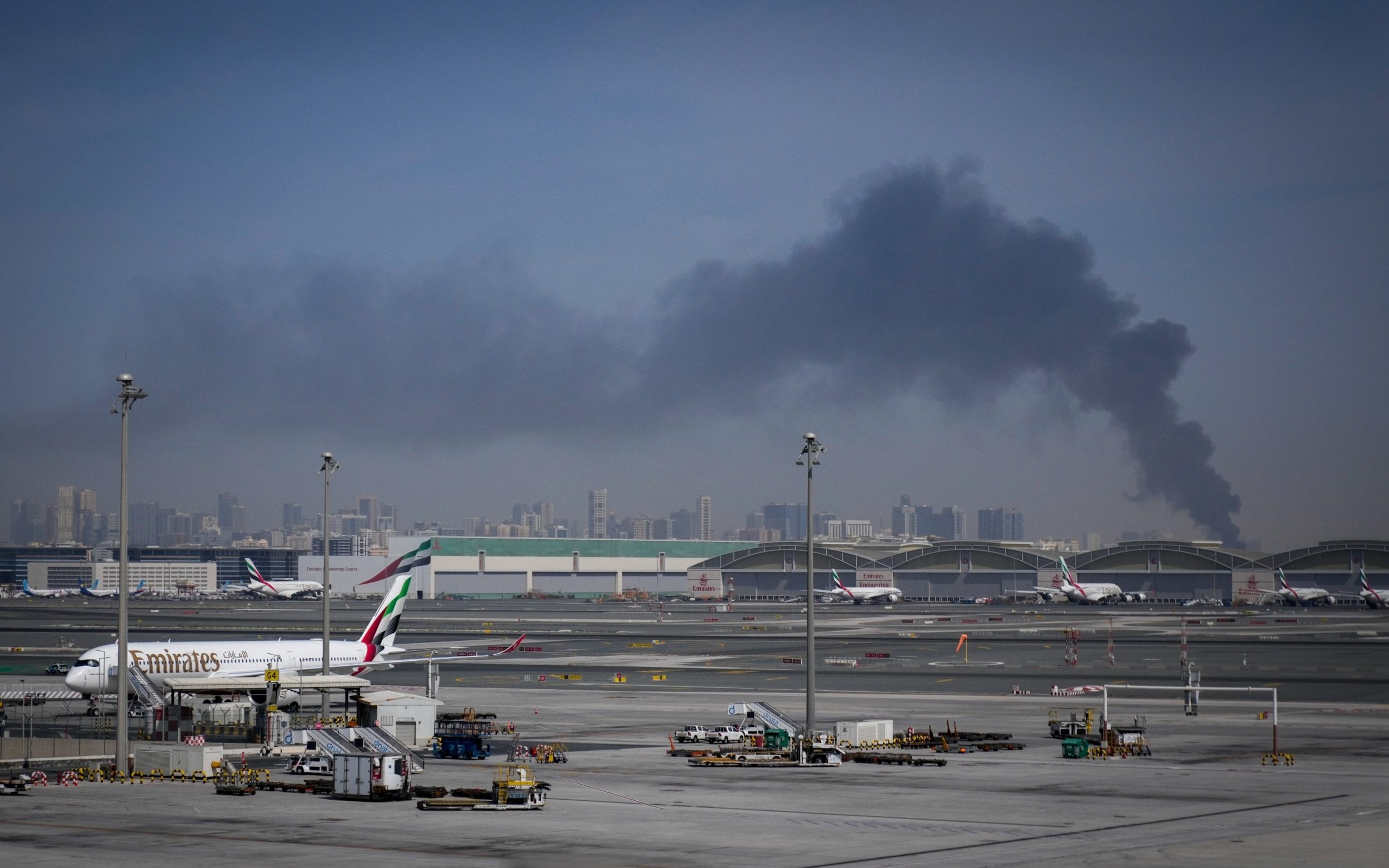
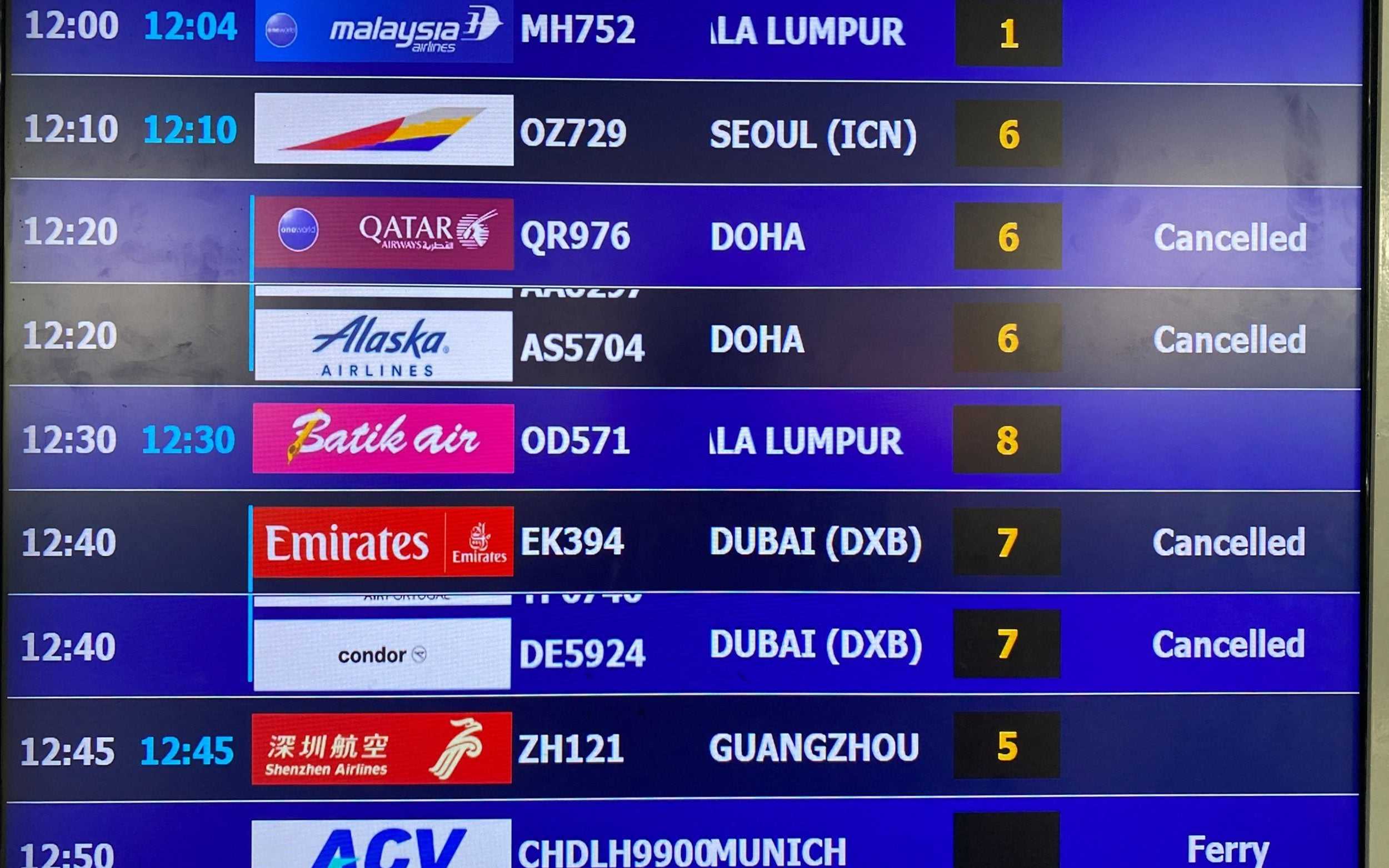
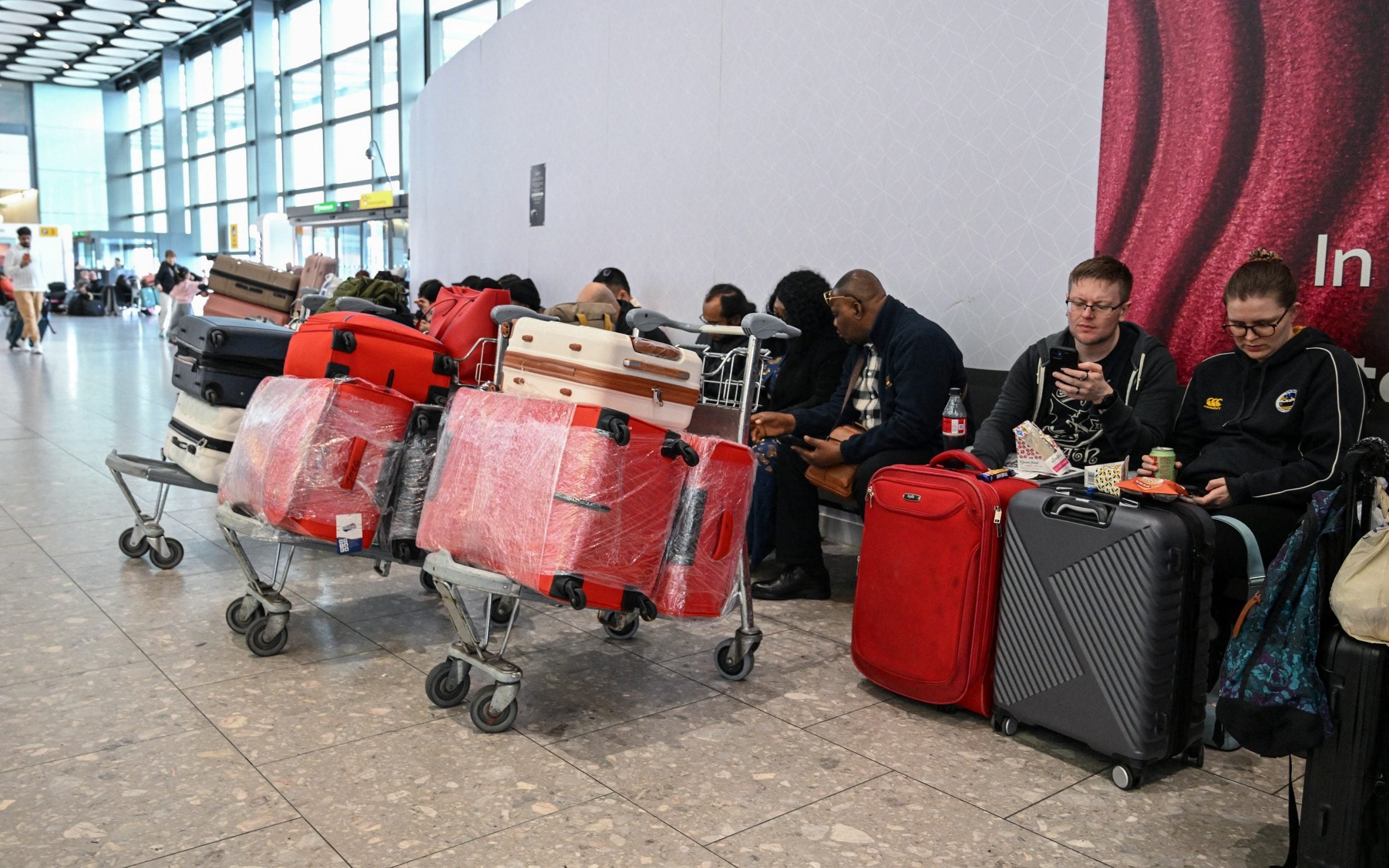
Nothing causes havoc for international air travel like armed conflict. Just witness the scramble in the Middle East this week, when thousands of Western travellers were left searching for alternative routes home after Iranian drones and missiles caused chaos across the region, including the closure of the world’s busiest international airport.
Realistically, it shouldn’t be too long before the likes of Dubai and Doha airports get back on their feet. Indeed, limited services began taking off on Monday, albeit at inflated prices. But could the latest bout of instability have a more lasting impact on air travel, hitting travellers in their pockets for many months to come?
Right now, things remain highly uncertain in the Middle East. But take a straw poll of aviation experts and you’ll likely end up with the same answer as to what tensions might mean for long-haul travel – and it isn’t good news.
Dodging disaster
Higher fuel prices are one factor. But these days most airlines have specialised departments whose job it is to hedge these kinds of financial risks. Even if oil prices do end up exceeding $100 per barrel (as some analysts have predicted they might, up from around $75), that alone shouldn’t be enough to cause major headaches for airlines.
Instead, the bigger problems could stem from wider geopolitical issues, and the need to adapt routes to avoid stray missiles. That would be difficult enough at the best of times, but particularly so when the trouble is occurring in one of the busiest regions on earth for aviation.
What does it mean if airlines have to avoid the Persian Gulf region entirely? In theory, they can take a detour to avoid the problematic airspace. But that isn’t exactly without complications. Longer routes mean higher fuel costs, making some of the world’s busiest routes more expensive than ever for the big international airlines.
But if the alternative is putting their aircraft and passengers at risk, they will have no choice. “No airline is ever going to put its crew, its passengers or its aircraft knowingly in harm’s way,” says Henry Harteveldt, founder of US-based aviation consultancy Atmosphere Research Group.
We’ve already seen how airlines will adapt routes to avoid Iranian missiles in the recent past. Just look at what happened last summer, when the Trump administration’s first strikes on Iranian targets led to Tehran launching its own attacks across the Middle East. As planes changed course to avoid the danger spots, some of the busiest long-haul routes paid the price.
In the wake of that first skirmish between President Trump and the Ayatollah, flight times between London and Delhi increased by around 90 minutes – taking them to more than 10 hours in total – as planes were forced to avoid Iranian airspace. Some routes saw even bigger disruption: flights between Tbilisi and Dubai increased by almost three hours.
The £100 surcharge
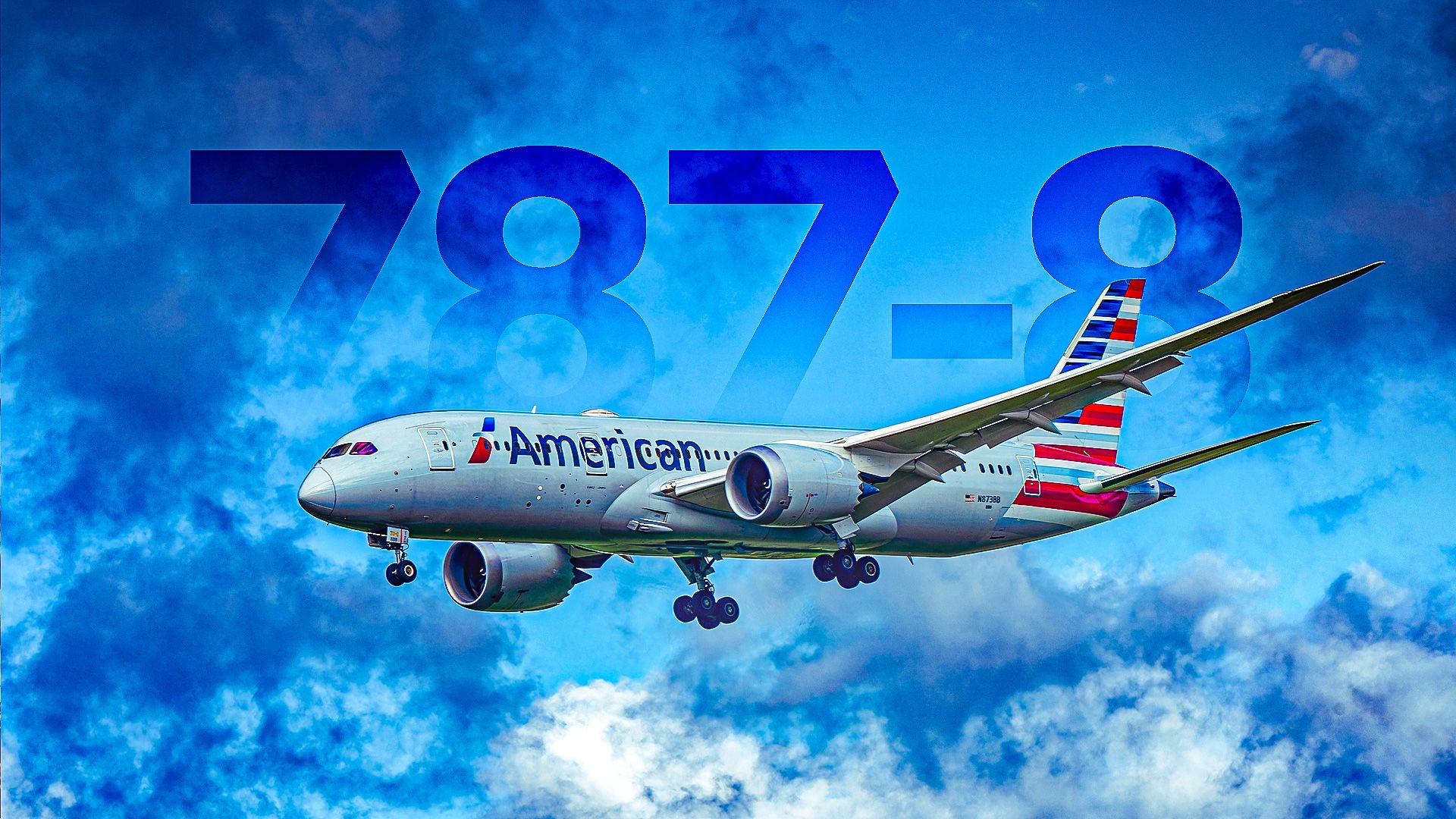
As for the bottom-line cost, industry figures suggest that every extra minute that a wide-body jet needs to spend in the air can cost the airline around £250 more in jet fuel. If you want to work out what that might mean for ticket prices, just divide the extra costs of a 90-minute detour over the number of likely passengers on a Boeing 787 and you’re left with more than £100 per person.
We’ve seen a similar pattern play out before. After Vladimir Putin’s invasion of Ukraine in 2022, European airlines were banned from flying over Russian airspace. They had to adapt their routes, often taking hefty detours across Turkey and Mongolia, at a cost.
Indeed, a 2024 study by Dublin City University found that some Europe-to-Asia routes had become 40 per cent more expensive. In some cases, routes ended up becoming unviable, not least as European airlines had to compete with Chinese carriers that were still permitted to use Russian airspace.
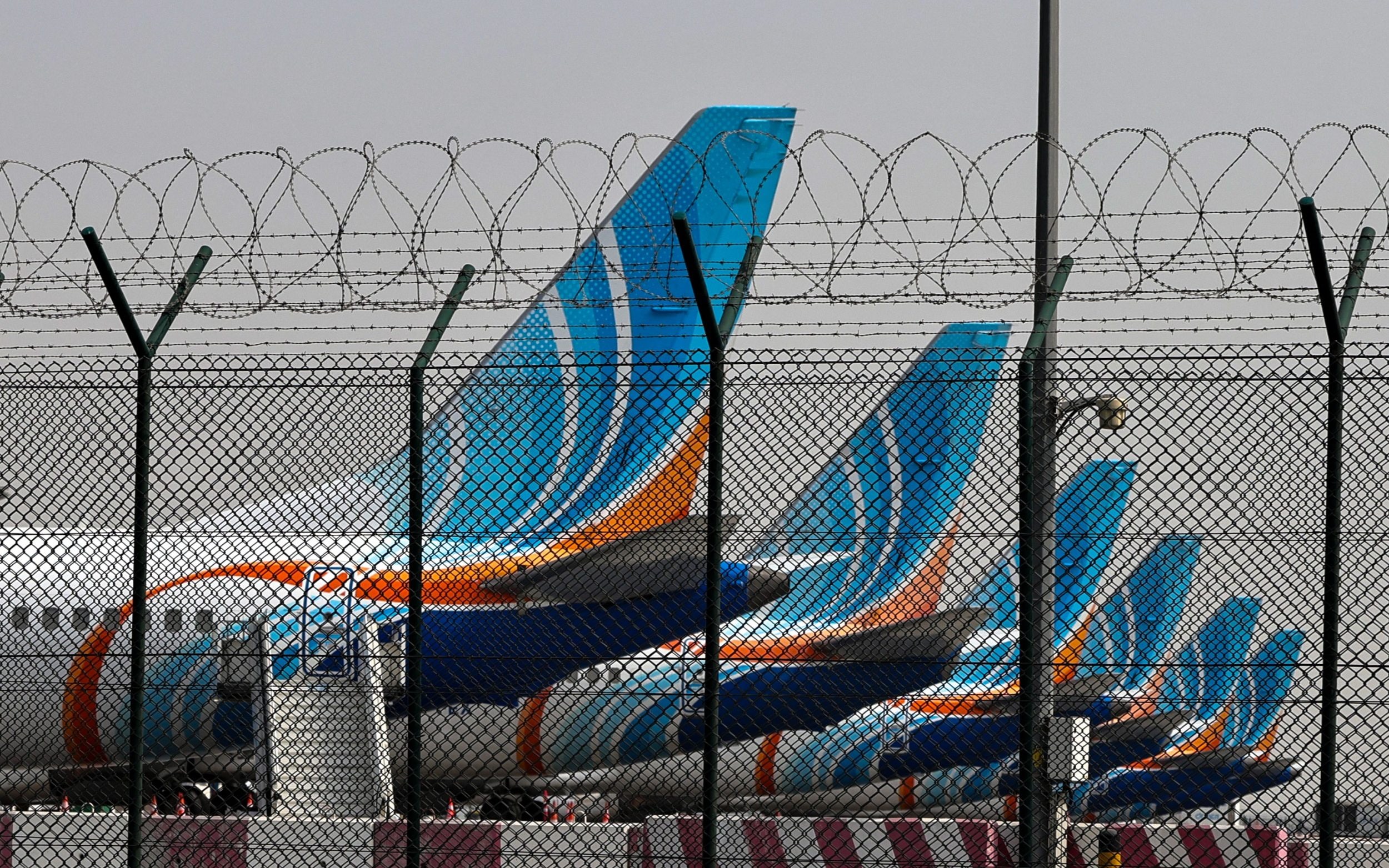
“We saw that in 2022, Finnair suspended services to destinations like Osaka, Sapporo and Busan, as well as reducing frequencies to Tokyo and Seoul. British Airways also reduced flights on some East Asian routes,” says Dr Viktoriia Ivannikova, author of the original study.
Could a similar thing happen with flights that would ordinarily go over the Middle East? For a preview of how things might play out, just look at the flight maps from this weekend, where planes were forced into two narrow funnels, one north and one south, to avoid entering the dangerous airspace over the Gulf and Iran.
Should that situation persist, it would result in longer flight times on many routes, turning those 90-minute delays on a London-to-Delhi flight into a permanent fixture of air travel. What’s more, the added congestion of those narrower flight paths could mean a higher chance of delays and disruption.
A scramble for seats
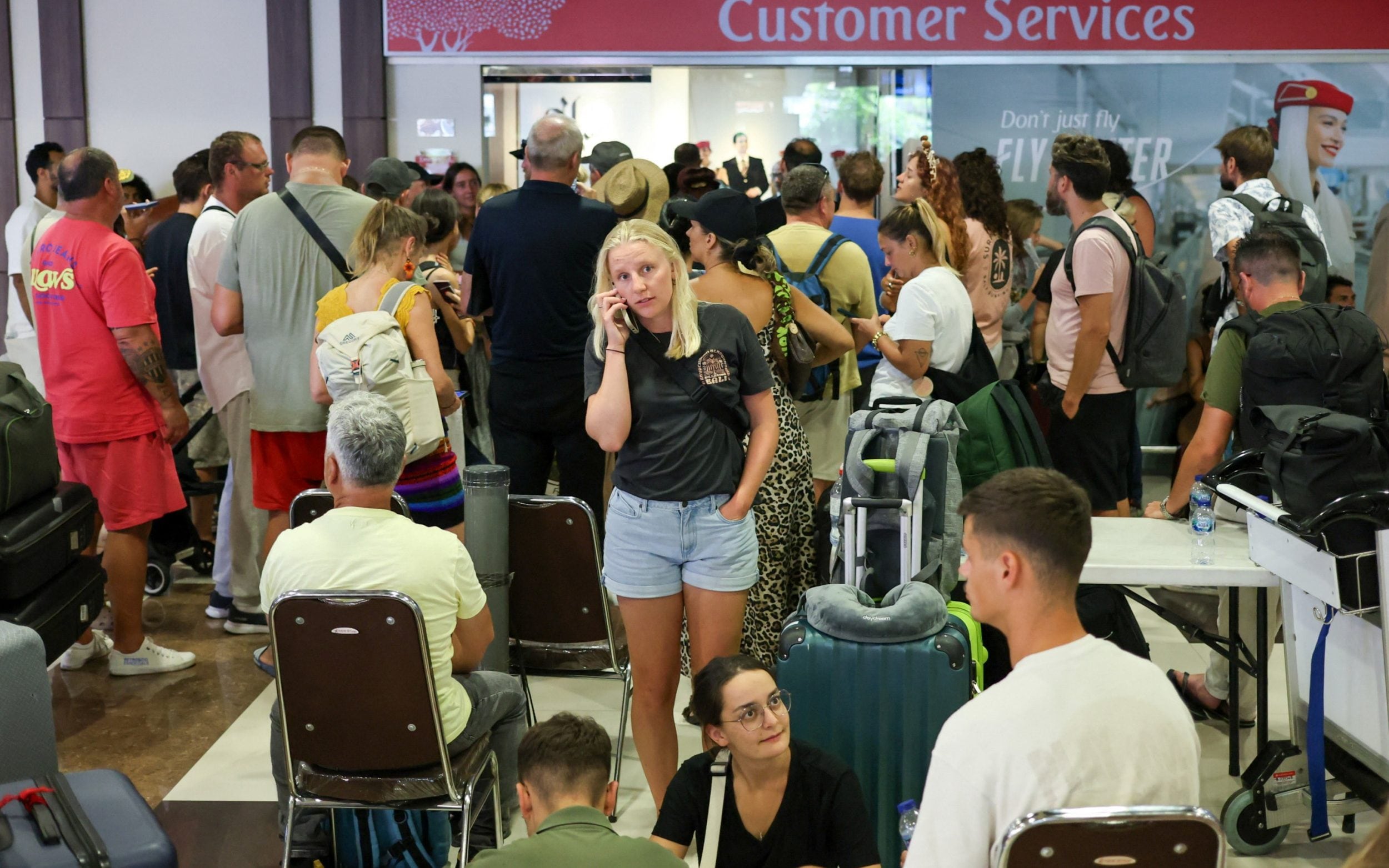
There could be other problems too. Given the number of major international airlines based in the Gulf itself – not least the likes of Emirates and Etihad – a significant military conflict in the region could result in fewer seats on some of the world’s busiest routes, as a result of local airlines being unable to take off.
“The Gulf carriers make a very significant contribution on a lot of east-to-west routes, including London to Sydney, usually using their location to offer stopover services,” says John Strickland, director of aviation consultancy JLS. If those flights are cancelled travellers will be left scrambling to book seats with other carriers, further adding to price pressure.
Of course, that all depends on how the conflict plays out in the weeks ahead. And right now, you’d hesitate to make any confident predictions on that front. Even if things do simmer down, there’s still the risk that they flare up again in future (after all, it was only last year that the Trump administration claimed to have obliterated Iran’s nuclear facilities for good).
Then again, the industry is well used to uncertainty. “Airlines now have to be more flexible in their global routing decisions due to conflict zones, geopolitical tensions and their war risk insurance considerations,” says Matthew Borie, chief intelligence officer with security experts Osprey Flight Solutions. “It’s the new normal compared to two decades ago.”
In other words, if this particular conflict doesn’t add a hefty premium to your flight tickets then count yourself lucky. But it might not be too long before the next one comes along and does just that.