America’s interest in tequila contradicts the current trends influencing the alcohol industry today. Younger customers aredrinking lessthan those who came before them (butare they really?), sending spirits such as rum, whiskey, vodka, and brandy into a “significant decline,” according to a recent report bySipSource. Funds are limited, taxes are steep, and slogans such as Dry January have captured the public’s attention like a sudden wave of sobriety.
Even with the gloomy atmosphere, agave-based spirits show no indication of decreasing in popularity. The category is among the few expected to continue growing.continued growthIn the years ahead, the growing successes of the late 2010s led to continuous victories on liquor store shelves. The time of margaritas and hangover shots was replaced by the glamour of celebrity brands, which were eventually overtaken by the hipster trend toward mezcal and bottles without additives. The latest blessing? The surprising popularity of reposado.
According to Nielsen IQ, the reposado market value increased by 15.1% from 2024 to 2025, surpassing two of the category’s usual top contenders — blanco and gold — by double-digit percentages. This subgroup now makes up 25% of all tequila bottles sold, enhancing its cultural appeal with mentions on the red carpet, in songs, and, perhaps most significantly, at the club. The awareness of the age statement has become so widespread that it even has its own Amazon series called “Tequila Re-Pasado” (Plot summary: “A workaholic must outwit his multiplying clones after a magical tequila sends him back in time — again and again”).
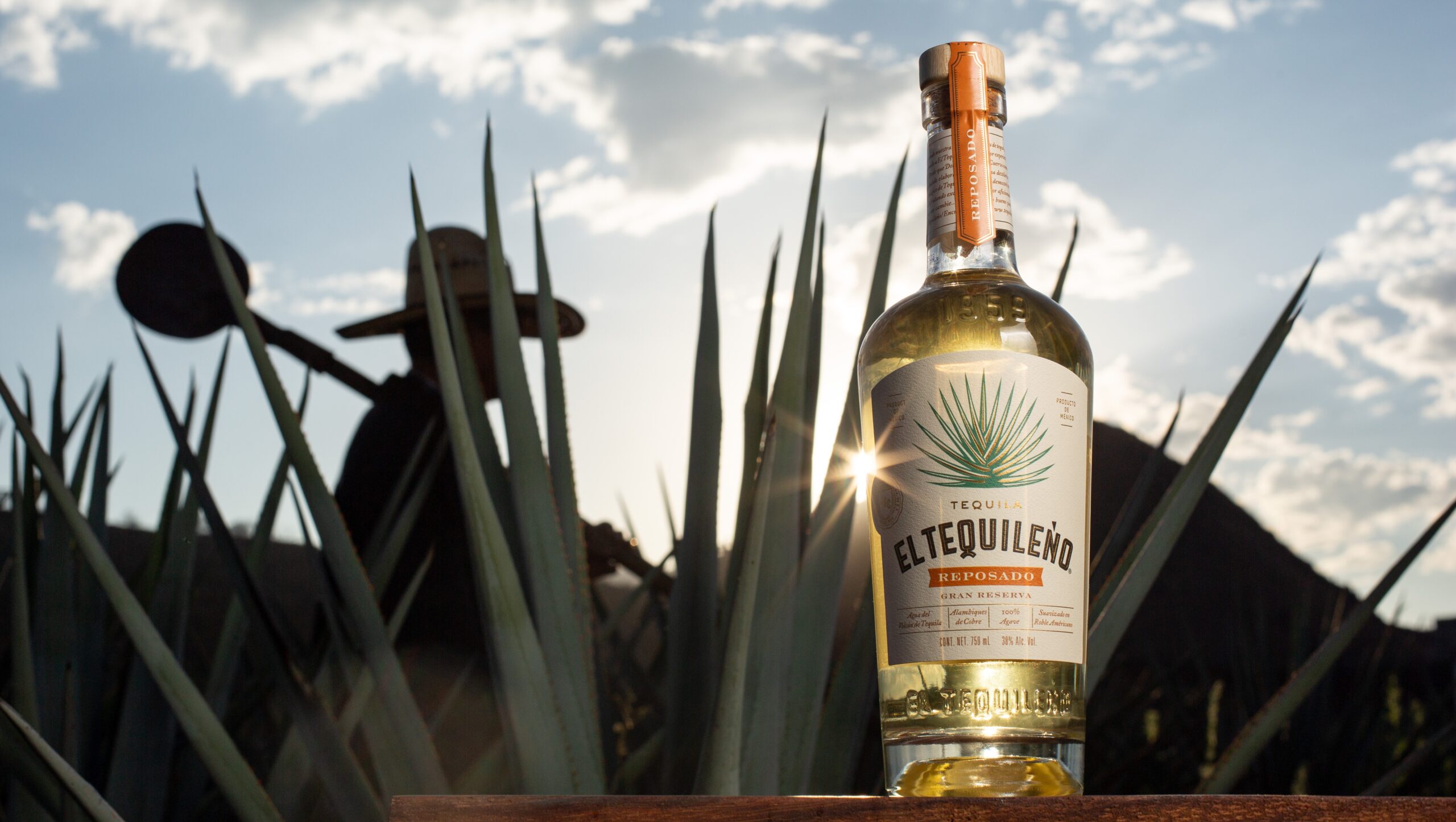
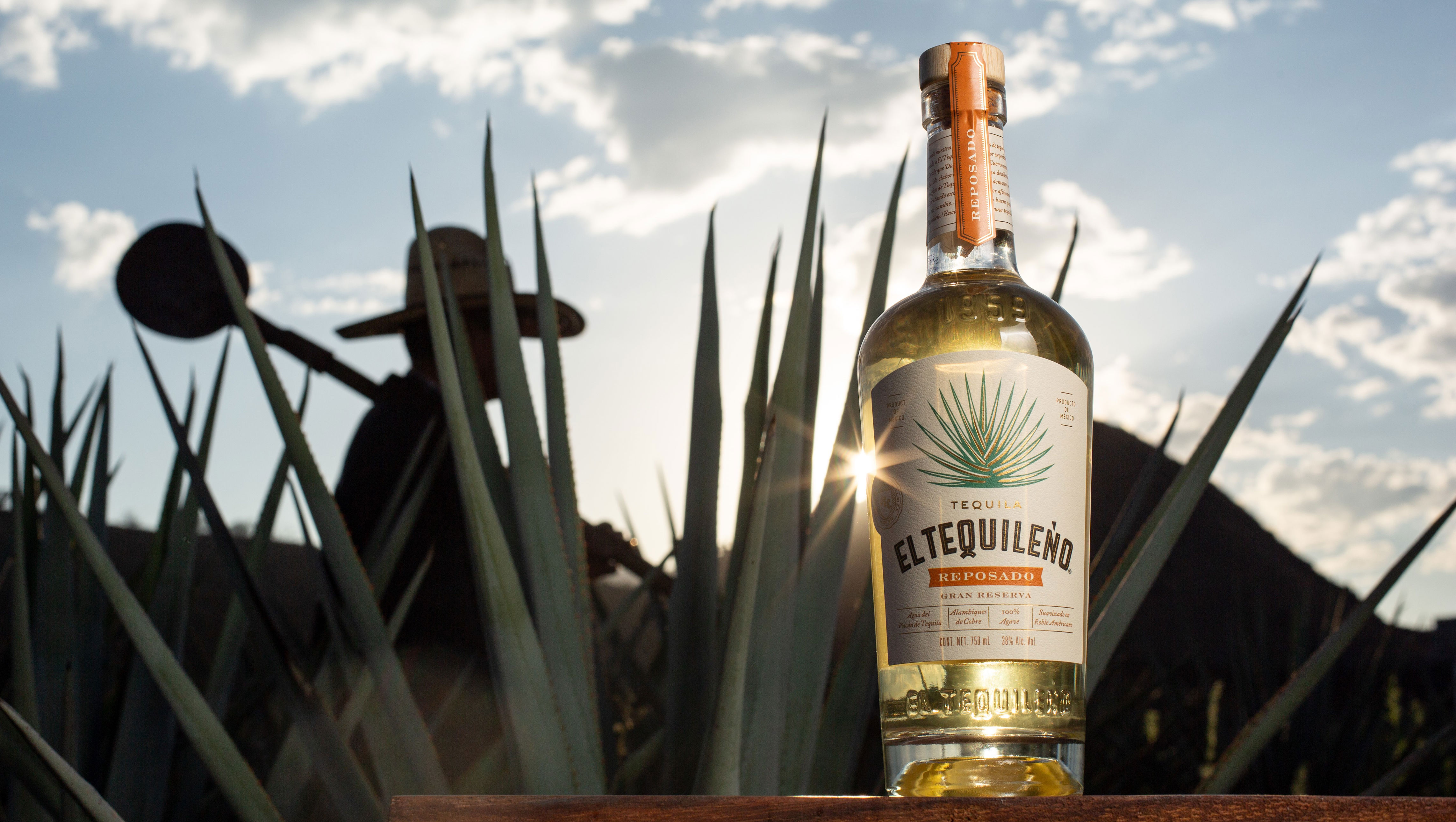
Reposado, which translates to “rested” in Spanish, describes tequilas that have been aged for a period of two to twelve months in oak barrels. Imagine them as a delicately toasted slice of bread. Although reposados are indeed an aged spirit, their light golden color and pastry-like scent imply they exist somewhere between the traditional categories. For those seeking a balance between clear and dark liquor, the reposado offers a unique experience.
Reposados provide the ideal balance. They maintain the freshness of Blanco tequila, while a brief period in barrels introduces a smoothness and comfort, particularly appealing to those accustomed to whiskey or bourbon,” said Steffin Oghene, vice president of international sales at El Tequileño. “They also perform remarkably in cocktails, offering bartenders additional depth without dominating the flavor.
In Mexico, Reposado has been a staple in daily tequila traditions for a long time. It is valued for the way the wood aging process softens the agave flavor without altering it, making it enjoyable to have with meals, at social events, or simply relaxed.
Similar to many aspects of the spirits industry, the precise definition can be inconsistent. Authorities have specific guidelines on what qualifies as a reposado, resulting in some products being in an ambiguous category.El Tequileño Reposado Rare, a 6-year-old collectible that can sell for more than $200, does not qualify as extra añejo because of its unusually large aging barrels. The same applies toVolcano of My Homeland X.A.a combination of reposado, añejo, and extra añejo reserves that can only be officially labeled with the age designation of the youngest in the blend.
But you won’t hear distillers complaining. The reposado has become a marketing buzzword on its own, moving from social media posts to bar counters as consumers show off their knowledge of the jargon. Even if people don’t knowexactlyWhat a reposado is (or, for that matter, how to pronounce it), they understand that it represents a level of refinement beyond the basic, lower-shelf options. The added benefit: Reposados are significantly more affordable than their highly aged versions, making them a great “premium” option without the high cost.
“From my time working behind the bar, I’ve noticed customers are leaning towards reposado as it seems more refined yet not overly complex,” says Gonzalo Ramos, a bartender at The Portrait Bar in New York City.
Blanco highlights the natural agave, while añejo emphasizes the influence of oak — but reposado offers a harmonious middle ground. You experience the freshness of agave combined with gentle notes of vanilla, spice, and the richness from aging in barrels. It works exceptionally well in cocktails that focus on the spirit, yet also stands out when enjoyed straight.
Although reposado might be becoming a major player for shots and neat drinking, its role in the world of mixology is still unclear. The three popular tequila cocktails — the Margarita, Paloma and Ranch Water — can all be made with aged tequila, but they are typically not unless otherwise stated. Those looking for a distinctive, easily accessible reposado cocktail might choose theJalisco Flower or the Negroni-adjacent Rositaif their bartender is capable of the job. Neither, however, is especially memorable, nor are others such as the Cantinflas Mustache or Palo Negro.
Rather, reposados are commonly featured in house specials. Their sweet, caramelized agave taste complements dark, almost savory components, setting them apart from the usual citrus in blanco drinks and the numerous Old Fashioned variations using añejo and extra añejo.
Mexi Stone Street, featuring one of the largest collections of agave spirits on the East Coast, utilizes reposado tequila as the main component in its spiced and smoky El Agente, which combines sweet vermouth, peach liqueur, chipotle honey, and lemon. AtSuerte, a staple of Austin’s East 6th Street area, the Wild West blends with 21st-century Texas in the Don Dario (reposado, sarsaparilla and tamarind), while Los Angeles’Damastrengthens the spirit with a blend of Flor De Luna (reposado, amaretto, white cacao, and cinnamon). Guests at Disney World’s Mexico Pavilion can also request a drink containing reposado mezcal, poblano liqueur, and a ginger-peach syrup.
Will reposado ever have a cocktail that’s as popular as the margarita? It’s hard to tell — but perhaps that’s the idea. Tequila has worked hard to be seen as more than just a mixology ingredient, a label that shaped its image for much of the 20th century. It wasn’t until the mid-2010s that the market became what it is today, and even then, popularity was mostly driven by celebrity endorsements and music video appearances rather than the actual quality of the drink.
The appeal of an age statement that appears, feels, and evokes the essence of a high-end product marks a significant shift in the industry, one that distillers are expected to pursue for many years ahead.
Founded by Dan Abrams, The Daily Pour serves as the top resource for modern consumers looking to explore drinks, including spirits, non-alcoholic options, and hemp-based beverages. By offering a distinctive mix of categories and a special rating system that brings together reviews from respected critics online, The Daily Pour has become the go-to expert in assisting people find, evaluate, and appreciate the finest choices in today’s changing beverage market.