The Password Paradox: A Modern Necessity or an Annoying Inconvenience?
In today’s digital age, it seems like every purchase or service requires a password. From buying a train ticket to purchasing a bar of soap, the need for authentication is everywhere. But why does this happen? Is there a real threat that someone might misuse your information, or is it just another layer of bureaucracy designed to complicate our lives?
Take the case of railway tickets. Why would you need a password to buy a ticket? It’s not as if the Chinese are going to secretly book a return trip to Grantham on your Trainline account. Yet, the process of buying a ticket has become increasingly complex. The conditions for purchasing an Advance Supersaver to Tiverton Parkway are so convoluted that only a doctoral student in stochastics could understand them. And when you finally get a printed-out ticket for a reserved window seat in the quiet carriage, you find out that the seat is next to a solid wall with no view at all.
This is a far cry from the days when buying a train ticket was simple. You’d go to the ticket window in the booking hall while your wife and children took care of the luggage. You’d ask for two and two halves to Baldock, without even needing to specify which train you wanted to catch. There was no need to provide a name or a password.
Back then, there was no such thing as traveling incognito by train. Everyone was anonymous, and the only hint of trouble came from the mysterious rubric at the bottom of the ticket: “Not transferable.” But even that didn’t seem too serious. After all, it wasn’t like each member of the family had to buy their own ticket, let alone the dog.
It’s not just trains that have become more complicated. I recently lost my patience while buying some verbena soap. The woman behind the till asked for my postcode, and then she wanted to “check” my surname. Has it really come to this? Do I need to give my name and address to buy a bar of soap? I only managed to stay calm because of my strong desire for verbena soap.
The problem is that we’re now required to buy things online instead of in shops or at booking offices. Secondhand bookshops have closed, and the streets are full of youths on bicycles delivering burgers at odd hours. Even for a free exhibition at the National Gallery, you’re encouraged to purchase a ticket online for £0.00.
Once these outlets have you open an account, they naturally want to protect it with a password. But this comes with its own set of issues. For example, in 2024, there was a hack of the Transport for London website where an estimated 10 million people had their names, email addresses, home phone numbers, mobile phone numbers, and physical addresses stolen.
Back in the day, we didn’t mind having our personal information published in a telephone directory. It was useful and convenient. But now, to buy 100 meters of Gütermann black extra strong thick polyester button thread or a ticket for a performance of James MacMillan’s Stabat Mater, you have to remember your password for Amazon or Ticketmaster.
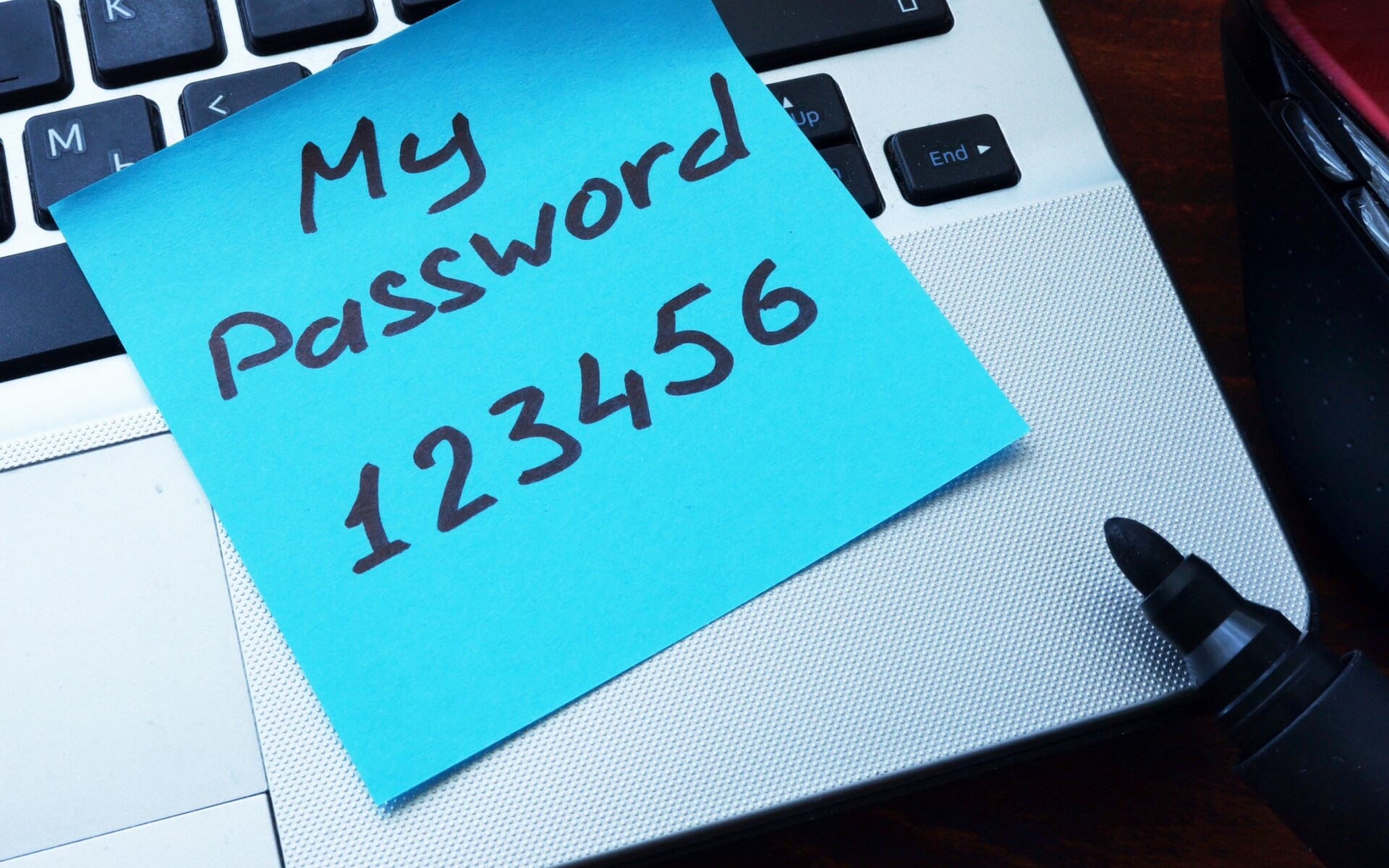
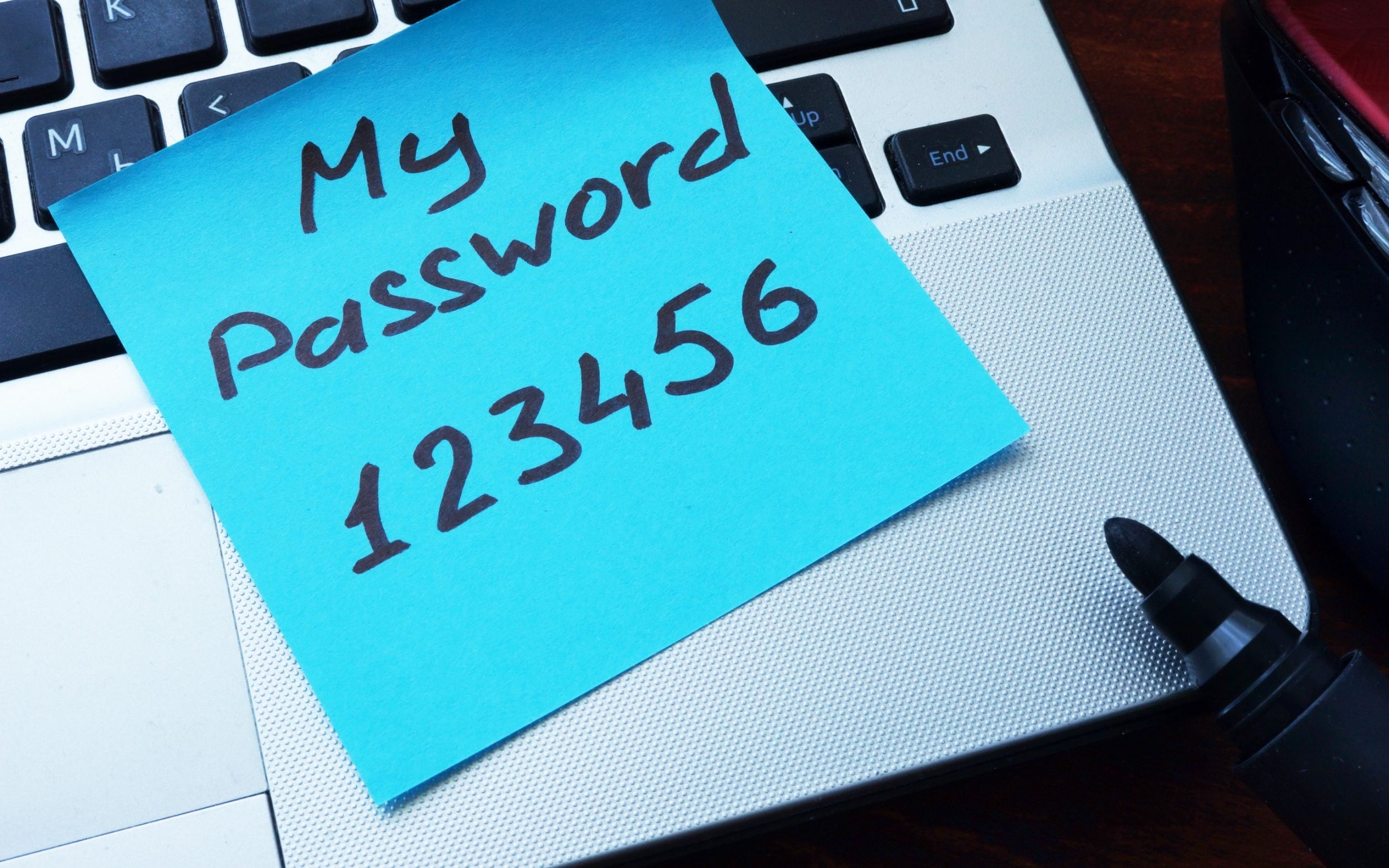
Of course, it’s impossible to remember all these passwords. This leads many of us to use the same password for everything, making us vulnerable to attacks from groups like Scattered Spider, a teenage hacking franchise that wants to extort a ransom to unfreeze your online activities.
Even banks are pushing for online banking, despite millions of data breaches. They don’t want you to visit their branches anymore, preferring to sell them off instead. The need for passwords is often an illusion, giving a false sense of security.
The government’s attempts to push identity cards on us are just another way to collect our private information. These IDs will be controlled by a password, creating opportunities for forgery and fraud. For honest citizens, they won’t work, and we risk becoming non-persons.
In conclusion, while passwords may offer a sense of security, they often complicate our lives unnecessarily. It’s time to question whether the convenience of online services is worth the loss of privacy and the hassle of managing multiple passwords.