
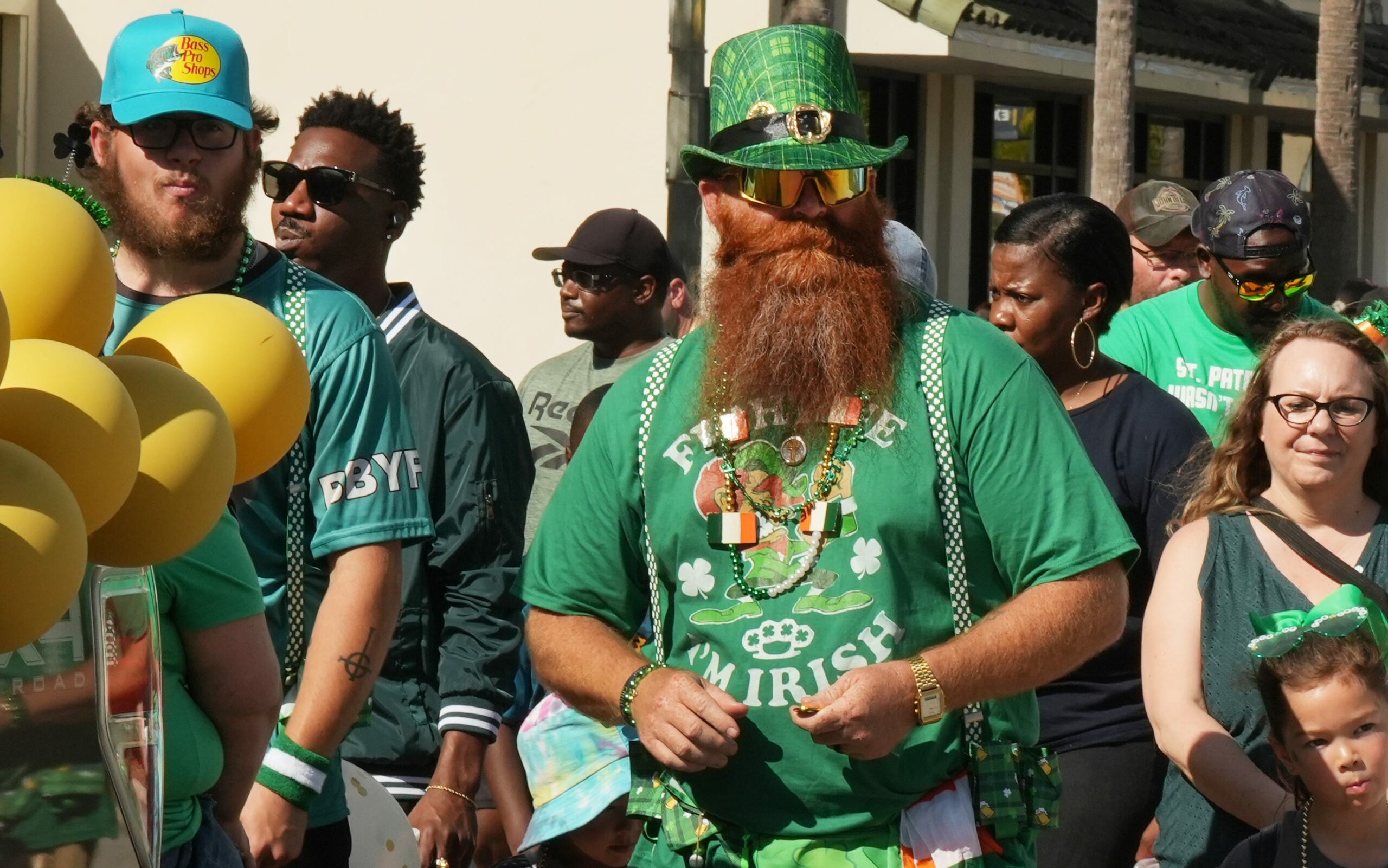
Feeling lucky? St. Patrick’s Day is less than two weeks away, and with it comes a wave of green-themed celebrations across the United States. This centuries-old Irish holiday has become a beloved tradition in many communities, where bars and pubs pour green beer all day, cities host vibrant parades, and people dress up as leprechauns or don green attire to avoid getting pinched.
But did you know that Florida holds a special place in the history of St. Patrick’s Day? The state is home to the oldest St. Patrick’s Day parade in the U.S., a tradition that dates back over 400 years. If you’re looking for a unique way to celebrate, there are plenty of options, from green-themed sports gear to themed treats from popular fast-food chains.
When is St. Patrick’s Day 2026?
St. Patrick’s Day always falls on March 17. In 2026, this date will fall on a Tuesday. For those planning ahead, the month of March 2026 will also include daylight saving time changes and other notable events. Understanding the calendar can help you prepare for the festivities in advance.
Is it “St. Paddy’s” or “St. Patty’s” Day?
The correct spelling is “St. Paddy’s,” though many people mistakenly use “St. Patty’s.” According to linguistic experts, “Paddy” is a colloquial shortening of the name Patrick, which originated from the Gaelic name Pádraig. In Ireland, “Patty” is more commonly associated with the female name Patricia. However, in the U.S., “St. Paddy’s Day” has become the widely accepted term.
It’s important to note that the term “Paddy” took on a negative connotation in the 19th century as more Irish immigrants moved to the U.S. Linguists believe the phrase “paddy wagon” for a police van may have stemmed from stereotypes about Irish people.
Why Do We Celebrate St. Patrick’s Day?
St. Patrick’s Day began as a day to commemorate the death anniversary of Ireland’s patron saint, St. Patrick. Over time, it has evolved into a celebration of Irish culture and heritage, especially in the U.S. While the holiday is rooted in religious significance, many of the traditions we associate with it today—like wearing green and attending parades—have more to do with cultural identity than religious observance.
According to the Library of Congress, St. Patrick’s Day is an Irish and Irish-American holiday that honors the legend of St. Patrick’s death on March 17, circa 492. However, most of the customs we now link to the holiday were not part of its original observance.
Why Do People Wear Green on St. Patrick’s Day?
Wearing green on St. Patrick’s Day has historical roots. In 18th-century Ireland, green became a symbol of Irish rebellion and nationalism under British rule. While the color is closely associated with the holiday, the true symbol of St. Patrick is the three-leafed shamrock.
Historians suggest that St. Patrick used the shamrock to explain the concept of the Holy Trinity to early Irish converts. There is also a superstitious reason for wearing green: the belief that it protects against being pinched by a leprechaun. However, this tradition is more American than Irish, as leprechauns have no real connection to the holiday itself.
Where Was the First St. Patrick’s Day Parade in the U.S.?
The first recorded St. Patrick’s Day parade in the U.S. was held in St. Augustine, Florida, in 1601. This predates the first parades in Boston and New York City by over a century. According to historical records, the celebration was part of a larger feast day honoring St. Patrick, which included spring festivities.
Dr. J. Michael Francis, a historian, uncovered this information in a gunpowder expenditures log from Spain’s Archivo General de Indias (AGI). The documents reveal that the first recorded celebration of St. Patrick’s Day in the U.S. occurred in 1600 in St. Augustine. This makes the city the site of the oldest continuous St. Patrick’s Day tradition in the country.
The 2026 St. Augustine St. Patrick’s Day Parade is set to begin on Saturday, March 14, at 10 a.m. at Francis Field. This event continues a legacy that has spanned over 400 years, showcasing the enduring cultural significance of the holiday in Florida.