The Caribbean is a region filled with thousands of islands, reefs, and cays spread across an area of about 1 million square miles. This vibrant area is home to approximately 7,000 islands, which are divided into four main regions: the Greater Antilles and Lower Antilles, located along a northeast to southeast axis; the Bahamas, just off the coast of Florida; and the Turks and Caicos Islands, situated to the east of Cuba. In 2024, over 34 million tourists visited the region, drawn by the opportunity to explore hidden Caribbean islands, relax on white sandy beaches, or experience some of the most lively nightlife in the world.
The Caribbean is also a hub of biodiversity, hosting a wide range of wildlife. It is home to 700 species of frogs, 59 kinds of bats, twice that number of land-based mammals, and over 550 bird species. The waters teem with 1,300 types of fish, 3,000 distinct lobster variations, and a variety of sharks, aquatic mammals, eels, and other exotic creatures. Many of these animals are endemic to the region, meaning the only way to see them outside of a zoo is to visit one of the best Caribbean destinations for wildlife viewing.
Unfortunately, the fauna of the Caribbean is facing serious threats, with over half of the reptile population having disappeared and every single land mammal endemic to the area now listed as endangered. A total of 1,200 endemic species are currently at risk of extinction. While conservation efforts continue, the best time to experience the region’s natural wonders is now. Here are some highlights of the unique wildlife you won’t want to miss.
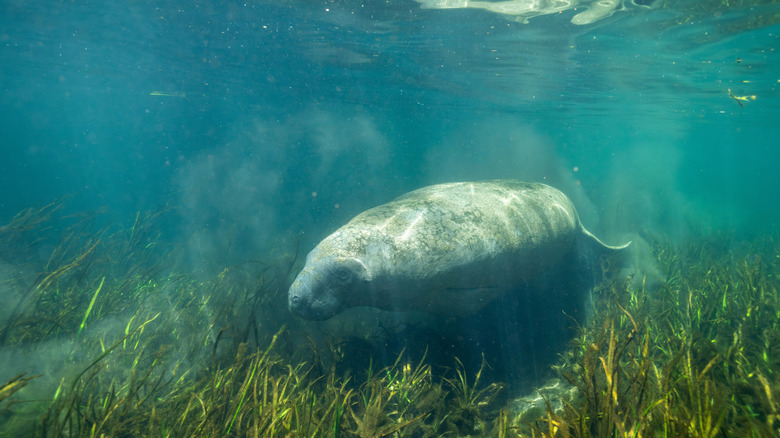
The West Indian Manatee
Christopher Columbus once claimed to have seen a mermaid during his 1492 voyage to the Americas. What he likely saw was a manatee, though he found them less beautiful than expected. Despite this, manatees possess their own unique charm. These gentle giants can grow up to 13 feet long and weigh as much as 1,300 pounds. They are herbivores, curious, and lack natural predators, only attacking humans in self-defense.
The West Indian Manatee prefers shallow waters and mangrove swamps in the Caribbean. You can spot them in places like Belize or Puerto Rico, with Belize being home to the largest population of these creatures. Tours offering sightings of manatees run year-round and cost around $60 per person.
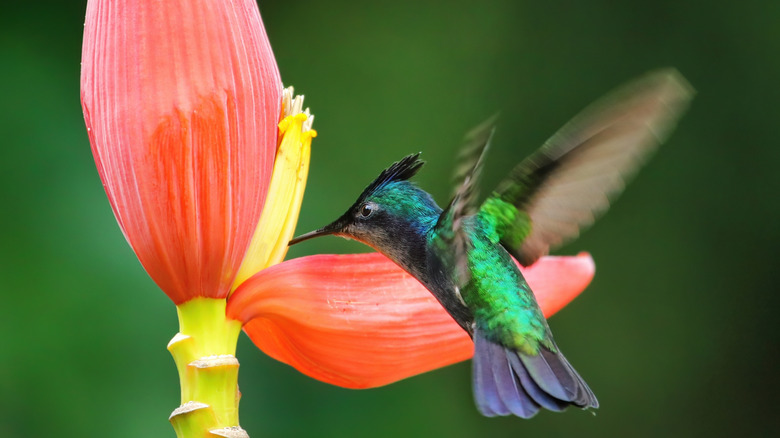
Antillean Crested Hummingbird
Hummingbirds are known for their incredible abilities, including flying backwards, traveling in one direction while looking in another, and eating twice their body weight daily. The Antillean Crested Hummingbird stands out due to its distinctive crest, which is rare among hummingbirds. These birds are found across the Lesser Antilles, with Barbados and parts of Puerto Rico being prime spots for sightings.
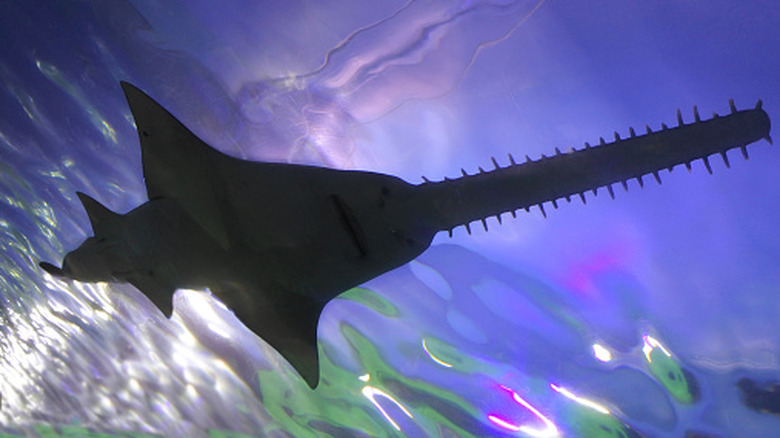
Smalltooth Sawfish
The smalltooth sawfish is named for its saw-like snout, which is covered in serrated teeth. Though it resembles a shark, it is actually a type of ray. This critically endangered species is rarely seen, but the waters south of Florida and the Bahamas offer the best chances of spotting one. Andros Island, located between Miami and Cuba, is another potential location.
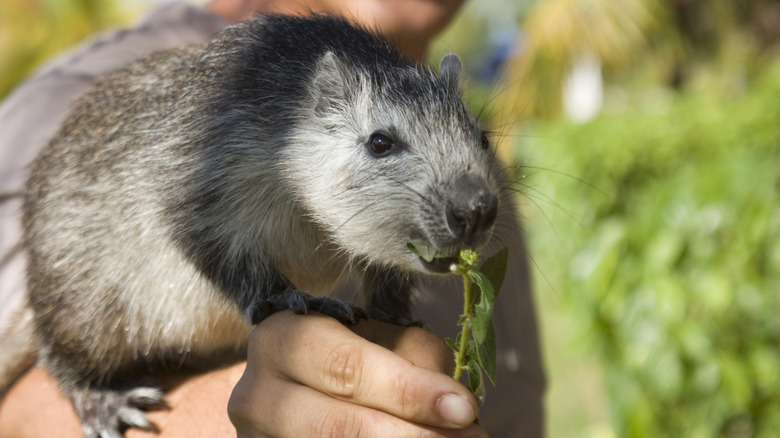
Cuban Hutia
The Cuban Hutia is a native rodent found in Cuba, often resembling a capybara. Once considered a delicacy, it is now protected due to hunting prohibitions and a declining population. These creatures are commonly found in mangrove swamps near Guantanamo Bay, though access to the area is restricted. They are not aggressive but should be observed from a distance.
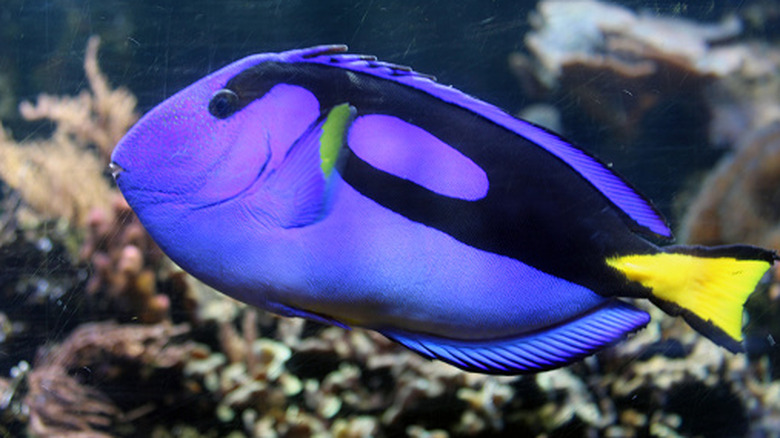
Blue Tang
The blue tang is a recognizable fish found in the Caribbean, known for its striking coloration. While they begin life as yellow fish, they transition to blue as they mature. Certain species, such as the Nassau blue tang, are found in warmer waters like the Bahamas. These fish are toxic if eaten and have venomous spines, making it important to avoid touching them.
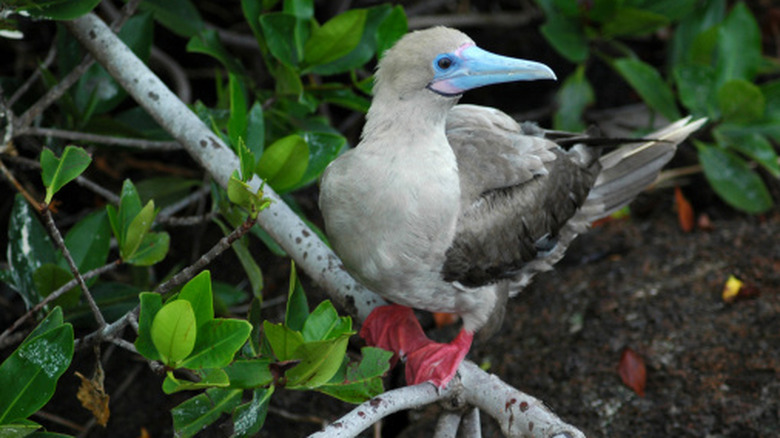
Red Footed Booby
The red-footed booby is a tropical bird known for its bright blue beak and red feet. It is a strong flier, capable of traveling up to 100 miles in search of food. While the Galapagos Islands have the largest colony, these birds can also be spotted in the Caribbean, particularly around the reefs of Belize and the shrub lands of Cuba.
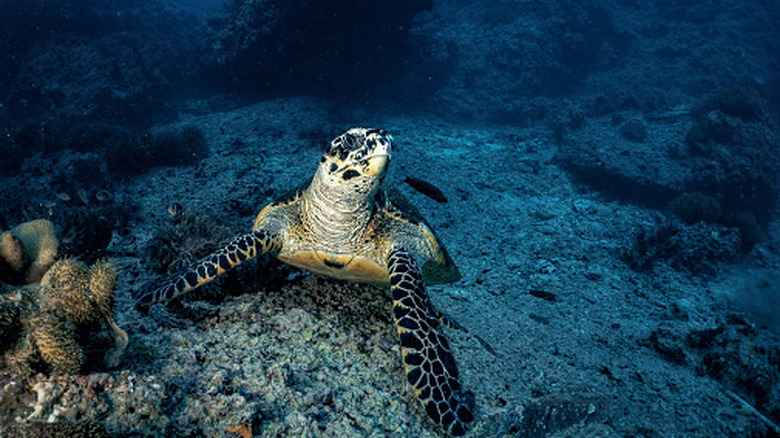
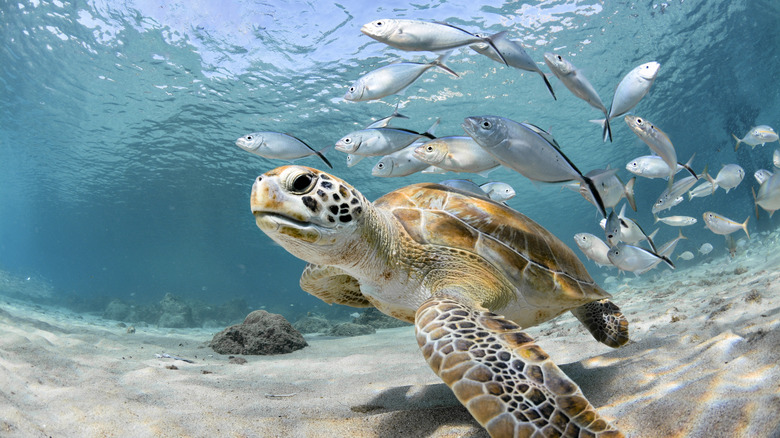
Hawksbill Sea Turtle
Hawksbill sea turtles are fully ocean-dwelling and prefer warm tropical and subtropical waters. They spend most of their lives at sea, coming ashore only to lay eggs. Spotting one is a rare and thrilling experience, as they are an endangered species. Popular spots include Costa Rica and lesser-known marine hotspots in the Caribbean.
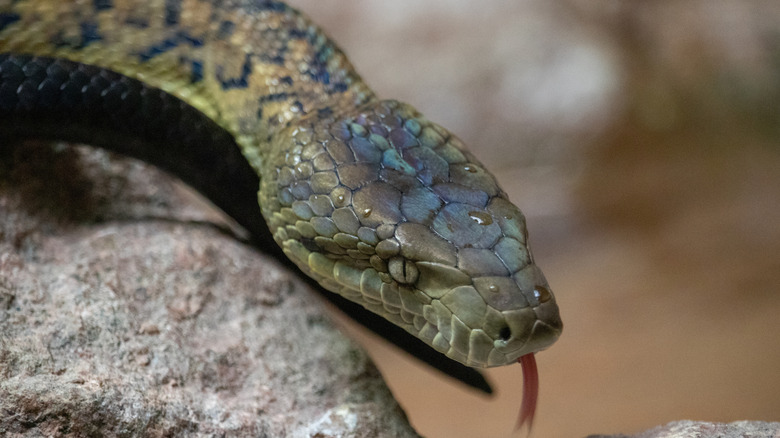
Jamaican Boa
The Jamaican Boa is a non-venomous snake found exclusively on Jamaica. It is a versatile creature, capable of climbing trees, digging burrows, and swimming. These snakes can grow up to 7 feet long and primarily feed on lizards, bats, and rodents. Due to habitat loss, they are nearing extinction, making encounters increasingly rare.
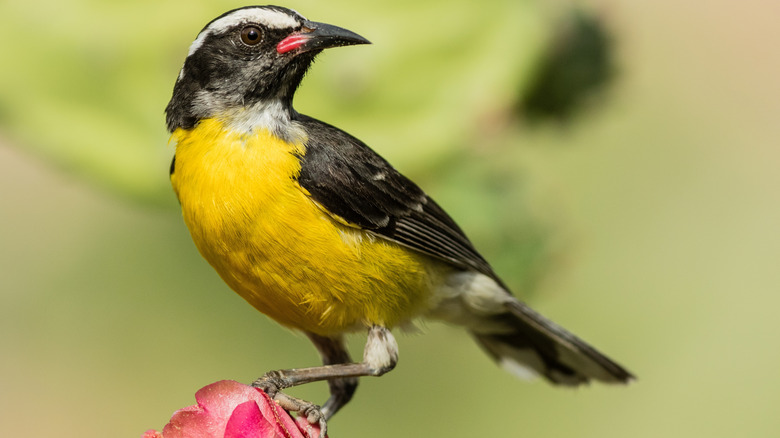
Bananaquit
The bananaquit is a common bird in the Caribbean, known for its fondness for sugar. It has a distinctive call and is often seen in gardens and areas rich in flora. These birds are bold enough to steal sugar from tables, making them easy to spot.
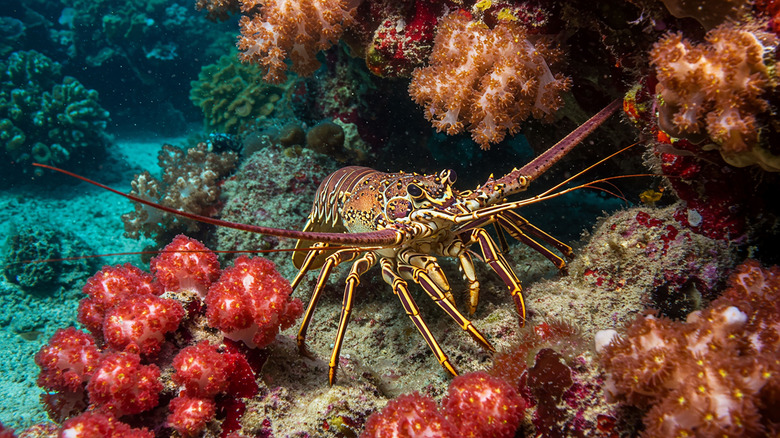
Caribbean Spiny Lobster
The Caribbean spiny lobster is a popular delicacy, known for its nocturnal habits. They are found in the shallows of the Caribbean, with Puerto Rico and Belize being prime locations. Strict regulations govern their harvesting, ensuring sustainability.
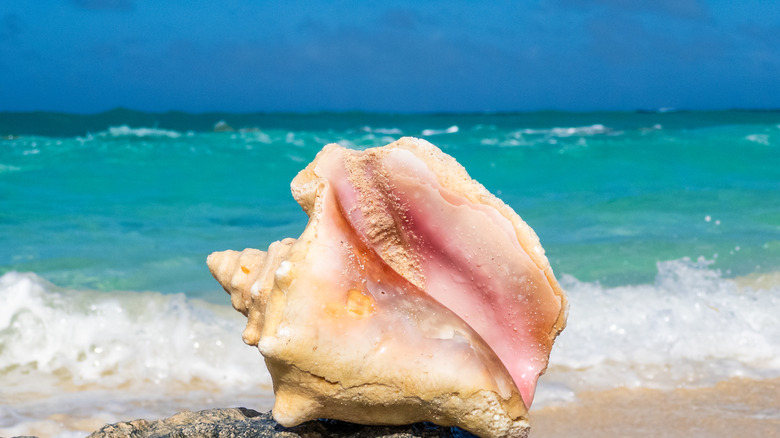
Queen Conch
The queen conch is a large marine snail with a hard shell, often used as an ornament or musical instrument. Found in the Western Atlantic, including the Bahamas and Florida, they are protected and cannot be harvested. Discarded shells are generally allowed, but international travel requires a permit.
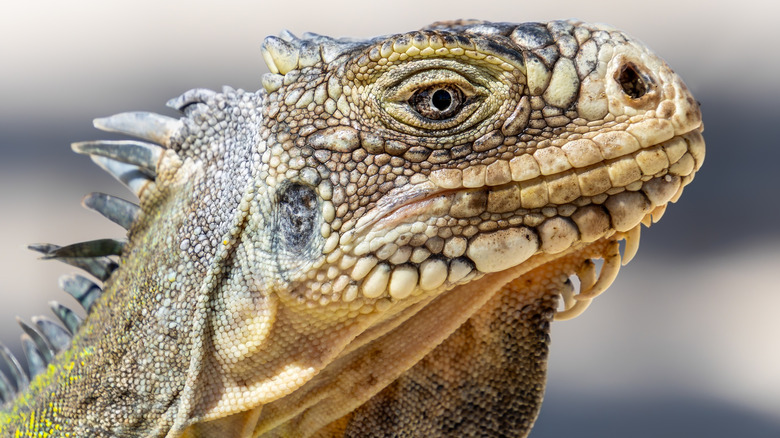
Lesser Antillean Iguana
The Lesser Antillean iguana is a critically endangered species found in the Lesser Antilles. These lizards are well-camouflaged and difficult to spot, with fewer than 20,000 remaining, mostly on Dominica.
Methodology
Extensive research and data from conservation efforts were used to compile this information. Government organizations such as the National Oceanic and Atmospheric Administration provided valuable insights into regulations, population sizes, and potential hazards. The information presented is accurate as of the time of writing.