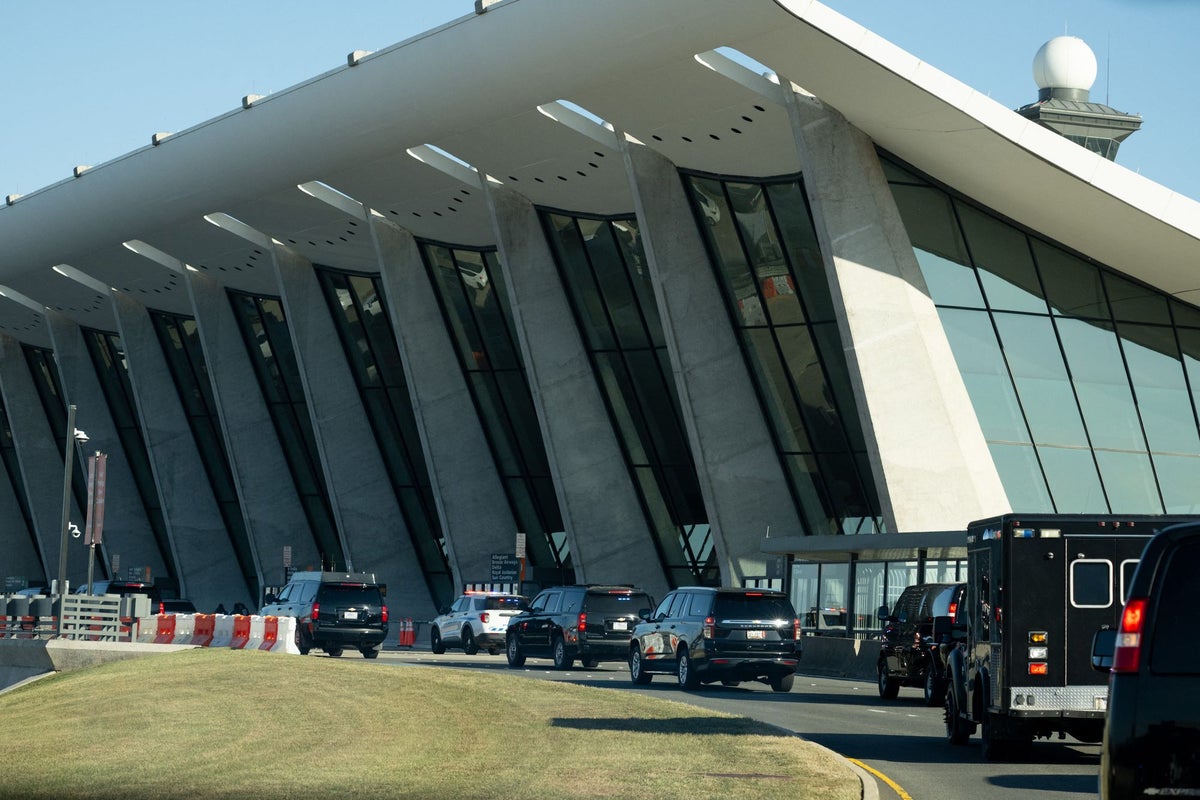
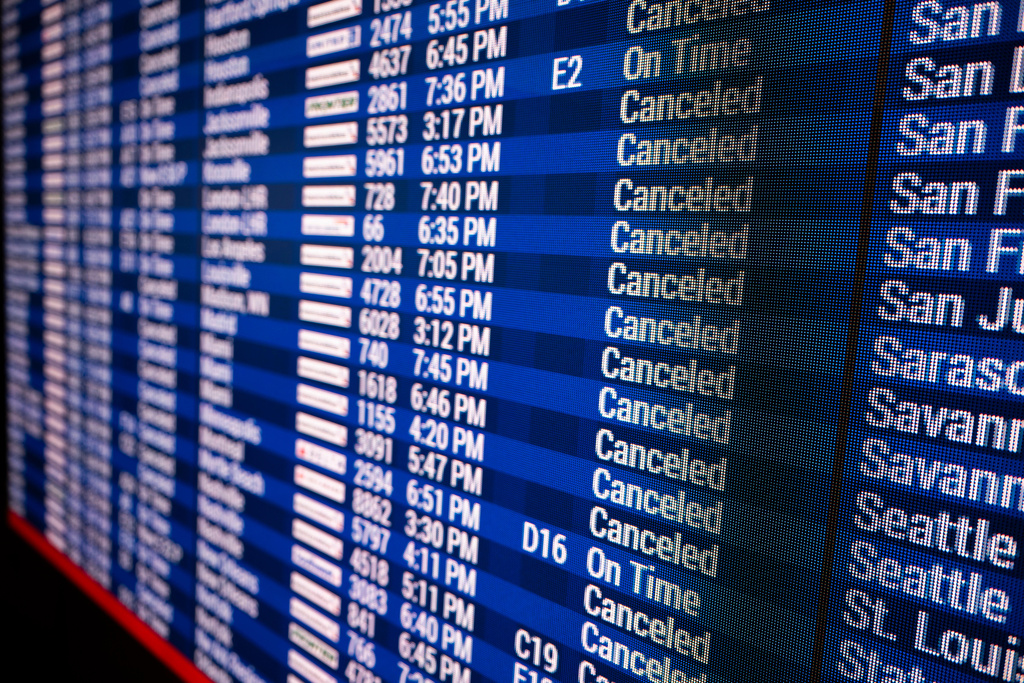
NEW YORK (AP) — Intense winter conditions in the northeastern United States, a limited government shutdown, and safety issues in certain areas of western Mexico combined to create a difficult day for air travel on Monday.
Numerous U.S. flights on the East Coast were called off or postponed due to a severe snowstorm that disrupted everyday activities in Boston, New York, Philadelphia, and other large cities. Airlines also changed or halted services to locations within and near Mexico’s Jalisco state following increased violence after the death of a top cartel leader.
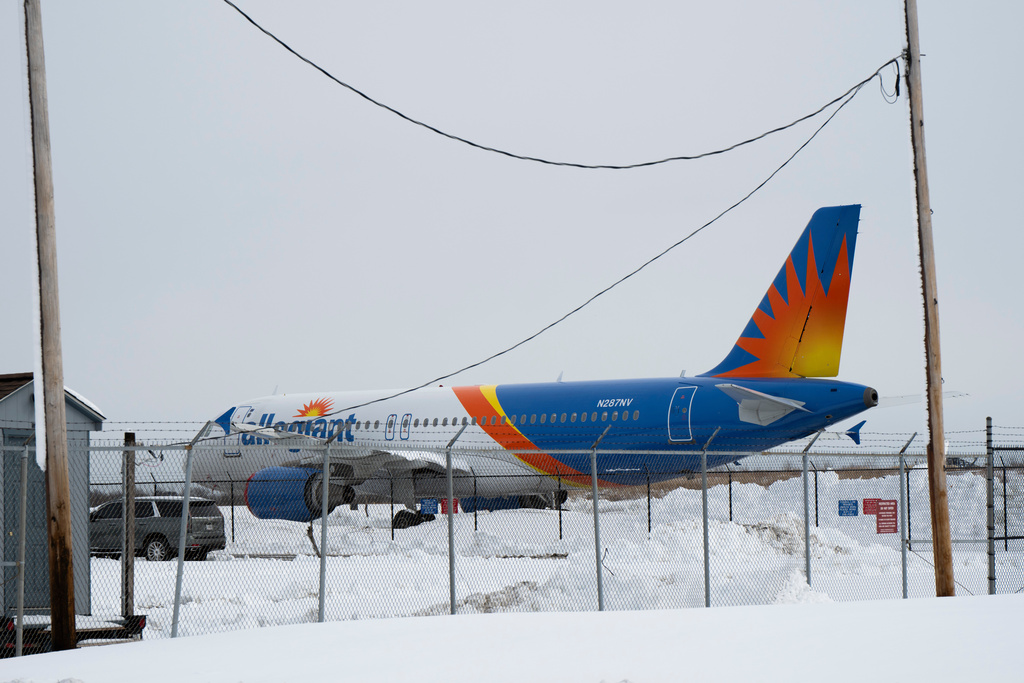
Travelers who have Global Entry memberships might experience longer wait times when entering the U.S., as the Department of Homeland Security, which closed on February 14 due to Congress failing to agree on its funding, temporarily stopped the program that allows pre-approved individuals to quickly go through immigration and customs.
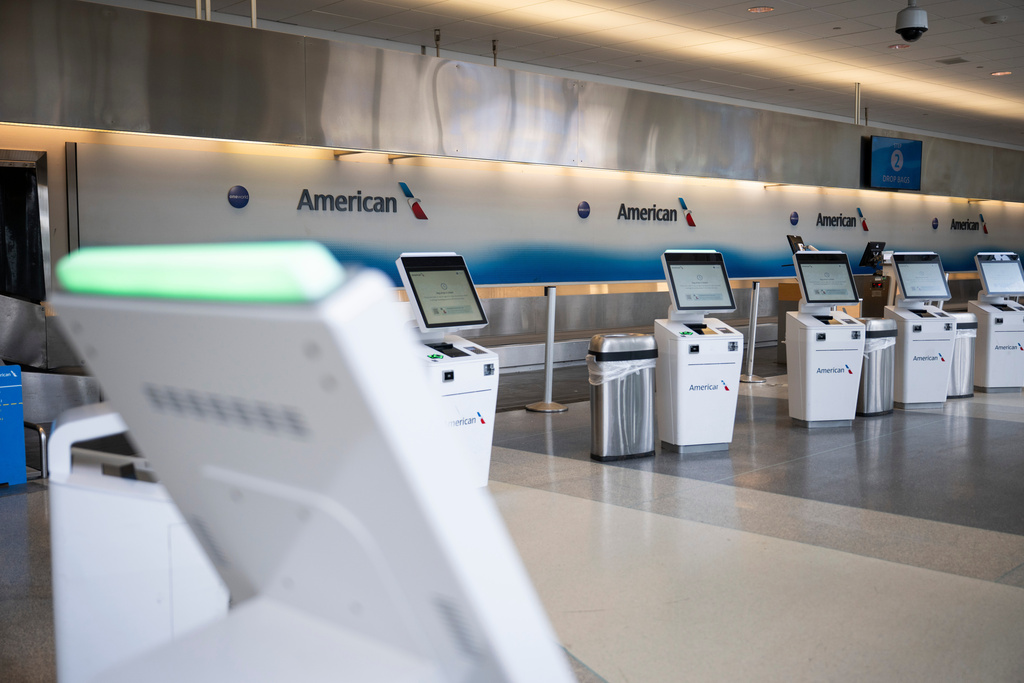
The simultaneous disruptions led to a chain reaction of delays throughout the linked airline systems, leaving some passengers stuck and making airport management more challenging, particularly on both sides of the U.S.-Mexico border.
Winter conditions in the United States
The winter stormwhich battered the Northeast caused significant snowfall, powerful winds, and blizzard alerts that disrupted or stopped transportation systems throughout the area.
Air travel experienced a significant decrease. More than 5,600 flights to, from, or within the U.S. were canceled, as reported by flight-tracking service FlightAware. An additional 3,000 flights faced delays.
John F. Kennedy International Airport and LaGuardia Airport in New York experienced the most flight cancellations on Monday, with airports in Boston, Newark, New Jersey, Philadelphia, and Washington, D.C. coming next. Smaller airports, such as T.F. Green International Airport in Rhode Island, temporarily stopped functioning.
Even following a storm, it requires time for airlines to return their aircraft and flight crews to the necessary locations in order to resume full operations, as stated by Michael McCormick, an associate professor of air traffic management at Embry-Riddle Aeronautical University.
“This storm is extensive, affecting key locations in the Northeast. These airports are the most susceptible when it comes to positioning aircraft and flight crews to maintain their schedules,” McCormick stated. Consequently, there will still be cancellations that “slowly reduce each day,” he mentioned.
Over 1,900 domestic U.S. flights had already been called off for Tuesday.
Benjamin Lundell and Thomas Mehari were among the passengers stranded in New York on Monday. The network consultants are on a work trip from Sweden and had their flight to Texas called off.
“We’re suited for Houston right now,” Lundell said, while walking through knee-deep snow in a light jacket and jeans looking for a new hotel in Manhattan.
Ground travel
The National Weather Service calledtravel conditions described as “highly dangerous” and “almost impossible” in regions most severely affected by the storm.
In addition to air travel, millions of individuals underblizzard warningsencountered state or local restrictions on non-urgent road travel. Some regions cut back or stopped public transportation services.
The Metropolitan Transportation Authority of New York stated that it had “taken articulated buses out of service during the storm” by midday on Monday, and there could be subway delays, particularly on routes that operate outside. The Long Island Rail Road temporarily stopped all services indefinitely.
Regarding extended passenger train routes, Amtrak has suspended all service between New York Moynihan Train Hall and Boston South Station until the end of Monday. Amtrak mentioned that its staff is striving to resume service by Tuesday, although more cancellations are still anticipated.
Mexico travel
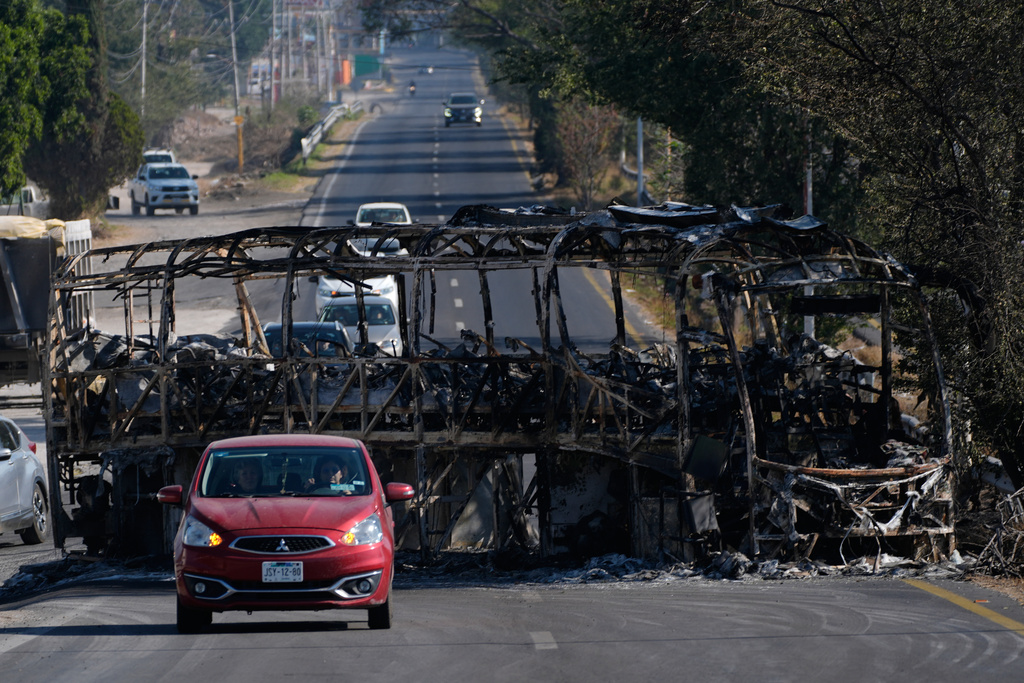
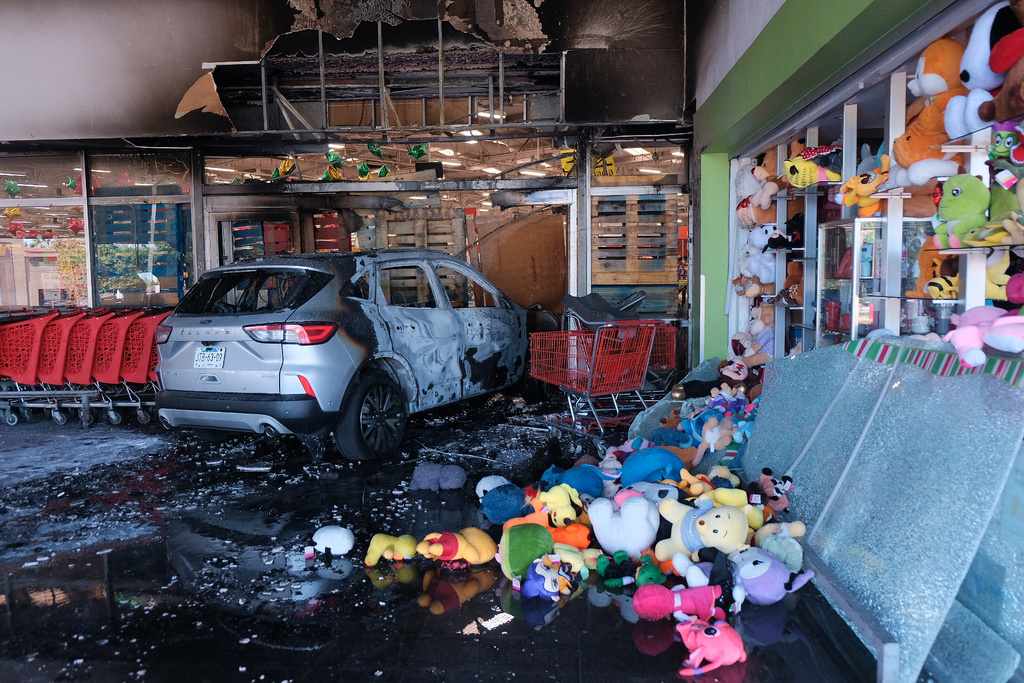
Although the winter storm was responsible for the majority of Monday’s flight cancellations, it wasn’t the sole reason. Following the killing of Mexico’s most influential cartel leader on Sunday,Nemesio Oseguera Cervantes, in the state of Jalisco, local and foreign governments issued travel alerts and safety information.
A series of retaliatory attacksSince the killing of Oseguera Cervantes, much of Mexico has been on high alert. Jalisco Governor Pablo Lemus has halted public transportation.on Sundayand encouraged residents to remain in their homes. In the meantime, the U.S. State Department recommended that American citizens in certain areas of Jalisco and other states to stay indoors and refrain from unnecessary travel until the circumstances improved. Canadian officials provided comparable advice.
Airlines such as AeroMexico, Delta Air Lines, United Airlines, American Airlines, and Air Canada have canceled or reduced flights to Puerto Vallarta and Guadalajara. They provided passengers with adaptable rescheduling choices. Aviation specialists mentioned that certain government bodies could impose broader restrictions on air travel if safety issues continue or worsen.
A 57-year-old Oklahoma resident named Steve Perkins shared with The Associated Press during a video interview from Puerto Vallarta that he and his wife found themselves stuck after their return flight on Monday was called off. Perkins mentioned that they were enjoying coffee on their hotel’s terrace on Sunday morning when they heard an explosion and later observed thick clouds of black smoke surrounding the downtown area.
“My wife called the children to say goodbye in case we never saw them again, that sort of thing. It was quite disturbing,” Perkins said.
Perkins, an IT consultant, mentioned that his break was originally planned to last only a week, so he will need to continue working from Puerto Vallarta until he can return home.
Global Entry
Increasing the burden on airports, the Department of Homeland Security stated thatpause of its Global Entry programwhich began over the weekend will stay in effect until the partial U.S. government shutdown concludes.
Global Entry enables approved travelers to utilize fast-track kiosks when arriving in the U.S. from other countries. The pause might result in increased waiting periods for certain returning passengers at international airports.
The Department of Homeland Security initially intended to stop the Transportation Security Administration’s PreCheck program but ultimately decided against it. However, the department mentioned that it could still suspend PreCheck, stating it will modify operations on a “case-by-case basis” when staffing issues occur.
That’s because TSA agents are working without payduring the period without funding, which may result in staff shortages and extended security queues if the shutdown continues.
Tips for travelers
U.S. airlines are required to provide refundsfor flights that have been canceled. And when they anticipate significant delays, they alsooften provide tourists with an opportunityto delay their journeys for a few days without incurring a charge.
Several airlines are providing rescheduling choices for passengers affected by the storm and security issues in Mexico. These include JetBlue, Delta Air Lines, American Airlines, United Airlines, Southwest Airlines, Alaska Airlines, Air Canada, and AeroMexico.
McCormick recommended that travelers sign up for text or email notifications from their airlines to stay informed about the most recent updates. Visiting the airline’s website to explore alternative routes can also be beneficial. Make sure to verify whether cancellations or delays are affecting the connecting airport, as well as the origin and final destination.
___
Yamat covered events in Las Vegas. Reporters from Associated Press, Jake Offenhartz based in New York and Juan Lozano located in Houston, provided additional input.