- Click here to keep updated on the latest information regarding the winter storm.
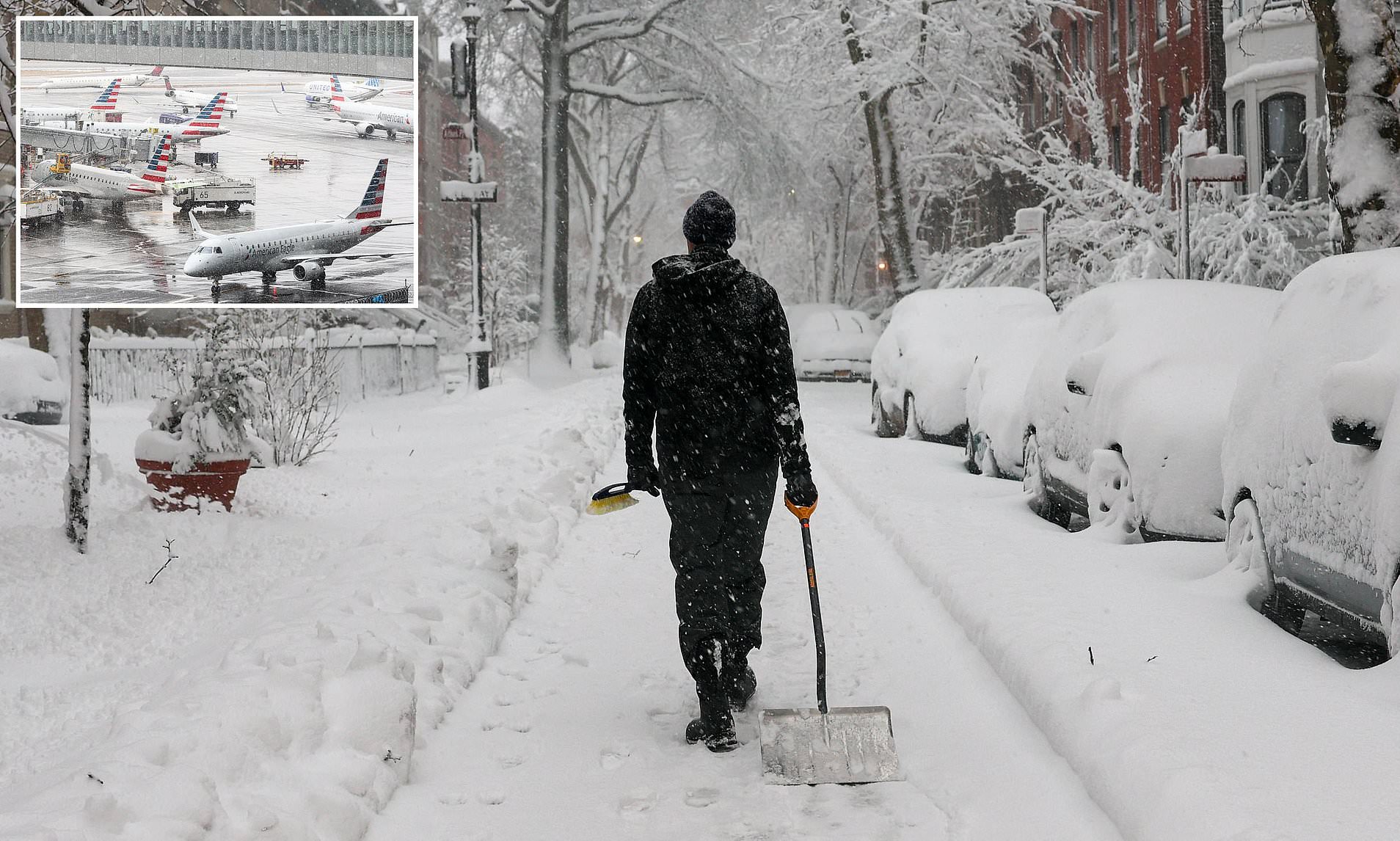
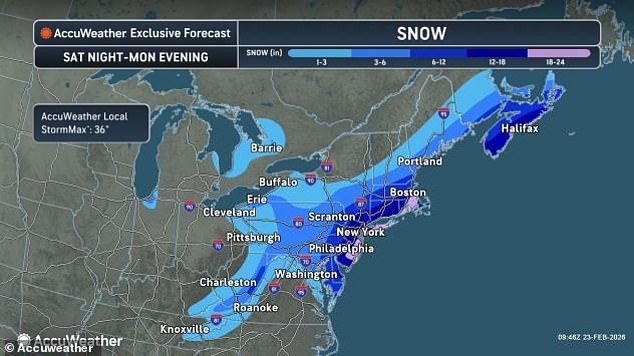
Travel disruptions have spread across the East Coast as aA major snowstorm deposited more than 20 inches of snow during the night on Sunday..
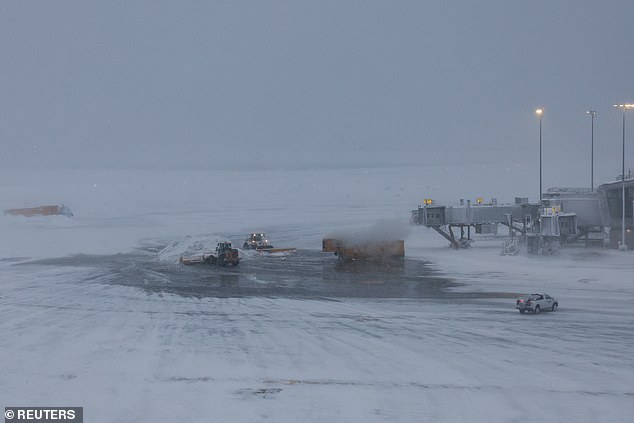
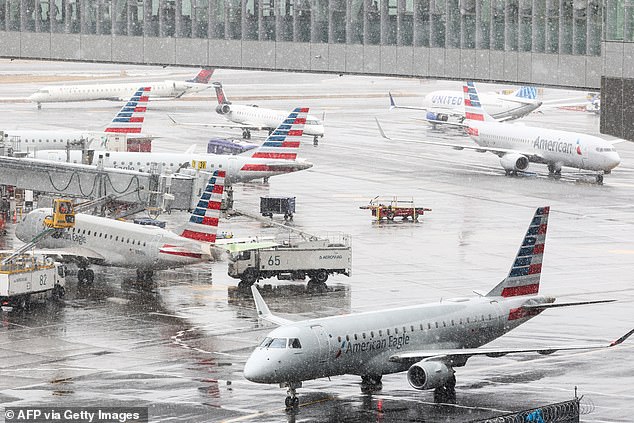
Nearly all flights arriving and departing fromNew York City, Philadelphia and Boston were canceled Monday morning because of the severe weather, with several states declaring states of emergency due to the destructive storm.
Nearly 9,000 flights throughout the country have been canceled since Sunday, officials said, warning that travel could be affected by the storm for several days.
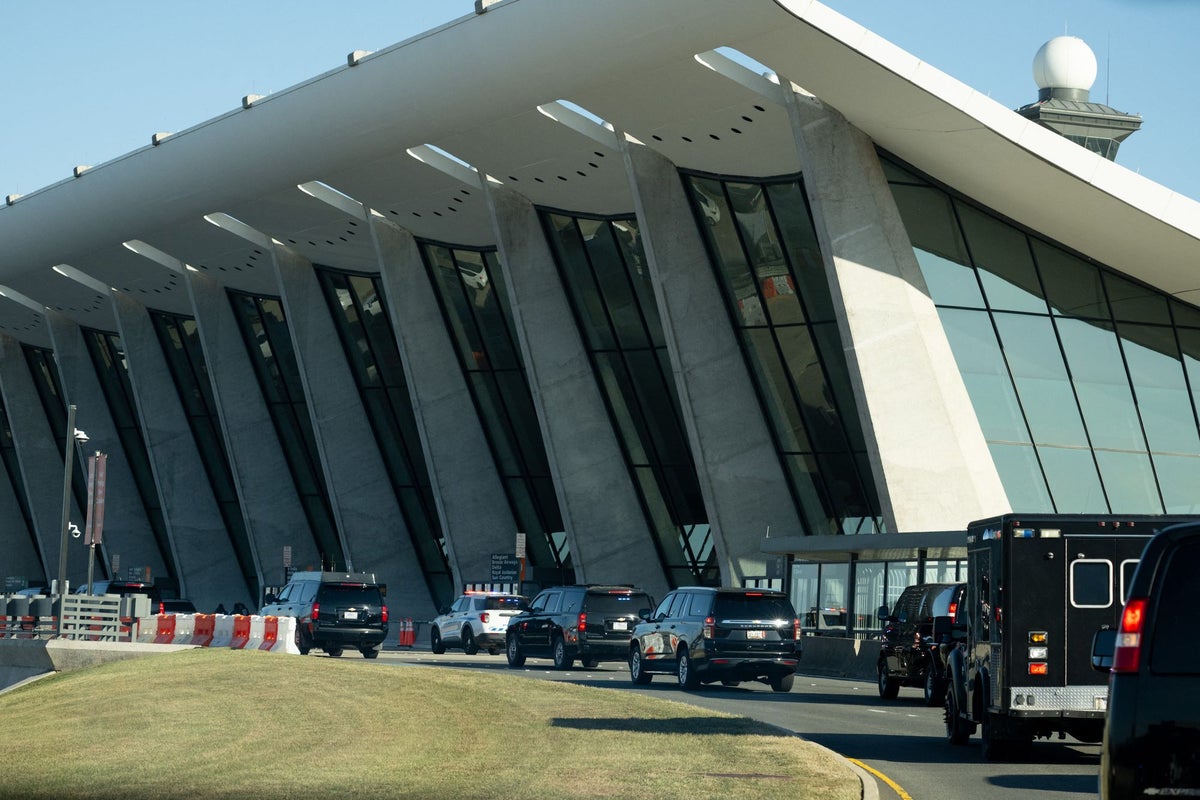
Airports experiencing the greatest delays are JFK and LaGuardia in New York, along with Newark inNew Jersey, Philadelphia International, and Reagan National Airport in WashingtonDC.
A severe weather event is expected to disrupt travel throughout the United States, with aircraft stranded in the Northeast, causing issues at airports nationwide despite the absence of snow, as connecting flights are canceled.
Authorities advised all travelers to verify the status of their flights, as most airlines are providing exceptions for rebooking without charges because of the bad weather.
On Monday morning, New York City airports experienced the largest number of flight cancellations, with approximately 99% of flights called off, according toFlightAware, and meteorologists cautioned that the storm is anticipated to result in additional snowfall throughout Monday.
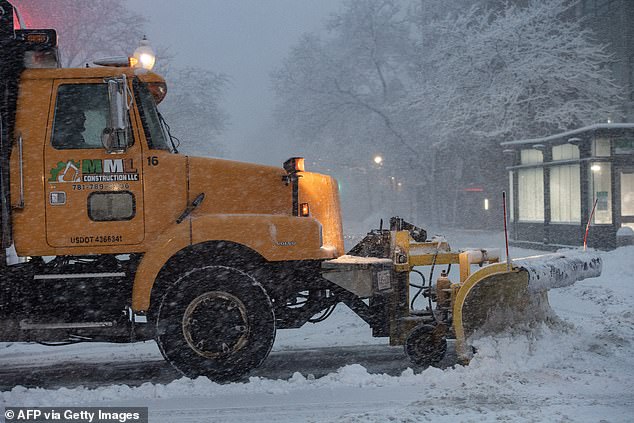
Snow accumulation in New York exceeded 20 inches in Long Island, while Central Park measured 15 inches and Newark, New Jersey reported 18 inches as of 9:30am ET on Monday.
With snow accumulating at a rate of 2 to 3 inches per hour, the storm could result in record-breaking amounts, surpassing the previous high of 27.5 inches recorded in Central Park between January 22 and 24, 2016.
Other notable snowfall amounts in the city were 26.9 inches in 2006, 26.4 inches in 1947, and 21 inches in 1888.
Mayor Zohran Mamdani imposed a travel restriction on all New York City residents, closing all roads and bridges in the city from 9 p.m. on Sunday until at least noon on Monday, ordered a snow day for all city schools, and issued the city’s first blizzard warning in more than ten years.
Subway services are operating but experiencing significant delays.
Mamadani posted a video on his social media account to share the announcement, stating, “No virtual classes, no distance learning, full traditional snow day.”
New Jersey’s Governor Mikie Sherrill also put in place a travel restriction throughout the state, which will remain in effect until noon on Monday.
“Because of the continuing dangerous storm conditions, we are extending the required travel ban until 12:00pm today,” she posted on X.
Please remain indoors and keep yourself secure. Allow the road crews the room they require to carry out their tasks.
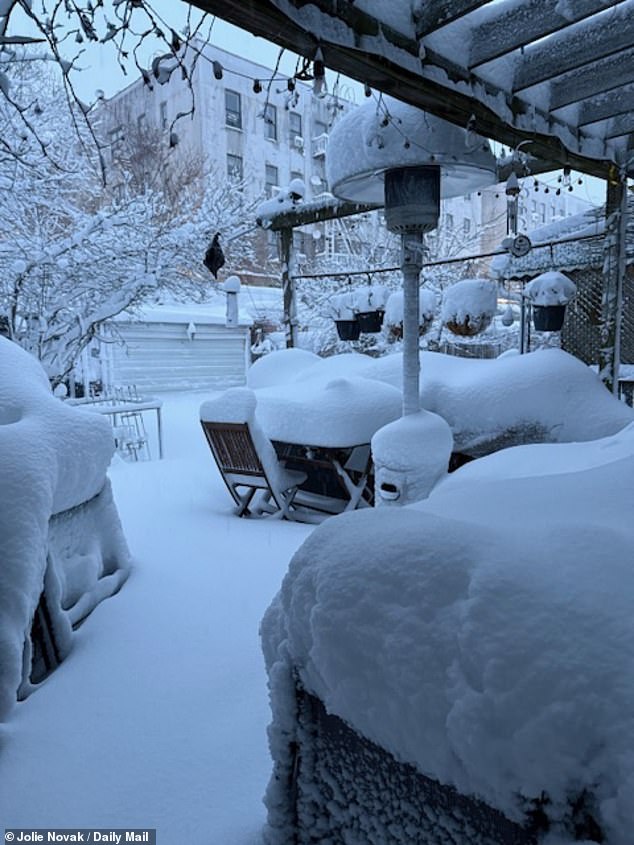
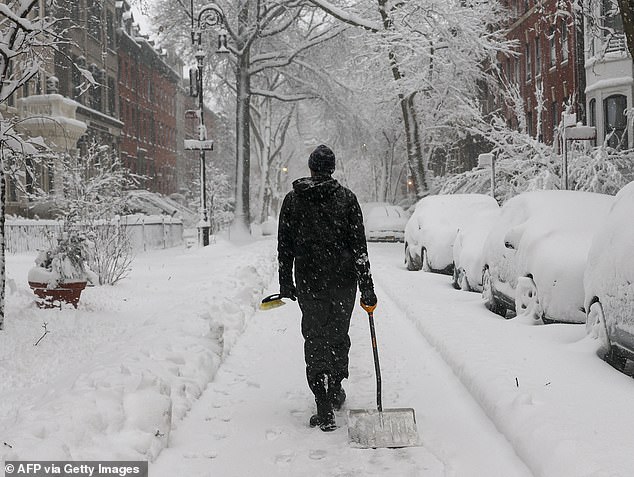
A strong blizzard caused snow accumulation to quickly increase in the tri-state region by more than an inch each hour on Monday morning, prompting all residents to remain indoors due to icy wind speeds reaching 50mph.
Additional National Guard personnel have been sent to multiple states, such as New York and Massachusetts, with more than 500,000 residents experiencing power outages along the East Coast.
Since temperatures stay near freezing, the conditions caused snowflakes to partially melt and combine, forming a dense type of snow referred to as ‘heart attack’ snow. This ‘heart attack’ snow can be twice as heavy and harder to shovel.
Massachusetts Governor Maura Healy asked citizens to avoid the streets, stating, “Every vehicle that becomes stuck, skids, or crashes is adding pressure on our emergency personnel who might have to go elsewhere.”
The National Weather Service issued a warning that traveling will be “extremely hazardous to almost impossible” on Monday, with snowfall amounts of 2-3 inches per hour anticipated across the northern Mid-Atlantic and eastern New England.
Intense snowfall combined with powerful winds is expected to create blizzard-like conditions, significantly limiting visibility and making travel “extremely dangerous” along the Northeastern Seaboard, according to the weather expert.
Read more