Unpredictable Weather Disrupts Travel at Hartsfield-Jackson Atlanta International Airport
Unfavorable weather conditions have created significant challenges for travelers at one of the most active airports in the United States this weekend. At Hartsfield-Jackson Atlanta International Airport (ATL), passengers found themselves stuck on aircraft for extended periods, with some reporting being stranded for up to 11 hours. The situation was exacerbated by hailstorms, strong winds, and heavy rain, which led to the evacuation of the air traffic control tower.
The severe weather disrupted normal operations at the airport, prompting the Federal Aviation Administration (FAA) to implement a ground stop. This measure further complicated matters for Delta Air Lines, as its operations continued to face delays and chaos.
Unexpected Severe Weather in Atlanta
According to the National Weather Service, Atlanta was initially expected to experience showers and thunderstorms. However, the weather escalated into severe conditions, including nickel-sized hail, lightning, and gusty winds. These extreme conditions forced the evacuation of the airport’s control towers until the storm had passed.
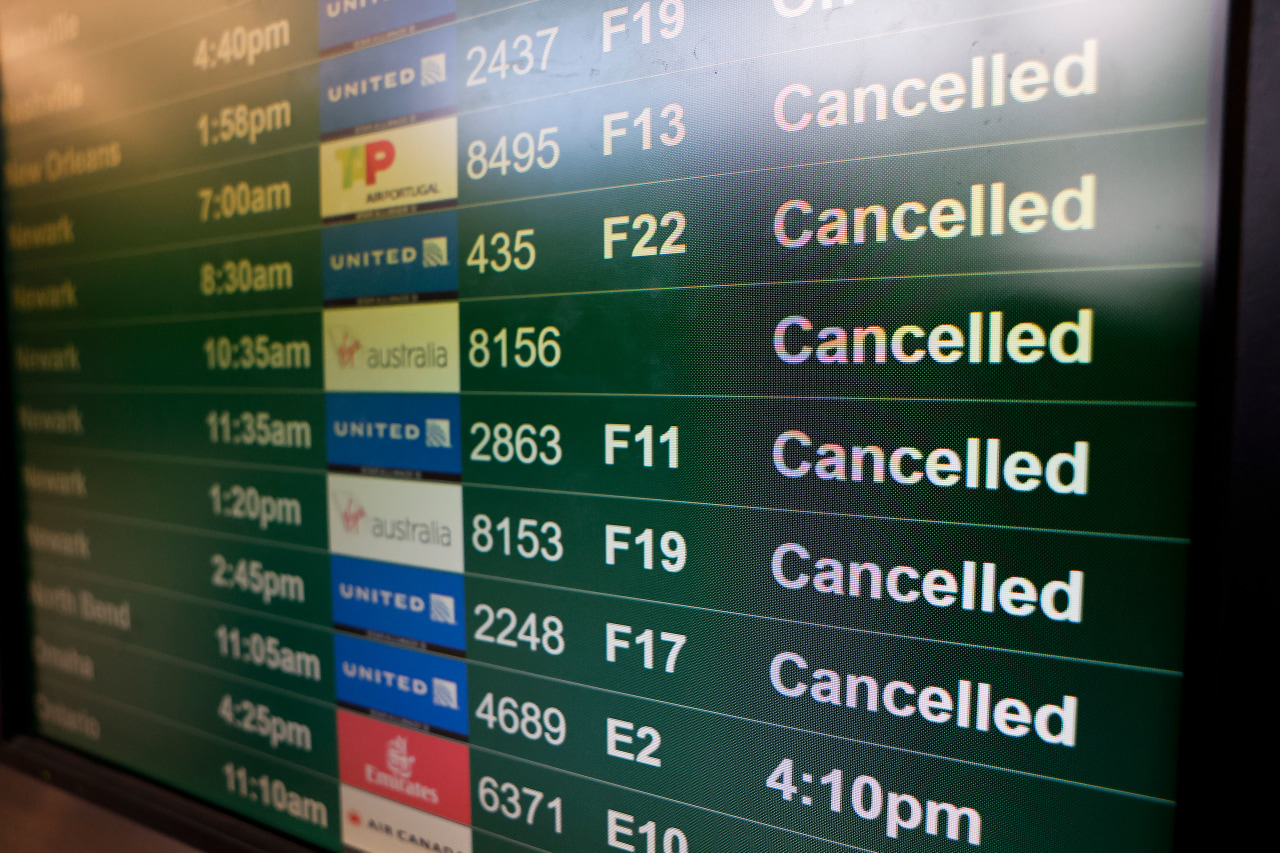
This unexpected weather caused widespread disruption for Delta Air Lines, with FlightAware reporting that over 150 flights were canceled and nearly 1,000 were delayed. One notable incident involved passengers being stuck on a Delta aircraft for up to 11 hours, while others reported being stranded on board for three or four hours. Delta staff struggled to manage the situation, with shortages of ramp workers, gate agents, and tug operators making it difficult to move planes and make room for new arrivals.
Passengers Forced to Sleep on the Floor
The chaotic conditions at the airport led to passengers sleeping on the floor, as seen in videos shared on social media. These images showed long rows of people resting near travelators, highlighting the frustration and inconvenience faced by travelers.
Delta requested a ground delay from the FAA on Friday morning, which resulted in an average one-hour delay for any DL flight from ATL that had not yet departed. Close to 200 flights were canceled as a result, leaving many passengers in disarray. Some travelers spent hours on the tarmac, arriving late at night but remaining on board until early morning hours.
One report indicated that a plane arrived at 11:30 pm but did not allow passengers to disembark until 4:00 am the following morning. This situation led to growing frustration among travelers, with one passenger claiming they were stuck at the gate for over five hours before their flight was ultimately canceled.
Delta’s Response to the Crisis
In response to the situation, Delta issued a statement acknowledging the challenging weather conditions and the impact on its customers. The airline emphasized that safety is its top priority, noting that aircraft and ground equipment needed to be inspected due to the hail.
“We apologize to our customers, as we know that a delay on the tarmac waiting for an arrival gate is frustrating,” the company said. “Delta people worked through severe weather challenges in ATL that drove gating constraints overnight. The safety of our customers and crew is our highest priority.”
Legal Implications of Tarmac Delays
Delta now faces potential financial consequences, as the airline could be fined millions of dollars. U.S. law requires airlines to have contingency plans for tarmac delays, including allowing passengers to disembark if the delay exceeds a certain timeframe. For domestic flights, passengers must be allowed to disembark after three hours, while international flights have a four-hour limit. There are exceptions if doing so would jeopardize the safety or security of passengers and crew.
As one of the largest carriers in the United States, Delta is a member of SkyTeam and operates around 5,400 flights daily across its network, serving up to 325 destinations in 52 countries. It is the second-oldest airline in the country and employs more than 100,000 team members.