
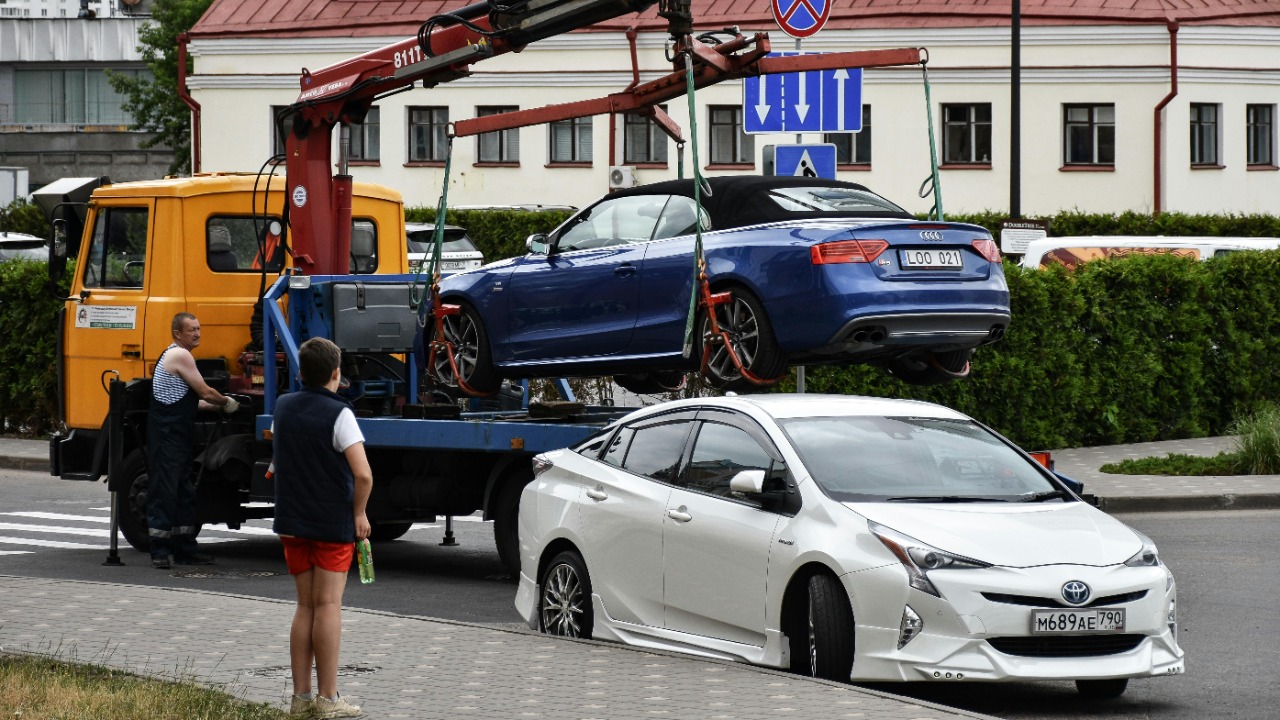
The Unexpected Towing Experience
It’s the kind of morning that starts off normal and then suddenly feels like a prank. You walk out, coffee in hand, ready to head to work or run errands, and your car is just… gone. Not “maybe I parked on the next row” gone, but full-on “did someone steal it?” gone.
Now add the twist: you were in a guest spot, and you had a permit. The little tag was sitting right where it was supposed to, doing its small plastic job. And yet, somehow, the towing company still scooped your car up like it was the last cookie on the plate.
A Guest Spot, a Permit, and a Tow Truck Anyway
Stories like this are popping up across apartment complexes, condos, and managed communities, usually with the same baffled refrain: “I followed the rules.” Drivers say they parked in designated guest parking, displayed a valid permit, and still ended up chasing their vehicle to an impound lot.
The frustrating part is that it rarely feels like a simple mistake in the moment. It feels personal, like the tow truck driver made eye contact with your permit and towed you out of spite. In reality, it’s often a messy cocktail of confusing signage, strict contracts, and split-second decisions made at 2 a.m.
How This Happens (Even When You’re Sure You Did Everything Right)
In many communities, guest parking isn’t one set of rules—it’s several. Some guest spots are time-limited, some require permits that must be hung a specific way, and some are only “guest” during certain hours. If the signage doesn’t spell that out clearly, you can be doing the “right” thing while still breaking a rule you didn’t know existed.
Another common snag is permit placement and visibility. A permit that slid off the mirror, flipped over, fell onto the dashboard, or got blocked by tint can turn a “valid permit” into “no permit visible” in a tow operator’s eyes. And some tow companies operate on a strict “visible at a glance” policy because they’re checking dozens of cars quickly, often in low light.
Then there’s the paperwork side: property managers sometimes update guest lists, permit numbers, or enforcement windows without communicating clearly. If your permit is valid but not properly registered in a system, the tow company may treat it as invalid. It’s a bit like having a ticket to a concert that the scanner won’t recognize—except the bouncer takes your entire vehicle.
The Uncomfortable Truth: Towing Is Often Contract-Driven
Tow companies usually aren’t cruising random lots for fun. They’re typically contracted by property owners or management companies, and those contracts can be strict about what counts as authorized parking. If management tells them “tow any car without X displayed” or “tow after Y minutes,” they’ll follow that instruction, even if it feels absurd from the driver’s perspective.
Some contracts also create incentives that don’t exactly encourage patience. If a company gets paid per tow, the pressure to act quickly can be real. That doesn’t excuse towing a permitted car, but it does explain why the process can feel less like customer service and more like a vending machine that only accepts your money after it eats your car.
What to Do the Moment You Realize Your Car’s Been Towed
First, confirm it was actually towed and not stolen, relocated, or borrowed by a well-meaning roommate who “just needed it for a sec.” Call your property’s management or security line if there is one, and ask which towing company services the lot. If you can’t reach anyone, look for posted signs near the lot entrances that list the tow company’s name and number.
Once you’ve got the tow company, ask two things right away: where the car is and why it was towed. Write down the time, the representative’s name, and the stated reason. If you’re calm and organized—even if you’re furious inside—you’ll usually get clearer answers and faster next steps.
Document Everything (Yes, Even If You’re in Sweatpants)
If your car was in a guest spot and you had a permit, evidence matters. Go back to the space and take photos of the spot markings, nearby signage, the lot entrance signs, and anything that explains (or fails to explain) the rules. If it’s dark, use flash; if it’s raining, welcome to the glamorous world of consumer rights.
Also gather proof that your permit was valid and properly displayed. If you have a photo of the permit hanging in the car (some people do, surprisingly), that’s gold. If not, take photos of the permit itself, any emails or texts from the property confirming permission to park, and any registration info the office provided.
At the Impound Lot: Ask Questions Before You Pay, If You Can
Many places require payment to release the vehicle, and arguing first can keep you stuck without transportation. Still, it’s worth politely asking what policy justified the tow and whether they have photos documenting the violation. Some tow operators take time-stamped pictures when they hook a car; if their photos show no permit visible, you’ll know what you’re up against.
Inspect your car before you drive off, especially bumpers, wheels, and undercarriage areas. If you notice damage that wasn’t there before, document it immediately with photos and ask about their damage claim process. Keep receipts for towing, storage, ride shares, and anything else you paid because your car took an unexpected field trip.
Can You Fight It? Often, Yes—Just Expect Some Friction
If you had a permit and were in a guest spot, start with the property manager or HOA. They’re the ones who hired the towing company, and they may have the ability to request a refund or pressure the tow company to reverse fees. Be direct but friendly: show your permit proof, photos of signage, and any written authorization you were given.
If management shrugs, ask for the towing policy in writing and the specific reason your car was deemed unauthorized. Sometimes the mere act of requesting documentation makes the situation “suddenly solvable.” It also helps you figure out whether this was a one-off mistake or a rule that’s been quietly trapping residents and guests.
Depending on where you live, there may be local regulations about signage, notice requirements, maximum fees, or how quickly a tow company must accept payment and release a vehicle. Many cities and states have consumer protection rules around private-property tows. If something feels off—like missing signs or inflated charges—it can be worth checking your city or state’s towing oversight office or consumer affairs department.
Why People Feel So Blindsided by “Permit” Parking
Permits sound simple: display the thing, park the car, go about your life. But in practice, permits can be oddly specific—correct date showing, correct side facing out, correct lot, correct guest zone, correct time window. When those details aren’t communicated like a normal human wrote them, it’s easy to end up “wrong” without realizing it.
And honestly, the emotional whiplash is real. You can do everything in good faith and still end up paying hundreds of dollars and losing hours of your day. It’s a uniquely modern annoyance: a small piece of plastic promising order, and a tow truck delivering chaos.
What Property Managers Say (and What Residents Wish They’d Say)
Management companies often argue that towing is necessary to keep spots available, prevent unauthorized parking, and reduce complaints. That’s not unreasonable—nobody wants their assigned space taken by a mystery car. The problem is when enforcement gets so aggressive or unclear that even permitted guests become collateral damage.
Residents and guests typically want three things: clearer signage, a way to verify authorization in real time, and a grace period for honest mistakes. Some communities now use digital guest registration systems that log license plates, which can reduce confusion. Of course, that only works if the system is updated and the tow company actually checks it.
Small Steps That Can Prevent the Next “Where’s My Car?” Moment
If you’re visiting someone, ask them to screenshot the parking rules and the tow sign information before you arrive. Park under a light if possible, and double-check that your permit is visible and oriented correctly. A quick photo of your car in the spot with the permit visible can feel silly—until it’s the one thing that saves you hours later.
If you live in the community, consider nudging management to clarify guest parking rules in an email residents can reference. It’s not about being dramatic; it’s about creating a paper trail. Because if a towing company took your car from a guest spot even though you had a permit, there’s a decent chance you’re not the only one.
More from Fast Lane Only
Unboxing the WWII Jeep in a Crate
15 rare Chevys collectors are quietly buying
10 underrated V8s still worth hunting down
Police notice this before you even roll window down











![[IMAGE: Best Travel Apps for Stress-Free Adventures United States]](https://www.mathhotels.com/wp-content/uploads/2025/09/608_Best_Travel_Apps_Stress_Free_Vacation_Hero.jpg)