
Understanding the Rise of Travel Scams
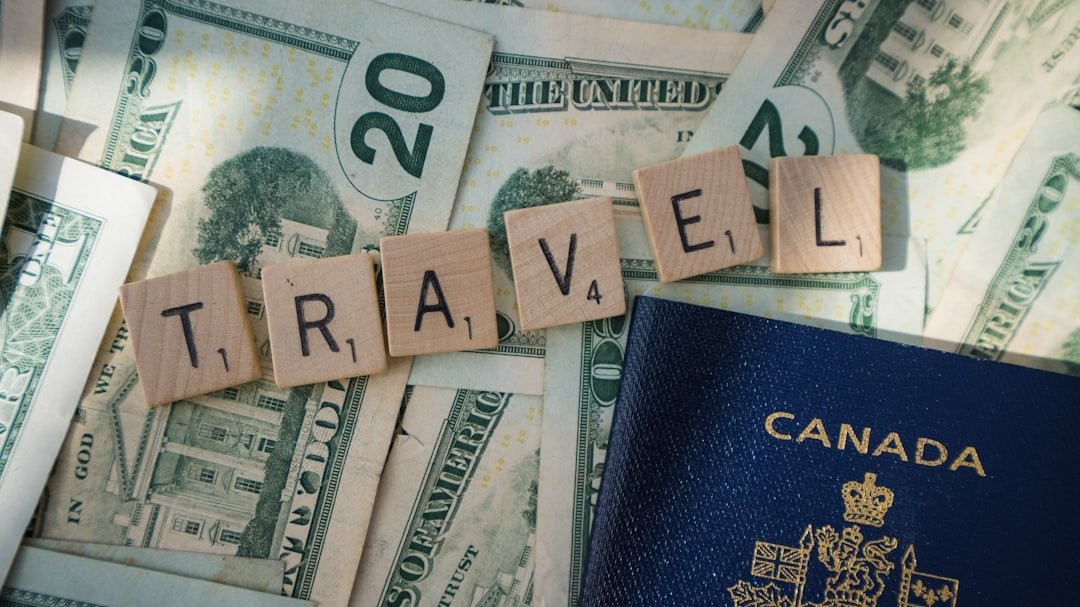
Travel scams have become increasingly prevalent, causing significant financial and emotional distress for travelers. According to recent reports, Americans lost a staggering $2.6 million to over 1,500 tracked travel scams between April 2024 and April 2025. Among these, airline and flight fraud topped the list with 580 complaints. The impact of these scams is not just limited to financial loss; they can also pose real dangers to travelers.
The integration of artificial intelligence (AI) has further escalated the problem. AI tools have been used to enhance these fraudulent schemes, leading to an estimated $13 billion in global losses from AI-powered travel fraud in 2025 alone. On average, each victim loses nearly $1,000. As more tourists travel globally, scammers are adapting their methods, combining traditional tricks with modern technology to deceive unsuspecting travelers.
Common Types of Travel Scams
1. Fake Airline Flight Notifications and Phishing
Scammers often send texts or emails that mimic legitimate airlines, claiming that a traveler’s flight is delayed, canceled, or needs rebooking. These messages urge immediate action, such as clicking on links or paying fees. AI-generated messages can be extremely convincing, using real details like names and flight numbers to build trust. In the U.S., airline and flight scams were the most reported travel fraud during the period from April 2024 to April 2025, with 580 reports and $587,000 in losses.
Victims may hand over card information or one-time passwords without thinking, especially when tired at airports. It is crucial to remember that airlines never ask for payments via text or direct messages. Always check directly through the airline’s app or website to avoid falling for this scam.
2. Fake Hotel and Short-Term Rental Listings
Fraudsters create fake listings for hotels or short-term rentals, often using stolen photos and offering rock-bottom prices. They encourage payments outside of platforms like Airbnb or Booking.com, such as wire transfers or cryptocurrency. Upon arrival, travelers might find no reservation, sometimes facing locked doors or non-existent addresses. This type of scam led to 123 reports in the U.S. and $72,000 in losses during the same time frame.
AI now generates fake reviews and listings that can fool even experienced travelers. It is essential to stick to verified platforms and make payments through them to ensure buyer protection. The risk here is not just financial but also about finding a place to stay in an unfamiliar city, which can ruin a trip.

3. Airport Taxi and Rideshare Imposters
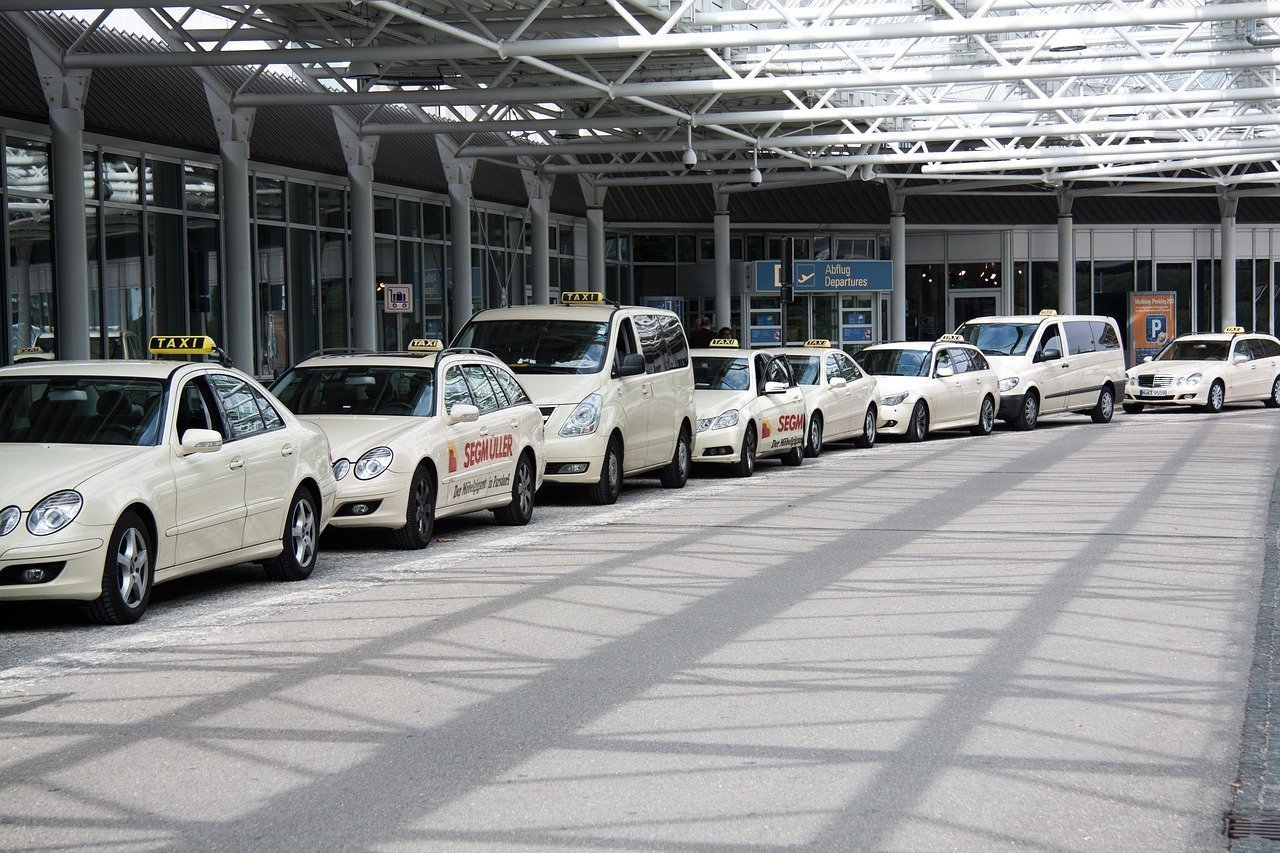
At busy airports, scammers pose as drivers for rideshares or taxis, using phony logos and claiming to have a ride booked. They may take detours, demand cash surges, or even rob isolated passengers. This classic con continues to thrive, targeting tired arrivals in cities like Rome or Barcelona.
Drivers may have mismatched license plates and dodge meters to inflate bills. Using trusted apps like Uber directly, sharing trip details, and confirming all information upfront can help avoid this scam. Beyond financial loss, these encounters can lead to unsafe situations.
4. ATM Skimming and Fuel Pump Devices
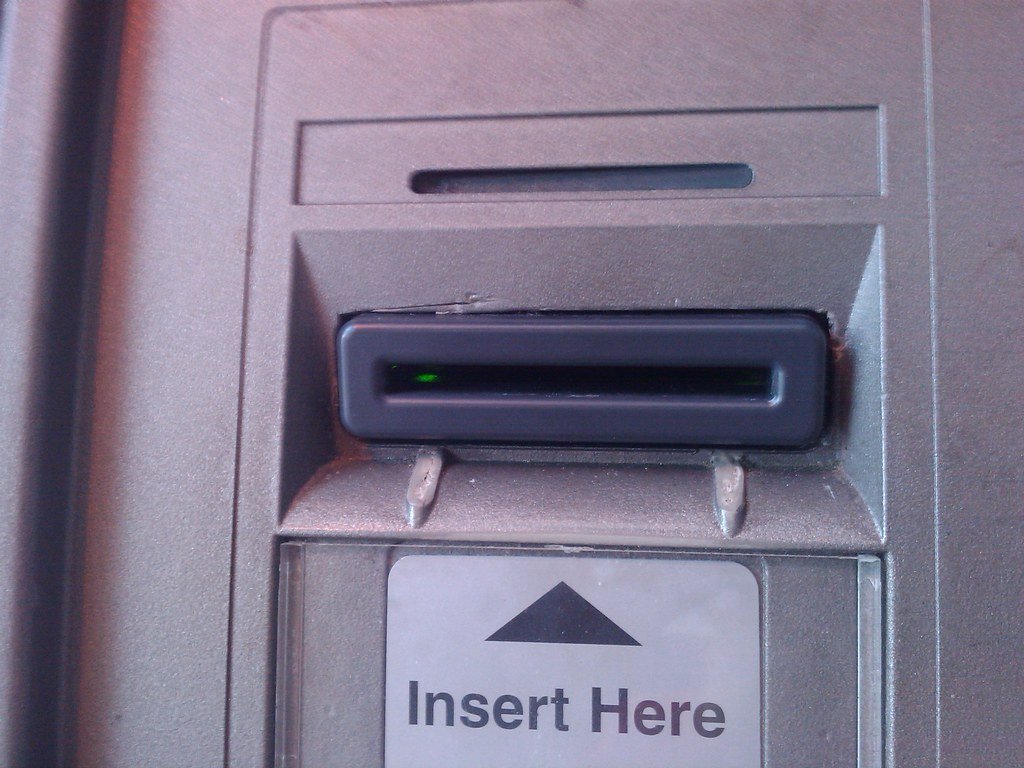
Crooks install hidden card readers and pinhole cameras on ATMs or gas pumps to steal personal information. Swiping at the wrong machine can result in cloned cards draining accounts back home. These devices are often found at trusted locations, including hotels. Checking for loose parts or screens and opting for bank-branch ATMs or contactless phone payments can mitigate this risk.
Losses from these scams can add up quietly, often hitting thousands per victim. In a cashless travel world, this form of theft can go unnoticed until bills arrive.
5. Distraction Pickpocketing and Fake Police
Teams of scammers use distractions such as spilling drinks or “finding” rings to divert attention while stealing phones and wallets. Worse, fake police officers may flash badges, demand to see cash for “counterfeit checks,” and pocket bills. These tactics are particularly effective in tourist crowds, where chaos can be maximized.
Real officers rarely search wallets roadside, so it is important to insist on going to a station if needed. Keeping valuables in front-body pouches and avoiding back pockets can help prevent theft. Stolen passports can complicate the return home, making this a serious threat.

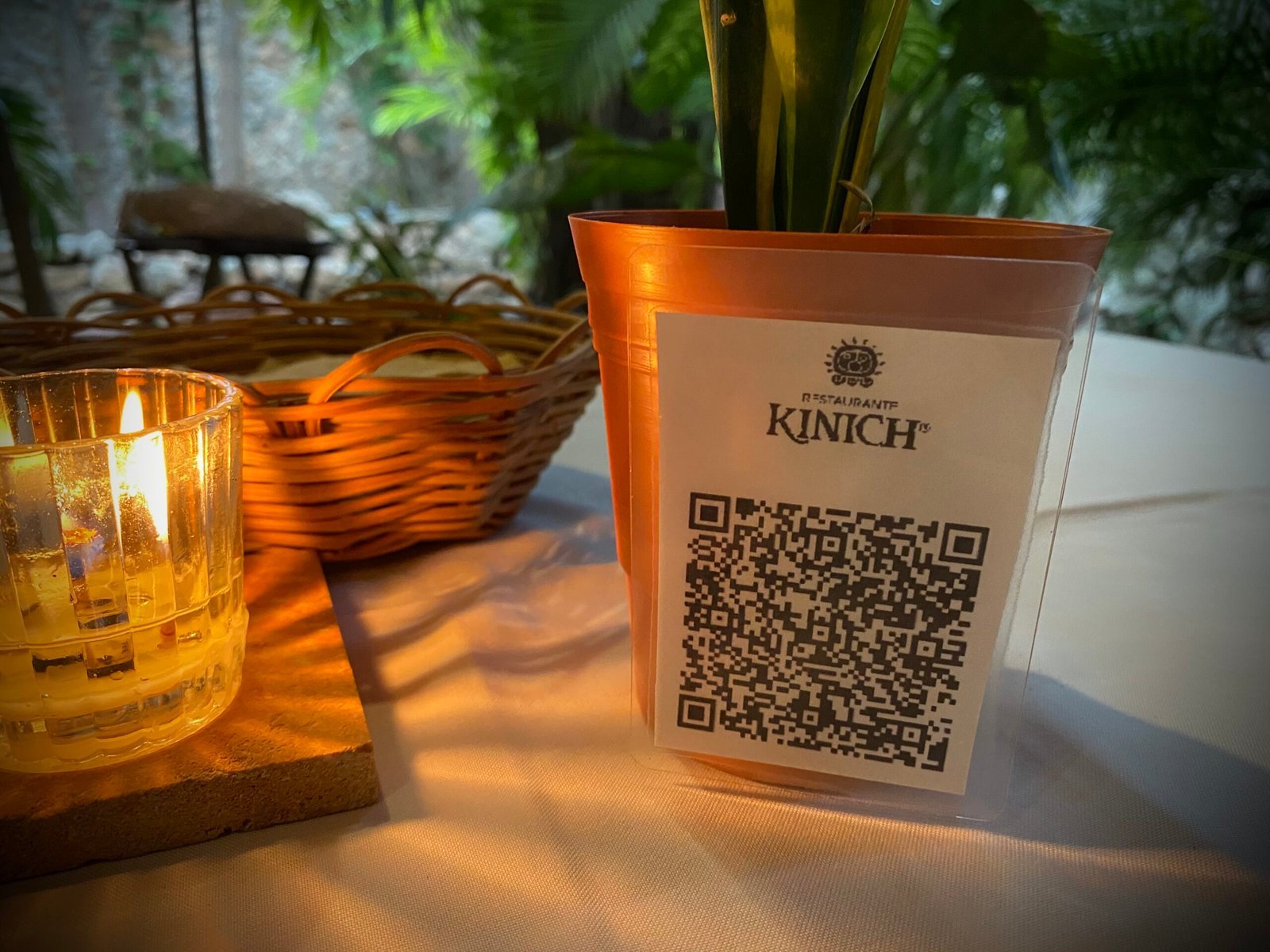
6. QR Code Menu and Public Charging Traps
Fake QR codes placed on restaurant tables or signs can lead to phishing sites that steal card details when users “pay the bill.” Similarly, rogue USB ports in airports, known as “juice jacking,” can install malware while a phone charges. Both of these tactics exploit quick trusts, ranking high in 2026 warnings.
Asking staff for menus, using personal chargers, and avoiding public WiFi for payments can help avoid these traps. Data breaches from these cons can lead to larger identity fraud issues, making them particularly dangerous for travelers.
Conclusion
Scammers thrive on chaos, but vigilance can turn the tables. Verifying everything, paying smartly, and trusting your gut are essential steps in protecting oneself from travel scams. Safe travels start with awareness, ensuring that adventures remain scam-free.










![[IMAGE: Best Travel Apps for Stress-Free Adventures United States]](https://www.mathhotels.com/wp-content/uploads/2025/09/608_Best_Travel_Apps_Stress_Free_Vacation_Hero.jpg)