
5 locations where gold can still be discovered in the United States
Discovering gold might appear to be a concept only found in historical texts today, but there are still many locations across the United States where you can find an actual treasure and bring home some gold particles or even a small nugget.
California is home to the most renowned gold rush in the nation, which began in 1848. The next year saw hundreds of thousands of people flock to California—the biggest population movement in American history—which also provides an explanation for why San Francisco’s football team iscalled the 49ers.
But California is not the only location covered in gleaming metal. Coloradofirst discovered gold in 1858near modern-day Denver. Arizona also experienced its first gold rush in 1858,at the Gila Rivernear Yuma. Alaska’s gold rush, also referred to as theKlondike Gold Rush, began in 1896 in Canada’s Yukon region.
Gold rushes across the country attracted new residents, and these locations where gold was found developed into thriving cities. For instance, San Francisco and Boulder, Colorado, are examples of major cities that began during the gold rush period. Nevada, Idaho, Oregon, New Mexico, Montana, Wyoming, Utah, and Wisconsin are all recognized as states that were popular among those searching for gold.
The charm of gold still captivates individuals in the present day, prompting numerous people to journey across the country. These hopeful miners, nevertheless, still have tokeep certain rules in mind, as stated by the Department of the Interior. They need to verify if prospecting is allowed and investigate any rules regarding the search for gold and minerals. Prospecting individuals must also obtain consent from landowners before beginning their search. Certain public lands, such as national parks, prohibit prospecting, while other regions managed by the Forest Service or the Bureau of Land Management might permit it.
Nevertheless, gold panning goes beyond discovering gold; it’s about meeting fellow explorers and experiencing a significant period in American history.SD Bullionexplored five locations for you to begin your sparkling journey, whether it’s searching for gold or discovering a location’s past.
Libby Creek, Montana
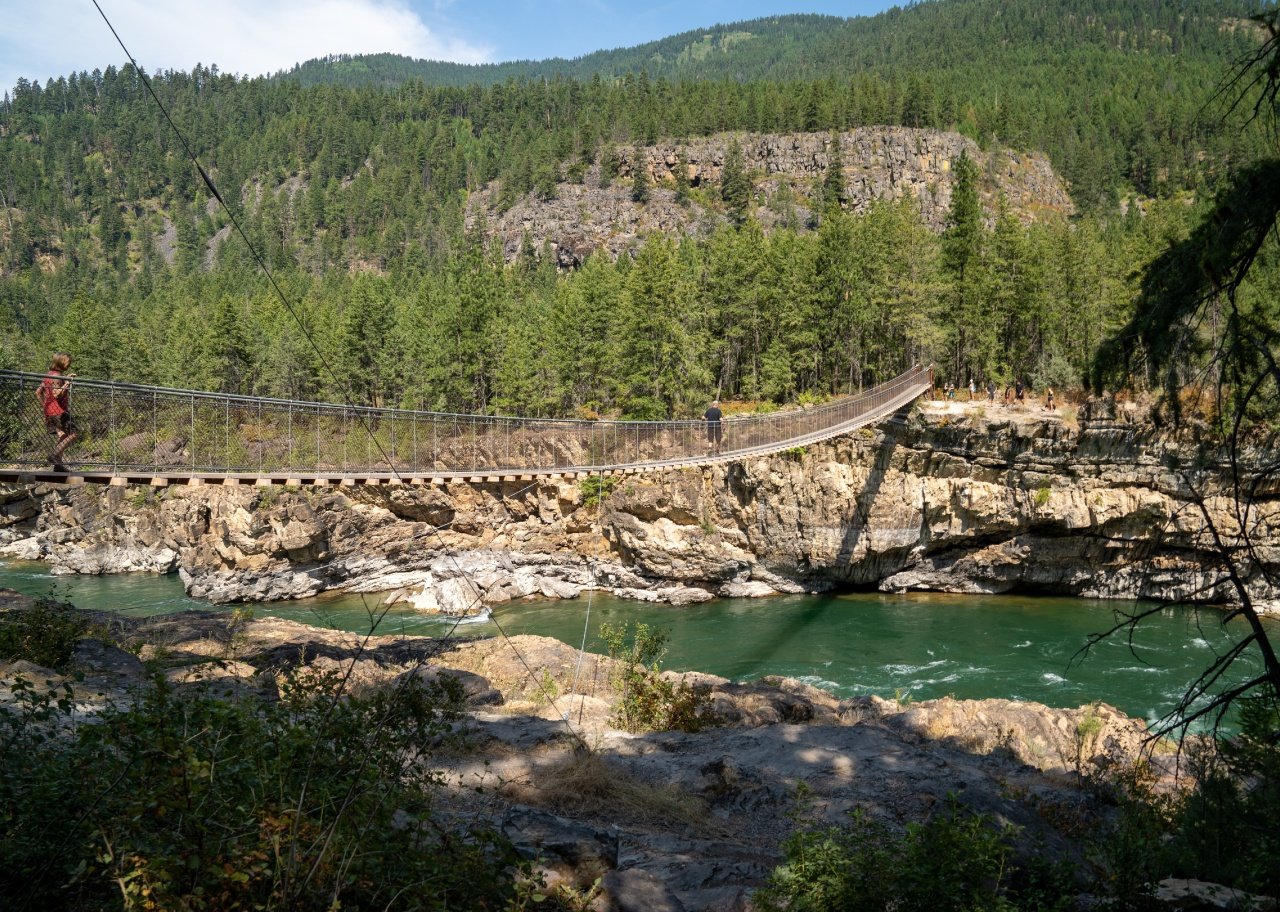
Libby Creek has a mining legacy that dates back to the 1860s and was named for the daughter of an early miner, Stephen Allen. There is no charge for panning, which will please determined miners, as any gold they find belongs to them in the designated gold-panning area.
However, prospectors will need to put in effort to discover their treasures. There are no established parking areas or camping amenities in the gold-panning region. Miners can set up their tents or park their recreational vehicles for a maximum of five days. For those intending to stay longer, the Howard Lake campground is just one mile away and provides opportunities for fishing, swimming, and hiking, along with a water source and restroom facilities.
Crow Creek Gold Mine, Alaska
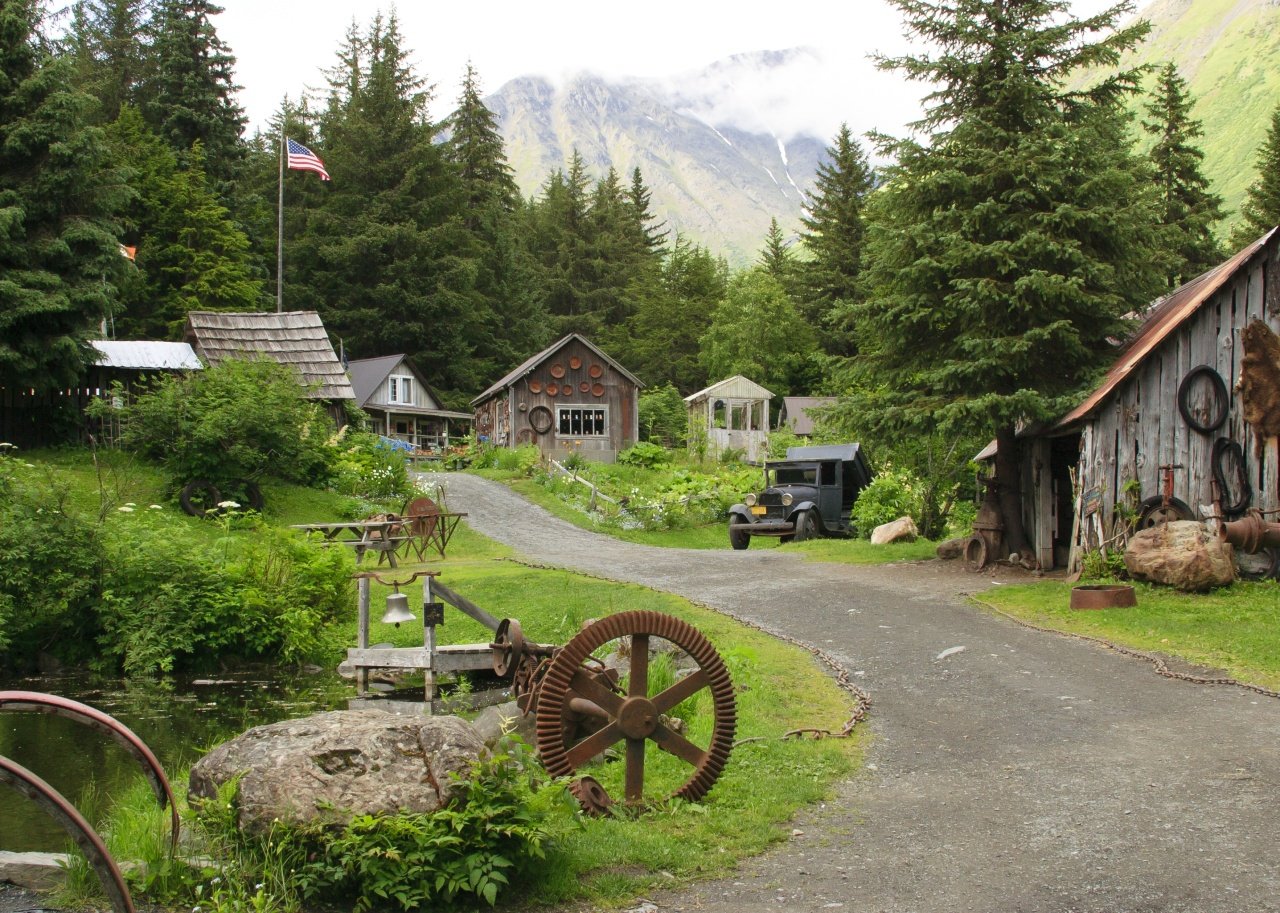
Crow Creek Gold Mine is Alaska’s top location for gold panning. Originally the largest mine in the state, Crow Creek has been in operation since the start of Alaska’s gold rush in 1896.
Owned by a family involved in mining, it is located within an hour’s drive from Anchorage and provides guests with gold panning activities, sluice boxes (long, narrow containers with riffles that trap heavier materials such as metals), and educational mining sessions.
Located in the Chugach Mountains, this mine offers hiking paths and campgrounds where visitors can take in the beautiful scenery. It has also become a popular location for weddings due to its stunning backdrop.
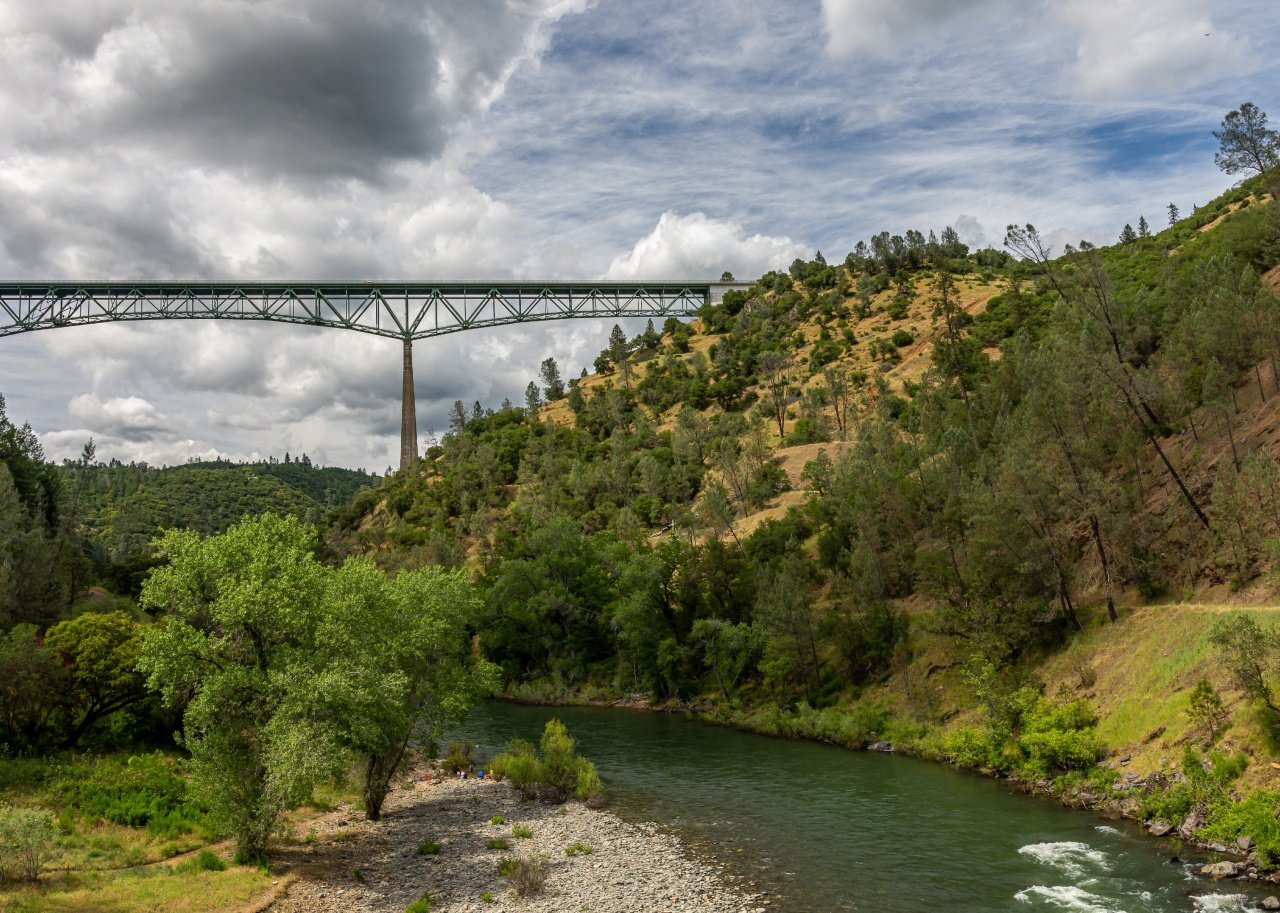
Auburn State Recreation Area, California
California still has numerous locations to hunt for gold along the American River, and Auburn State Recreation Area is a place where guests can visit at no cost. It is situated in the center of the gold region and features roughly 100 miles of hiking and equestrian trails.
Only gold pans are allowed here, according to state regulations. However, there’s no need to worry, as you can still discover gold, since the flowing water assists in wearing away gold particles from river rocks. Don’t forget to take a hike or a horseback ride and enjoy some stunning scenery of California.
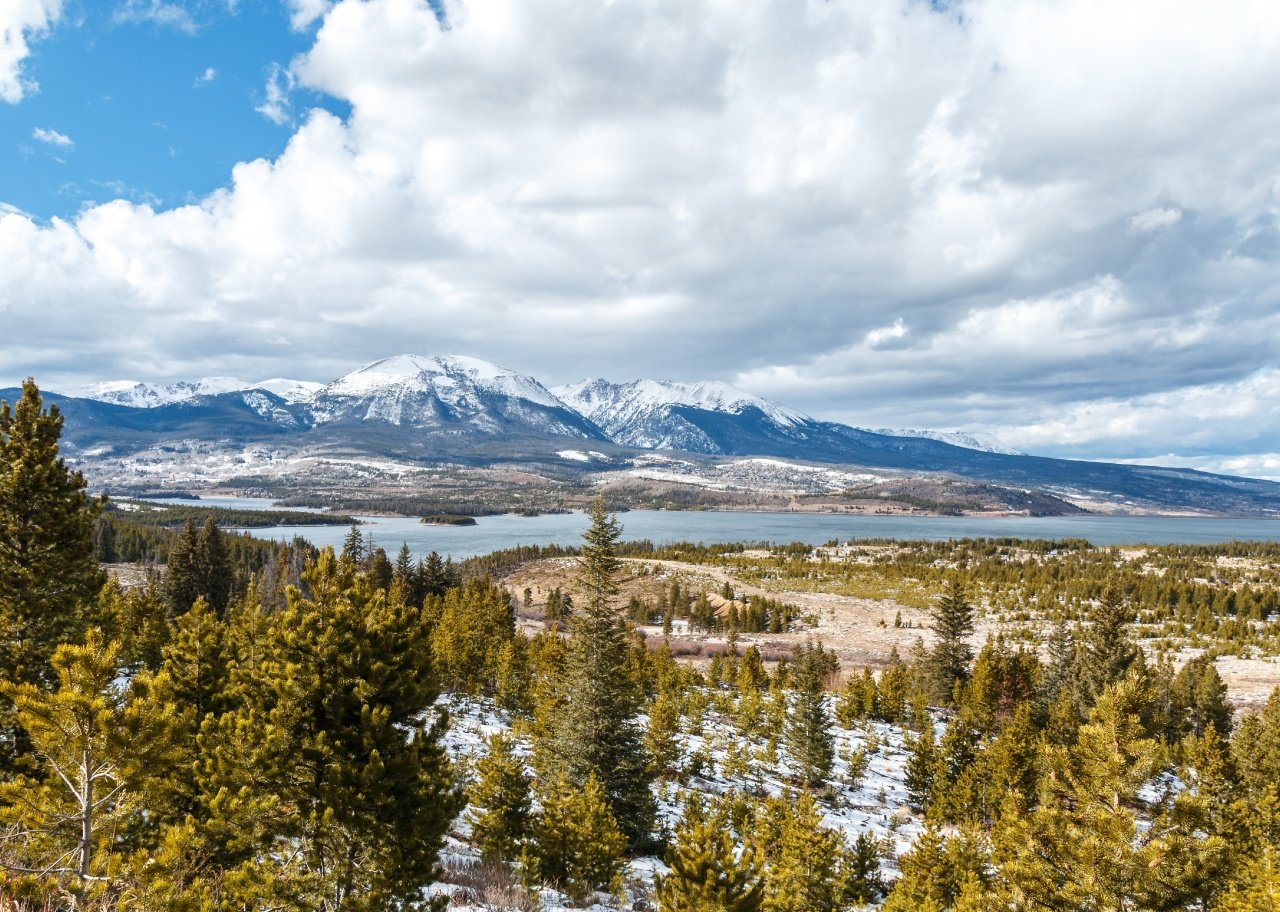
Summit County, Colorado
Gold and silver were responsible for the creation of Summit County. Colorado’s gold rush accelerated the state’s admission into the United States government, while silver sustained the county’s economy during the 1870s and 1880s.
Although the mining era has passed, many locations still hold reminders of the county’s former greatness. You can join a daily tour at Country Boy Mine. Additionally, you can search for gold at Lomax Gulch, where experts will teach you how to distinguish genuine gold from pyrite. It’s also recommended to stroll along the Blue River for stunning scenery, or bring your gold pan and attempt panning as well.
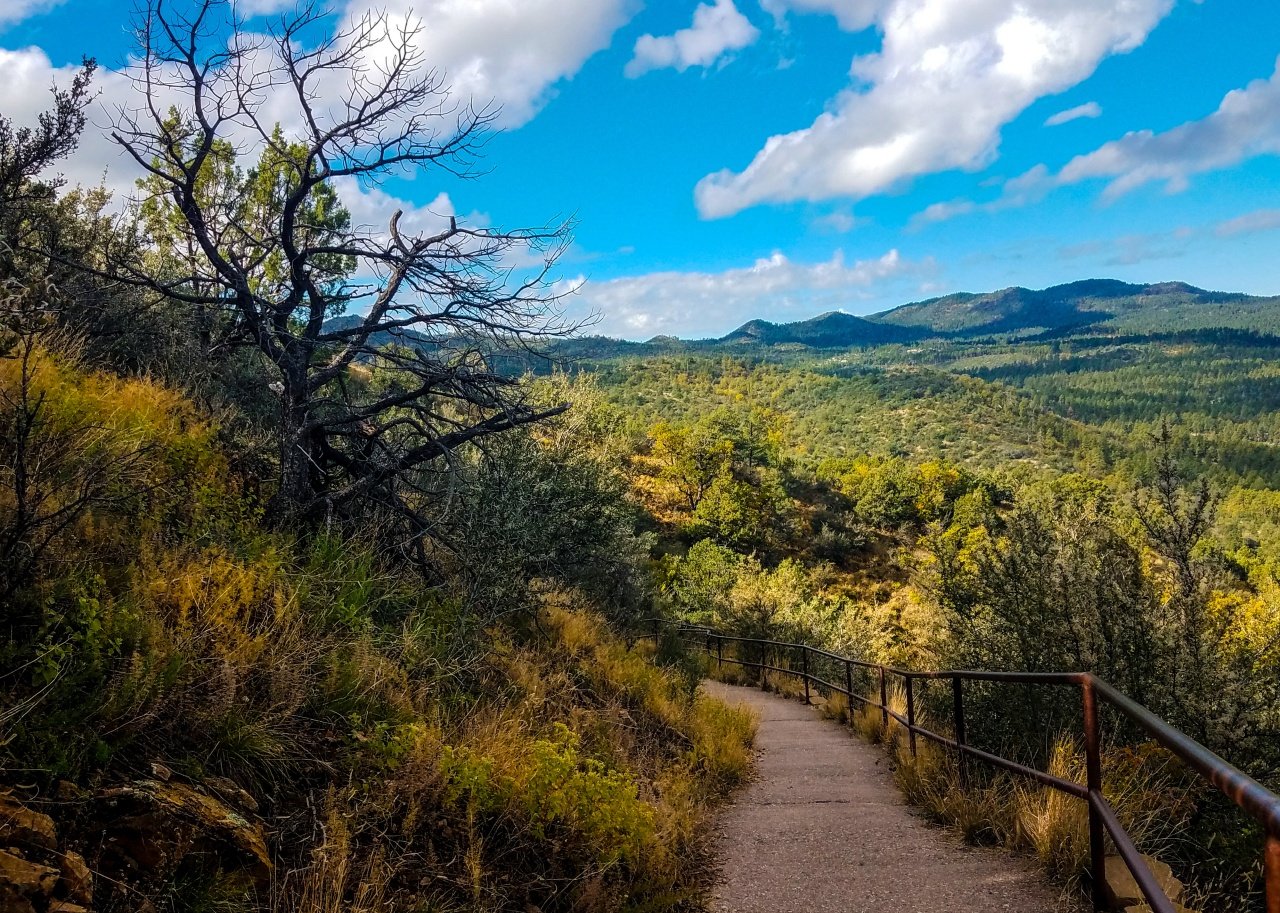
Prescott National Forest, Arizona
After the discovery of gold in the Bradshaw Mountains, Prescott National Forest has drawn numerous individuals due to its rich natural resources, especially gold. The initial gold find occurred in the Lynx Creek area and continues to be accessible for visitors who wish to try gold panning.
At the Lynx Lake Recreation Area, camping is permitted for 14 days within each 30-day span, but the site does not provide picnic tables, fire pits, or access to potable water. Many nearby areas are privately owned, so if you intend to search for gold, ensure you remain within the designated boundaries.
Explorers might also want to explore the rest of the national forest, which features more than 950 miles of trails and various campgrounds to experience. Popular activities include rock climbing, bouldering, and rafting within the forest’s stunning scenery.
Editing the story by Carren Jao. Proofreading by Paris Close. Photography selection by Clarese Moller.