Exploring the Best Beaches in Africa
From sunny Plage d’Agadir to the chic shores of Camps Bay Beach, Africa offers a diverse array of coastal destinations that cater to every traveler’s preference. Whether you’re seeking adventure, relaxation, or cultural immersion, these beaches promise unforgettable experiences.
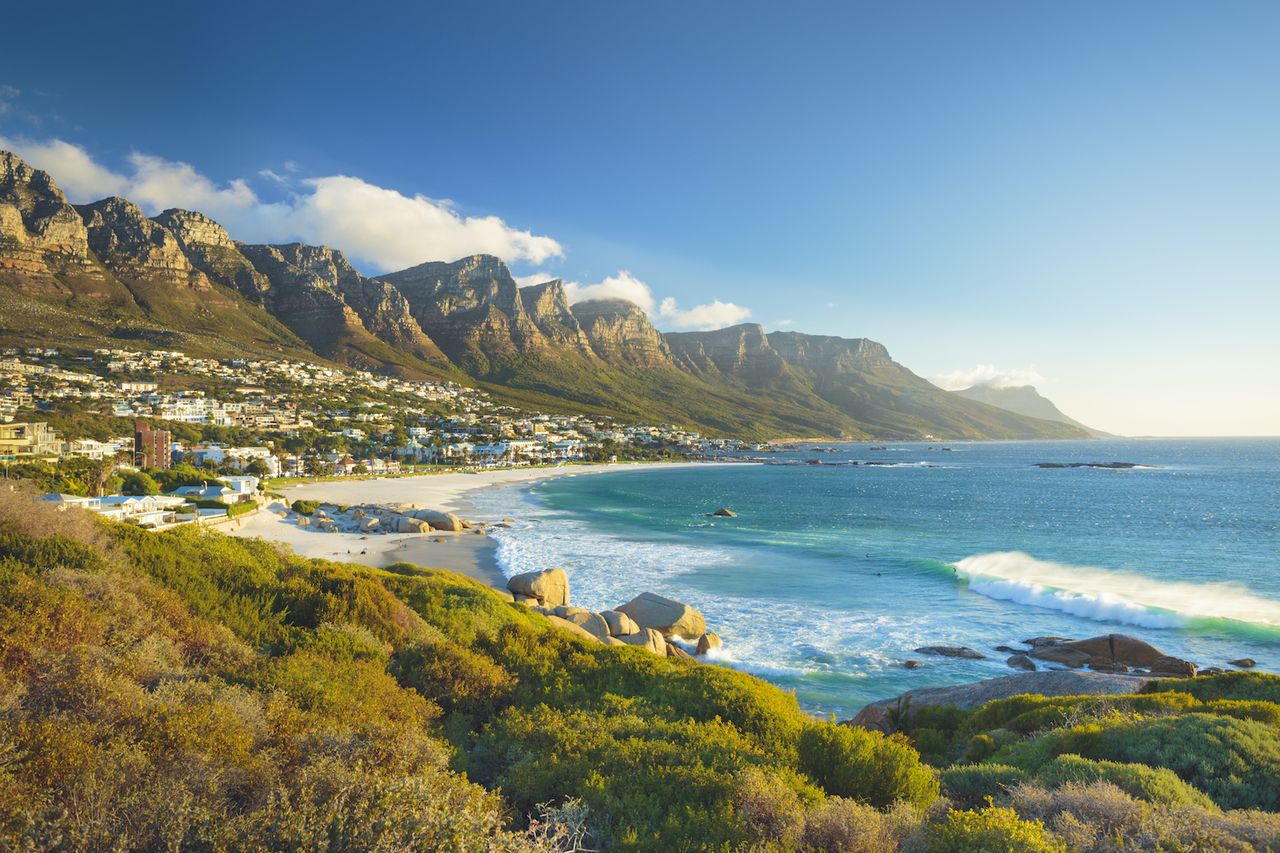
Camps Bay Beach, South Africa
Camps Bay Beach is known for its vibrant atmosphere and celebrity sightings. The European social set descends on this Cape Town party spot every summer for its white sand and chilly blue water, as well as the trendy clubs and hotels that lie in the shadow of the Twelve Apostopes mountain range. Leave your beach read at home, as the rowdy atmosphere is the main draw here.
Pro tip:
Make time to appreciate the spectacular South African scenery beyond the shore. From rides on the Table Mountain Aerial Cableway to day trips to nearby vineyards, there are plenty of ways to explore the Cape Town area.
Ponta do Ouro, Mozambique
The small coastal village of Ponta do Ouro lies near the southern border of Mozambique. Its name translates to the “Tip of Gold,” a perfect description for the lustrous beach, which hugs the blue waters of the Indian Ocean. While this is a popular spot among families year-round, the real draw can be found under the waves. Ponta do Ouro’s warm waters offer some of the best diving spots in Africa, with plenty of coral reefs, whale and reef sharks, turtles, dolphins, and rays—plus, great visibility, a real perk for underwater photographers.
Pro tip:
Head here between October and May for shark diving season, which also coincides with Mozambique’s summer, when the water is the perfect temperature for diving.
Plage d’Agadir, Morocco
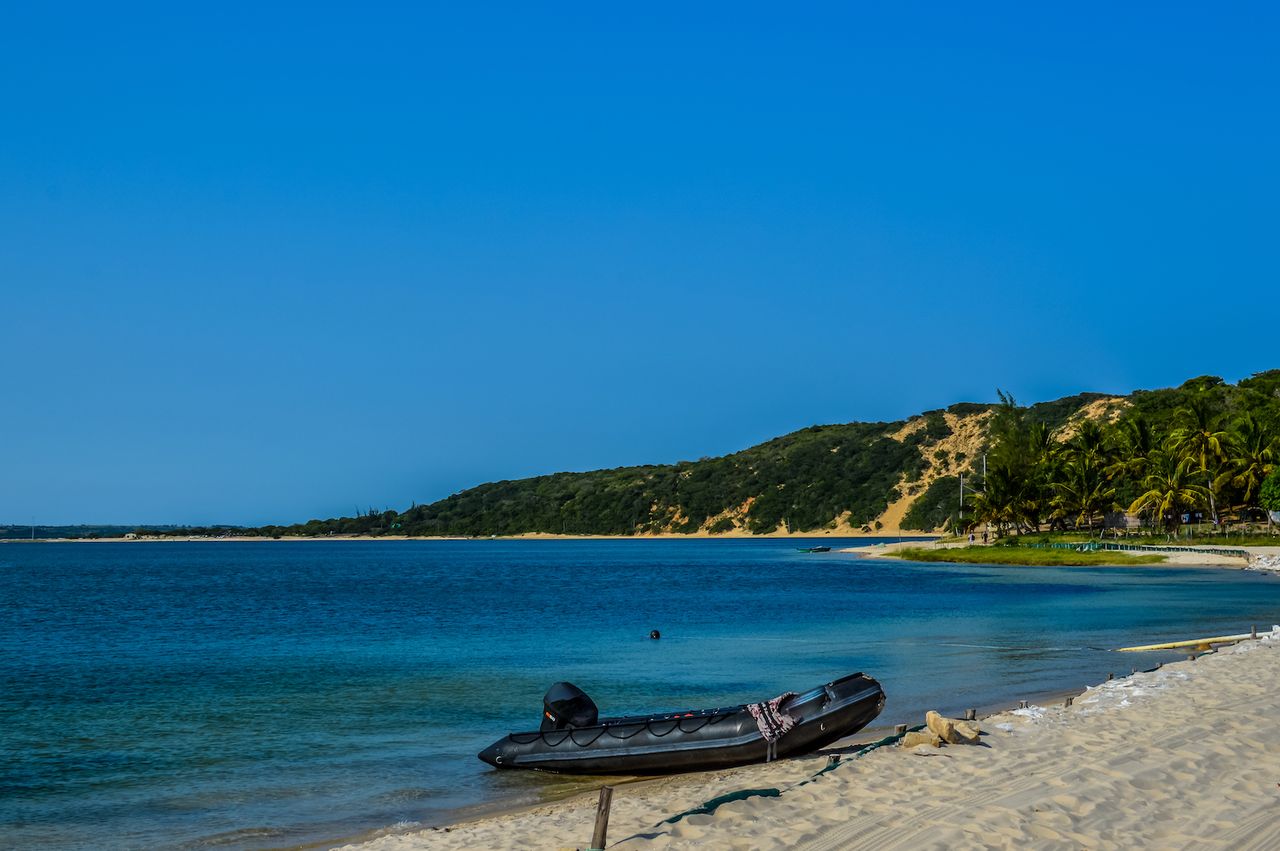
The modern city of Agadir grew from the ruins of an older town that was destroyed in an earthquake in the 1960s. Today, it’s the laid-back beaches, particularly Plage d’Agadir, that are the real draw here. This popular stretch is known for its aquamarine waves and shimmering bronze sand. And with an average of 300 days of sunshine a year, it’s a popular place for sunbathing, water sports, and relaxing at one of the outdoor cafes and restaurants along the seaside promenade.
Pro tip:
History buffs will want to visit the ruins of the Kasbah of Agadir Oufella, an impressive site that dates to the 16th century. Leave time to visit the bustling bazaar, Souk El Had (The Big Market), for a souvenir or two to remember your trip by—or for some fresh fruits, veggies, and snacks for your day at the beach.
Loango National Park, Gabon
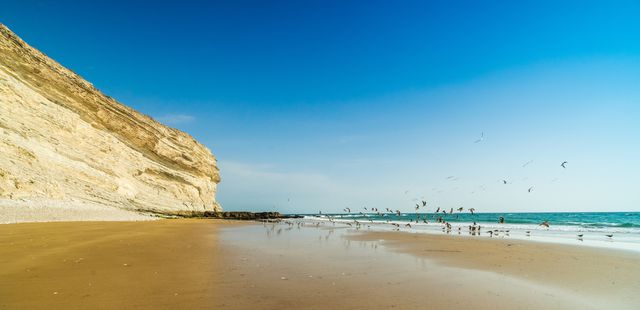
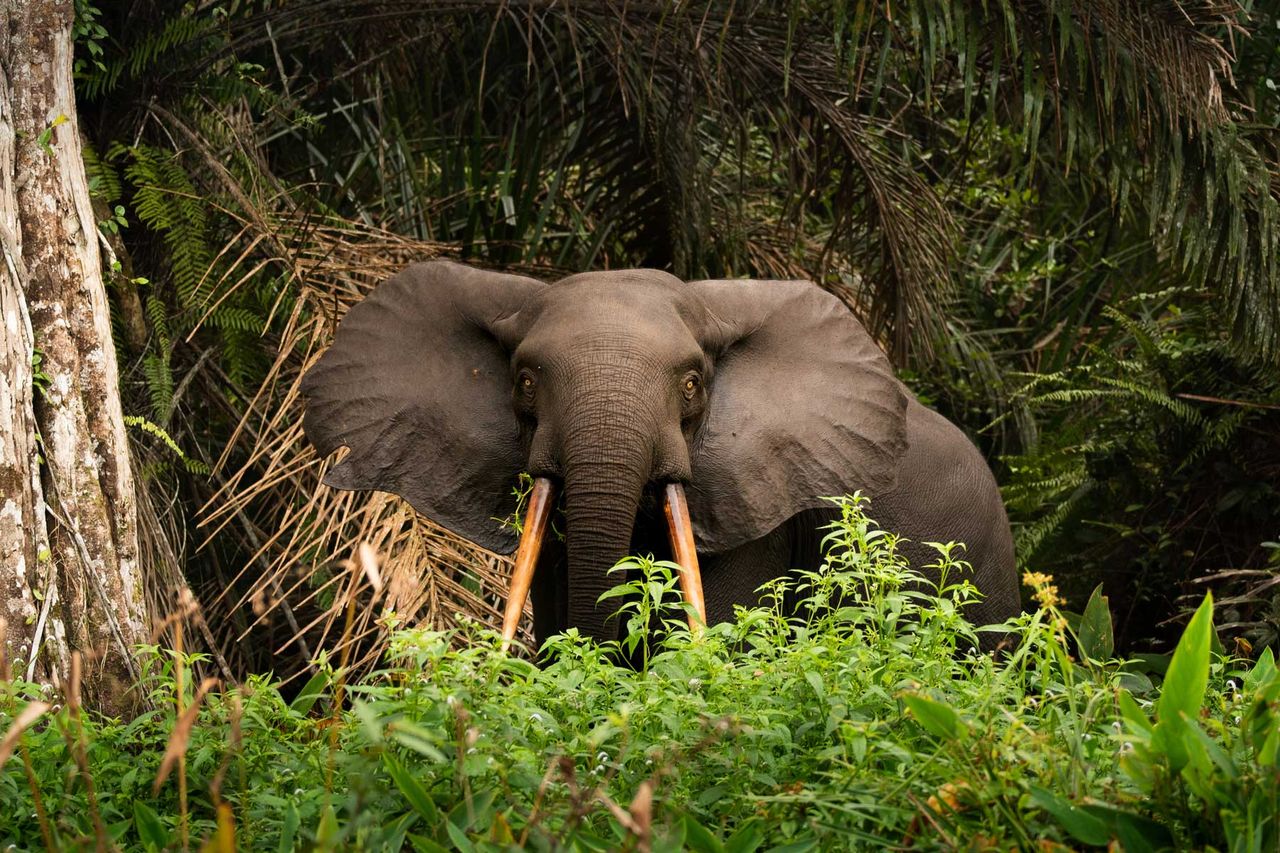
This is a beach for the adventurous. With teeming forests, sweeping grasslands, and thriving estuaries, Loango National Park in Gabon has the most developed beach safari setup for tourists. Elephants and forest buffalos roam the shores, while the area is renowned for its seasonal leatherback turtle sightings and brilliant bird life. These unique avian species sound like something out of a Roald Dahl book, with names like white-crested tiger herons, vermiculated fishing owls, and chocolate-backed kingfishers.
Pro tip:
Keep an eye out for Loango National Park’s famous “surfing hippos,” which can be seen splashing and enjoying the waves along the shoreline.
Skeleton Coast, Namibia
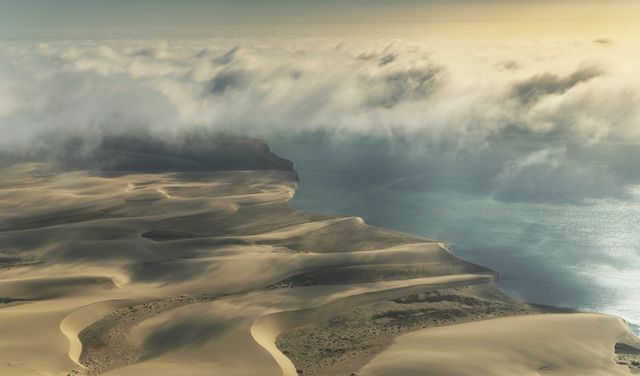
Known for its extremely rough waters and rocky coastline, this remote section of the Namibian coast is not meant for sunbathers or scuba divers. Instead, adventurous beachgoers can check out the remains of hundreds of shipwrecks, lodged in the desolate sand. Beach-dwelling desert lions, hyenas, and fur seals can be seen roaming the eerie, fog-covered shore. This 6,500-square-mile wilderness full of predators and giant dunes feels post-apocalyptic and yields photos just as raw and captivating.
Pro tip:
You can explore the Skeleton Coast by booking a safari with one of several local operators, or tour the area on your own in a 4×4 vehicle.
Mafia Island, Tanzania
If you would like to avoid the crowds of Zanzibar, head to this lesser-known isle further down the Tanzanian coast. Due to its remote location, mostly empty beaches are practically guaranteed. Head to Butiama Beach near the charming capital, Kilindoni, or the southern shores of Chole Bay for cookie-crumb-like sands and scenic tidal flats. Just offshore, Mafia Island Marine Park is home to vibrant coral reef systems and elaborate trenches ideal for diving.
Pro tip:
Whale sharks, which are best observed with simple snorkeling gear, visit the area between October and March, when seasonal winds bring nutritious plankton for the world’s largest fish to feed on.
Cabo Ledo, Angola
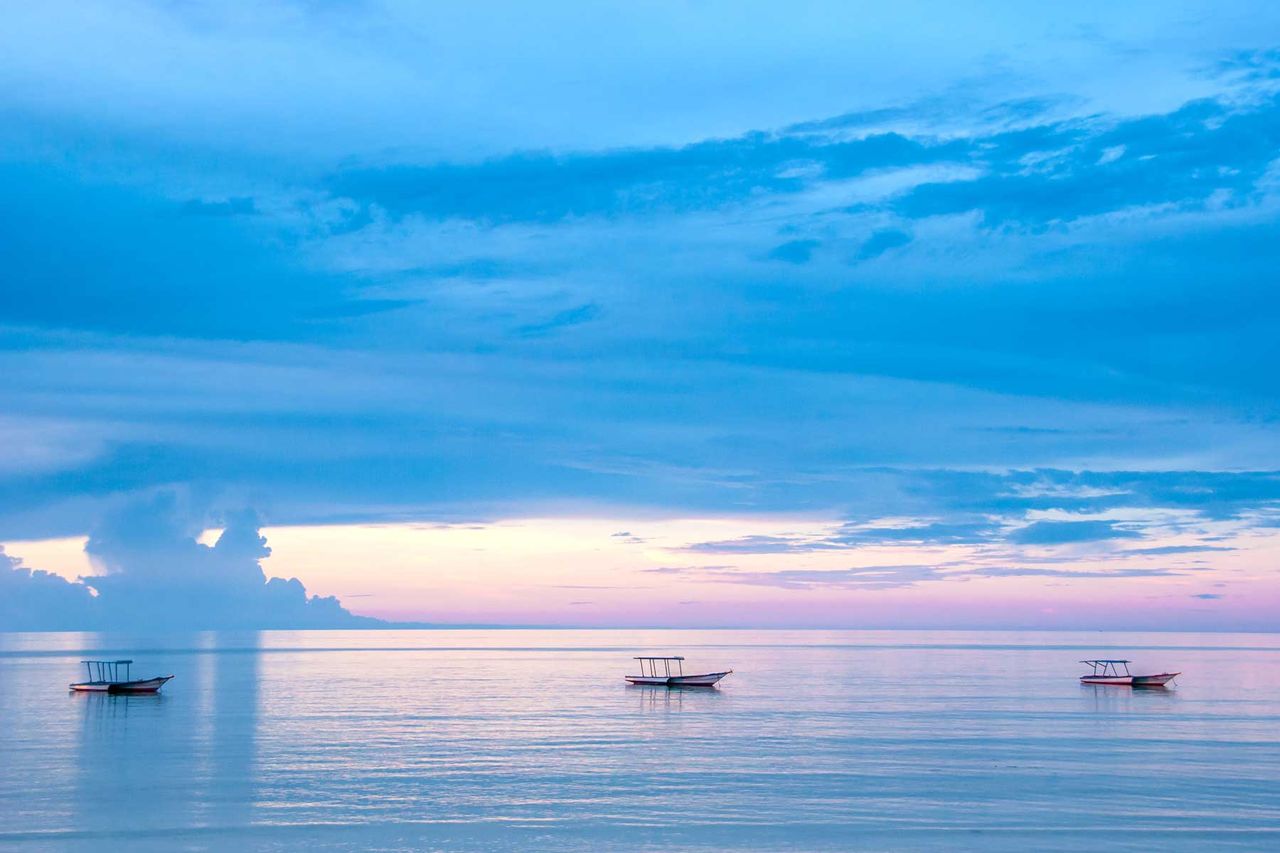
Sealed off from international travel for decades following a brutal civil war, Angola is slowly becoming more accessible, though visitors should still exercise caution in the capital, Luanda, following recent protests, according to the U.S. Department of State. Home to around 1,000 miles of varying coastline habitats, the country has emerged as a prime surf destination. The easiest and prettiest beaches to visit are in Cabo Ledo. About a two-hour drive south of Luanda, the Praia dos Surfistas (Surfers’ Beach) is set on a broad bay with beginner-friendly breaks and a smattering of easygoing beachfront resorts.
Pro tip:
The winter season, between May and October, provides the best conditions for impressive waves.
iSimangaliso Wetland Park, South Africa
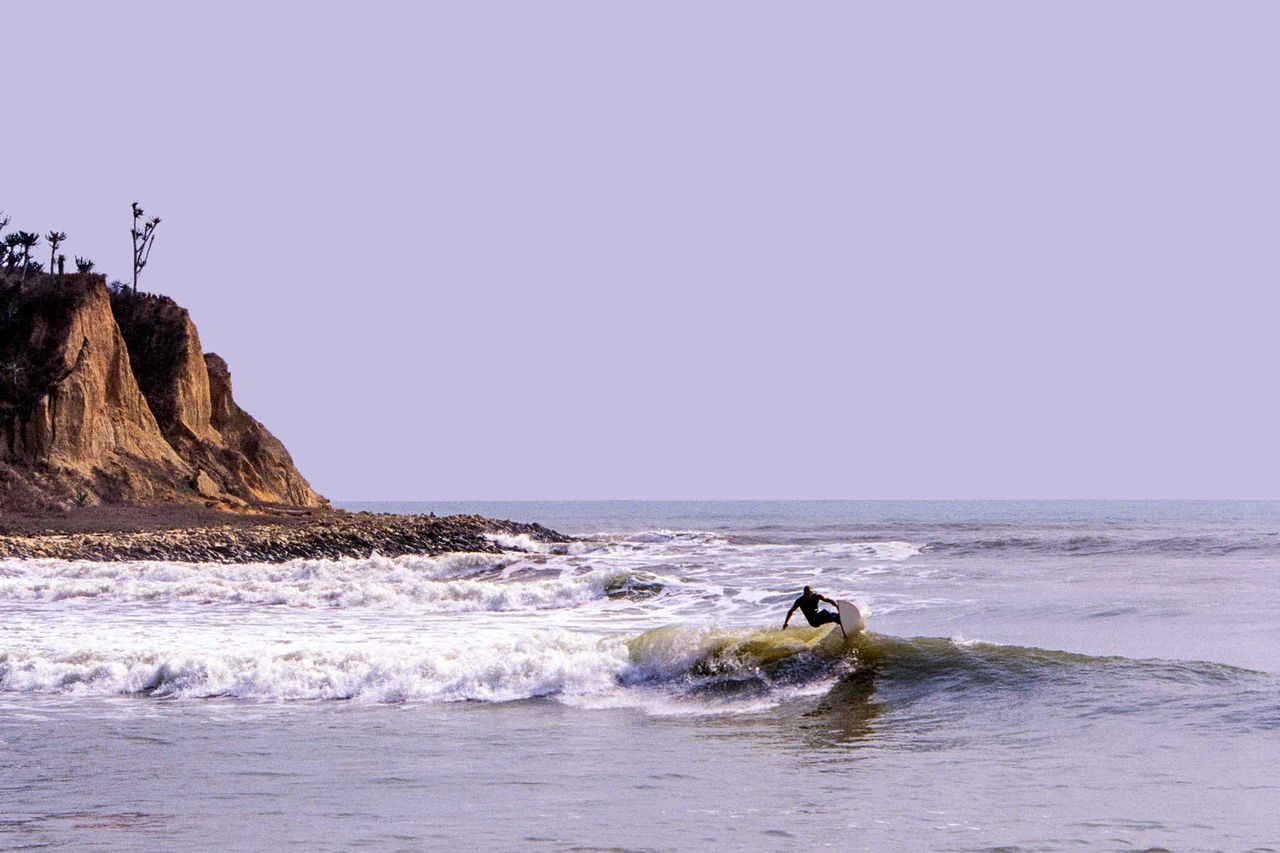
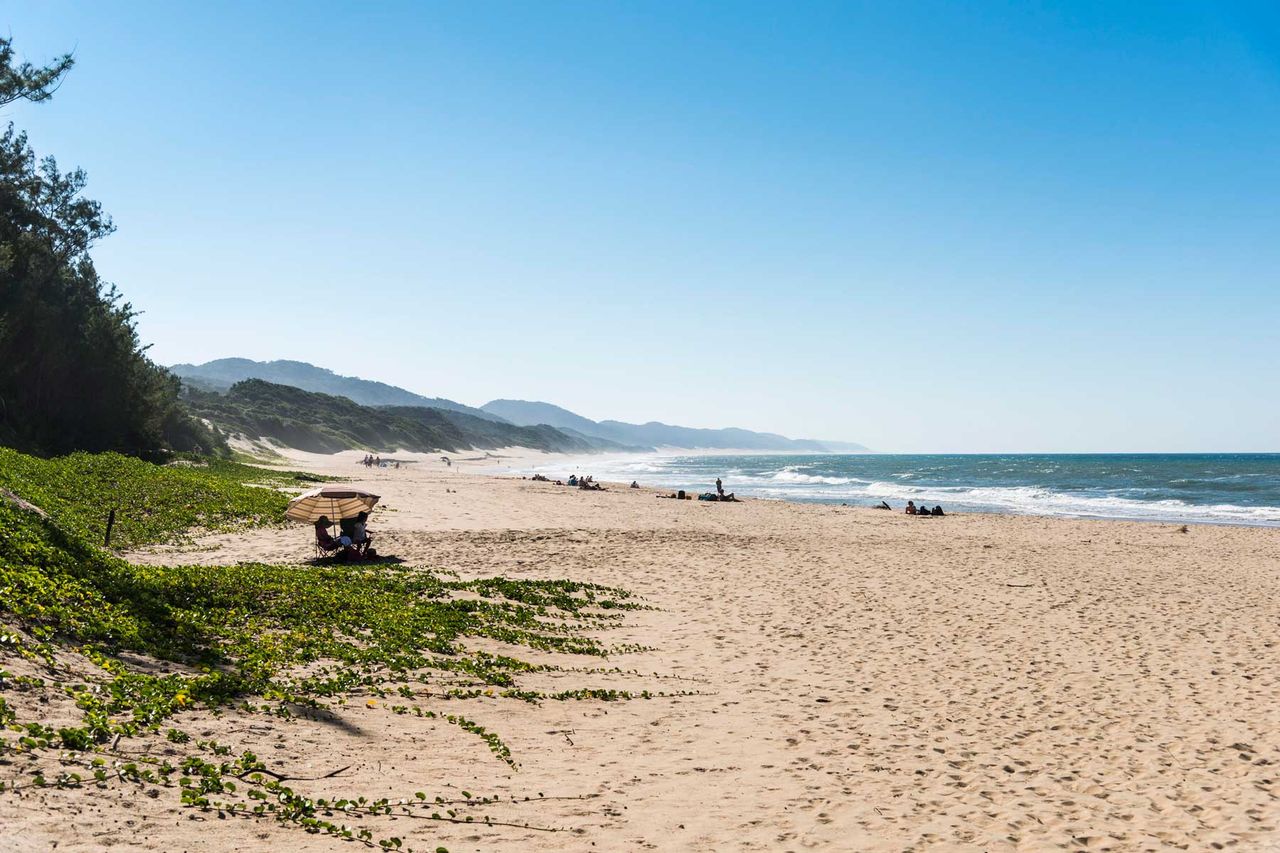
iSimangaliso means “miracle and wonder” in Zulu, South Africa’s regional language, and this vast protected coastal swath lives up to its name. Stretching for 136 miles, from Kosi Bay to Maphelane, iSimangaliso Wetland Park is one of the country’s most beautiful and biodiverse areas. It’s home to several notable beaches, including Cape Vidal and Sodwana Bay, known for their coral reefs and scuba diving scene. The beaches near St. Lucia are popular for day trips, often combined with a morning or afternoon safari on nearby Lake St. Lucia. Farther north, less-visited stretches, such as Black Rock Beach, Bhanga Nek, Mabibi, and Kosi Bay, are ideal for secluded snorkeling and uninterrupted lounging.
Pro tip:
iSimangaliso Wetland Park is also an incredible place to see turtles in the wild, as they return to the area each year to lay their eggs. Time your trip for the summer, from November to March, and you may be able to track leatherback and loggerhead turtles during a guided tour. It’s an incredible experience to spot the creatures traveling up the steep beach to nest—or, if you’re lucky, hatchlings returning to sea.
Bazaruto Archipelago, Mozambique
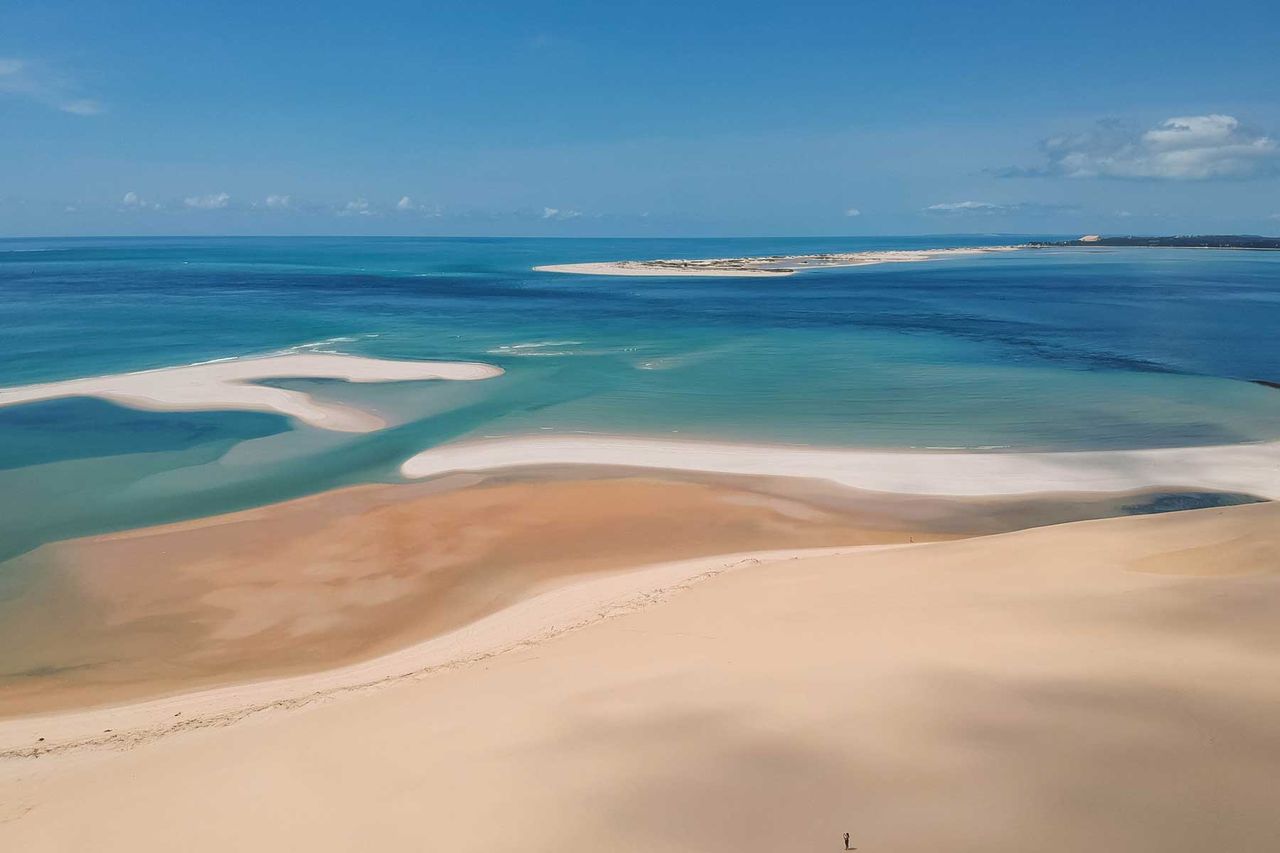
Elevated beachside luxury is easy to find in this aquamarine paradise. Mozambique’s Bazaruto Archipelago comprises five gorgeous islands off the coast of Vilanculos (this is where you’ll find the airport). Sharks, whales, rays, turtles, dolphins, and even the rare dugong (a manatee-like creature) swim these stunning seas alongside hundreds of species of fish.
Pro tip:
You’ll find a slew of sustainable stays that complement the wild waters. Among them, Kisawa Sanctuary is known for using 3D printing technology to create natural building materials, essentially a mixture of sand and seawater.
Cape Maclear, Lake Malawi
An enormous inland pool of clear water stretching as far as the eye can see, Lake Malawi offers many opportunities for affordable lakeside leisure. In the town of Cape Maclear, you can stroll straight from your hotel suite onto the beach or into a nearby beach bar. Kayaking, swimming, and snorkeling to see the lake’s vibrant cichlid fish population are popular pastimes.
Pro tip:
The immediate area also forms part of Lake Malawi National Park, a UNESCO World Heritage Site and the world’s first freshwater nature reserve. Whether you fly into Chileka International Airport in Blantyre or Kamuzu International Airport in Lilongwe, it will take you about four hours to drive to the park.
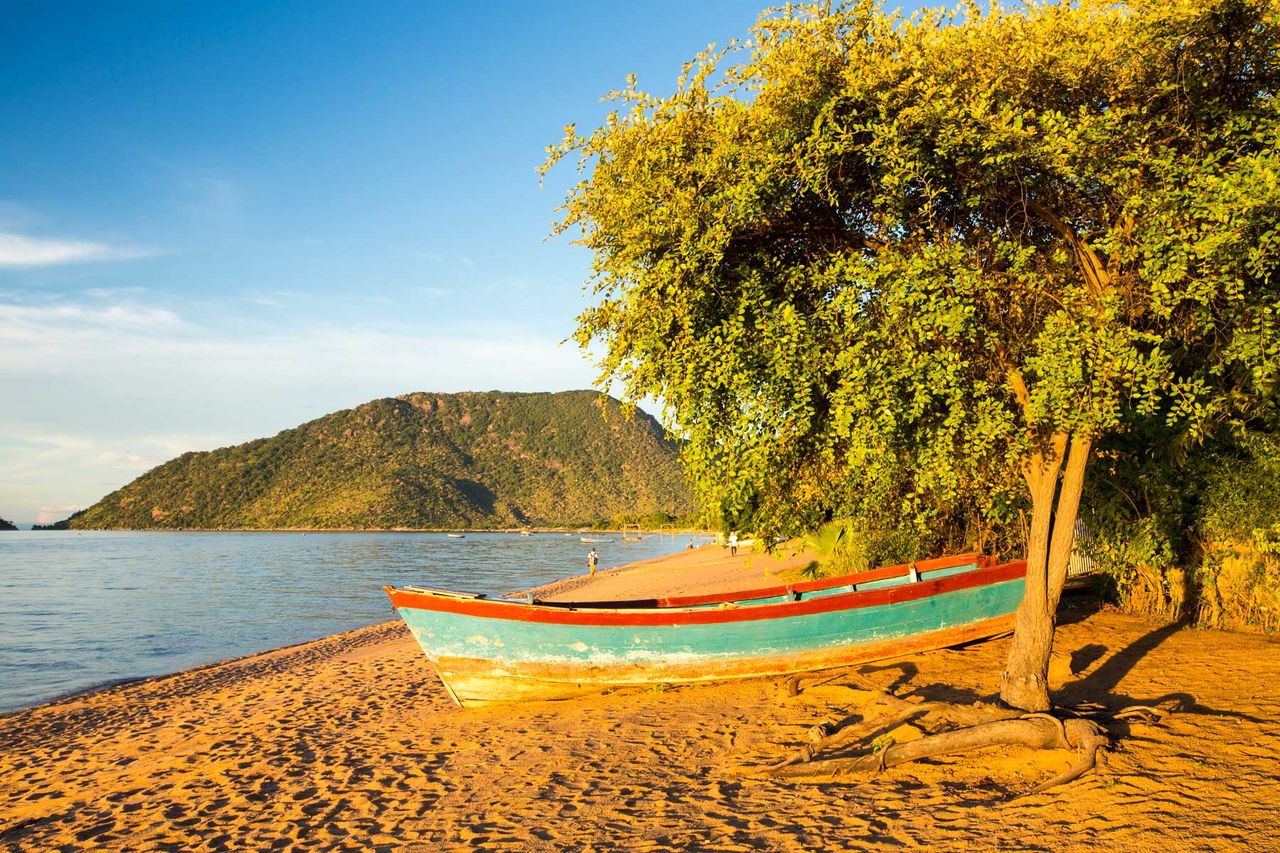
Grand-Popo, Republic of Benin
The expansive sandy beaches of Grand-Popo are incredibly enticing but not suitable for swimming, as the sea is typically rough and full of dangerous rip currents. Stick to the sand instead and discover a precious pocket of West African culture. Grand-Popo is famous as a festival site, but if you visit during quieter times of the year, you can unwind peacefully under one of the many straw huts with wooden loungers set up along the sand.
Pro tip:
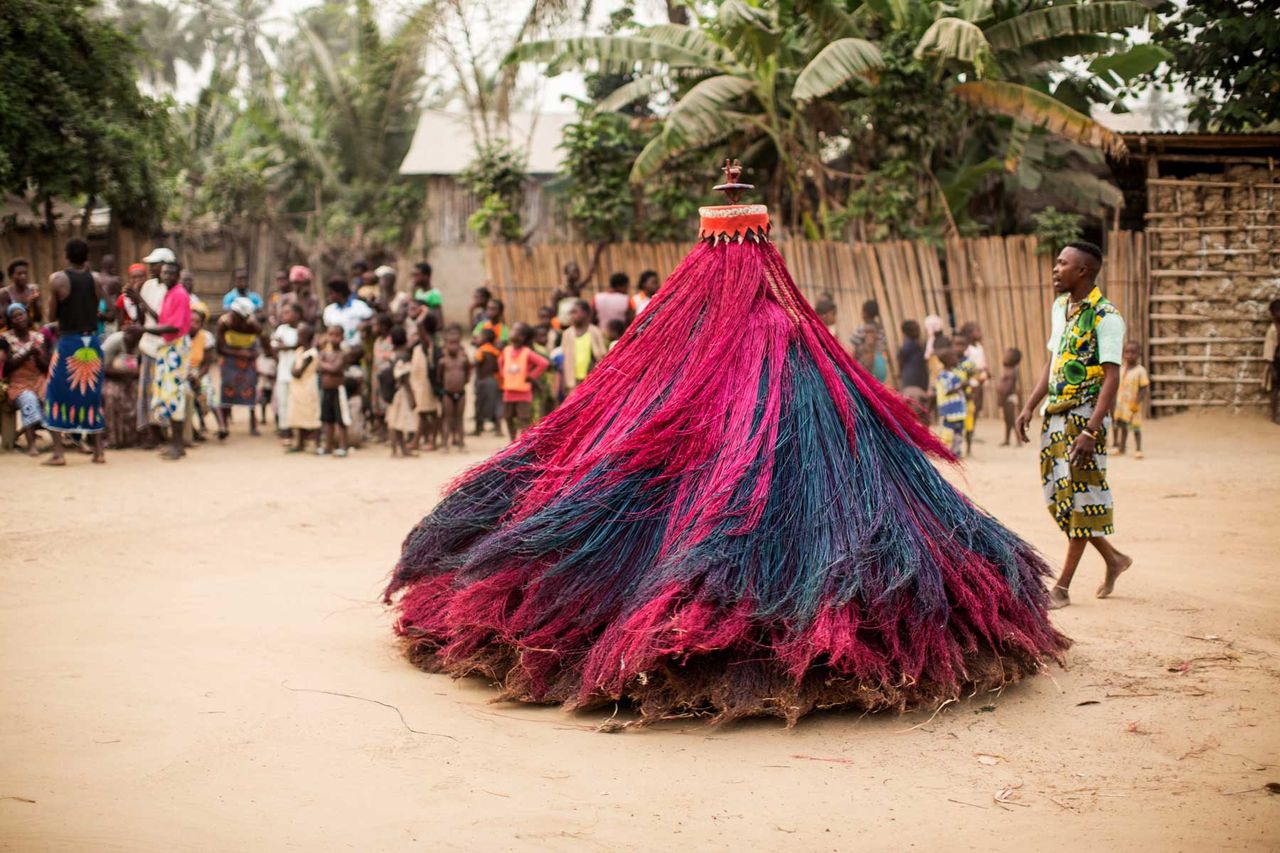
Benin is one of the birthplaces of Vodun, the religion also known as Voodoo. Time your trip to experience the celebrations during Fête du Vodun, an annual festival held on January 10 in Grand-Popo and Ouidah (about a 45-minute drive away).
Margarida, Príncipe
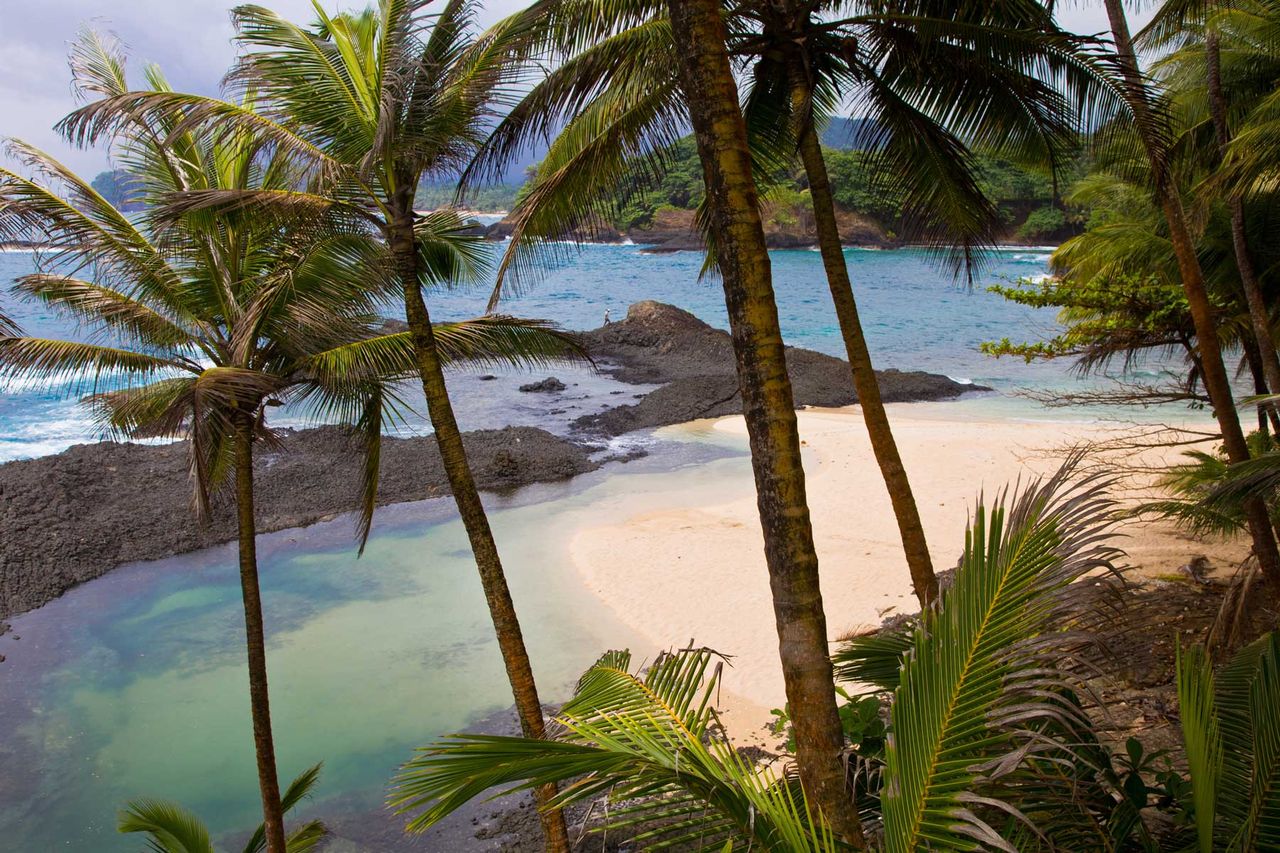
Once known as the Chocolate Islands due to the robust cacao trade, the two-isle nation of São Tomé and Príncipe is now referred to as the African Galápagos, thanks to its isolated location far from the mainland. Located on Príncipe, Margarida Beach is reachable only by boat or on foot. Here, the warm water laps in emerald green waves, and it’s easy to spot kingfishers trilling from the trees as you wade in.
Pro tip:
Enjoy an eco-friendly stay at one of HBD Príncipe’s sustainable properties, which include Omali on São Tomé, and Roça Sundy, Bom Bom, and Sundy Praia on Príncipe Island.
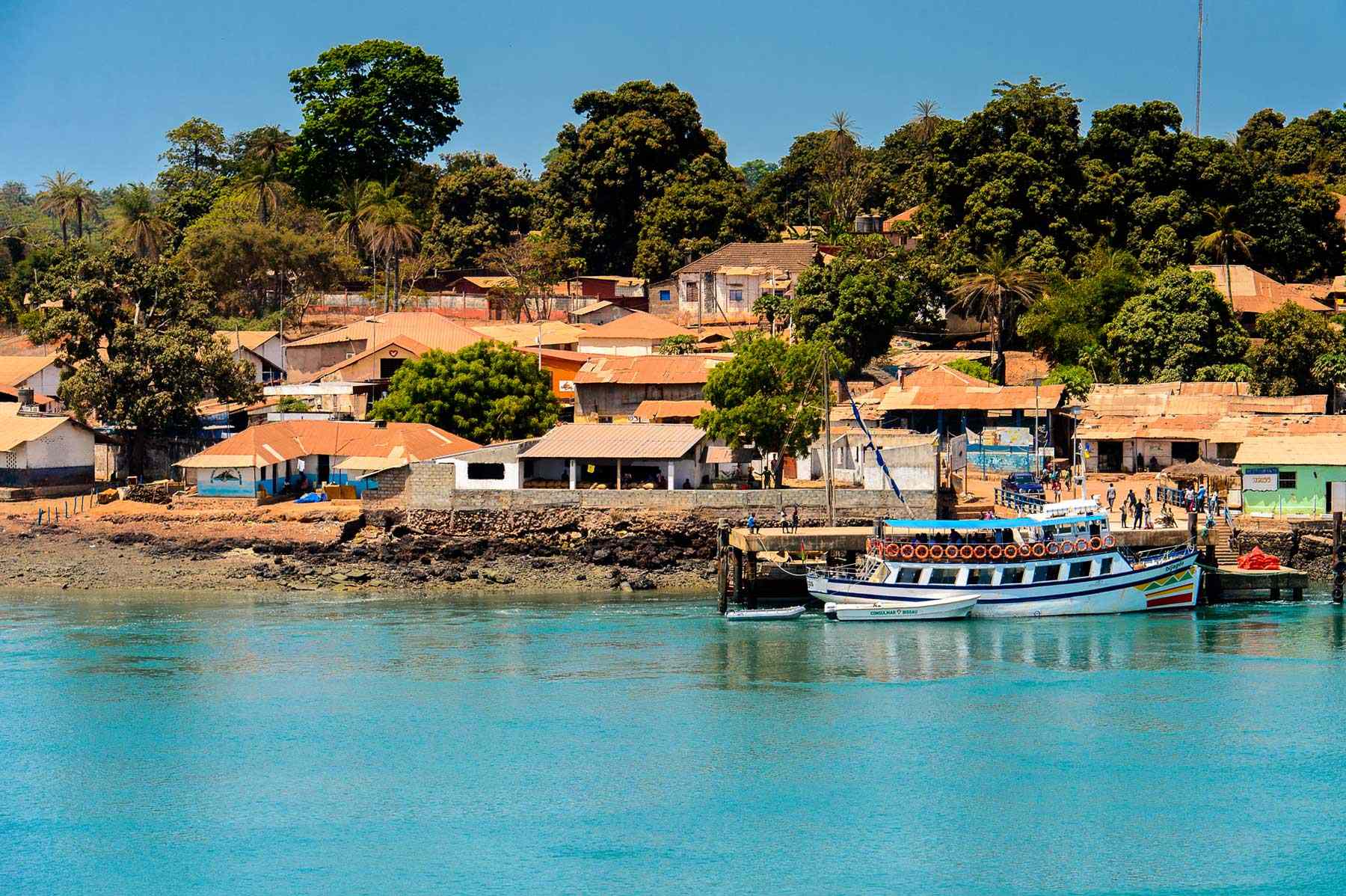
Bruce Beach, Guinea-Bissau
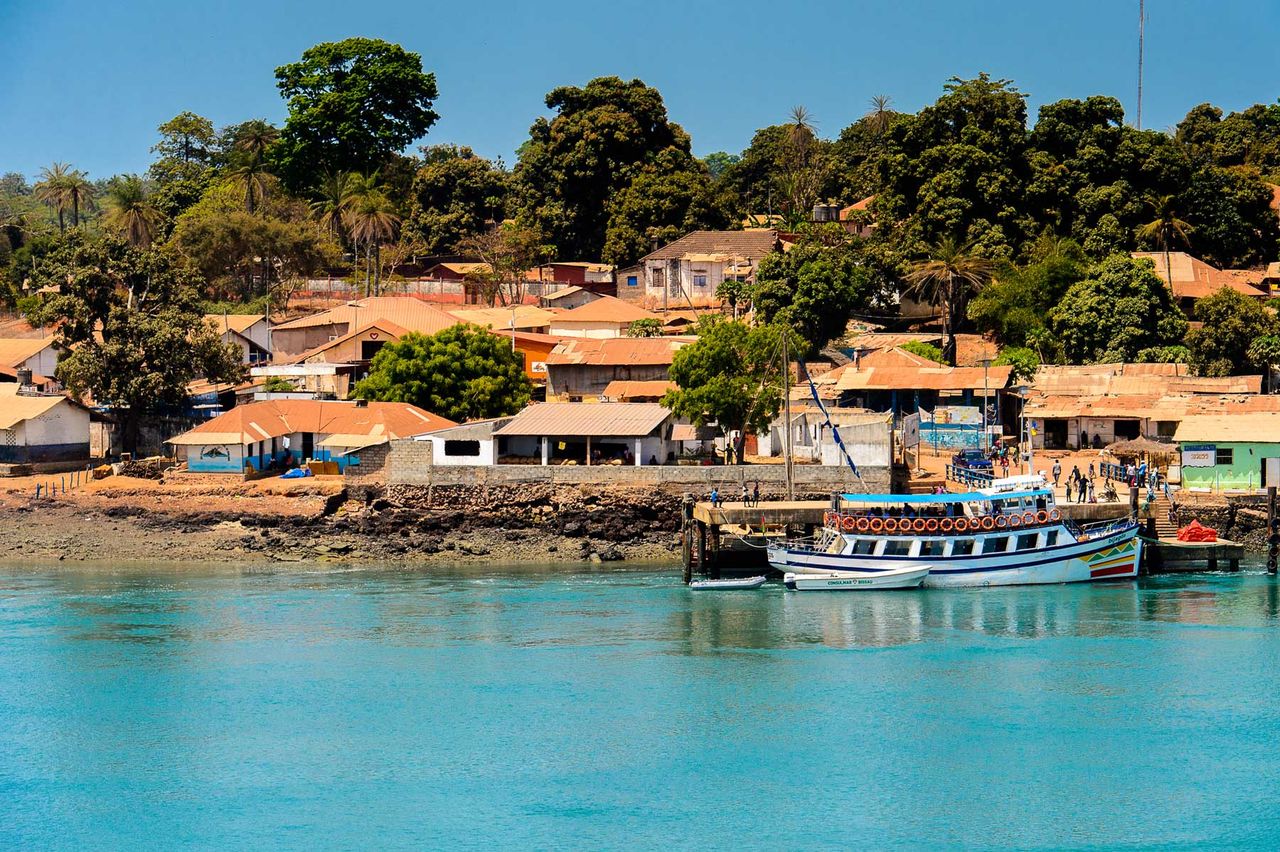
The Bijagós archipelago, a UNESCO Biosphere Reserve located off the coast of Guinea-Bissau, is composed of 88 islands, but only about 20 are permanently inhabited. The most significant population calls Bubaque Island home. Visitors can land at the old port and make the bumpy nine-mile drive down the length of the entire peninsula to reach the crisp waters of Bruce Beach. Expect everything—including the rustic beach camps, fresh ocean-to-plate fish, and the ferry ride from the mainland to Bubaque—to take its sweet time here.
Pro tip:
For a memorable trip to Bruce Beach, consider renting a bicycle from one of the local vendors near the main port in Bubaque, such as Hôtel Kasa Afrikana or Cajou Lodge.
Elmina, Ghana
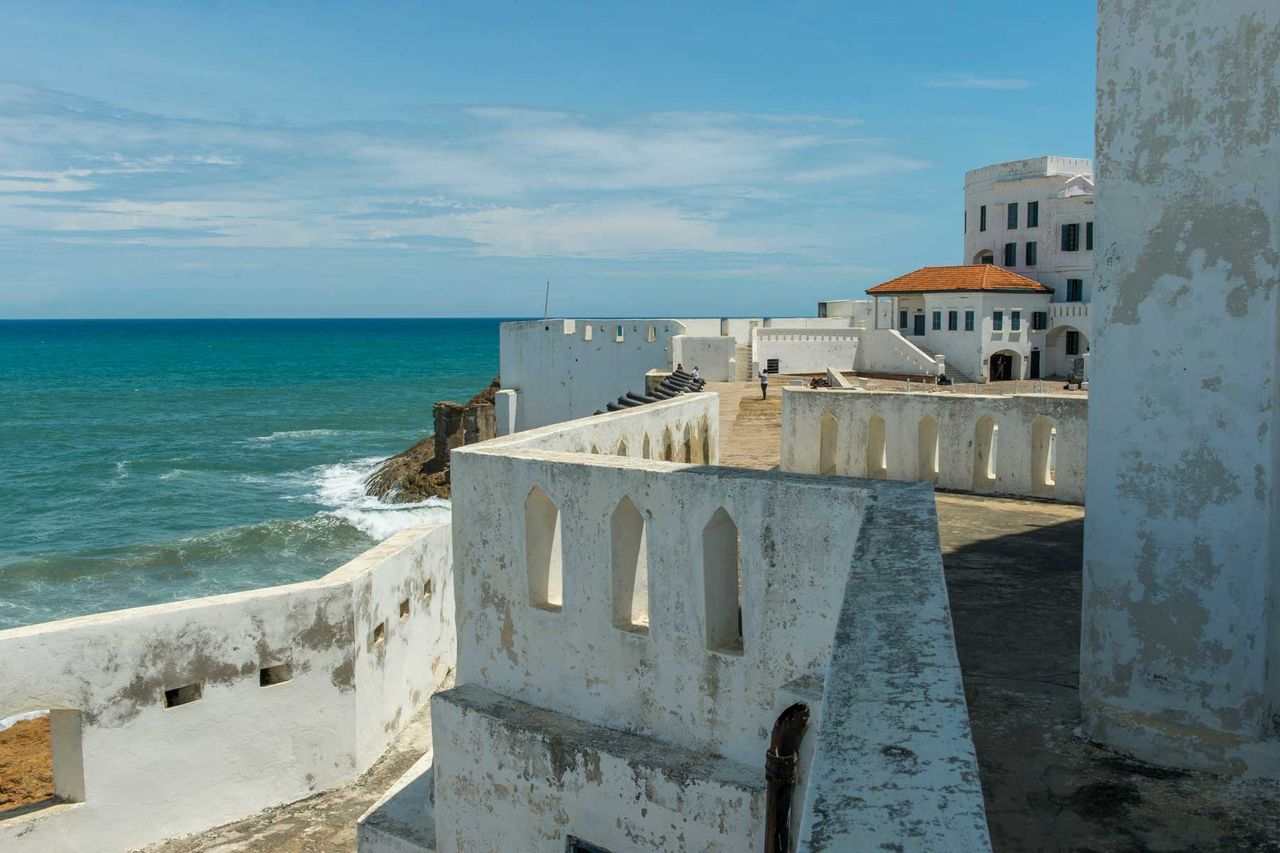
Africa’s shores may be beautiful, but there’s a somber history beyond the sun and sand. Honor the land—and the memory of those who were forced to leave it—with a visit to Elmina. Start by visiting Elmina Castle, the oldest European building in sub-Saharan Africa, founded by Portuguese colonizers in 1482. Then, drive 20 minutes down the road to the Cape Coast Castle Museum, which acknowledges the grim atrocities and consequences of slavery. After a firsthand confrontation with its inhumane dungeons and the “Door of No Return,” which led countless enslaved Africans from their homeland forever, you’ll never see the Atlantic Ocean the same way again.
Pro tip:
Untold numbers of Africans left the continent here, but Ghana’s Beyond the Return aims to help their descendants come back. Launched in 2020 after the 400th anniversary of the first African slaves arriving in Jamestown, Virginia, the decade-long initiative encourages people of African descent to visit or repatriate and reconnect with their heritage and culture.
Anse Source D’Argent, Seychelles
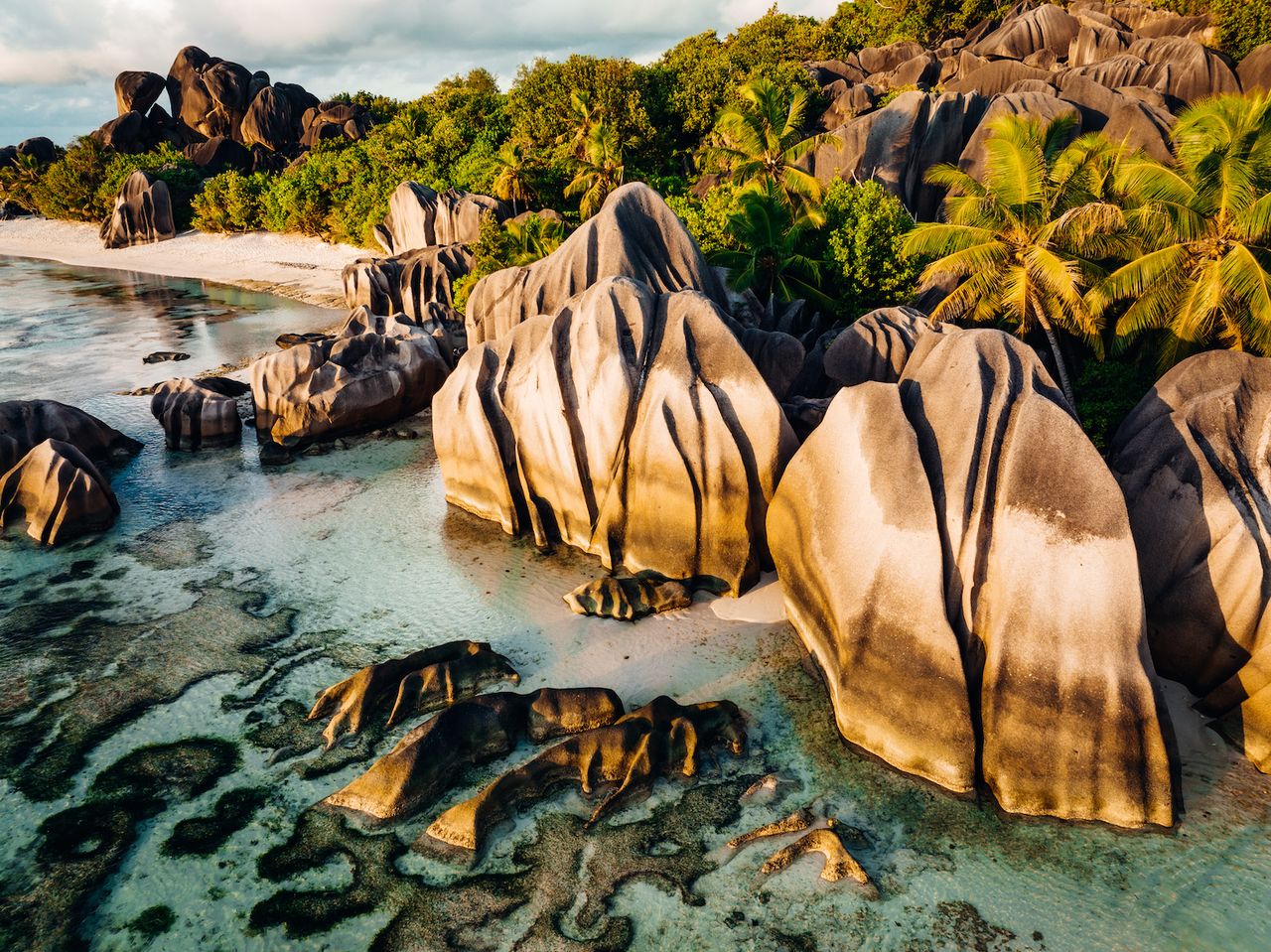
One of the most beautiful beaches in the world, this sandy strip is surrounded by lush palms and polished granite boulders. Part of the 115 islands that make up the Seychelles archipelago, La Digue island is a popular destination full of ritzy resorts and hotels. Anse Source D’Argent is set just a few miles from the action, so you’ll feel like you’re in a tropical paradise as you lounge the day away.
Pro tip:
Anse Source D’Argent is known for its shallow, crystalline waters, perfect for snorkeling and swimming.