Before You Book
The idea of crossing the Atlantic Ocean by ship rather than flying still evokes a sense of adventure reminiscent of the golden age of travel, when this was the only way to reach the Americas. The North Atlantic is steeped in history, with stories of early explorers, thrilling races, and the tragic tale of the Titanic disaster. Cunard’s Queen Mary 2 (QM2) continues to sail the transatlantic route from Southampton to New York, which is not only the most famous but also one of the shortest ways to cross the ocean. As you depart, there’s nothing quite like the realization that you won’t see land for the next seven days.
Purists argue that Cunard’s transatlantic sailings are crossings rather than cruises, but the variety of voyages has expanded significantly. Different routes now connect European cities such as Rome, Barcelona, and Lisbon to destinations like Miami, Barbados, and Rio de Janeiro. These typically occur each spring as cruise ships reposition from the Caribbean and South America to the Mediterranean for the summer season before returning south in the autumn.
What Is a Transatlantic Cruise?
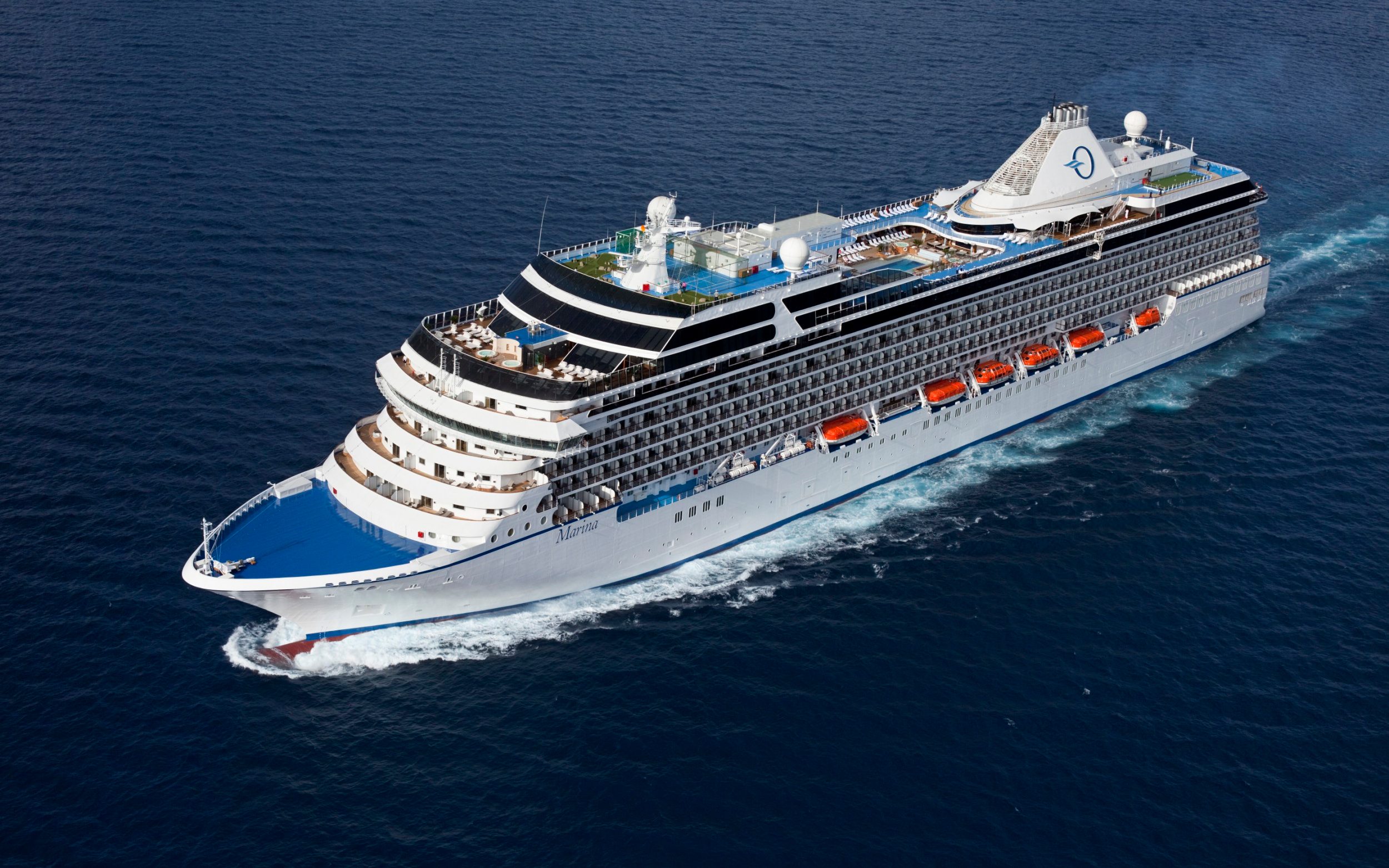
The classic crossing that often tops travel bucket lists is aboard the QM2 between Southampton and New York. This journey offers the thrill of spotting land after several days at sea, whether it’s the distinctive skyline of Manhattan at dawn or the skyscrapers as the sun sets, knowing the next sight of land will be England. Variations include Oceania Cruises’ transatlantic voyages between Miami and Barcelona, Athens, Lisbon, or Rome, while Celebrity Cruises offers multiple sailings, including between Fort Lauderdale and Rome.
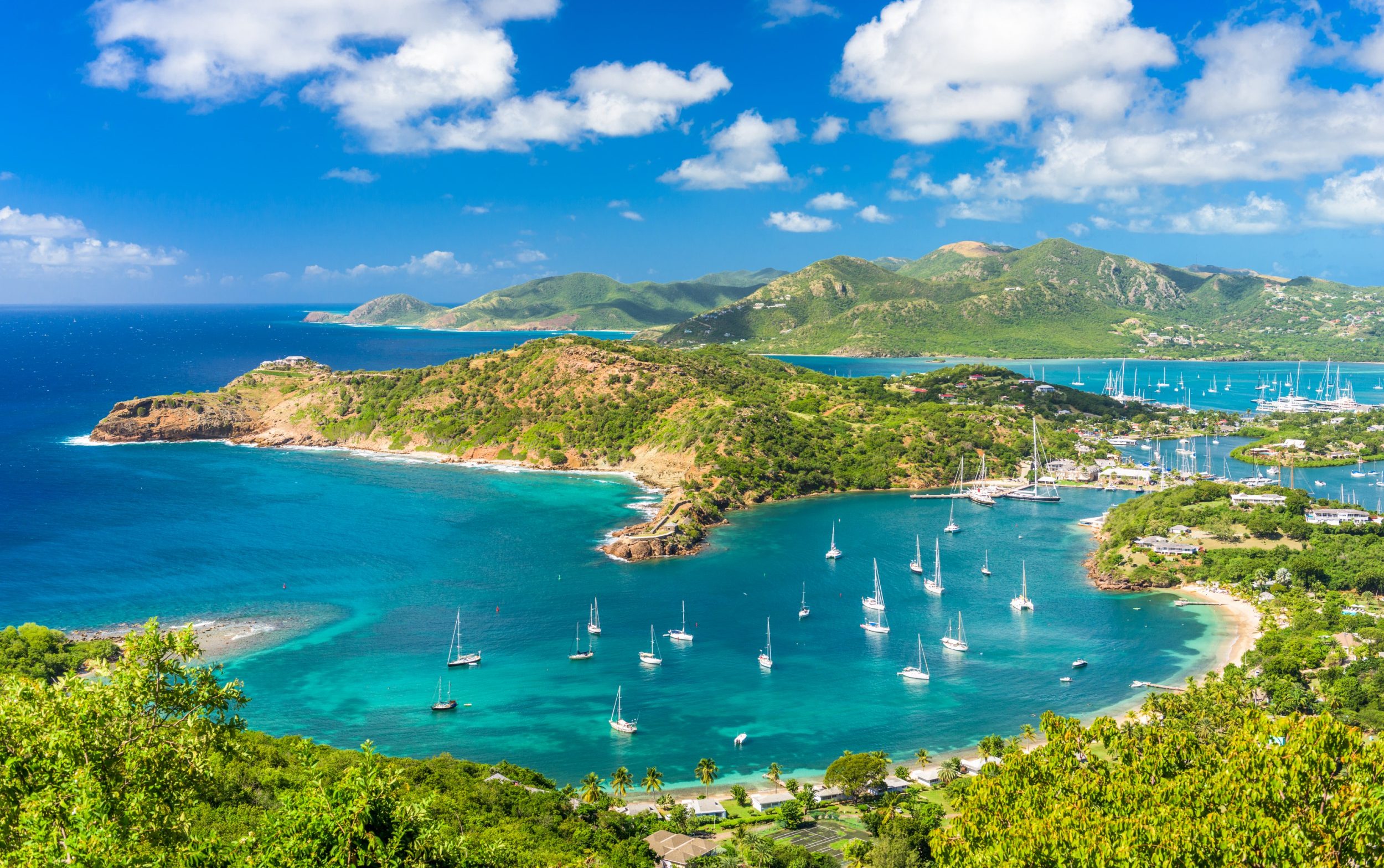
Norwegian Cruise Line (NCL) departs Southampton for New York, making stops at Belfast and Halifax en route. Other itineraries may include Boston and Quebec City, while some go further south to places like Rio de Janeiro and Buenos Aires or even to a Caribbean island. These are not all repositioning cruises, but scheduled one-way sailings or round trips. P&O Cruises has one-way sailings departing Southampton to both Barbados and Antigua in the autumn, as well as a longer round trip.
Where Can I Go?
North America is the primary destination, while others head towards the Caribbean, transit through the Panama Canal, or take a southerly route, such as an MSC Cruises sailing from Tarragona to Rio de Janeiro and São Paulo. World voyages bound for the Caribbean or further south may stop at the Portuguese island of Madeira or Spain’s Canary Islands. Other crossings may travel northwards, such as a Windstar Cruises voyage that sails from Reykjavik to Boston via Greenland and Canada’s eastern seaboard.
How Long Does a Transatlantic Cruise Typically Take?
The standard Southampton to New York crossing with Cunard generally takes a week as it is a “point-to-point” voyage with no other port calls. Most guests tend to fly one way, either sailing out and returning from New York by plane or joining the ship in the Big Apple to sail home. However, there’s nothing stopping travelers from doing a round-trip, either sailing back straight away or staying ashore for a while—ideal for anyone who dislikes flying.
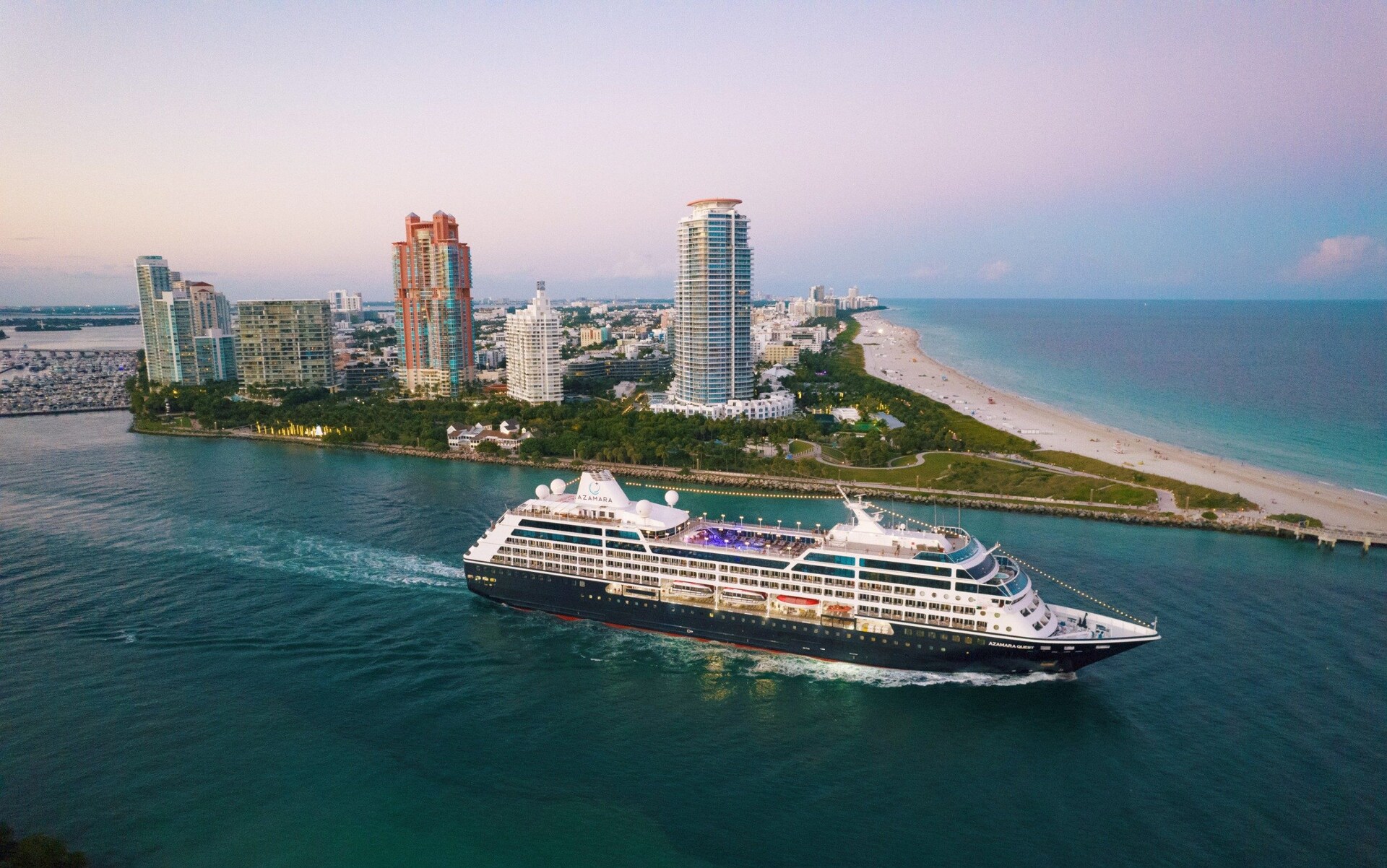
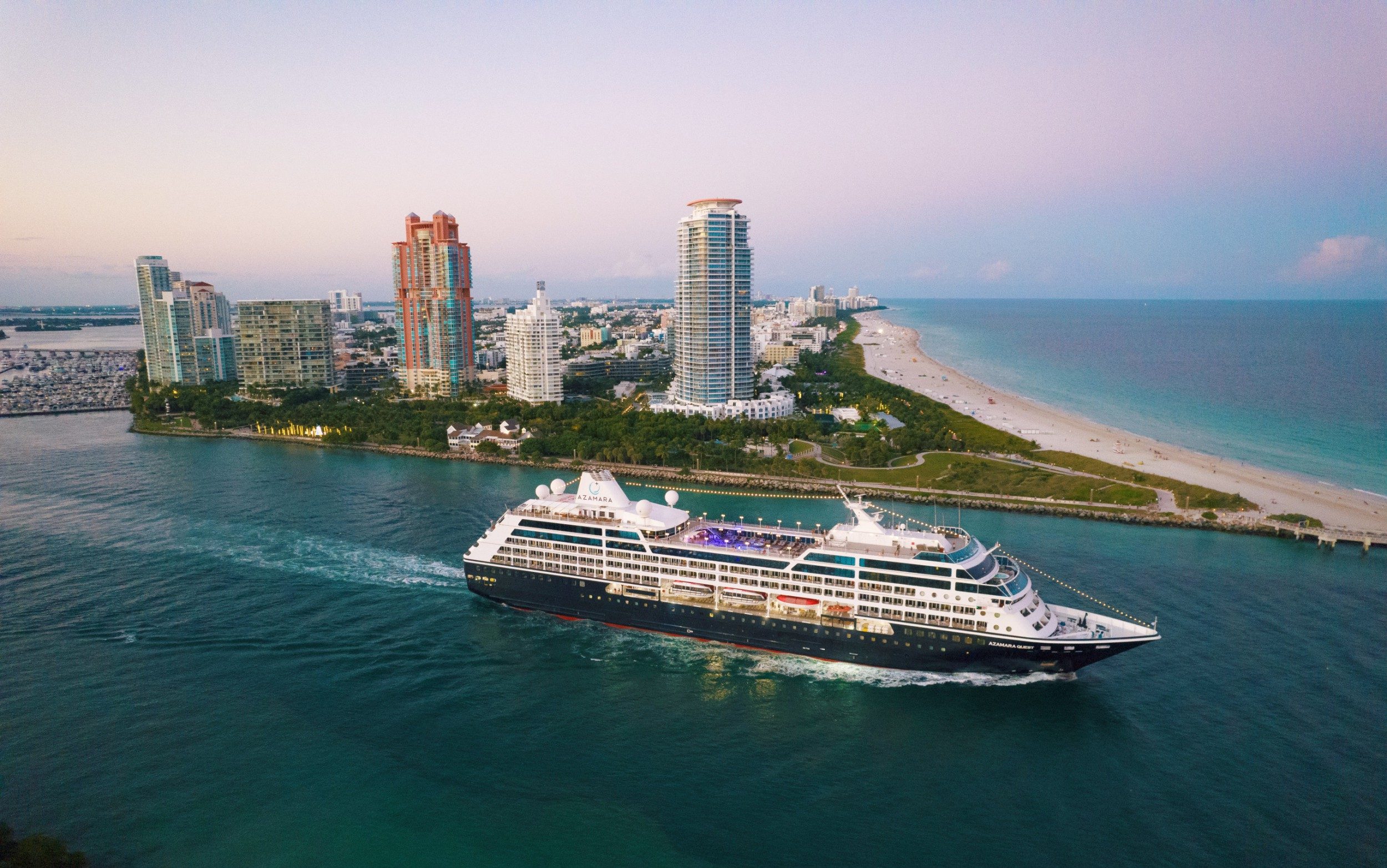
Sailings that include other stops can take two or three weeks, as seen in an Azamara Cruises’ 21-night Athens to Miami voyage that visits other European ports around the Mediterranean before heading across the Atlantic to Puerto Rico and finishing in Florida.
When Should I Go?
Cunard’s Southampton to New York service on QM2 operates for most of the year, stopping from mid-January to April. Spring and early summer are generally good times to cross the pond, though conditions can be unpredictable, ranging from rough and rocky to calm and tranquil—even in winter.
Repositioning cruises generally sail from the Caribbean and South America to Europe in the spring, returning in the autumn.
Should I Sail East or Westwards?
Sailing westwards means you will gain five hours, with clocks moving back an hour approximately every other day. Luggage restrictions are more generous (Cunard, for example, doesn’t impose restrictions on the number of suitcases, just on the weight of each one), so there’s no need to worry about loading up during those New York shopping sprees.
Heading eastwards to align with UK time, you lose five hours, with some days an hour shorter as clocks move forward. Such gradual time changes mean there’s no jetlag either way.
What Type of Cabin Should I Book?
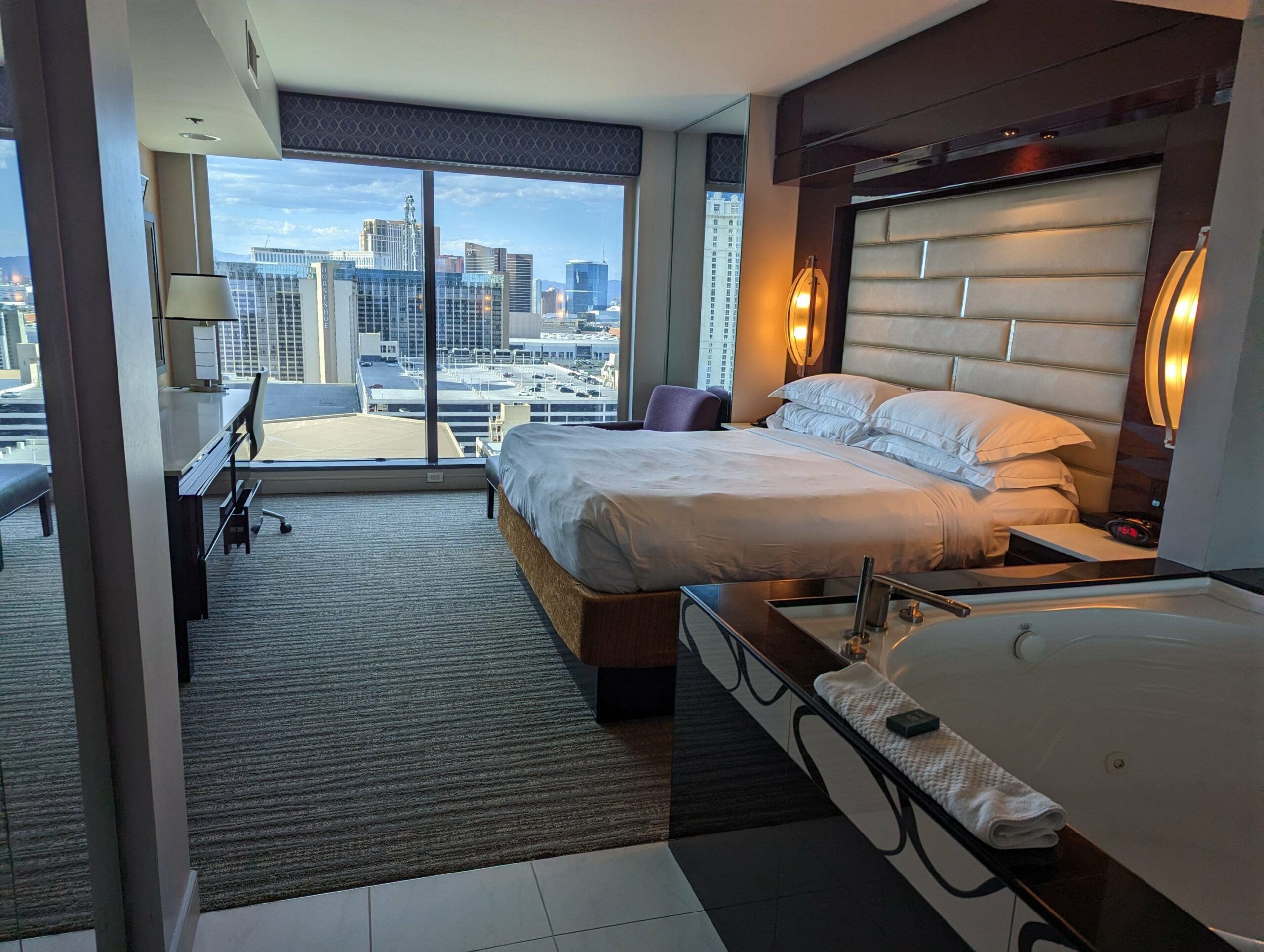
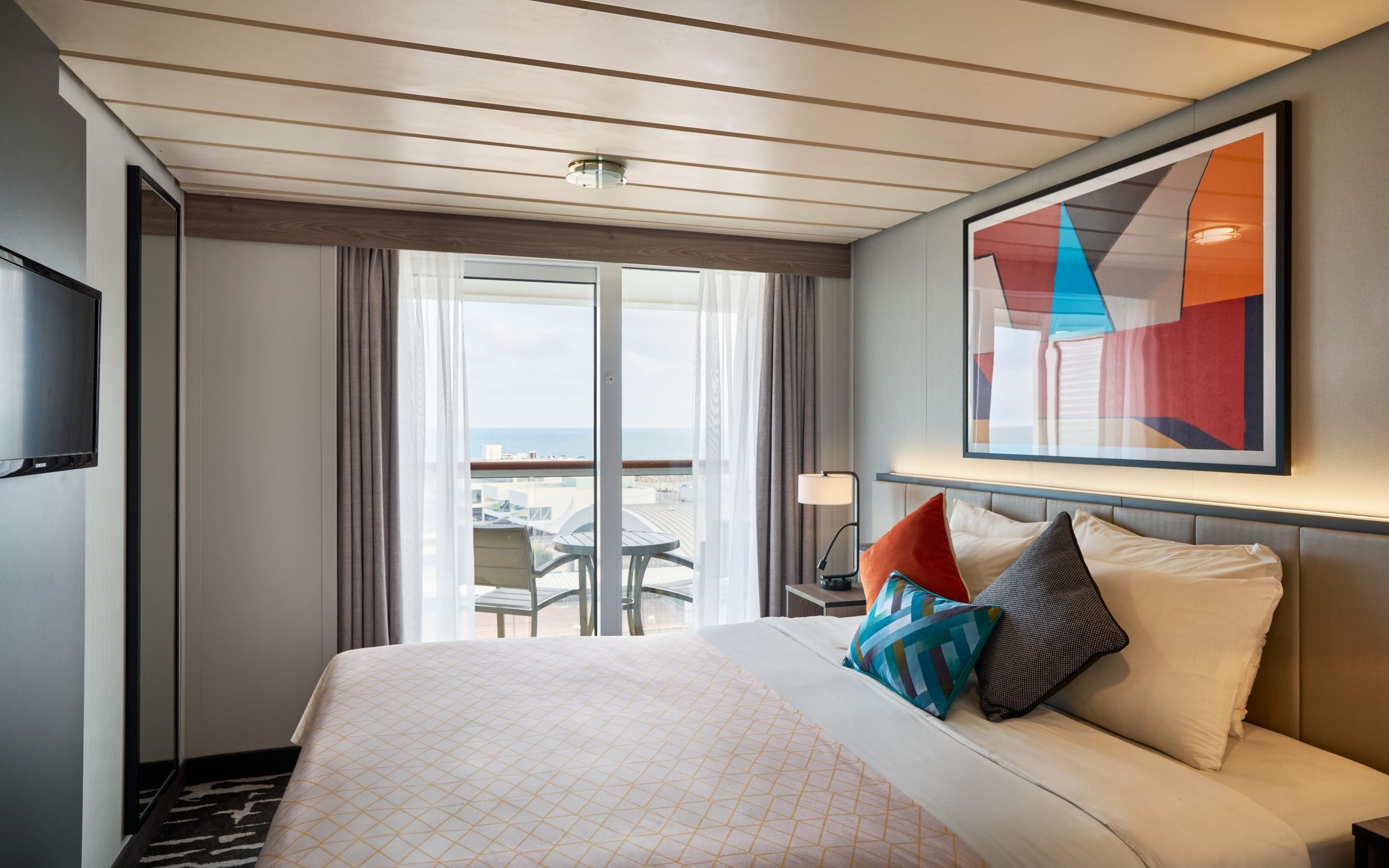
It’s not necessarily the sort of journey where you will be sitting on your balcony a great deal, though with so many sea days you may want your own outdoor space. It’s definitely worth having a sea view.
Are Transatlantic Cruises Expensive?
The classic Southampton to New York crossing on QM2 costs from around £600 per person, though you need to factor in the price of the flight home. Repositioning cruises can be extraordinarily good value and as much as 50% less than regular sailings.
Life on Board
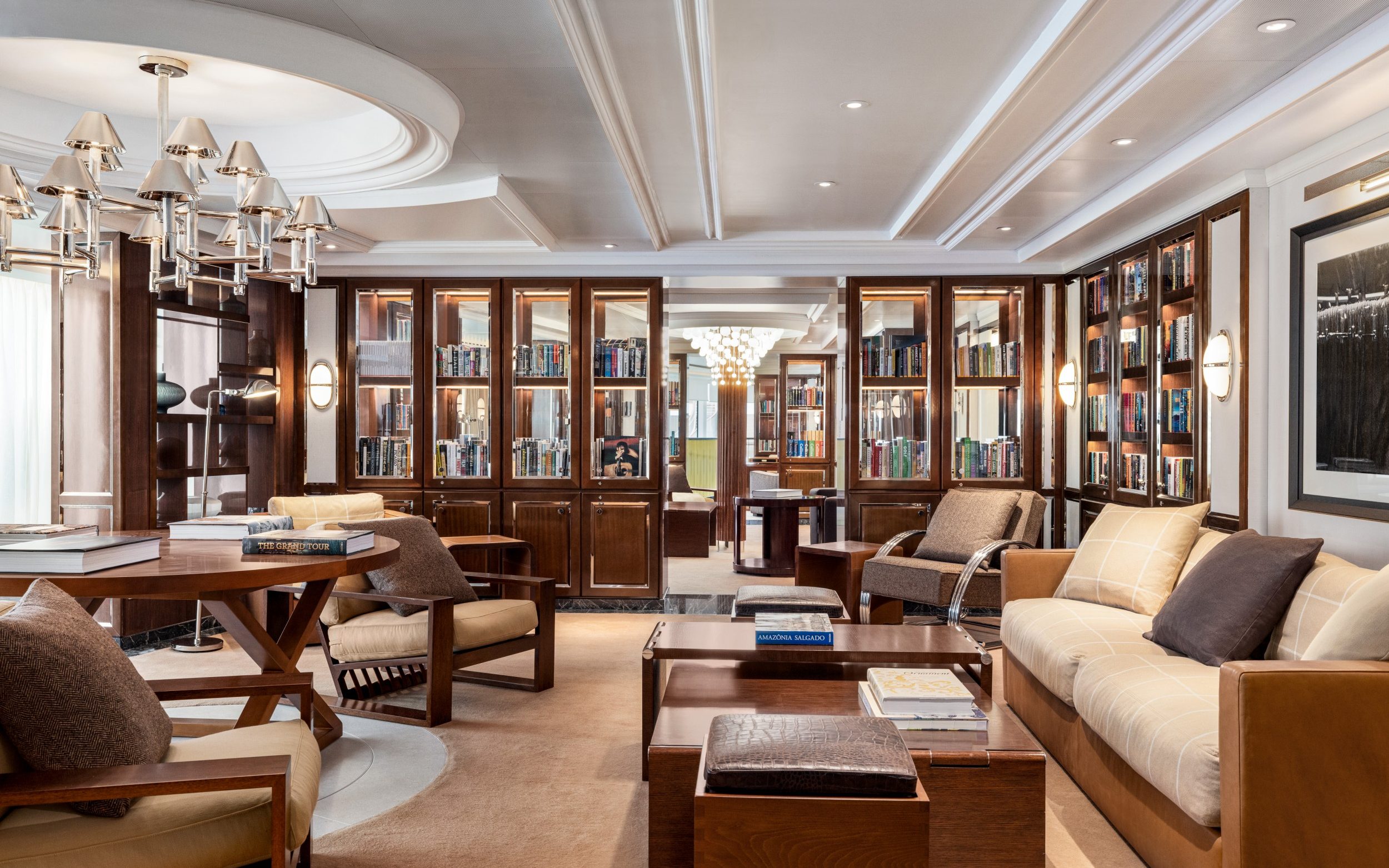
What does a typical day look like? There will be activities and organized events, with fascinating lectures (particularly on Cunard), film screenings, quizzes, and deck games. Some ships, such as those of Cunard and P&O Cruises, plus Oceania, Silversea, and Holland America Line, also have good libraries. It’s surprising how quickly the days fall into a routine anchored by mealtimes, and one of the greatest pleasures is simply dialing down and gazing at the ocean.
Will I get bored? There’s a full program of activities, and some voyages may be themed with special events focusing on music, food, and literature. Most ships have large spas, and some lines, such as Marella Cruises, put on more shows.
How formal is the dining? With the weight of its history and traditions, Cunard tends to be the most formal of the lines with black-tie gala dinners, while a daily highlight is afternoon tea, served by white-gloved waiters to the melodic strains of violinists or a harpist. However, the vast choice of ships crossing the Atlantic means that all styles and tastes are offered.

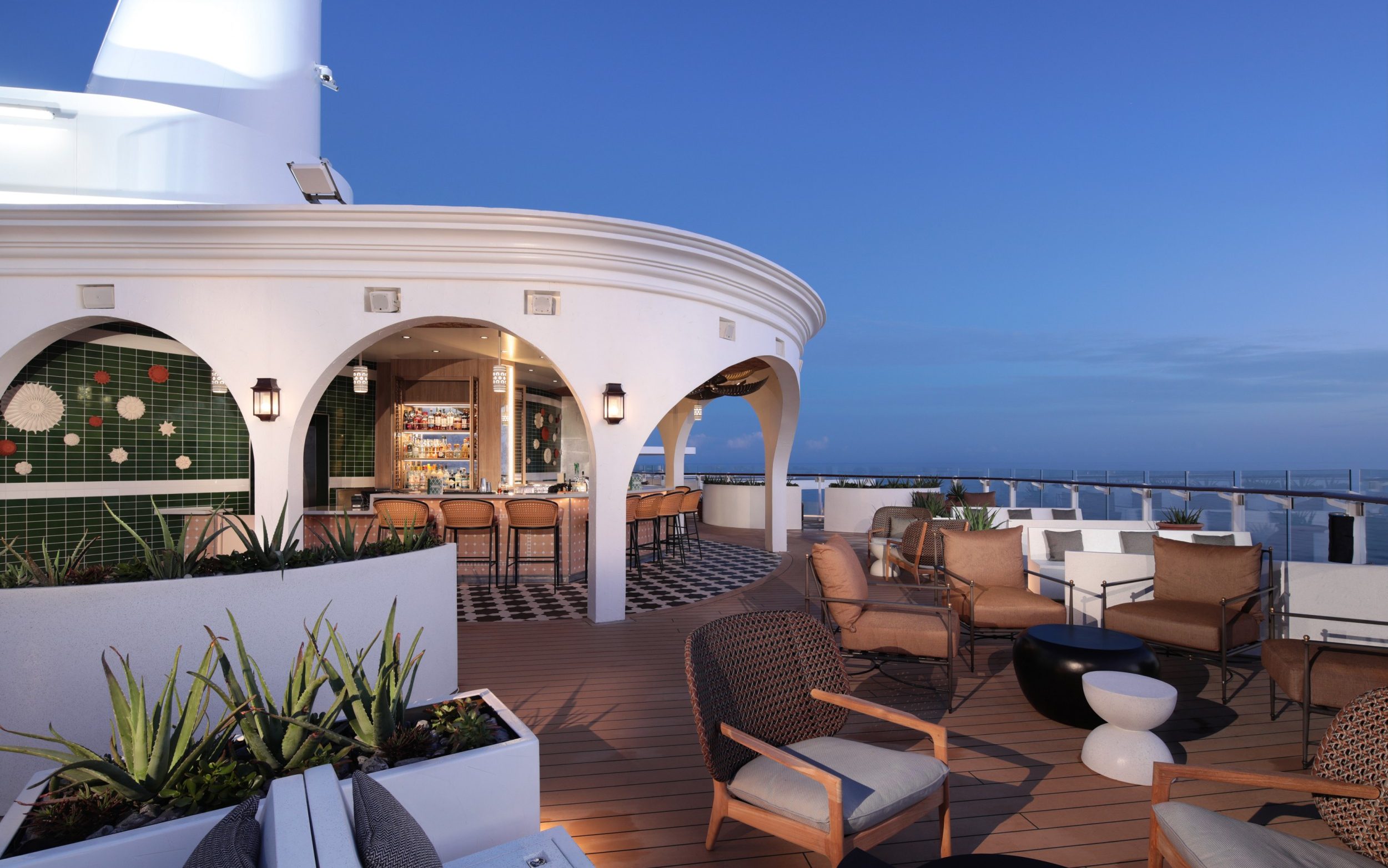
What will the weather be like? While warm summers can bring sunny days at sea, the Atlantic hurricane season from May to November can sometimes cause issues. Storms in this period generally affect the Caribbean, and it is more unusual for them to cause disruption further north. I crossed in mid-July and clear blue skies brought a resort feel on board as most people took to their sunbeds to enjoy the sunshine.
Who will my fellow passengers be? Generally, they will be more mature travelers who have time for such crossings, particularly if they’re part of a longer voyage. It will be a mix of experienced cruisers who love the sea days and those ticking the crossing off their bucket list.
During school holidays, there will be families on board, and on QM2 crossings, four-legged passengers include cats and dogs traveling in the ship’s kennels.
Can I keep active? With fully kitted gyms, sports courts, and running/walking tracks on many ships, there’s plenty of opportunity for exercise.
Can I cruise solo? There are more opportunities to meet other passengers due to so many days on board, and certain lines organize social gatherings for singletons too. Some ships have solo cabins, though these tend to get snapped up quickly.
Will I be seasick? There’s no reason why you should be, especially on QM2, which was built for this type of crossing. However, with so many sea days, it’s good to be prepared with medication and acupressure sea bands.
Will there be Wi-Fi? Thanks to satellite technology and Elon Musk’s Starlink system, which most cruise lines use, there shouldn’t be a problem with connectivity.
Before You Go
What should I pack? As weather conditions can be variable, it’s best to pack layers, allowing for windy decks. With none or few port stops, don’t count on doing an emergency shop mid-sailing, though the ship’s own retailers carry limited supplies. Check the advice on the cruise line website for dress codes and if you need to pack formal wear.
What kind of travel insurance do I need? Regular worldwide travel insurance that includes cruise cover should suffice, though if your crossing is part of a longer voyage, be aware that annual policies generally only cover trips of up to 30 days.