Expand
One of the remarkable features of a garden is the movement of hummingbirds through the air.
The UC Santa Cruz Arboretum and Botanic Garden will showcase these bird-related wonders throughout Hummingbird Month, beginning on March 1.
Today’s image gallery
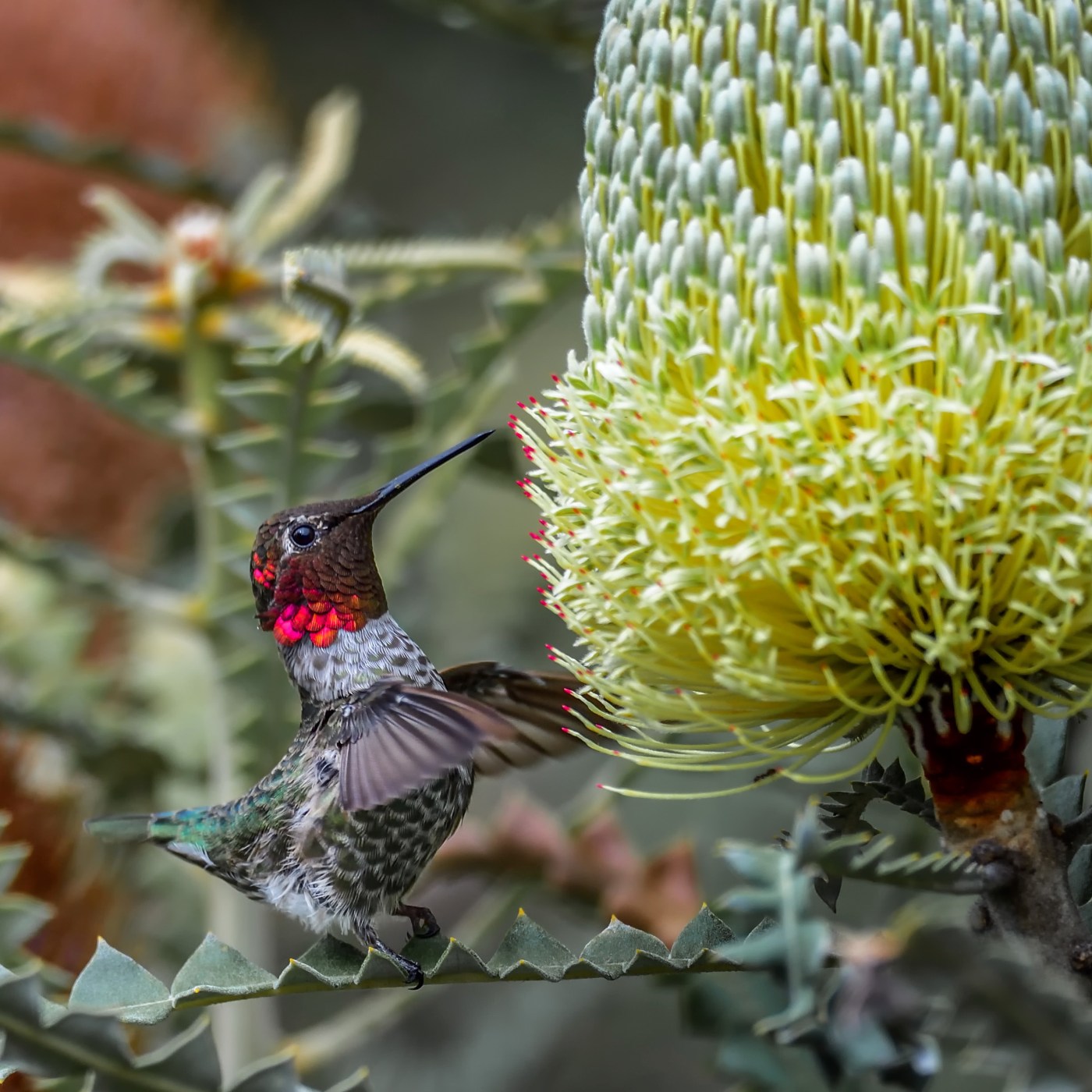
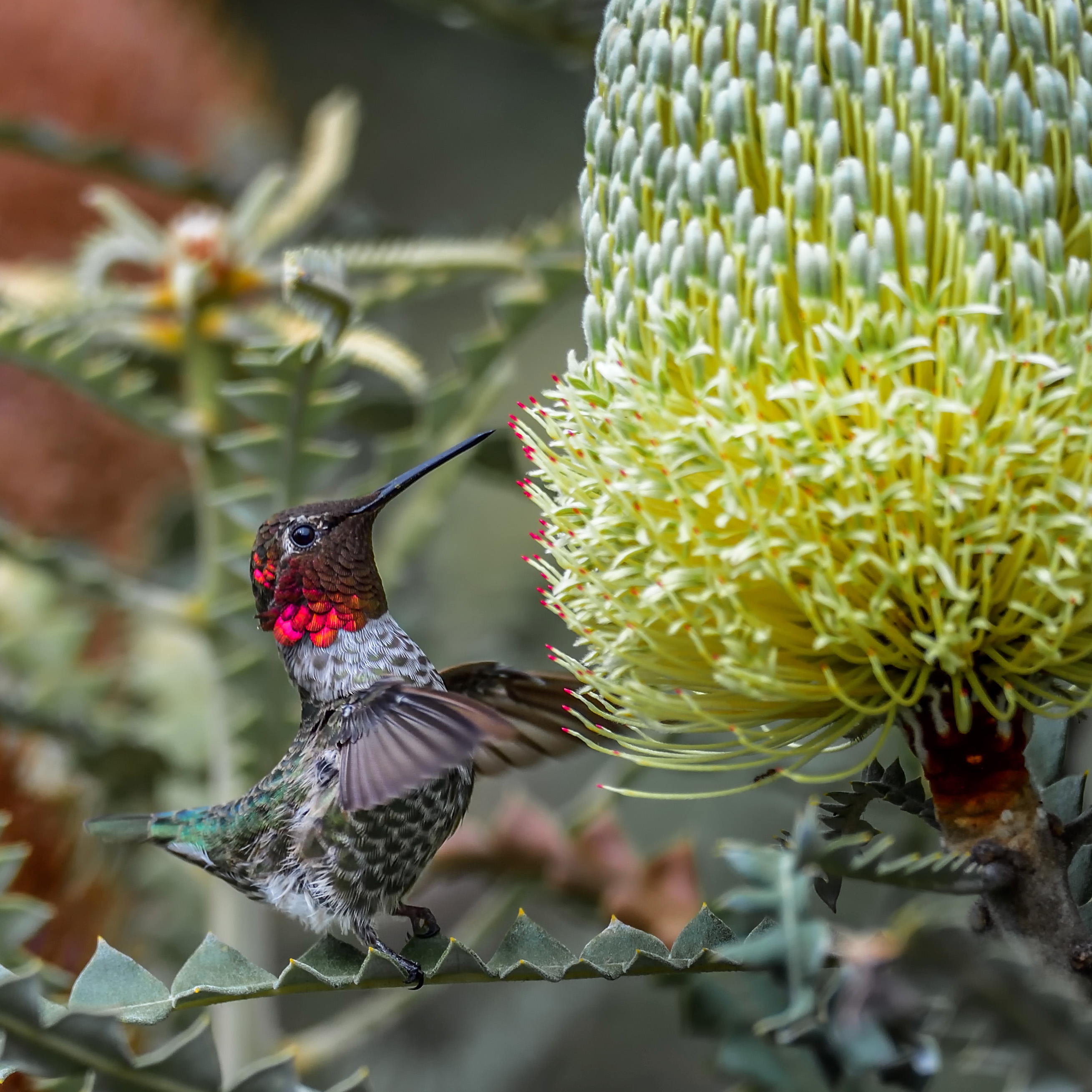
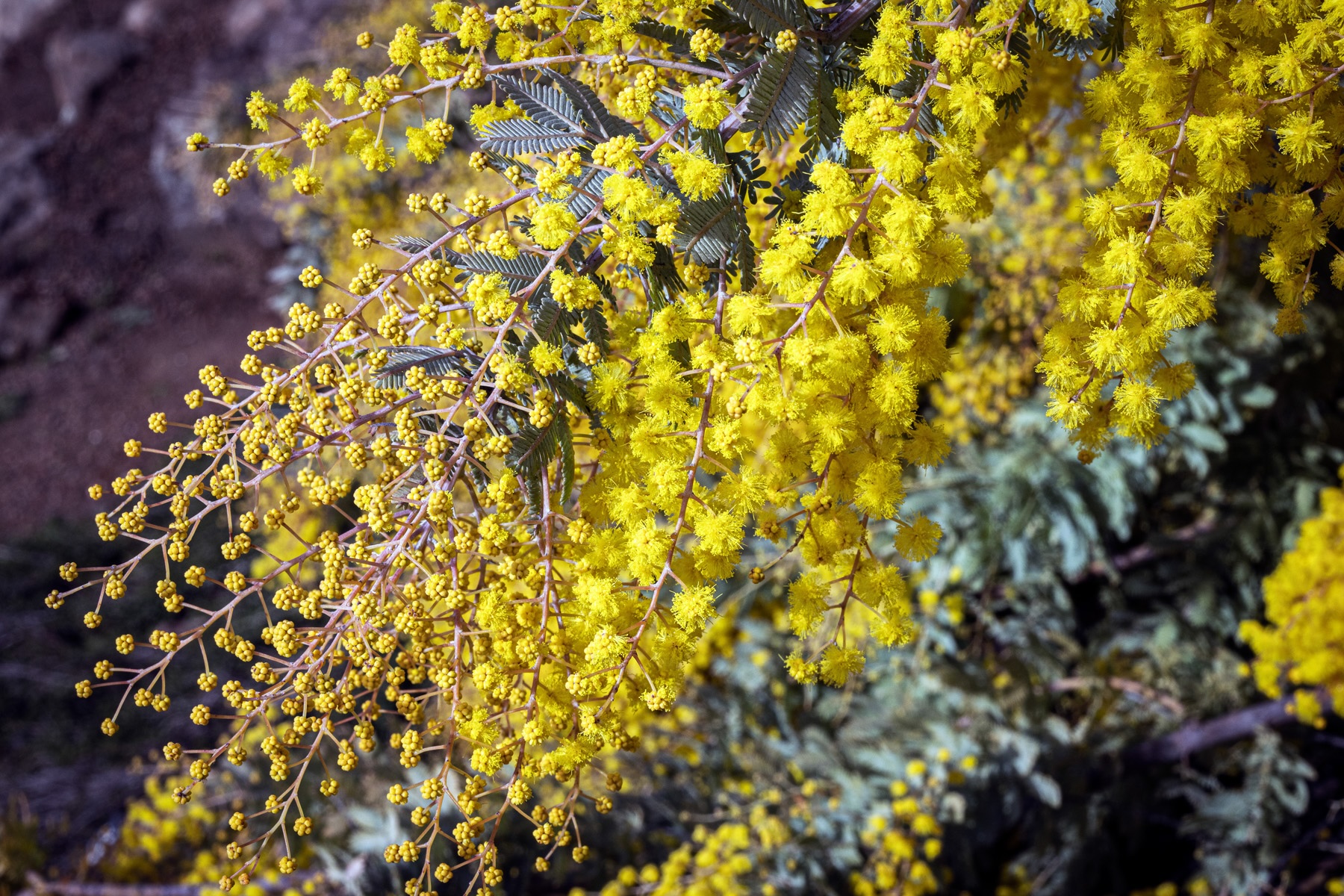
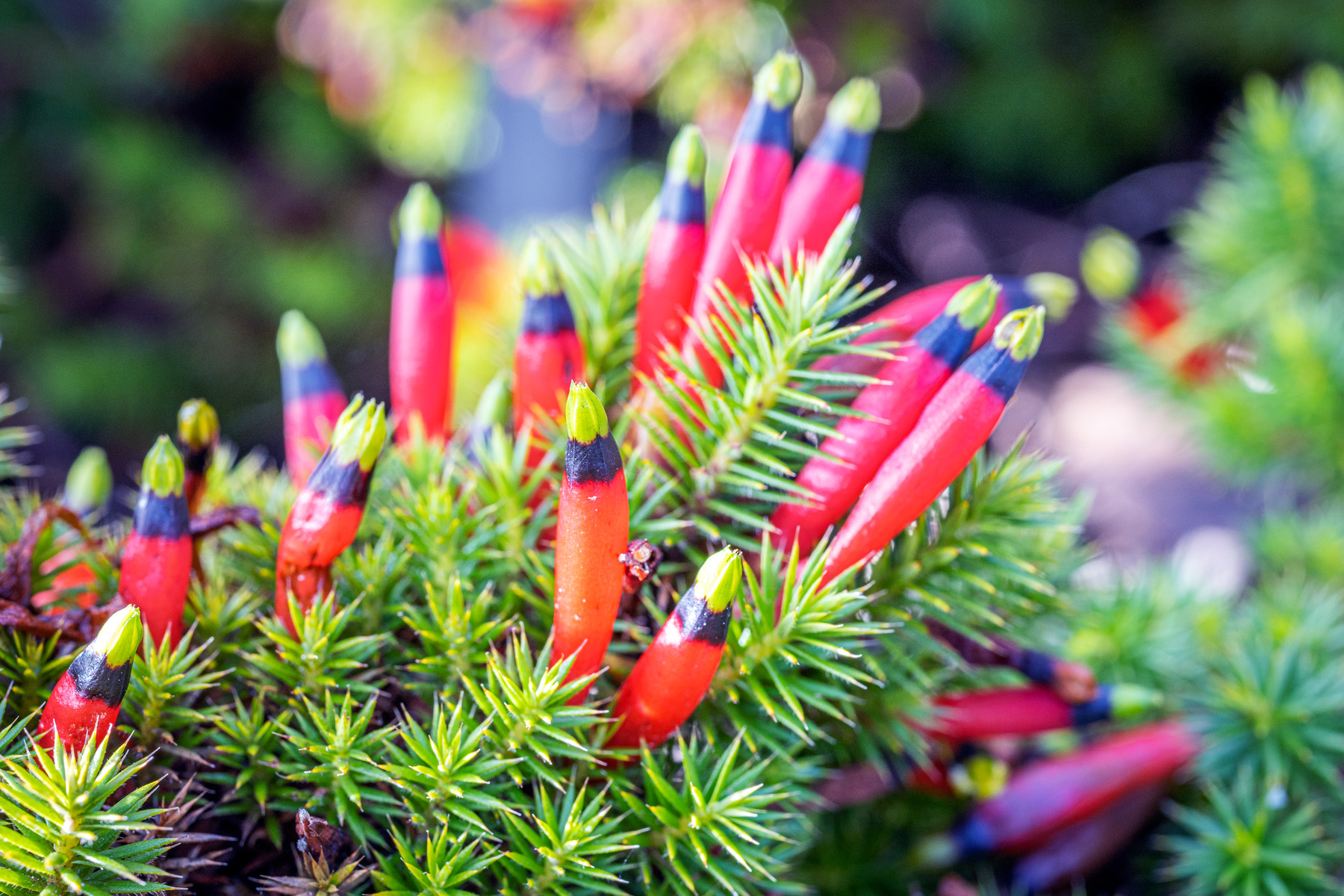
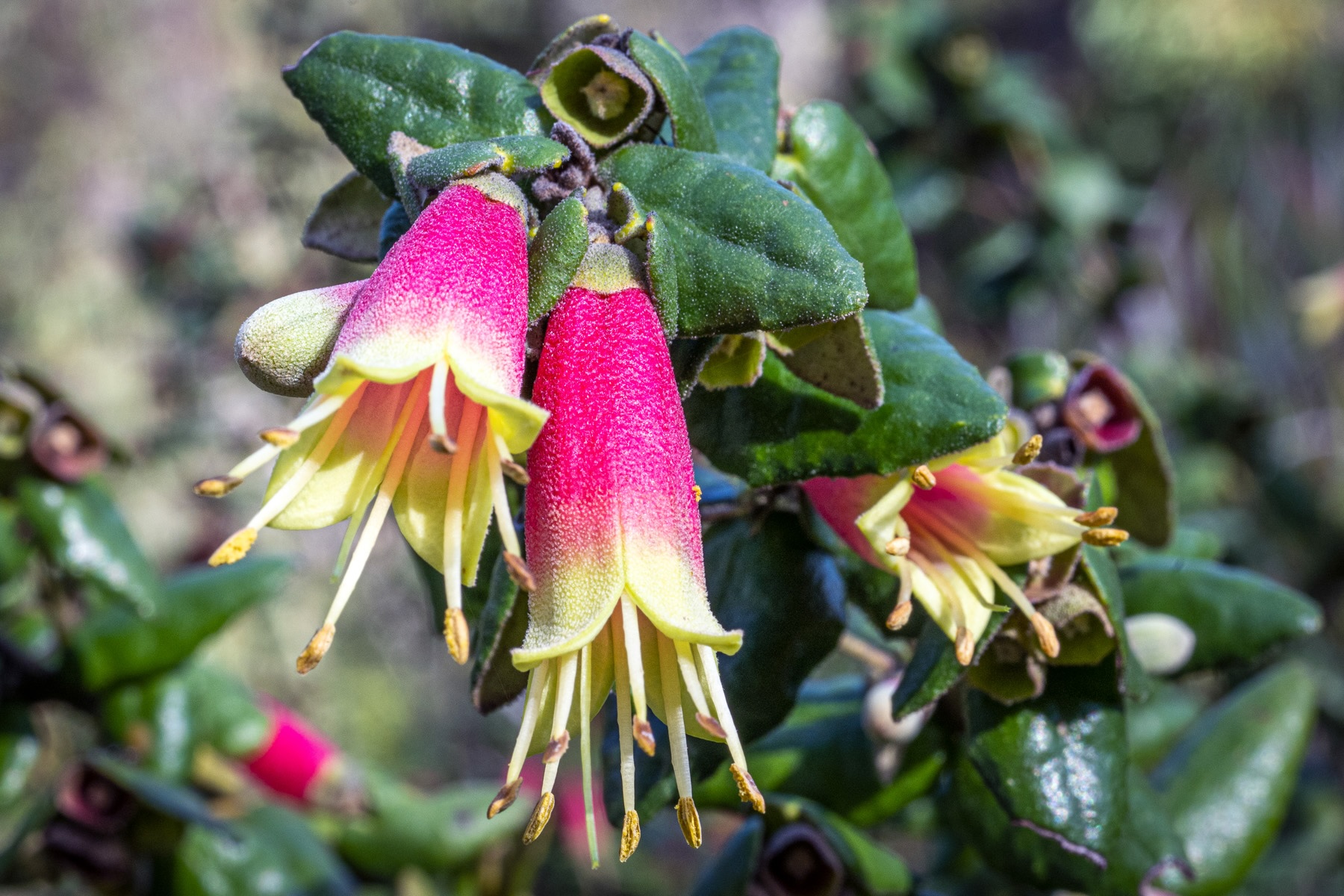
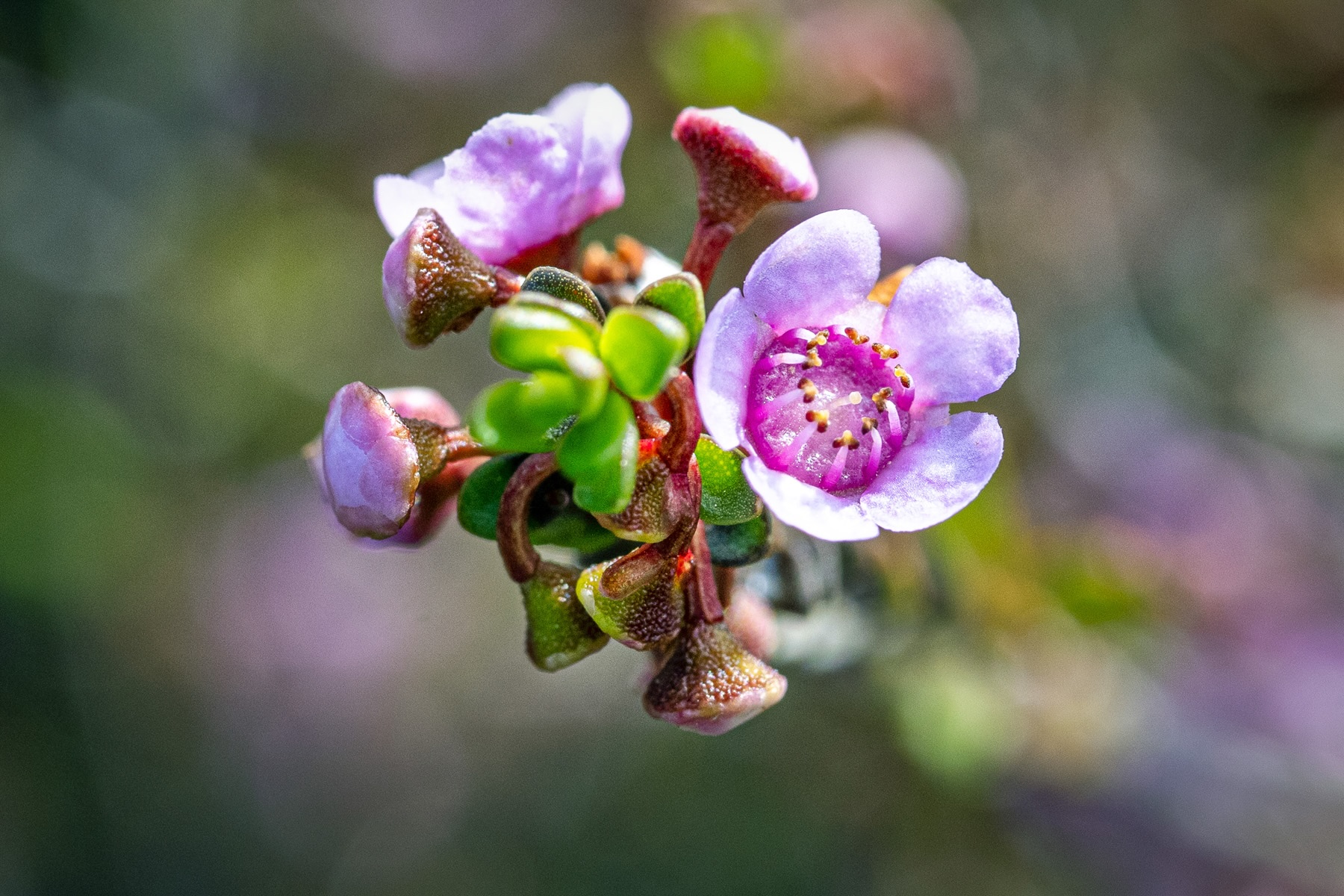
The collection features a photograph by wildlife photographer Brad Lewis capturing a hummingbird in mid-flight, along with images by arboretum photographer Bill Bishoff showcasing various Australian plants from the arboretum. While Anna’s hummingbirds remain in the arboretum and the western region of North America, they are said to be drawn to the nectar of Australian and South African flora.
Brief notes on hummingbirds
The schedule for the Hummingbird Month features talks from experienced professionals and talented photographers. Check the list of special events below.
Here are some details about these distinctive birds, taken from a very lengthy article on Wikipedia, along with other references.
Hummingbirds are originally found in the Americas and belong to the family Trochilidae, consisting of 375 species and 113 genera.
Fifteen types of hummingbirds native to North America can be found in the United States and Canada. The most commonly observed species at the arboretum and the Monterey Bay region are Anna’s (Calypte anna) and Allen’s (Selasphorus sasin).
The common name for Anna’s hummingbird could originate from the Ancient Greek term meaning “headdress,” while the scientific name pays tribute to Anna d’Essling, the wife of ornithologist François Masséna.
Anna’s are originally found in western North America. Unlike other North American species that travel from Mexico to Canada, Anna’s hummingbird is adapted to colder winter conditions and stays in the Pacific Northwest throughout the year. In chilly weather, they may stay in a state of reduced activity for long periods.
Anna’s, like other hummingbird species, consume nectar from blossoms, along with small insects and other arthropods (invertebrates).
While in flight, hummingbirds move their wings in a figure-eight motion, enabling them to stay suspended above flowers while feeding. Most flowers lack a place to rest while feeding. Their flying skills allow them to move in any direction, including forward, backward, and even upside down. They flap their wings 80 to 90 times each second. This special type of flight consumes a significant amount of energy, which means the birds need to rest high up in trees between feedings.
Visiting the arboretum
The UCSC Arboretum & Botanic Garden offers a remarkable local resource for studying and discovering plants adapted to Mediterranean climates, a space to connect with nature and unwind from everyday stressors, and a chance for volunteers to assist in preserving a wide variety of plant life.
Another area of focus at the arboretum is Norrie’s Gift and Garden Shop, a great place to find garden plants and other items. In recognition of Hummingbird Month, Norrie’s will highlight plants that attract and provide food for hummingbirds in your garden!
The garden is open every day from 9 a.m. until 5 p.m. Entry (which supports an exceptional garden) costs $10 for adults; $8 for individuals aged 65 and older; $5 for children between the ages of 4 and 17; and is free for children younger than 4. Current members of the arboretum, current UCSC students, and shoppers at Norrie’s can enter at no cost.
Browse arboretum.ucsc.eduand select Get Involved.
Special events at the Arboretum for Hummingbird Month
Certain special events necessitate regular admission to the arboretum and do not carry an extra charge. For information about Hummingbird Month presentations, visitarboretum.ucsc.edu, click on Visit and navigate to Events.
• March 7, 11:00 AM to 12:15 PM: First Saturday Garden Tour: Exploring Hummingbirds and Their Preferred Flora at the Arboretum.
• March 8, 10:00 AM to 12:00 PM: Bilingual Bird Walk No. 1 led by the Bird School Project (suitable for beginners, great for families).
• March 8, 1:00-2:30 p.m.: “Jewels in the garden – A Darwinian Natural History of Hummingbirds” featuring Bruce Lyon.
• March 14, 11:00 AM to 2:00 PM: UC Master Gardener’s Pop-Up “Planting for Hummingbirds.”
• March 14, 1:00 to 2:30 p.m.: Slide show titled “Wildlife photography from Hummingbirds to Elephants” featuring Kevin Lohman.
• March 21, 7 to 9 a.m.: Early Bird Member Access (available exclusively to members) — an ideal time for bird photography.
• March 28, 9:00 AM to 11:00 AM: Hummingbird Photography Session led by Kevin Lohman.
• March 29, 10:00 AM to 12:00 PM: Bilingual Bird Walk No. 2 led by the Bird School Project (suitable for beginners and families).
Advance your gardening knowledge
Enthusiastic gardeners have a great chance to explore California’s distinct ecosystem, earn a certification as a California Naturalist, and participate in the care of the state’s natural environments.
The UC Santa Cruz Arboretum and Botanical Garden is organizing the University of California’s yearly California Naturalist Program, taking place from March through June. The initiative includes 14 lectures in the arboretum’s conference room and nine outdoor excursions. Program organizers Linda Anderson and Joel McKelvey, along with other experts in various areas of California’s ecosystem, provide significant knowledge to the program.
The course charge is $500 (financial assistance might be available). Individuals who have earned the Certified Naturalist designation are required to complete 40 hours of volunteer service within the year after completing the course.
For additional information about the California Naturalist Program, visit the arboretum’s website (arboretum.ucsc.edu), select About and navigate to Programs. This webpage contains an application form for the California Naturalist Program. The application deadline is March 2.
This week in the yard This week at the garden This week within the garden This week in the outdoor space This week in the green area This week in the floral area This week in the horticultural space This week in the botanical area
Our latest column provided an annual schedule for propagating perennials using stem cuttings. Although this schedule is not incorrect, we believe that stem cutting propagation achieves the best results during the peak softwood period: May through June. Gardeners can take advantage of the time before this period to compile a list of plants they wish to propagate, collect necessary supplies, and prepare areas for the cuttings’ growth. For those seeking guidance on the process, search online for “how to propagate plants from stem cuttings.”
Enjoy your garden!
Tom Karwin has previously served as a president of the Friends of the UC Santa Cruz Arboretum and the Monterey Bay Iris Society, as well as a former president and lifelong member of the Monterey Bay Area Cactus and Succulent Society. He was a certified UC Master Gardener from 1999 to 2009 and has also been a past board member of the Santa Cruz Hostel Society. Currently, he is a member of the Pacific Horticultural Society and other gardening organizations. To view the archive of recent On Gardening columns, visitMathHotels.com and search “Karwin.” Visit ongardening.comto examine columns from 2012 to 2020 (and later) from the following years. Please email any feedback or inquiries to [email protected].