
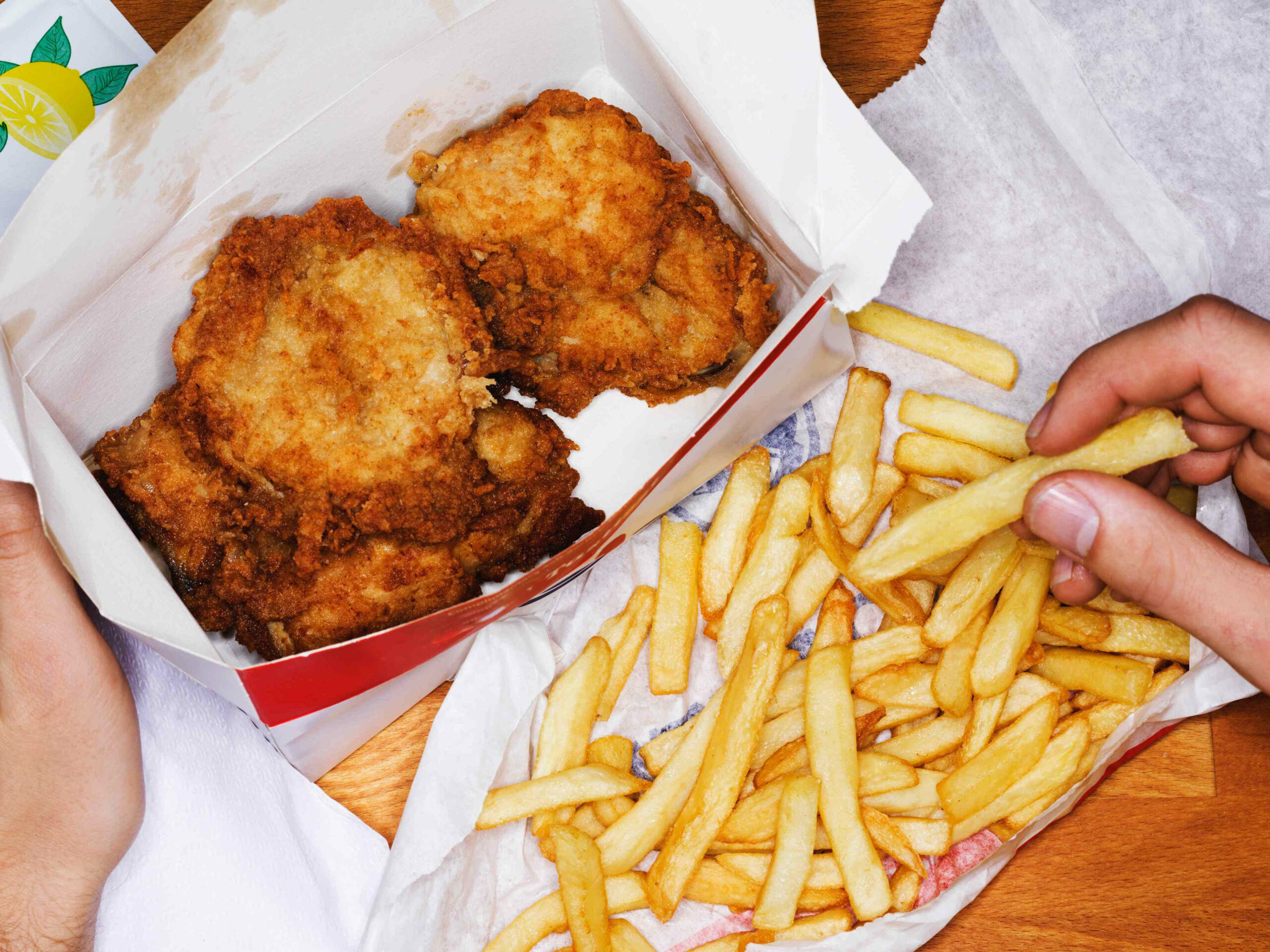
Before clicking “place order,” take a moment to read this. These are the foods that don’t make it through delivery—and the better choices that do.
One of the greatest benefits of modern living is food delivery. With just a few taps, dinner arrives at your doorstep, ready to be enjoyed on your couch in comfortable clothing. However, not every meal is designed to survive the trip from the restaurant kitchen to the backseat of a vehicle or the basket of a bicycle, and finally to your living room. While takeout is incredibly convenient, it has an inherent challenge that no amount of careful packaging can completely address: food doesn’t stop cooking once it leaves the restaurant. Steam becomes trapped within containers, remaining heat keeps affecting starches and proteins, and crispy coatings tend to become soggy as moisture builds up. The very qualities that make a dish outstanding in a restaurant setting—such as a crackling crust, perfectly cooked pasta, or a smooth, well-blended sauce—are often the first to suffer during transport.
Some foods are designed to be consumed right away, when their texture and temperature are at their best. Others are more resilient, getting better with time or maintaining their quality during the journey home. We reached out to Serious Eats editors and experienced food experts to find out which dishes they steer clear of ordering for delivery—along with my recommendations for what actually transports well, ensuring your takeout is just as enjoyable as it was intended to be.
Crispy Fried Foods
Anything depending on a fragile, crunchy outer layer is instantly vulnerable once enclosed in a hot container. Steam poses a threat to crispiness, and as soon as condensation appears, it makes even the finest fried food soggy.
Crispy Chicken Wings (and Other Crunchy Fried Meats)
“I really enjoy a crispy chicken wing—and there’s nothing more disappointing than a Styrofoam box filled with once-crispy and now soggy wings. Fried wings don’t travel well. They’re okay if they’re supposed to be more of a sticky, saucy dish, but Buffalo wings require that crisp skin that crackles and peels like heat-shrunk plastic.” —Grace Kelly, senior editor
French Fries, Potato Rings, and Additional Fried Accompaniments
“French fries aren’t designed to be stored in a damp bag, left at a pickup point, and then carried for blocks (or miles) before being eaten; they usually end up soft, cold, and not at all appealing. Choose thicker-cut wedge or steak fries—these are inherently less crispy and have a soft center that lasts longer compared to thin shoestring varieties—or pick a different side dish. If you do go for regular fries, consider putting them in an air fryer or toaster oven for a few minutes before eating.” —Ashlee Redger,writer
“French fries and onion rings (and other fried foods) frequently come out damp.” —Anna Basel, editor, newsletter
Precisely Cooked Meats
“Steaks, cutlets, and even hamburgers are typically prepared to specific internal temperatures, which involves careful timing, letting them rest, and then presenting them. Such meals tend to be costly and do not fare well when delivered. The additional cooking that occurs during transport in a sealed container can be erratic, and any pre-sliced portions often become cold and soggy by the time they arrive.” —Daniel Gritzer,editorial director
Takeout Salad (and Other Fragile Fresh Produce)
Certain meals depend on freshness, flavor, and textural differences that fail to remain effective when packaged.
“Salads from takeout are usually much less satisfying compared to those served at a sit-down restaurant. They often have insufficient dressing, and it’s either already mixed in and soggy or separate, making you toss it at the table or deal with an uneven coating. They’re also usually very under-seasoned. If you’re looking for some vegetables, go for a side of roasted or steamed veggies—they’ll be far more delicious.” —Rochelle Bilow,editor
Delicate Noodles and Starches
Ramen (and Brothy Noodle Soups)
Many ramen restaurants don’t provide delivery due to the noodles losing their quality over time. Those that do? I understand they want to earn money, but it’s usually better to skip it. Even when the noodles and broth are packed separately, the noodles typically lose their characteristic chewiness. It really isn’t worth the effort.Daniel Gritzer
“Ramen—or any brothy noodle soup, for that matter—is typically disappointing when ordered as takeout. The noodles continue to cook in the hot broth during delivery, becoming soft and puffy by the time they reach you, losing their firm texture. Crispy toppings become soggy, fresh herbs lose their vibrancy, and the dish that should be steaming and lively arrives lukewarm and dull. Some restaurants attempt to solve this by keeping the noodles apart—but they often end up as a single, sticky mass of gluten that’s hard to separate.” —Laila Ibrahim, associate culinary editor
Risotto
“Risotto might seem like an indulgent takeout meal, but it’s likely to let you down. Confined in a takeout container, the hot rice continues to steam, turning perfectly al dente grains into overcooked, soggy ones. Since excellent risotto should flow like a slow wave—creamy and smooth, with individual grains floating in their own starch—packing it can cause it to become stiff and unappealing before you even get to eat it. You might attempt to restore its texture by adding some broth on the stove, but by that point, the essence has already been lost.” —Leah Colins, senior culinary editor
Creamy Pastas
“Delivering creamy pastas can be a challenging endeavor. Dishes such as carbonara, cacio e pepe, and Alfredo require exact timing and heat to maintain their smooth and well-balanced texture; after being sealed, the remaining heat keeps cooking the pasta, causing the sauce to become thick and sticky. By the time it reaches the customer, the pasta is frequently overcooked, and the sauce has lost its shiny appearance. While you can add some pasta water or broth at home to loosen it up—this approach somewhat undermines the idea of ordering takeout.” —Leah Colins
Safer Bets for Takeout
Before diving into what transports well, I want to recognize that if you’re in the mood for French fries or crispy wings, by all means, go ahead and order them. Takeout is meant to bring you joy. Just be aware that they likely won’t arrive at their crispiest. Hot fried foods start releasing steam the moment they’re placed in a container, and that moisture has nowhere to go but back into the crust. A considerate restaurant might make a few small holes in the lid or slightly leave it open with tape to allow steam to escape—and that definitely increases your chances—but it doesn’t fully fix the issue. As long as the food remains sealed and hot, condensation will work against maintaining crispiness.
If you’re aiming to serve them at their best, open the containers right when you arrive home to release any built-up steam. Letting them sit for a few minutes in a hot oven or air fryer can sometimes bring back some crunch. Noodle dishes or saucy pastas that have become stiff can usually be softened in a pan with a little bit of water or broth. However, if you’re reheating, frying, or making adjustments, you’re essentially cooking your takeout again.
That being said, many dishes are specifically designed for transportation.
Pizza (when handled right).A properly crafted pie can handle a brief rest while still in its container. As it cools, the crust firms up, and the cheese settles, although you might lose some of the oven-fresh blister and crunch, it typically doesn’t result in a structural disaster. Heavier, more robust varieties usually perform better than extremely thin pies intended to be consumed right away.
Stewy braised dishes and soups (without the noodles).Think short ribs, chicken cacciatore, beef rendang, lentil soup, or any slow-cooked dish. These meals are meant to rest in their own sauce, and additional time typically enhances their taste instead of diminishing it.
Curries and dals.Sassy, flavor-packed meals are very flexible. They maintain their texture and are already tender, with strong tastes, and they reheat nicely when required.
Fried rice and noodles.In contrast to delicate noodle soups, these are prepared quickly over intense heat and maintain their structure quite well after being cooked. They do not depend on a fragile broth or exact timing at the end, making them much more durable.
Nutritious salads and grain bowls served with dressings on the side.These are particularly effective when parts are packaged individually, giving you the ability to manage the final consistency. Bowls made with robust greens such as kale or cabbage—or strong components like baked sweet potatoes, legumes, or cereals—usually maintain their structure much more effectively than fragile lettuces that become limp and lose their color during transport. Apply the dressing just before mixing, stir everything together, and all elements remain in their proper state.
When placing a delivery order, consider what occurs inside the sealed container. If a dish requires crunch, exact preparation, or immediate service, it might not make it through the journey intact. However, if it’s saucy, slow-cooked, or can sit for a bit, that’s your best choice.
Read the original story onSerious Eats