My initial travel plan for 2025 was to go back to a cherished, popular coastal area where I had spent many summers. I imagined returning to familiar habits, eating at local neighborhood restaurants, and experiencing a predictable and cozy getaway.
But as I started planning the 2026 arrangements, a calm understanding emerged. The usual streets were now crowded with tour buses, and the local bakeries had been substituted by expensive souvenir stores. The housing-related accommodation pressure had driven daily expenses to unreasonable levels, and the genuine charm that once made the area unique was completely gone.
The previous standard had merely turned into a transactional setting instead of an active community. I understood that bringing back past enchantment was not feasible because the location had fundamentally transformed due to its own widespread popularity, leading me to look for areas where the local culture is still preserved.
Lyon, France
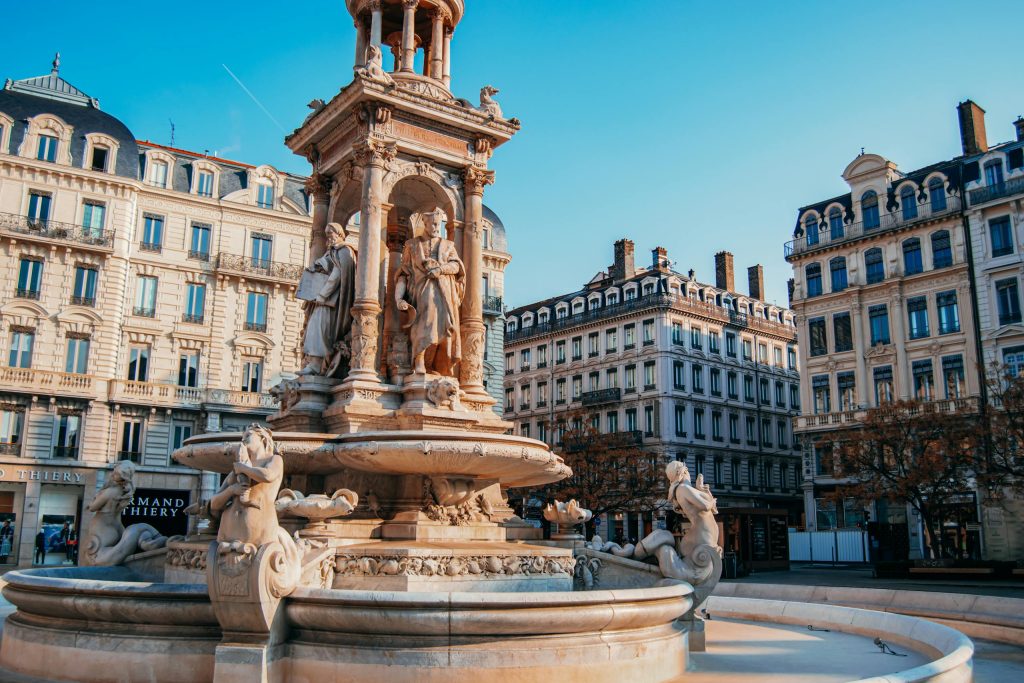
Lyon functions as a hub for cuisine and culture, quickly becoming a preferred alternative to the crowded, expensive coastal areas that travelers often choose for an authentic European experience. Urban sociologists and tourism experts point out that the city effectively controls the number of visitors, preventing the problems and stress on infrastructure seen in more well-known capital cities.
A local economy that depends on a range of industries instead of just tourism helps ensure that restaurant prices and accommodation costs match the income levels of residents.
Economic experts note that this stability enables tourists to enjoy top-quality dining without the excessive prices commonly seen in well-advertised resort areas. Visitors discover a lively city where historical conservation does not entirely push out contemporary urban living.
The city is characterized by its historic silk-weaving area, the meeting point of two significant rivers, and a long-standing food culture. This marks the transition from mere observation to real involvement.
A major compromise is dealing with a city that strongly emphasizes French language and traditions rather than English-speaking tourist amenities. Travel experts caution that public transportation timetables and business operating hours follow local labor standards closely, resulting in complete closures on Sundays and very few late-night dining choices.
Sapporo, Japan
Sapporo offers a practical and roomy option for travelers who are tired of the crowded conditions and limited accommodations found in conventional Japanese cultural centers.
Demographic researchers and city planners emphasize the city’s grid layout and broad avenues, which help spread out pedestrian movement and remove the cramped congestion typically seen in traditional options.
Economic specialists point out that the northern position greatly lowers housing-related lodging strain, providing large living spaces for a small portion of the cost found in areas further to the south.
Furthermore, climate experts note that the cooler summer temperatures offer crucial respite from the hazardous heat domes that are increasingly prevalent in lower latitudes, allowing for outdoor activities to be feasible all year round.
This northern capital offers large urban parks, famous winter celebrations, and a vibrant craft beer scene. This is why the math works out for those who prioritize comfort.
The main compromise is the separation from the well-known historical routes in the southern part of the country. Transportation experts note that accessing other major islands involves domestic flights or extended train rides, making it more complex to plan trips covering multiple cities.
Severe winter snowfall requires thorough weather readiness and may sometimes interfere with local transportation systems.
Montevideo, Uruguay
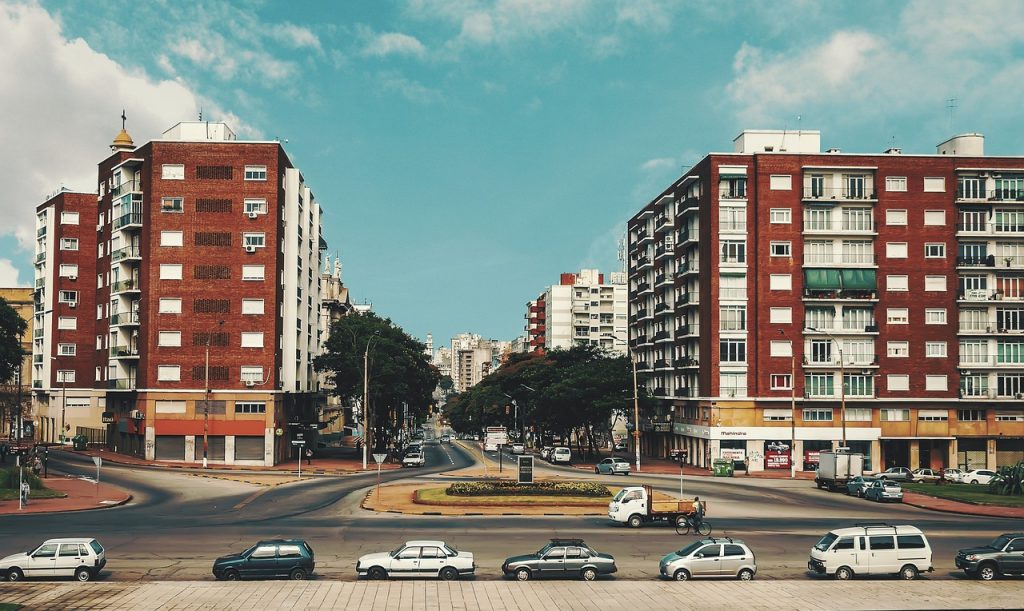
Montevideo stands out as a secure, very livable capital that attracts travelers looking to escape the rapid development and safety issues found in well-known Latin American expat cities.
Risk analysts and political experts often highlight the nation as among the most politically and economically stable in South America, significantly reducing the likelihood of disruptions for those staying for an extended period.
Real estate experts note that the housing market is still open, preventing the severe rent increases that have driven away residents and disappointed visitors in the previous coastal areas.
A strong public health system and stable digital connections create a seamless setting for remote workers who prefer tranquility to busy nightlife. The location is known for its wide riverside walkway, easygoing café scene, and a clear absence of city pressure.
A significant tradeoff is the elevated price of consumer products and meals when compared to nearby countries. Financial advisors caution that exposure to inflation and substantial import duties result in electronics, clothing, and restaurant dining being unexpectedly costly, necessitating a higher daily budget than what the region usually requires.
Perth, Australia
Perth draws tourists who are looking for expansive natural scenery combined with modern city amenities, all without the crowded and expensive real estate areas found on the eastern coast.
Research in tourism indicates that the city’s extreme geographic separation serves as a natural barrier to large-scale tourism, maintaining the standard of local infrastructure and public areas.
Economic experts point out that the region’s resource-based prosperity has supported top-tier public transportation, museums, and coastal projects without depending on tourist taxes.
Achieving financial independence allows travelers to experience luxury facilities without having to compete with countless other tourists for room or dining reservations. The city features vast botanical gardens, clean Indian Ocean beaches, and a lively, sunny outdoor way of life.
The vast isolation from the rest of the world presents a major logistical challenge. Aviation experts note that accessing the city involves grueling, extremely long flights and substantial monetary expense. The intense summer temperatures also require travelers to carefully adjust their routines to steer clear of the hottest part of the day. This compromise is important for those who have limited time off.
Ghent, Belgium
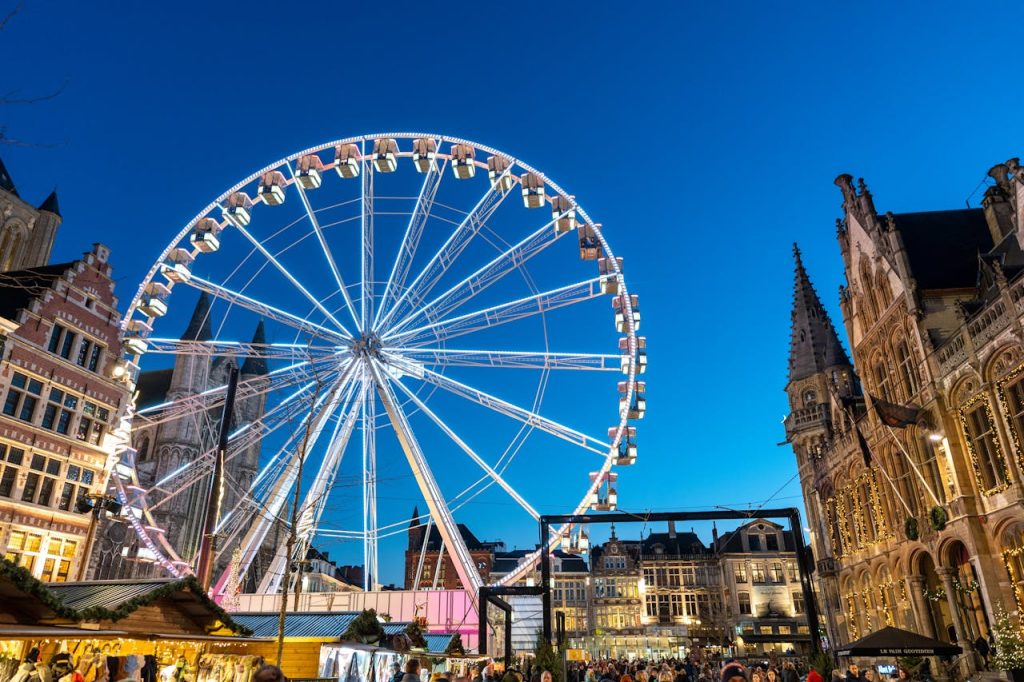
Ghent provides a lively, historically deep setting that acts as a clear contrast to the stagnation and massive crowds found in nearby medieval tourist spots.
Heritage organizations and city planners commend the local government’s choice to emphasize a vibrant, student-focused environment rather than solely focusing on historical conservation, which maintains the downtown area’s energy.
Economic experts state that the robust local economy helps avoid the intense lodging pressures caused by housing, which can lead to historic centers becoming empty areas dominated by short-term rentals.
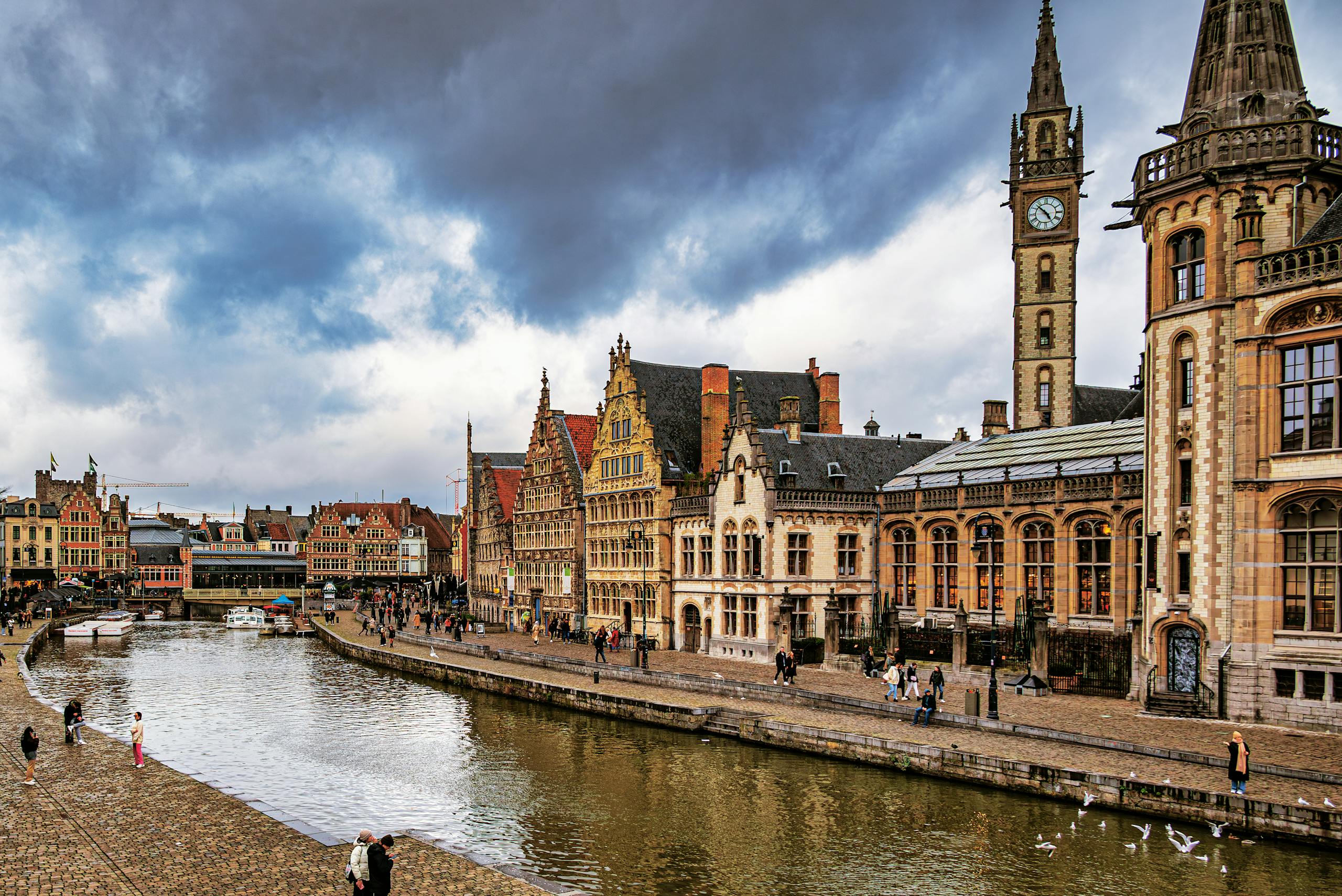
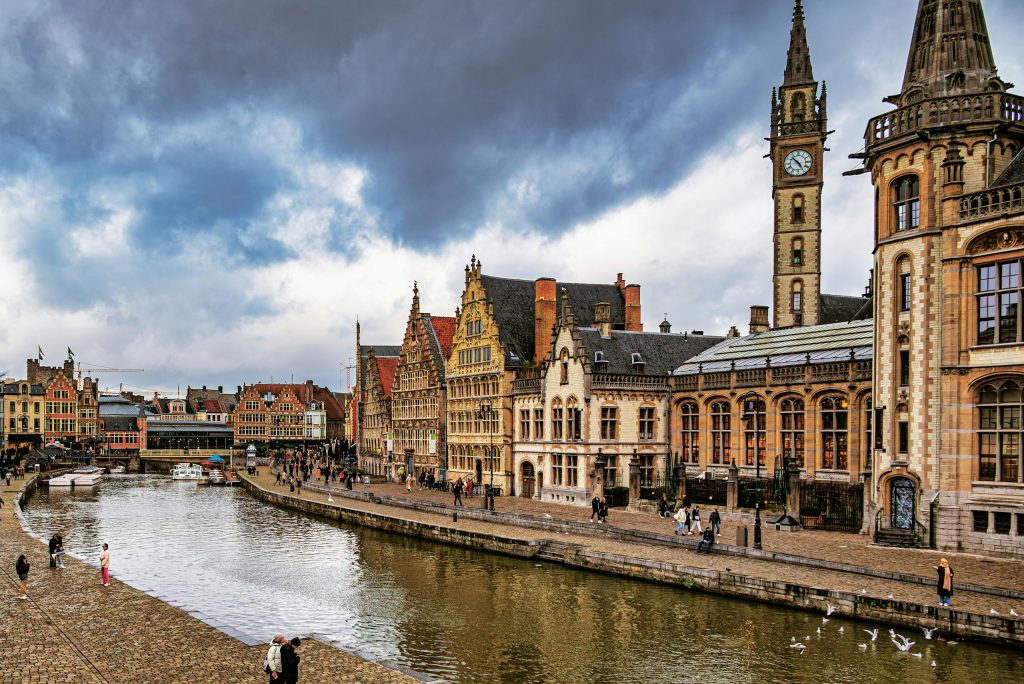
Travelers discover a thriving city where historic buildings accommodate local enterprises instead of global retail chains, offering the genuine charm that the traditional setting had long abandoned. The area is famous for its walkable medieval center, a large student population, and impressive canal-front guild halls.
The compromise includes the famously unreliable weather and a more limited range of hospitality services. Weather statistics indicate that overcast, rainy days are common all year round, which may reduce enjoyment for those who prefer consistent sunny conditions.
The small number of major hotels makes it necessary to book central lodging far ahead of time during busy academic or festival periods.