
The Shift in Short-Term Rentals: A New Era of Regulation and Challenges
Short-term rentals, once seen as a lucrative investment opportunity, have faced significant challenges in recent years. Platforms like Airbnb and Vrbo have become focal points for debates over housing availability, rental prices, and the impact on local communities. As cities implement stricter regulations, the landscape of short-term rentals is changing rapidly, with some areas experiencing dramatic declines in listings and revenue.
New York City: The De Facto Ban That Shook the Market
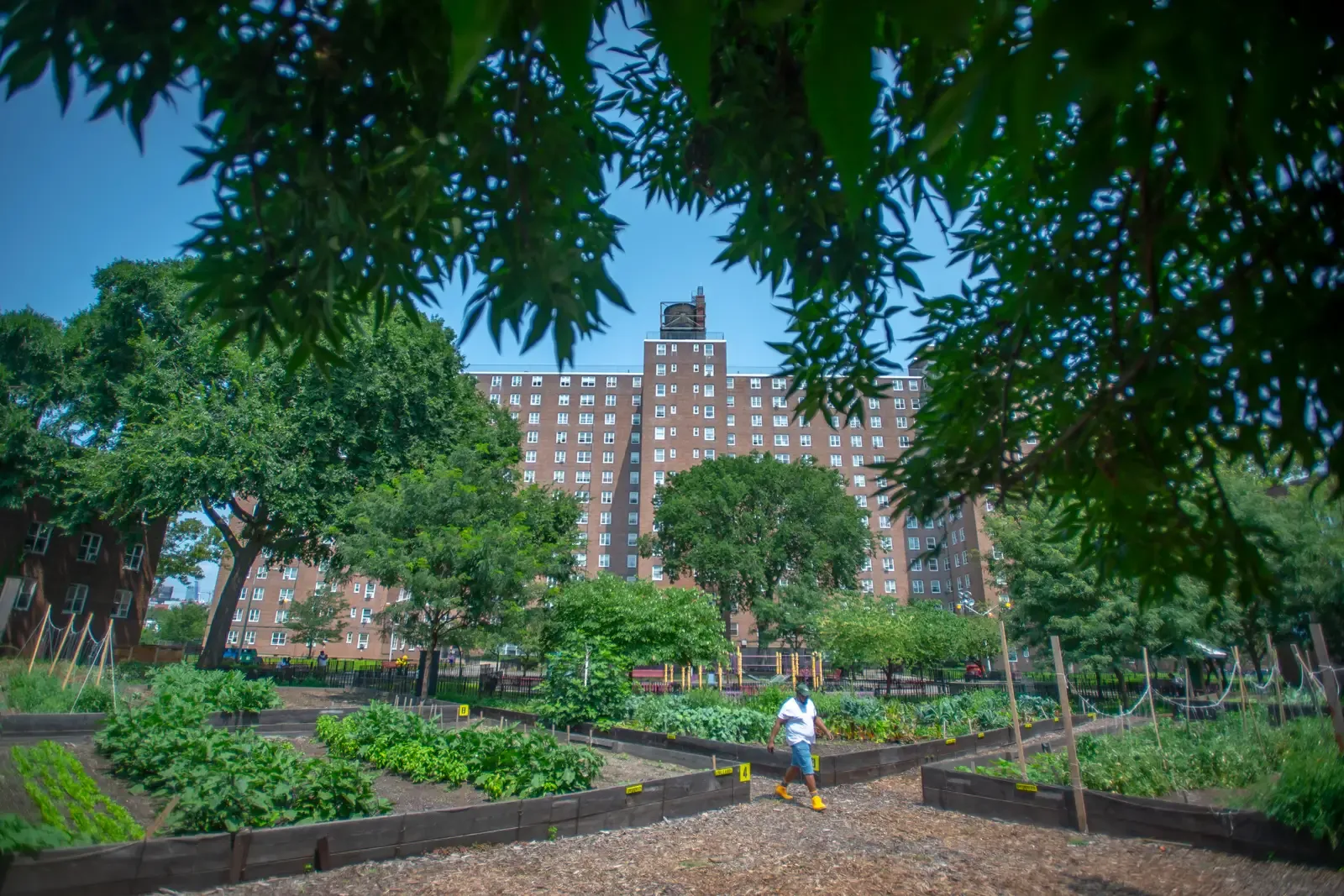
New York City has taken one of the most aggressive approaches to regulating short-term rentals. In January 2022, the city passed Local Law 18, which came into full enforcement in September 2023. This law aimed to curb the proliferation of short-term rentals by requiring property owners to register their listings and meet specific criteria.
The results were immediate and drastic. By mid-2025, the number of active short-term rental listings had dropped from over 38,000 in early 2023 to just over 3,000. The outer boroughs, which had previously seen a high concentration of these listings, were hit particularly hard, with a drop of over 90% in Airbnb listings following the law’s implementation.
Despite these reductions, critics argue that the law has not delivered on its promise of improving housing affordability. Vacancy rates remain unchanged, and there has been only a modest 1% increase in available housing since the law took effect. Meanwhile, hotel prices have surged, raising concerns about the unintended consequences of the regulation.
Barcelona: Europe’s Boldest Ban on Tourist Apartments

Barcelona has taken an even more extreme approach, announcing plans to ban all tourist flats by November 2028. The city defines tourist flats as residential properties rented for stays of up to 31 days. This decision was backed by Spain’s Constitutional Court in March 2025, which upheld the plan to phase out all short-term rental licenses by 2028.
Housing pressures in Barcelona are well-documented, with rents rising over 60% in the past decade. The city has already begun enforcing this policy, with no new short-term rental licenses issued after June 2024. Efforts in 2025 and 2026 have focused on auditing existing operators for compliance with tax and licensing rules.
The impact of this ban is already being felt. Between 2018 and 2024, Airbnb’s active listing count in Barcelona fell by over 20%. Additionally, Spain launched a nationwide purge, with the Consumer Rights Ministry ordering the removal of over 65,000 holiday rental listings that violated registration rules in May 2025.
Phoenix: A Classic Case of Oversupply Collapse

Phoenix became a cautionary tale of what happens when investor enthusiasm outpaces real demand. The number of Airbnb listings in the city grew from 5,000 in 2017 to over 21,000 by 2025. This oversupply led to softer occupancy rates and lower nightly prices.
In response, Phoenix introduced new requirements for hosts, including permits and a minimum $500,000 liability insurance. These measures have helped tighten the market. According to Airbnb, the number of listings in the local market was down approximately 8% year-over-year in Q4 of 2024, likely due to some hosts exiting the market or repurposing their properties.
Austin: From Boom Town to Bust Market
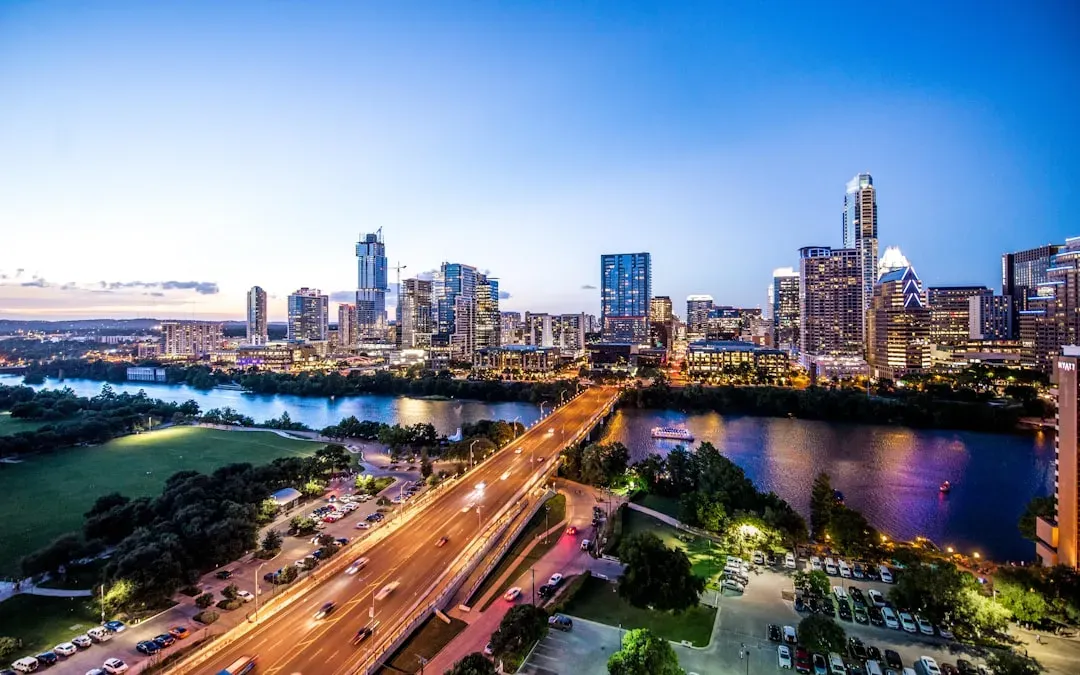
Austin experienced a similar trajectory, riding the wave of pandemic-driven remote work and tourism. However, the city has since faced turbulence, with reports suggesting that revenues had dropped nearly 50% in some areas.
AirDNA data shows that despite an uptick in demand and bookings, revenue per available room (RevPAR) was down year-over-year in December 2023 due to an increase in the supply of vacation units. Austin now faces a combination of rising operating costs, stiff competition, and affordability concerns among travelers.
Dallas: Too Many Listings, Not Enough Demand
Dallas has also struggled with an oversupply of listings. Since 2020, the city has gained more than 6,000 new Airbnb listings, but demand has not kept pace, leading to low occupancy rates and downward pressure on nightly rates.
To address this, Dallas now requires special permits for short-term rentals, making it harder for casual hosts to enter the market. While this has not reversed the glut of existing listings, it has started to affect investor returns, with some opting to sell their properties outright.
Los Angeles: Regulation Bites Into a Once-Booming Market
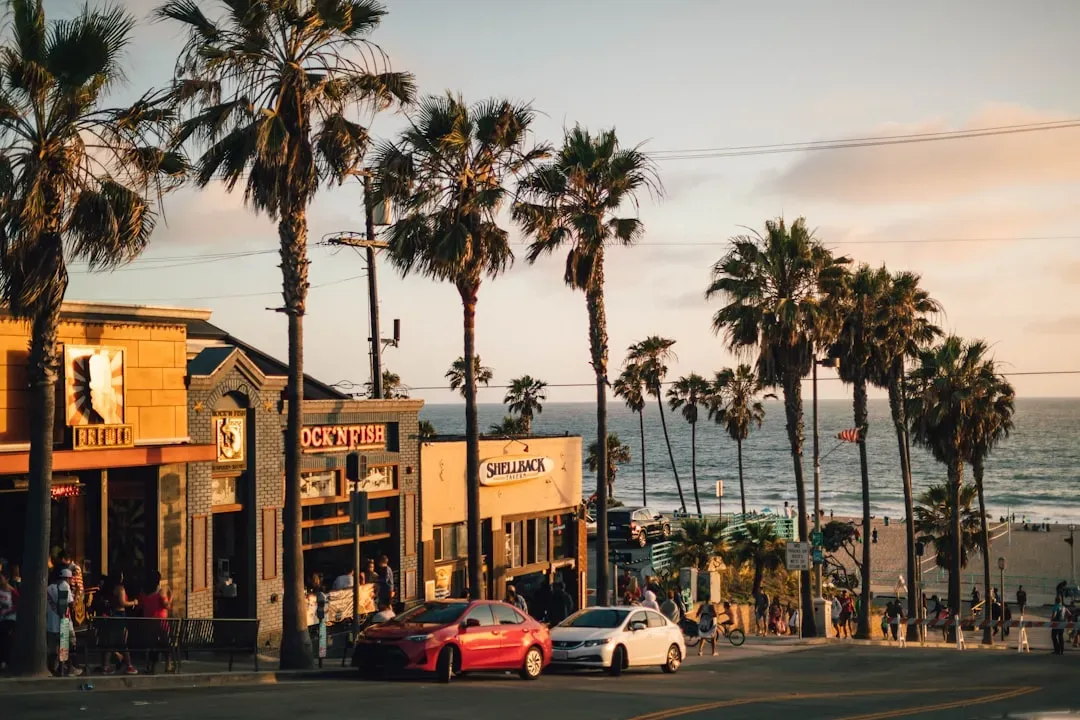
Los Angeles has taken a different approach, focusing on restricting the types of properties that can be used for short-term rentals. The city’s Home-Sharing program allows only residents to rent out their primary homes, effectively excluding investors with multiple properties.
This shift has changed the dynamics of the market, with many operators reporting increased competition and market saturation. In 2024, 76% of respondents in Hostaway’s survey reported heightened competition, while 55% of short-term rental operators cited market saturation as a major challenge.
In markets like Lake Tahoe, agents are seeing more listings from owners who are tired of the regulatory burden, competition, and shrinking returns.