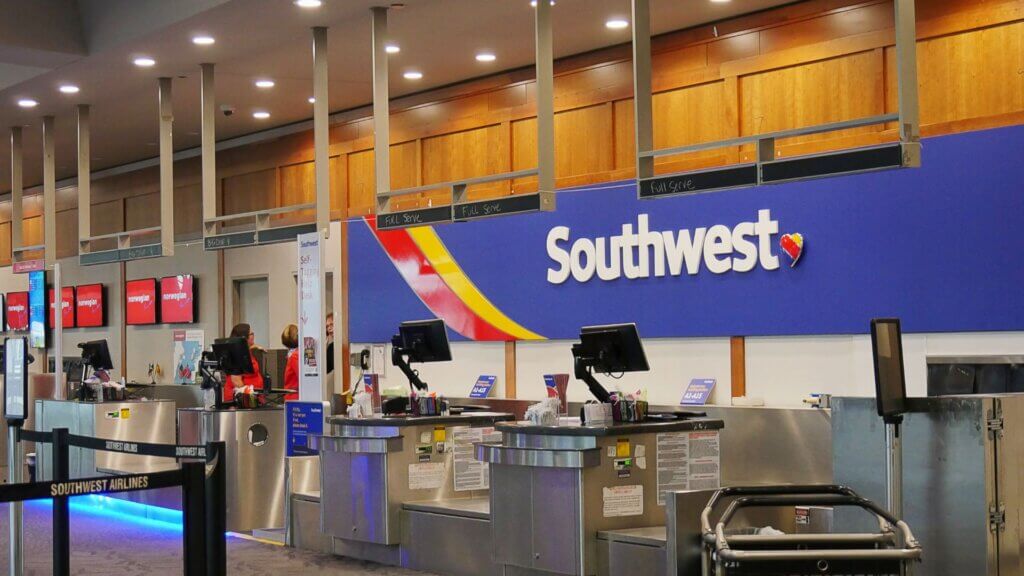
Southwest Airlines established its reputation through open seating, and for many years, dedicated customers appreciated the freedom this approach offered. Over the years, this practice set expectations regarding boarding procedures, overhead space, and flexibility within the cabin. However, assigned seating and new baggage fees have changed this familiar experience for numerous travelers nowadays.
This response has gone viral on social media and travel discussion boards, with passengers sharing stories of packed aisles and disarray during the boarding process. Travelers sitting near the front mention that the overhead compartments are completely filled, causing them to walk towards the back before heading back to their seats, increasing stress in an already cramped cabin for many regular travelers.
Southwest mentions it is examining customer feedback as the implementation progresses, but executives also reference studies indicating that assigned seating attracts a wider range of passengers. Recent financial statements reveal all-time high revenue for 2025 and an increasing stock value, which adds to the increasing dissatisfaction among long-time loyal customers who previously supported the company.
Overhead Compartment Overload with Assigned Seating
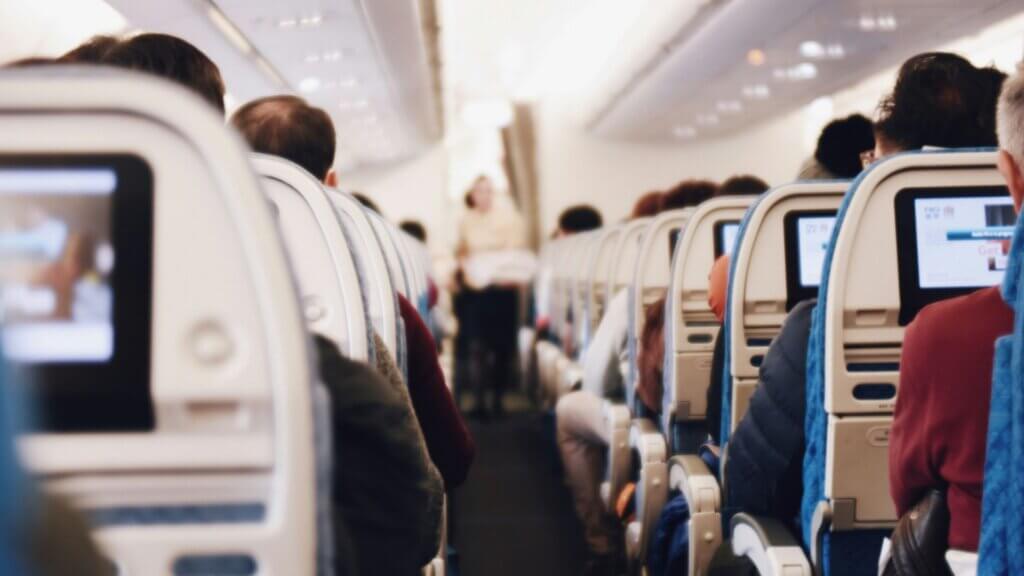
The allocation of specific seats has altered the boarding sequence, allowing passengers sitting near the front to board later while still requiring space above their row. This timing causes them to look beyond their assigned seats for an available overhead bin, and the additional walking restricts the aisle as more people come in behind them.
Increased checked baggage charges have led to more luggage being brought into the cabin, resulting in overhead bins filling up quicker, and the boarding congestion happening sooner. This overcrowding then causes some passengers to place their bags in the rear, and this action leads them to move forward against the flow, which slows down the entire process. Gary Leff described it as “much more chaotic than other airlines,” a sentiment that aligns with what many travelers have shared online.
Southwest has instructed staff to keep their own bags away from the front passenger bins, giving travelers a clearer view of the available space where demand is highest. The airline also mentions it is observing actual passenger behavior and implementing early changes, so procedures continue to evolve as flights highlight new areas of congestion.
Stringent Seat Rules Cause Passenger Outcry
Fixed seating has led to stricter cabin policies, and this inflexibility has caught some travelers off guard, especially those who previously preferred more adaptable options. On a recent flight with less than 50 passengers, Brad Todd relocated to an empty row behind him when he noticed available seats, and this action soon caught the attention of a flight attendant. She informed him, “We can’t take off until you’re in your seat,” highlighting how strictly crew members now adhere to seating assignments.
This enforcement has caused concern among passengers who had become accustomed to selecting their seats after boarding. Families have mentioned that children have been assigned to locations far away from their parents, and these seating gaps have led strangers to discuss seat exchanges during the boarding process in order to remain together. Every change then hinders the efficiency of the process and increases stress within the cabin, prompting some customers to wonder why unused seats don’t provide more flexibility.
Airline officials state that designated seating is in line with operational research and industry norms, indicating the policy is likely to stay. Analysts also highlight record earnings for 2025 and an increasing stock value, which make it harder for long-time supporters to push for a change.
Financial Benefits Introduce Complexity to Customer Outrage
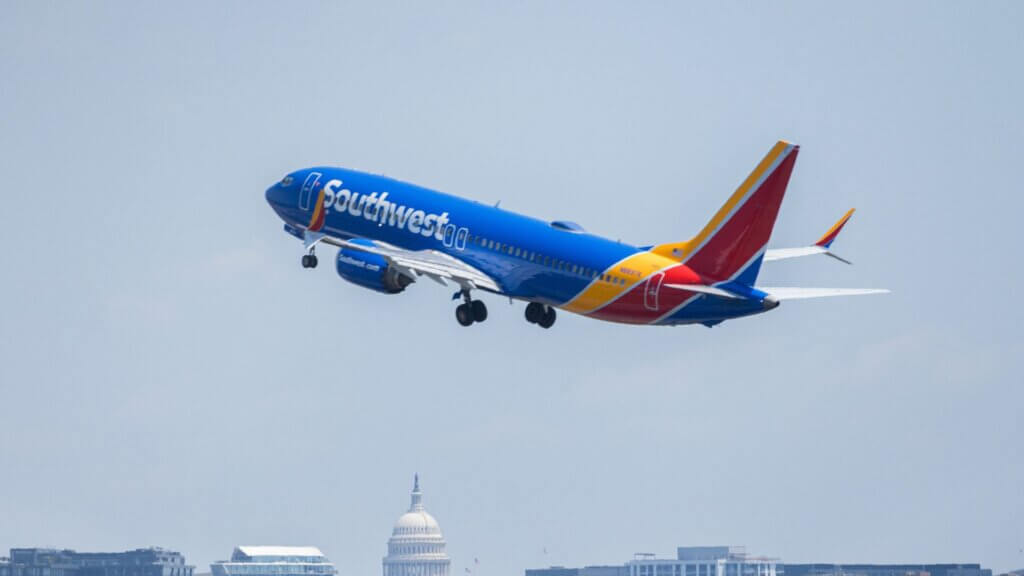
Southwest is currently at a crossroads where customer frustration meets robust financial success, and this conflict will influence future decisions. Strong revenue for 2025 and an increasing stock value indicate that the assigned seating system hasn’t negatively impacted demand in the short term. These figures provide executives with the flexibility to further improve operations without changing direction, despite long-time travelers expressing discontent on social media and in interviews.
At the same time, industry experts claim that fixed seating and additional legroom choices draw in travelers who are not loyal to any particular brand and appreciate consistency. This wider appeal helps the airline get closer to competitors that have long used organized boarding processes and tiered seating options. Henry Harteveldt has proposed that offering at least one free checked bag could enhance this approach, adding another tool the airline can use without giving up assigned seating.
As modifications persist, Southwest must balance loyalty with growth, and this decision now shapes its future identity. Initial changes to bin policies and boarding processes demonstrate adaptability, but the overall structure remains unchanged, leaving the airline managing expansion with a new customer expectation at its center.