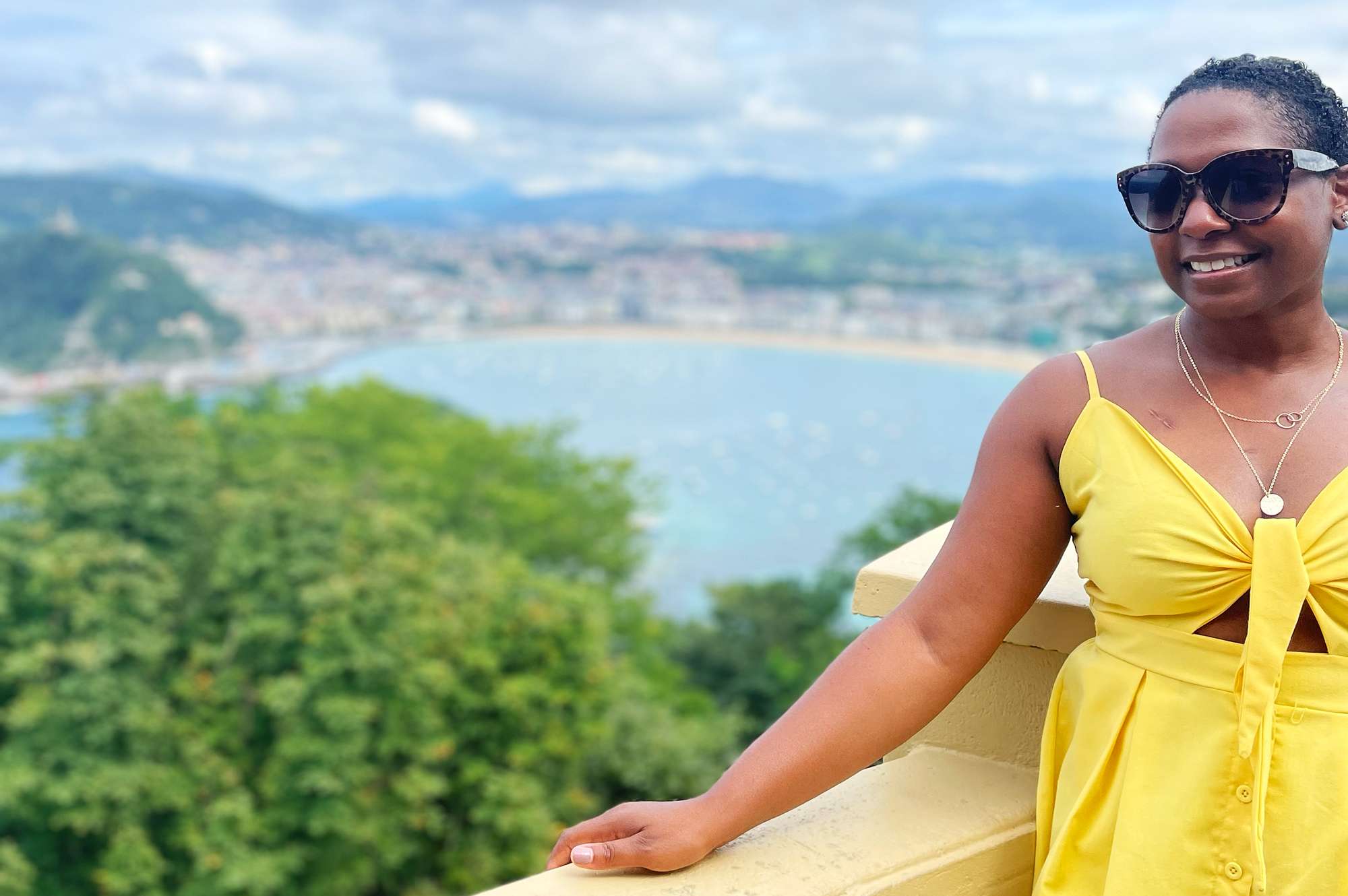
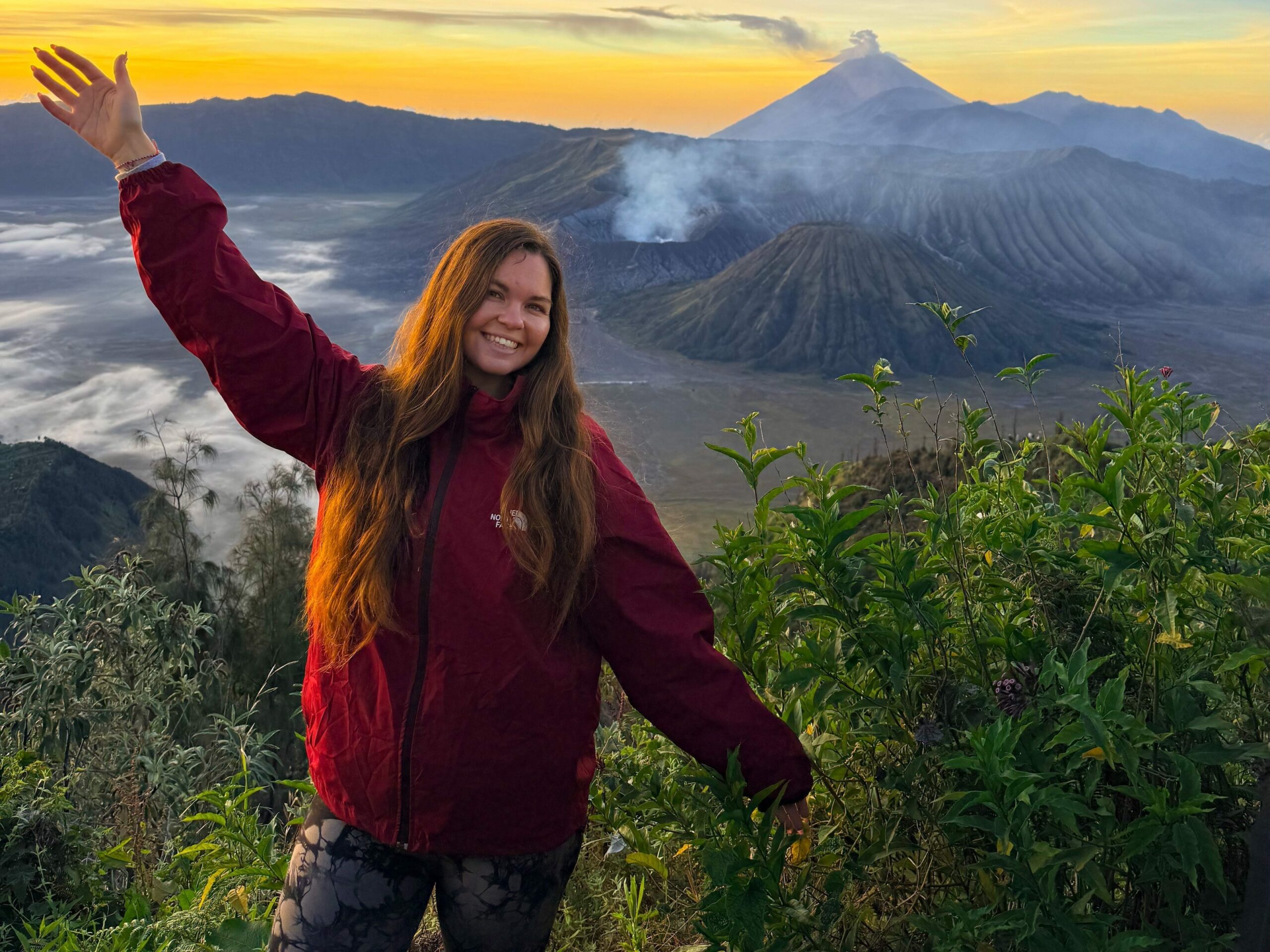
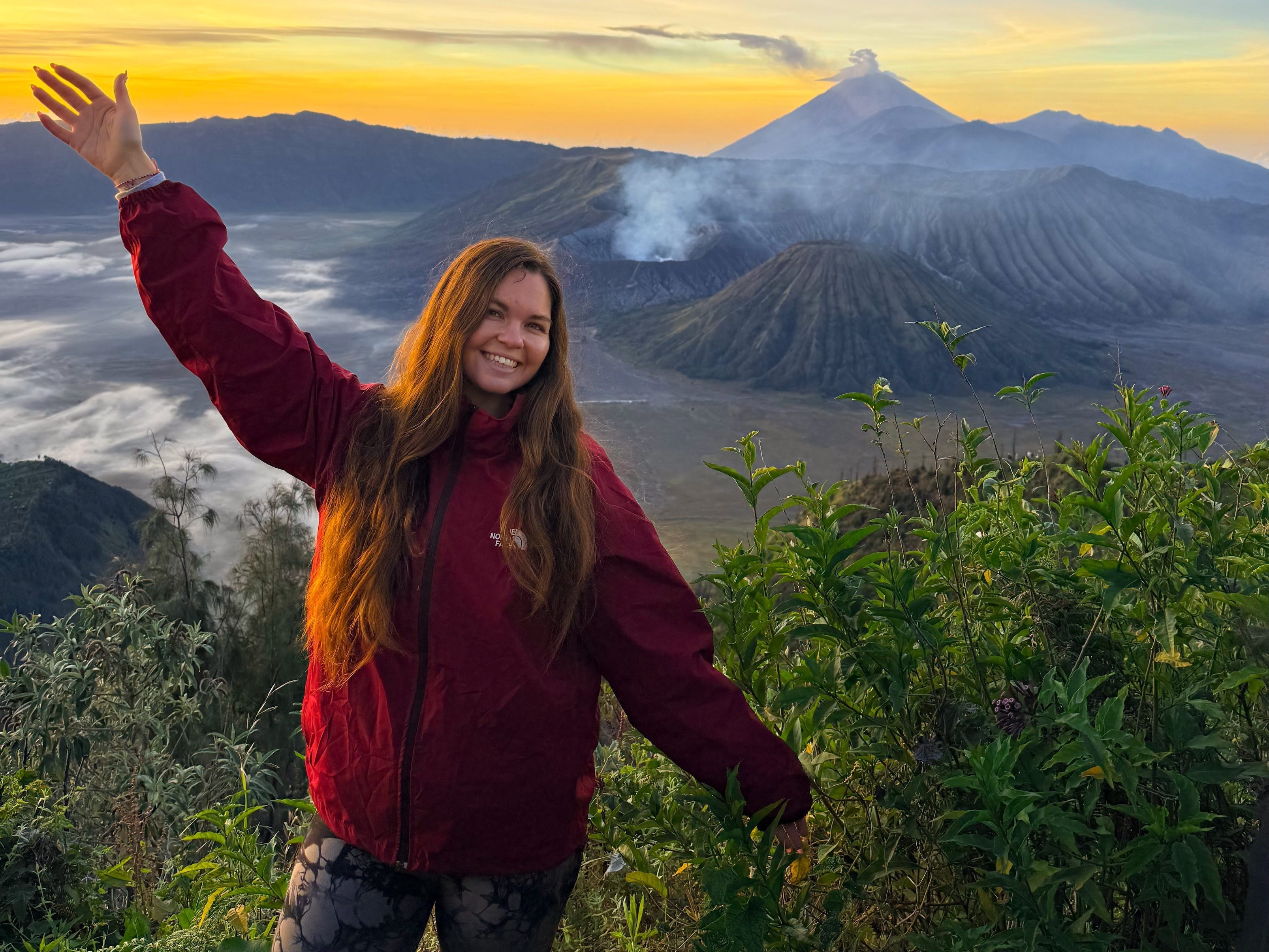
Jordynn Ison, a 27-year-old nurse from Ohio, has built a unique lifestyle that blends her passion for travel with her professional background in healthcare. As a solo traveler, she’s discovered that medical tourism in Asia can be an incredibly cost-effective solution for primary care and dental procedures. While she once had health insurance coverage in the United States, she now relies on an international health insurance plan, which allows her to access affordable medical services across multiple countries.
Ison’s journey into medical tourism began after she graduated from nursing school and worked full-time in healthcare. Over time, she transitioned into a career as a travel influencer, while still maintaining occasional nursing shifts in Columbus. Her decision to seek medical care abroad was driven by both financial and practical considerations. She found that getting bloodwork or other routine tests during her travels was significantly cheaper than arranging them at home.
Her experiences have led her to recommend Thailand as a top destination for travelers not just for its beaches and snorkeling opportunities, but also for its accessible healthcare system. Ison emphasizes that a primary care checkup at a local hospital is well worth the cost. “I wish people would realize how much easier it really is,” she said. “Some people get scared because they think if they don’t speak the language and are in another country, the care won’t be good. Honestly, my experience is the exact opposite.”
Medical tourism is becoming increasingly popular among Americans who want to avoid high medical bills and complex insurance processes in the U.S. According to industry projections, the international health insurance market is expected to grow from nearly $32 billion in 2025 to $40 billion by 2030, with North Americans making up the largest portion of this market. The Centers for Disease Control reports that millions of Americans are traveling to destinations like Mexico and the Caribbean for everything from cosmetic surgery to cancer treatment.
For Ison, the affordability of medical care abroad is a major factor. “If you want to check your thyroid and things like that, which I think is so important, especially for women, I love getting that kind of thing done when I’m traveling,” she said.

As a young professional in her 20s, Ison is still exploring her career and financial goals. She qualified as a dependent on her parents’ health insurance until age 26, then briefly had coverage through her Ohio hospital. However, she eventually decided to reduce her nursing hours and focus more on content creation. This shift left her without employer-sponsored insurance, prompting her to explore alternative options.
Instead of returning to a full-time nursing schedule or purchasing a health insurance plan through the marketplace, Ison chose to integrate her medical appointments into her travel plans. She has visited several countries, including Vietnam, Turkey, Australia, Indonesia, South Korea, Thailand, and Japan. A $50-per-month international insurance plan covers her basic care in 180 countries, according to Ison.
“I am in places for months at a time, so I just pay per month, and that pretty much covers everything. It’s really easy to put bigger claims on that plan,” she explained. For smaller charges like labs and dental cleanings, she often pays out-of-pocket, especially in places like Bali where the costs are minimal—around $15 or $20.
Ison noted that preventive care and basic tests overseas, particularly in Asian countries, typically cost less than $50. Even more involved procedures, such as a recent dental crown, were a fraction of the average U.S. cost. Beyond the price difference, she found that she could access providers in other countries much more quickly than in Ohio.
Of course, Ison acknowledges that there are risks associated with receiving healthcare outside the U.S. She carefully reviews clinics before booking appointments and researches which providers speak English. Business Insider has heard similar stories from other travelers—most do thorough research before attending appointments, but the ease of international booking and low prices are common themes.

Ison isn’t sure if she will ever move abroad permanently, but she doesn’t plan to give up traveling—or medical tourism—anytime soon. Her latest trip included hiking and camping in Guatemala. “I’m going to hike a very active volcano, so I’m really excited for that,” she said. “I’ve been wanting to do it for years.”