
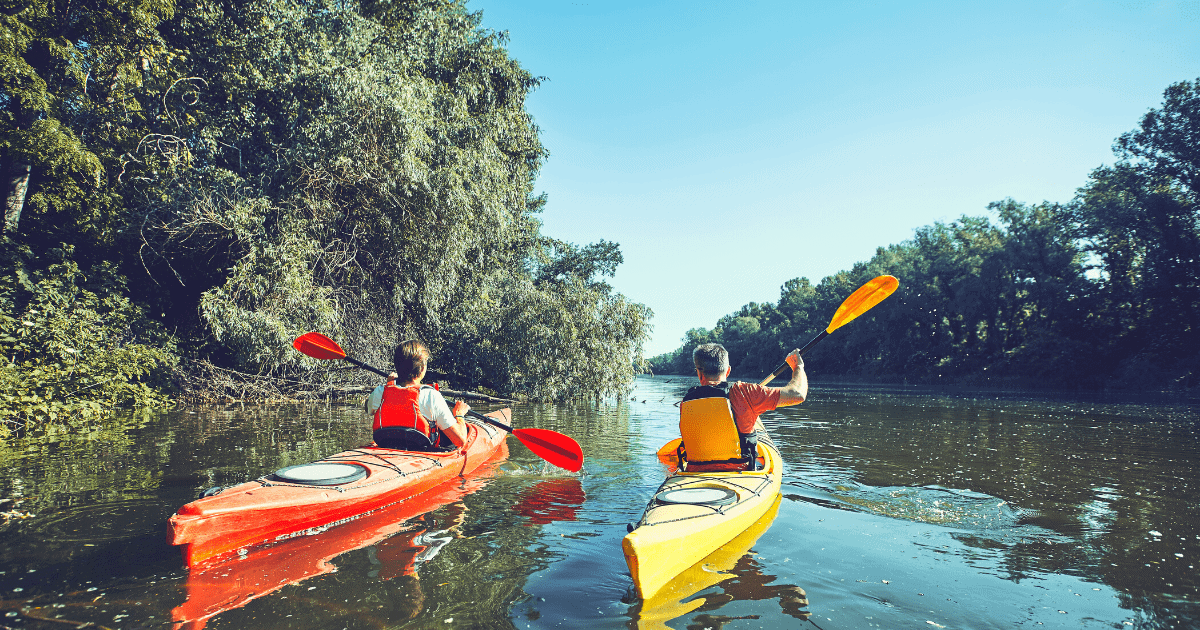
Spring breakonce referred to airport queues, crowded beaches, and hotel prices that drained your finances. This year, more travelers are avoiding flights completely and choosing a more peaceful destination: the campsite.
Spring break camping is becoming increasingly popular, and it’s not only serious outdoor lovers who are leading this trend. Families, couples, groups of friends, and even those trying camping for the first time are opting for tents, RVs, and cabins instead of plane tickets. Although higher travel expenses are a factor, the change goes beyond just cost. Individuals are seeking flexibility, room, and authentic experiences.
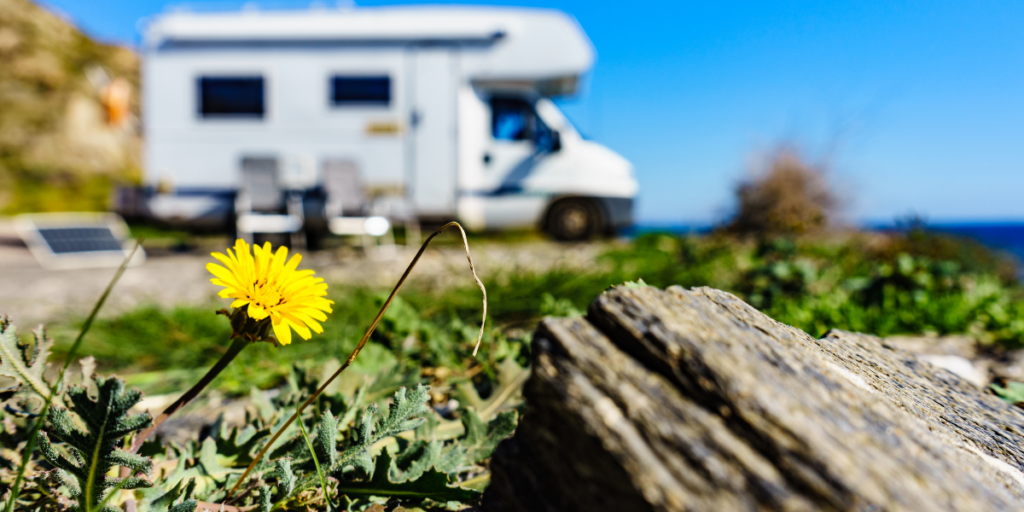
Air travel and accommodation are more difficult to justify
Spring break falls right in the middle of the busiest travel time. Flight costs go up. Hotel rates increase dramatically. Rental cars become hard to find. Even a brief trip within the country can quickly add up to a four-digit expense for a family. Camping provides a more straightforward calculation.
Campsite charges typically cost much less than a hotel room for the night. You can manage meal expenses by preparing food yourself rather than eating out three times daily. There are no luggage fees, airport parking costs, or additional resort charges. For many families, this difference makes the difference between going on a vacation and remaining at home.
The savings also allow for valuable extras. Rather than spending on flights, families can opt for a guided hike, rent kayaks for the day, or invest in a higher-quality cooler or sleeping pad that enhances comfort well beyond spring break.
Flexibility beats airport chaos
Traveling by air during school holidays brings inherent stress. Delays spread throughout the country. Security queues are long. Weather can disrupt plans in a short time. Camping eliminates much of this uncertainty.
You can depart whenever you choose. If traffic increases, you can take a different route. If you become fond of a location, you can stay an extra night if possible. If rain arrives, you can switch to a nearby town or pack up and go home early without losing thousands on non-refundable reservations.
That adaptability is particularly attractive to families. Taking children on the road becomes simpler when you aren’t rushing to make a flight or dealing with busy airports.
Campsites are now more comfortable than they have ever been.
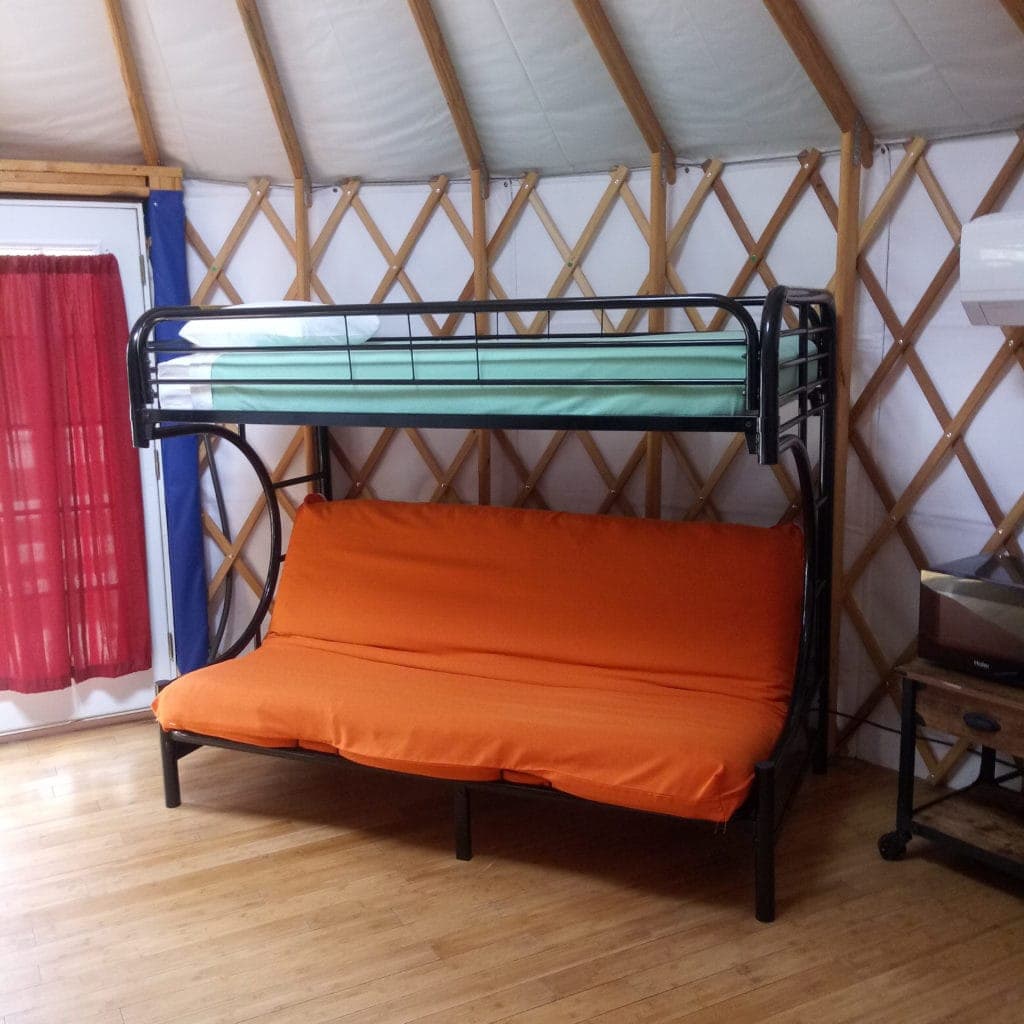
For those envisioning spring break camping as a rugged experience with few comforts, the situation has evolved. Numerous campgrounds now provide clean bathhouses, electrical connections, cabins, play areas, and scheduled activities. Private campgrounds frequently feature swimming pools, camp stores, and scheduled events throughout busy seasons.
There are numerous types of camping available. Tent sites are still widely favored, while the popularity of RV travel is increasing. Glamping choices, such as safari tents and cozy cabins, provide a balance between staying in a hotel and sleeping outdoors.
This diversity allows camping to be available for individuals who might not have thought about it previously. You can select the amount of comfort that suits your family without giving up the outdoor adventure.
Nature seems to offer a fresh start
Spring break typically occurs at the end of a prolonged winter season. Numerous individuals feel weary from spending too much time on devices, following daily routines, and staying indoors. Camping provides a distinct escape from these situations.
Mornings begin with a breath of fresh air rather than the sound of alarm clocks and email alerts. Evenings are centered around campfires instead of watching television. Children spend hours cycling, discovering trails, or skipping stones at the lake. Adults take their time in a manner that is difficult to achieve in a hectic tourist area.
The change in mindset is one of its attractions. Being outdoors promotes activity and interaction. Families communicate more. Friends disconnect from devices. The days seem extended in a positive manner.
Sustainability plays a role
Some tourists are also reconsidering the environmental effects of regular air travel. Taking a drive to a local park and enjoying nature supports a more sustainable way of traveling. Camping encourages a deeper connection with public lands and natural environments. For many individuals, this understanding increases the motivation to preserve these areas.
Suggestions for organizing a successful spring break camping adventure
The growing popularity makes it impossible to view spring break camping as a last-minute alternative. Some planning can make a big difference.
Book early.Popular state parks and private campgrounds tend to become fully booked quickly during spring break periods. Once school schedules are finalized, it’s advisable to check for availability.
Research the weather.Spring weather can be uncertain. Some southern locations might already be warm, while higher areas could still have cold evenings. Bring multiple layers and rain equipment even if the weather seems fine.
Choose the right site.If you’re camping with children, choose locations close to restrooms or play areas. For a peaceful experience, steer clear of areas near entry points or central activity zones.
Keep meals simple.Spring break isn’t the time to try out complex camp recipes. Opt for simple breakfasts,one-pan dinnersand a few well-known favorites. Prepare ingredients at home to reduce the workload at the campsite.
Bring comfort upgrades.A good sleeping pad, additional blankets, camping chairs, and proper lighting can greatly impact whether your trip is peaceful or troubled. If you’re just starting out with camping, focus on ensuring a comfortable sleep first.
Plan in advance but allow for spontaneity. Choose a couple of key experiences, like a must-visit trail or a local landmark, but don’t fill every moment. The charm of camping lies in having free time to explore.
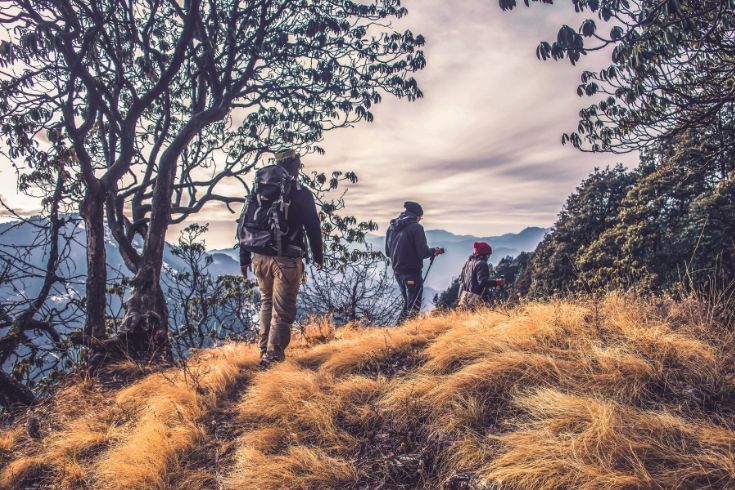
Where spring break camping is most effective
Local travel often proves to be the ideal choice. Numerous families are opting for locations within a short drive from their homes. Beach campgrounds in the South, desert parks in the Southwest, and lakeside spots throughout the Midwest all experience high interest during the spring season.
National parks consistently attract many visitors, yet smaller state parks can offer a comparable experience with less congestion. When popular spots are fully reserved, consider exploring nearby hidden gems. You might discover more peaceful paths and simpler booking processes.
Why this change is expected to remain in place
Spring break camping is more than just a response to increasing flight costs. It shows a larger shift in how people view their vacation time. More travelers are discovering that unwinding doesn’t need a plane ticket. Excitement doesn’t always mean staying at a fully booked resort. And genuine family memories often arise from basic experiences outdoors.
As an increasing number of families attempt camping for the first time, some will come back next year. The financial benefits, adaptability, and relaxed atmosphere are difficult to overlook once you’ve experienced them.
Avoiding the flights doesn’t imply missing out on the vacation. More and more travelers are choosing to exchange busy airports for peaceful mornings, and costly hotel stays for views of the night sky. This exchange is turning out to be beneficial.
The post Avoid the Air Travel — Why Spring Break Camping Is Becoming More Popular appeared first on HodgePodge Hippie.