
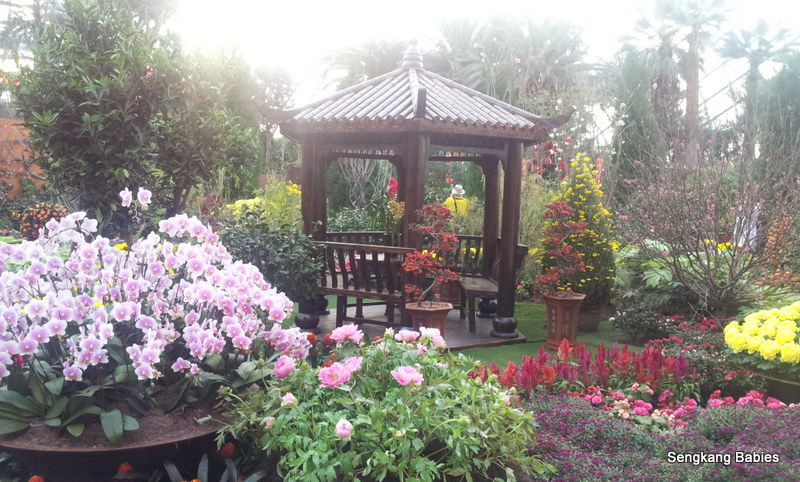
Exploring the Triangle’s Exceptional Botanical and Flower Gardens
As the weather warms and spring approaches, the Triangle region in North Carolina offers a wealth of botanical and flower gardens that are perfect for visitors and locals alike. These spaces are not only beautiful but also serve important scientific and educational purposes. According to Mark Weathington, director of the JC Raulston Arboretum, the area is considered a leader in the botanical garden world, and people should take advantage of these unique spaces.
Each of the major gardens at North Carolina State University, the University of North Carolina at Chapel Hill, and Duke University has its own distinct character and mission. They all offer free admission, making them accessible to everyone. Here’s a closer look at some of the most notable gardens in the area:
JC Raulston Arboretum in Raleigh
Location:4415 Beryl Road, Raleigh
Amenities:This arboretum, part of North Carolina State University’s campus, features rose gardens, flower gardens, a Japanese Garden, and spaces designed to inspire home gardeners.
Website:jcra.ncsu.edu
Admission:Free
This year marks the 50th anniversary of the arboretum, with several events planned. One of the highlights isMoonlight in the Garden, an event that transforms the space with beautiful lights in the dark, held annually in November.
Raleigh Rose Garden
Location:301 Pogue St., Raleigh
Amenities:One of three accredited rose gardens in North Carolina, featuring 1,200 roses across 60 rose beds. The garden is also home to the Raleigh Little Theatre, which performs at nearby indoor theaters and the outdoor amphitheater in the garden.
Website:raleighnc.gov/parks-and-recreation
Admission:Free
The roses typically bloom from early May through November. However, parking can be limited, as the lot is small, and most parking is along Pogue Street.
Sarah P. Duke Gardens in Durham
Location:2000 Lewis St., Durham (temporary entrance during construction)
Amenities:Known for its famous cherry blossom blooms in March, this 55-acre garden includes historic gardens, native gardens, and areas showcasing the floral diversity of Southeast Asia.
Website:gardens.duke.edu
Admission:Free
During construction of the new welcome center, there is no weekday vehicle parking, and alternative transportation is encouraged. Parking is available on weekends.
North Carolina Botanical Garden in Chapel Hill
Location:100 Old Mason Farm Road, Chapel Hill
Amenities:This garden covers more than 1,100 acres and includes carnivorous plant collections and habitats representing different regions of North Carolina.
Website:ncbg.unc.edu
Admission:Free
Adjacent to Coker Arboretum, which is also worth visiting on UNC’s campus.
Juniper Level Botanic Garden in Wake County
Location:9241 Sauls Road, Raleigh
Amenities:A 28-acre campus featuring over 27,000 different plant types, waterfalls, a plant nursery, and some of the world’s rarest plants.
Website:juniperlevelbotanicgarden.org
Admission:Free, with a $5 parking fee redeemable as $5 off plant purchases.
The garden is open to the public only on set weekends and requires an appointment otherwise.
WRAL Azalea Gardens
Location:2619 Western Blvd., Raleigh
Amenities:One of the smaller gardens at 1.5 acres, featuring more than 60 varieties of azaleas, including native and popular pink Encore azaleas.
Website:wralgardens.com
Admission:Free
Access is available from Centennial Parkway.
Expanding Your Garden Exploration Beyond the Triangle
For those willing to drive a little further, there are other exceptional gardens in North Carolina that make for excellent day trips:
- Cape Fear Botanical Gardensin Fayetteville – $12 general admission
- Greensboro Arboretumin Greensboro – free admission
- Reynolda Gardensin Winston-Salem – free admission
These gardens offer additional opportunities to explore the beauty and diversity of flora across the state.
If you have questions about life in North Carolina or need help finding information, the service journalism teams at The News & Observer and The Charlotte Observer are here to assist. You can submit your questions by filling out this form.
Stay tuned for updates on when Duke Gardens’ viral cherry blossoms will reach peak bloom, and learn how to identify a common shrub that can be dangerous to birds in North Carolina.