
The Discovery in Hungary

A remarkable 3,000-year-old hoard of treasure has been uncovered in Hungary, revealing a glimpse into the ancient European civilizations. This astonishing find was made by farmers while they were digging for potatoes on a hill, highlighting the serendipitous nature of archaeological discoveries. The location of the treasure adds historical intrigue due to its geographical connections to ancient trade routes. The hill’s strategic position suggests it may have been a significant site for commerce and cultural exchange during its time.
The discovery site is particularly noteworthy for its potential to reveal more about these ancient interactions. The hill is part of a region known for its rich archaeological history, often yielding artifacts from various periods. This area has been a focal point for historians due to its proximity to the Danube River, which served as a major conduit for trade and cultural exchange in ancient times. The discovery of the treasure here adds another layer to the historical significance of the region, suggesting it may have been a hub of activity and interaction among different cultures.
Local authorities are now considering further archaeological surveys in the area, hoping to uncover additional artifacts that could provide more context to this significant find. The farmers’ chance encounter with the hoard has opened new avenues for research into the region’s ancient history.
Contents of the Treasure

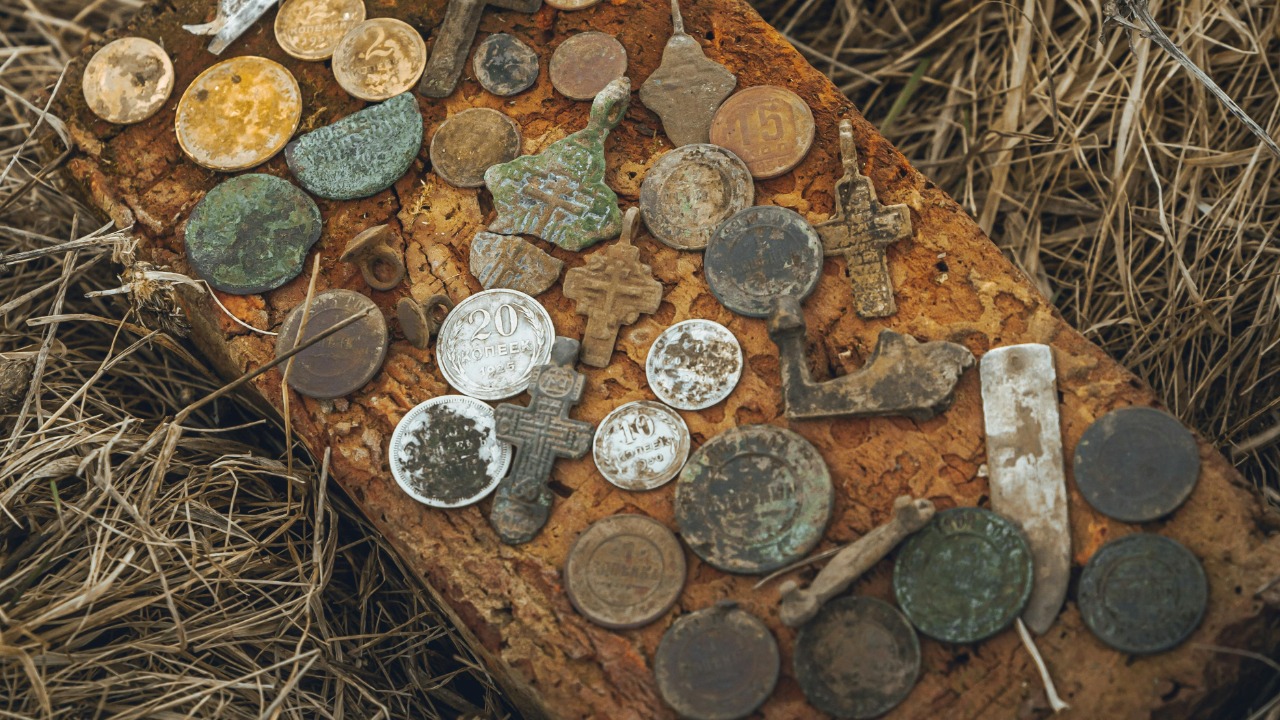
The hoard includes a variety of ancient artifacts, providing valuable insight into the craftsmanship and culture of the time. Among the items recovered are intricately designed jewelry, tools, and ceremonial objects, each offering clues about the society that created them. These artifacts are believed to be over 3,000 years old, dating back to a period of significant historical importance in Europe.
The detailed craftsmanship of these items suggests a high level of skill and artistry, reflecting the cultural sophistication of the era. The diversity of the artifacts is a key aspect of the find, as they not only showcase artistic significance but also provide evidence of the economic activities of the time. The presence of trade goods and materials from distant regions indicates that the society engaged in extensive trade networks.
In addition to the jewelry and tools, the hoard includes several ceremonial objects that hint at the religious or spiritual practices of the time. These items, which may have been used in rituals or as offerings, provide a glimpse into the belief systems of the ancient society. Some of the materials used in these artifacts, such as amber and certain metals, are not native to the region, indicating a network of trade that extended far beyond local boundaries.
Significance of the Find
The discovery offers a rare opportunity to study the material culture of ancient European societies, potentially reshaping current historical narratives. By examining the artifacts, researchers can gain insights into the daily lives, beliefs, and social structures of the people who lived in this region. This find is particularly significant as it provides direct evidence of the artistic and economic activities of past civilizations.
The implications of this discovery extend beyond the immediate region, offering a broader perspective on the interconnectedness of ancient European cultures. By analyzing the artifacts, historians and archaeologists can trace the movement of goods and ideas across the continent, revealing the complex web of relationships that existed long before modern borders were established. This find challenges previous assumptions about the isolation of certain regions and highlights the dynamic nature of ancient European societies.
The treasure’s discovery is poised to influence how historians understand the development of early European societies. By providing concrete evidence of trade and cultural exchange, the hoard challenges the notion that ancient communities were isolated and self-sufficient. Instead, it suggests a vibrant tapestry of interactions that facilitated the spread of ideas, technologies, and goods across vast distances.
Future Research and Conservation
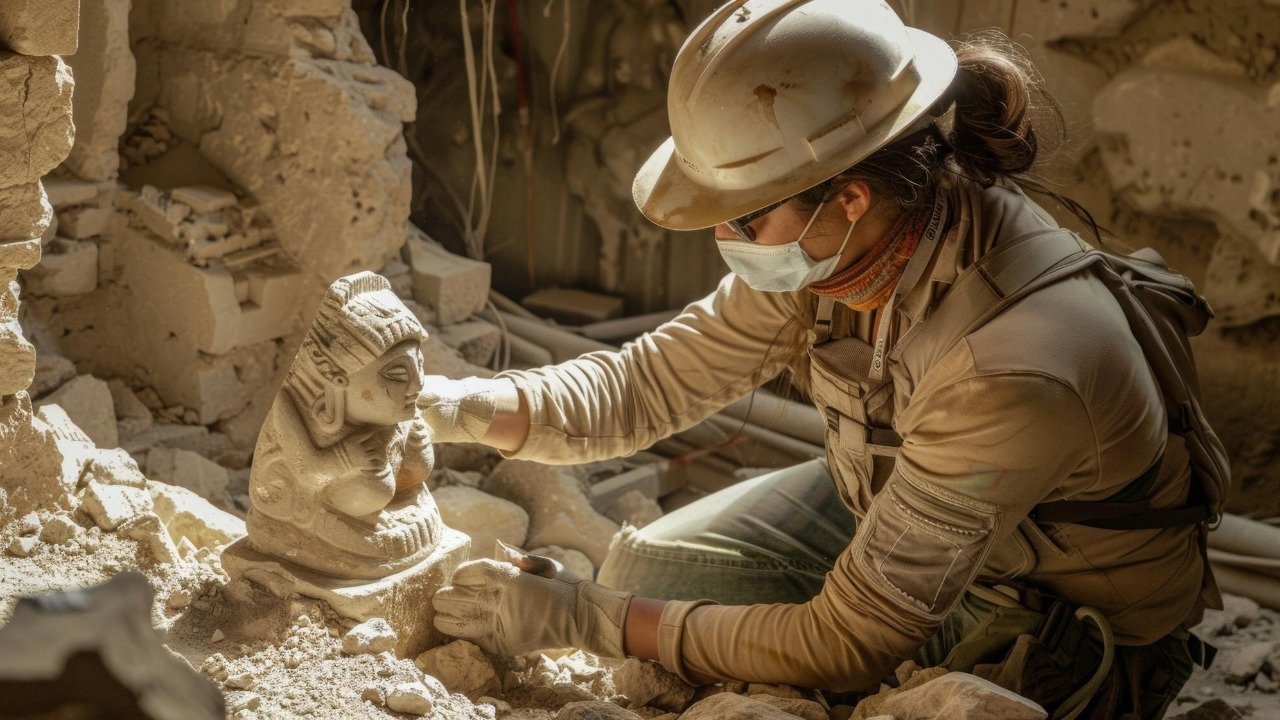
Archaeologists are planning extensive research to analyze the artifacts and uncover more about the origins and use of the treasure. This research will involve a multidisciplinary approach, combining archaeological techniques with advanced technologies such as radiocarbon dating and material analysis. These methods will help determine the age, origin, and function of the artifacts, providing a clearer picture of the society that produced them.
Conservation efforts will be crucial to preserving these artifacts for future generations, ensuring their historical value is maintained. The delicate nature of the items requires careful handling and storage to prevent deterioration. Conservationists will work to stabilize the artifacts, allowing them to be studied and displayed without compromising their integrity. These efforts will not only protect the physical objects but also preserve the cultural heritage they represent, allowing future generations to learn from and appreciate this remarkable discovery.