
Discovering the Natural Wonders of Western Maryland
Western Maryland is a unique and often overlooked region that lies far from the bustling cities of Baltimore and Annapolis. Nestled between Pennsylvania and West Virginia, this narrow strip of land seamlessly blends with the Appalachian Mountains and surrounding forests. It’s a destination that appeals to those seeking nature, outdoor activities, and a sense of tranquility away from the coastal charm of Maryland. While it may feel like a different world compared to the state’s more famous coastal areas, it’s also not too close to Pittsburgh, the nearest major city to the west.
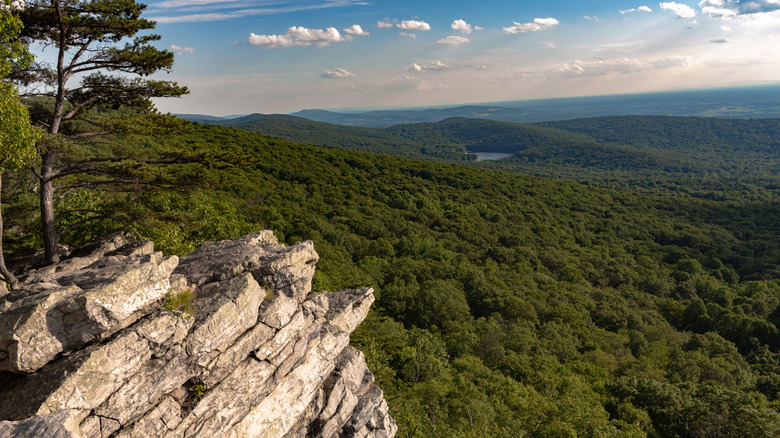
South Mountain State Park serves as the perfect introduction to the region. Spanning approximately 10,000 acres, the park features about 40 miles of the Appalachian Trail. The terrain is rugged and varied, offering trails for hikers of all skill levels. A simple day hike could take you along the Appalachian Trail to Annapolis Rock, which is roughly 5 miles long and offers breathtaking views. For more experienced hikers, the trek from Washington Monument to Annapolis Rock covers 11 miles and involves climbing over 1,800 feet in elevation, making it a challenging but rewarding adventure.
If you’re up for the challenge, you’ll be rewarded with a view of Annapolis Rock, a dramatic outcropping that overlooks the canopy and farmland below. Another scenic spot worth visiting is Black Rock Vista, which is part of the same trail system and provides similar panoramic views. Accessing South Mountain State Park is straightforward, as it’s located about 60 miles northwest of Washington, D.C., and easily reachable via the Baltimore National Pike.
The Ecological Richness of South Mountain State Park
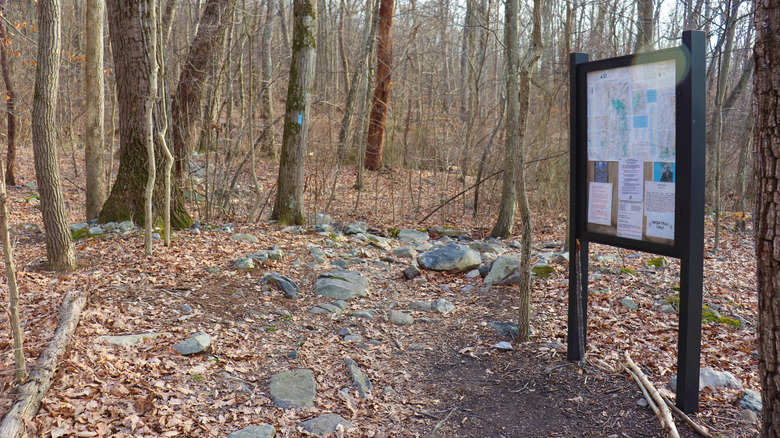
You might be surprised to learn that South Mountain State Park is actually part of the Blue Ridge Mountains, a range more commonly associated with Virginia and the Carolinas. Despite its location, the park has several parking areas, though there is no formal entryway, and admission is free. Nature enthusiasts will find plenty to enjoy here, especially during the warmer months. You can expect to see white-tailed deer, rat snakes, opossums, and even black bears, which are generally harmless but prefer their space. Songbirds fill the trees throughout much of the year, and the park sits along the Atlantic Flyway, making it a common stop for migrating hawks and owls. These natural wonders make the best times of year to hike the Appalachian Trail coincide with prime wildlife viewing opportunities.
A Region Steeped in History

History buffs will also find South Mountain State Park fascinating. Located near Pennsylvania and the Mason-Dixon Line, the area was a significant battleground during the Civil War. The Battle of South Mountain in 1862 was one of the largest conflicts of the war, involving 46,000 soldiers and resulting in 5,000 casualties. Today, visitors can explore the South Mountain State Battlefield, just a few miles south of the park, to learn more about this pivotal moment in American history.
Getting to South Mountain and Where to Stay
The most practical way to reach South Mountain is by car. Interstate 70 runs near the park, making it easy to drive from Washington, D.C. (a 1 hour and 45-minute drive) or Pittsburgh (a 3-hour drive). The countryside around these areas is beautiful, and road-trippers have many backroads to explore. Nearby state parks like Greenbrier State Park and Gathland State Park offer additional outdoor experiences.
Many travelers arrive on foot, thanks to the Appalachian Trail, which connects to local towns where thru-hikers often stop for supplies and rest. South Mountain is also within 20 miles of the C&O Canal, now a 184-mile bike trail that links D.C. to Cumberland, where it connects to the Great Allegheny Passage, allowing cyclists to continue to Pittsburgh.
For those looking to extend their stay, Harpers Ferry, West Virginia, is a short distance away and offers a mix of history, shopping, and dining. The town is known for its well-preserved 19th-century buildings and the scenic confluence of the Shenandoah and Potomac Rivers. Traditional country inns and numerous hotels in nearby Hagerstown provide comfortable accommodations. RVers and campers can also find established campgrounds across the region.