All items showcased on Condé Nast Traveler are chosen independently by the Condé Nast Traveler editorial team. That said, if you purchase something via our affiliate links, Condé Nast may receive a commission.
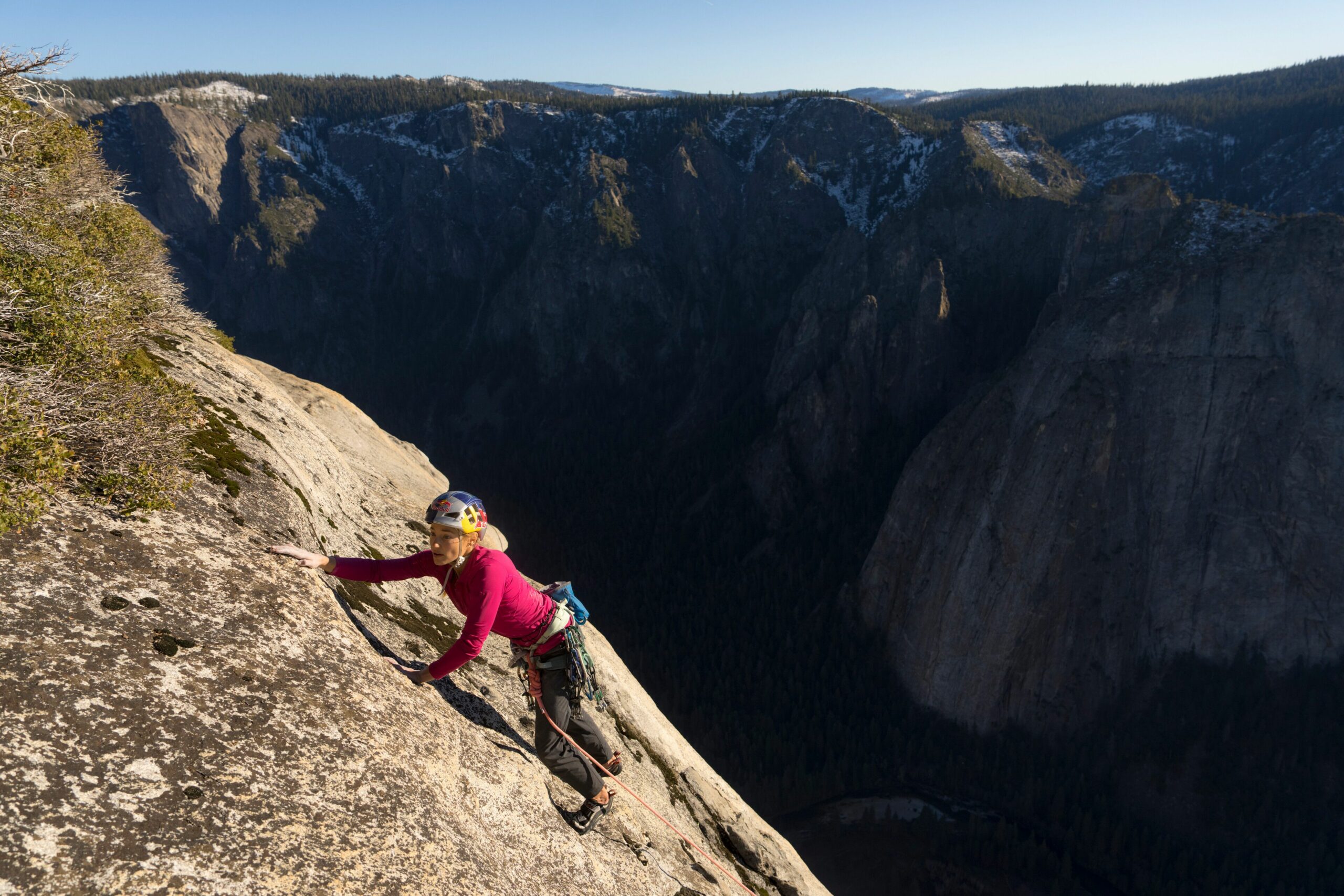
“Climbing has served as a passport to some incredibly remote locations that I would have never encountered without climbing,” says Sasha DiGiulian. A prime example? Yosemite Valley, viewed from approximately 2000 feet above ground—while suspended from the side of El Capitán by a harness.
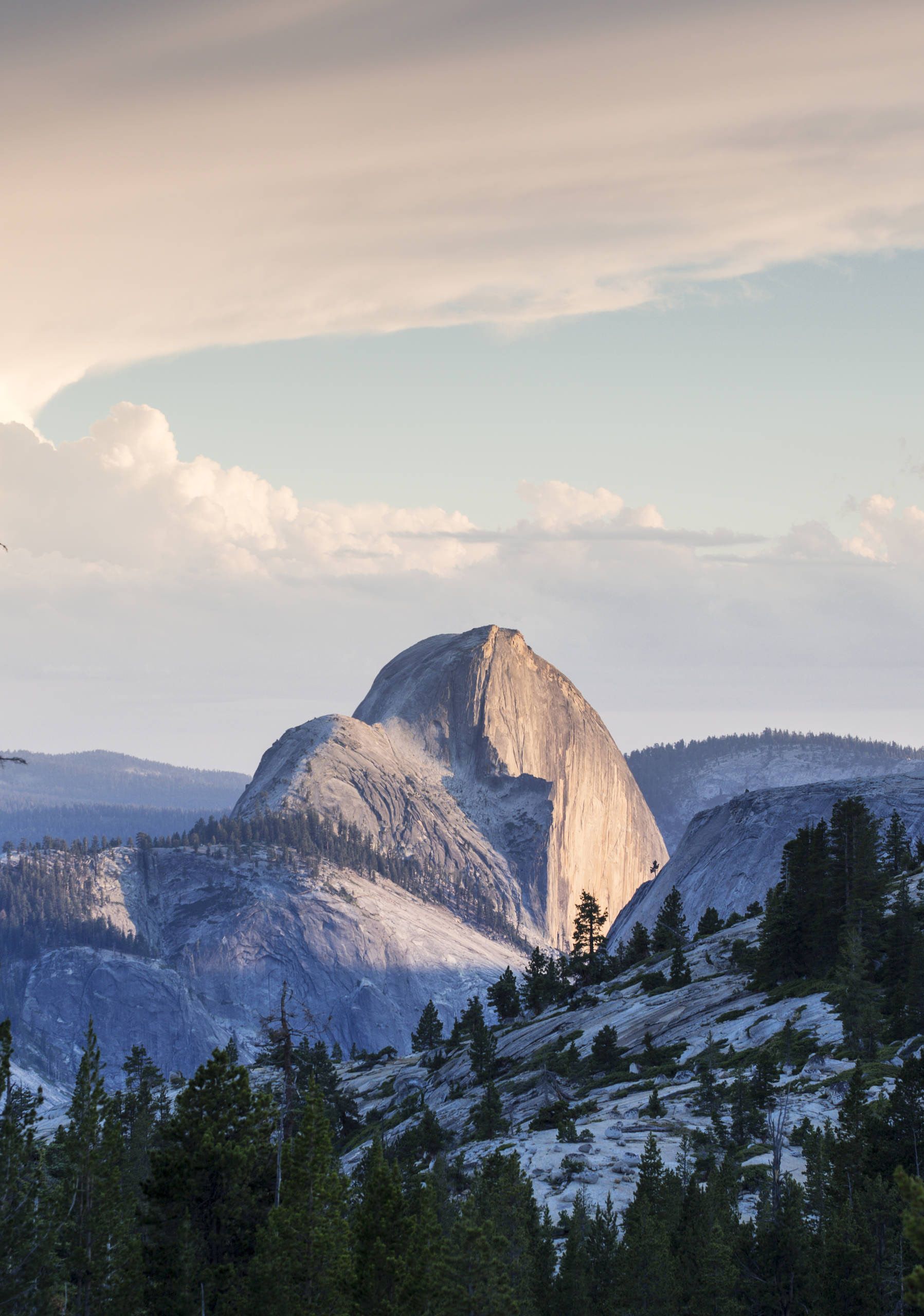
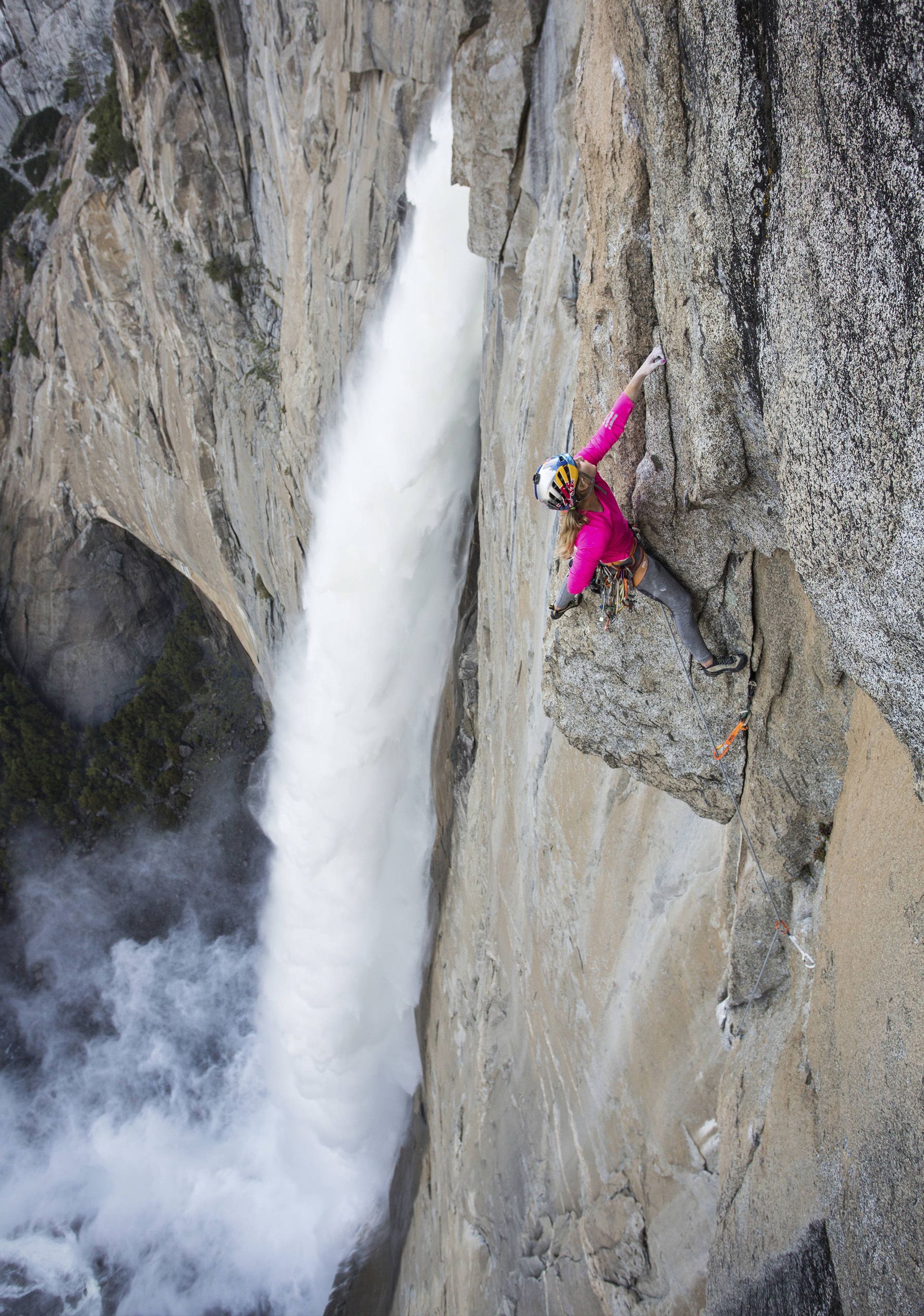
In December 2025, 33-year-old DiGiulianbecame the first female to climb the mountain’s Platinum Wall, a task that took 23 days—nine of which were spent enduring a heavy rainstorm—to finish. This isn’t the first time she has ventured—literally—where no woman has gone before. FromFrench Polynesia to Madagascar, she is considered one of the top climbers with the most “First Female Ascents,” indicating she was the first female to conquer a specific route. She is particularly recognized for seeking out these climbs in isolated, distant locations around the globe.
We called DiGiulian, who was finally relaxed after her high-energy challenge, to learn about the majority of a month she spent on the side of a cliff—and the journey of creating a new route that, she hopes, could encourage the next group of female climbers.
You recently made history as the first woman to climb the Platinum Wall in Yosemite. For those of us who may never have the chance to experience such a climb, what is it like up there?
Platinum Wall is one of those routes that’s conveniently located just outside our door.Yosemite National ParkOne of the most stunning places I’ve ever visited, having explored more than 50 countries globally. It serves as a wonderful reminder that incredible travel experiences don’t always have to be in distant, remote spots. Platinum Wall was a climbing challenge I had been striving for over the past three years, considered the pinnacle of my climbing achievements. I wasn’t sure if I could accomplish it. However, during this past season, I felt ready enough to attempt it.
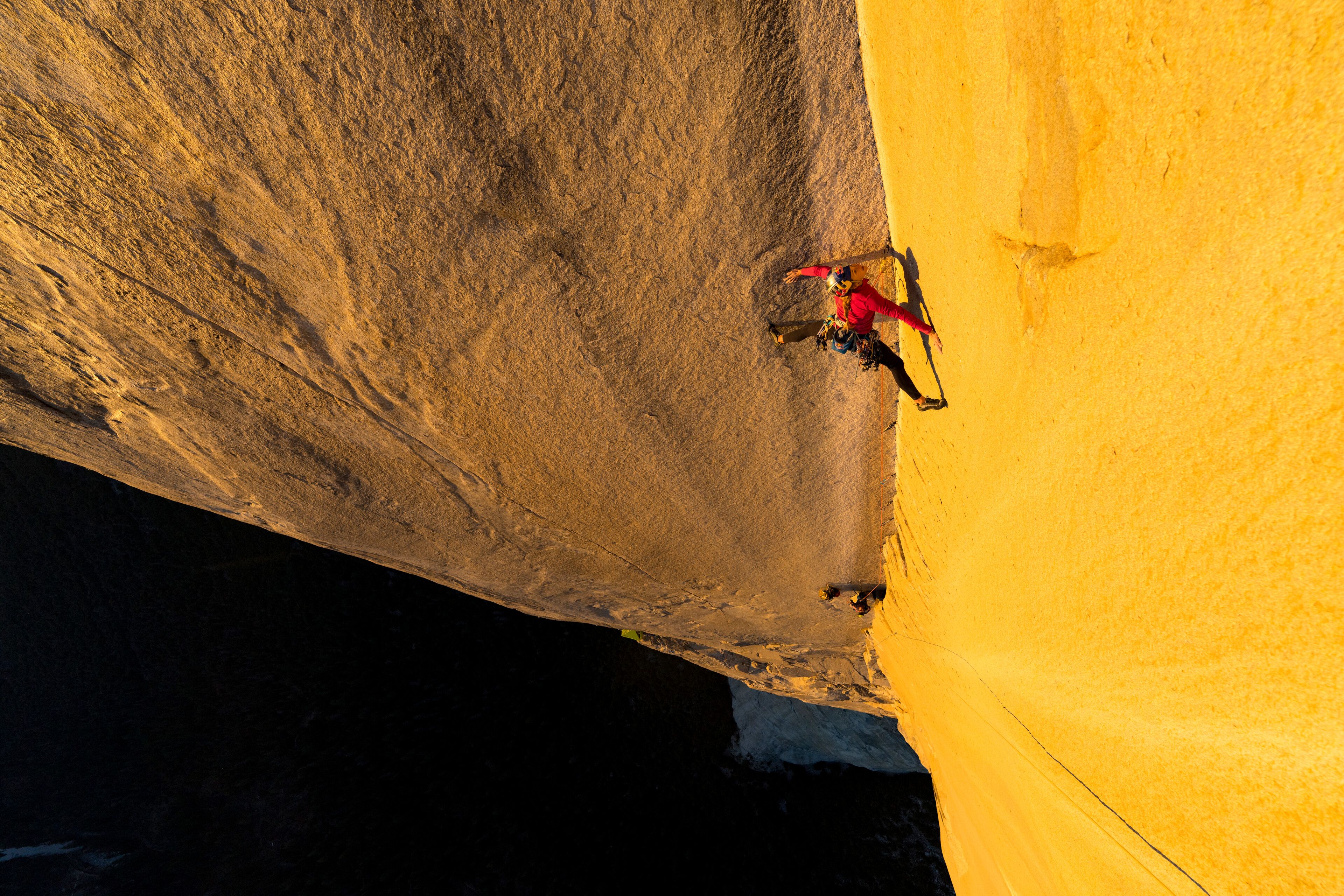
What we encountered was a great deal of uncertainty, which is common in climbing, but weather and conditions significantly influence these larger experiences of being on the rock. I ended up staying on the side of the cliff more than 2000 feet above the ground in a structure known as a portaledge, a four-foot-by-six-foot tent that hangs vertically from the cliff face, for 23 days. Nine of those days were due to a severe winter storm that, as far as I know, affected much of California, but Yosemite National Park saw more rainfall in November than it has since 1973.
A while later, I was on a journey toTahoewhere this individual was informing me about the rainfall in California during that storm, and I was,Yeah, I’m aware, because I was in that tent…
…a tent on the side of a huge cliff, to be clear. So, you were able to just relax there for nine days without any problems?
It’s not very thrilling. There’s not much to do. My primary form of entertainment over those nine days was keeping things dry and trying to stay as warm as possible. This meant taking my wet clothes and wrapping them around my body to use my body heat to dry them, and then rotating them. I also had a jet boil, which allowed me to cook my freeze-dried meals, and I had some bars fromSend Bars, which is my company. So that was great for product testing there. It’s a very simple presence on the wall.
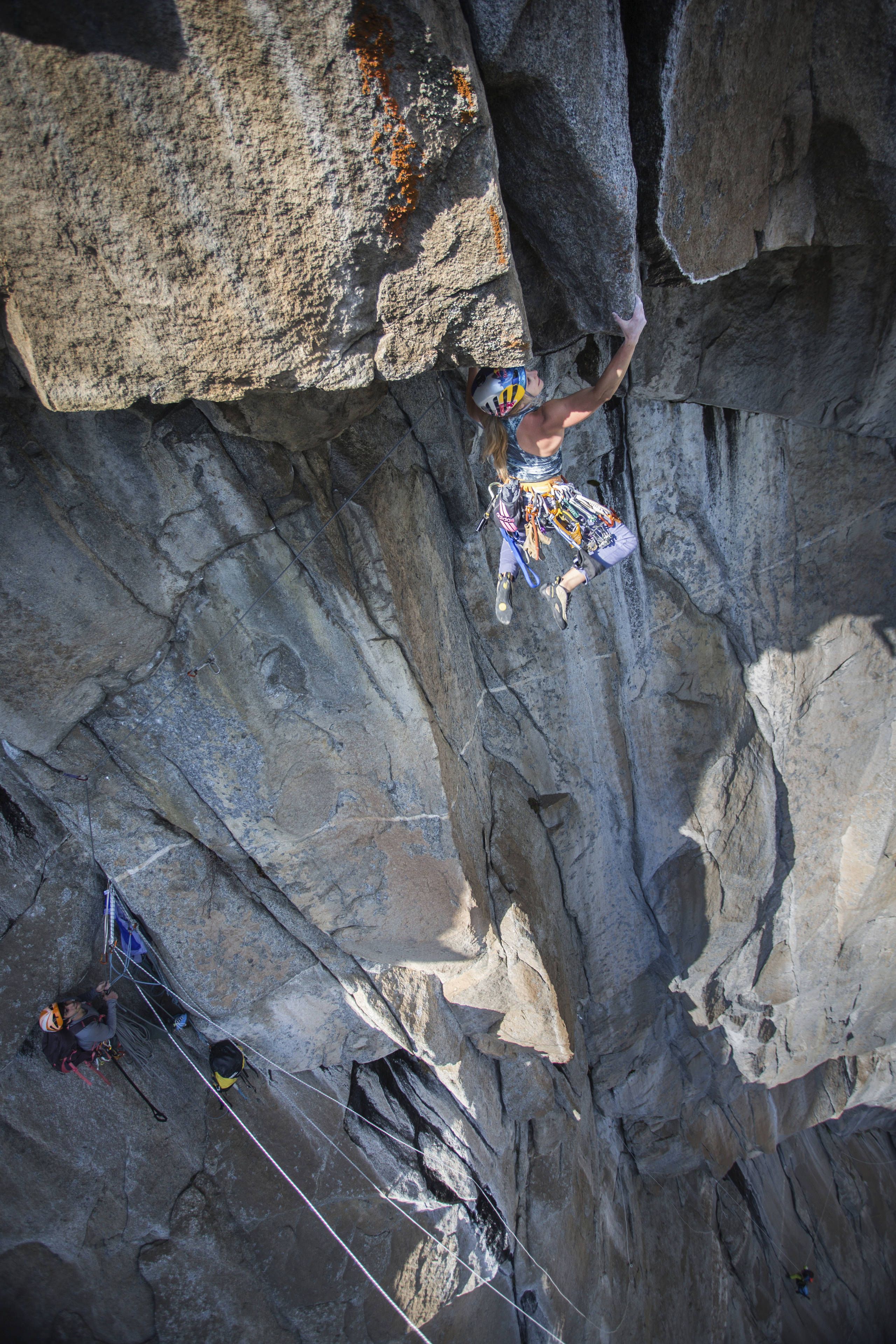
I was also simply waiting for the chance to complete the climb, which was filled with its own uncertainties, including the fact that there were still 400 feet of extremely difficult vertical rock to conquer. My objective was to ascend the Platinum Wall on El Capitán without falling, and each individual section that makes up the 3000-foot massive granite formation presents a unique challenge. Climbers usually climb on dry surfaces, as this provides the most grip—but by the time the storm had passed, the wall was completely soaked, creating a new challenge I had to overcome.
Could you share with me that specific instance when you made it to the summit—when you had finished the task and realized your objective? What was the sensation like?
The instance was made up of several moments, to be honest, and I’ve had a lot of time to think about it in the weeks that have passed. My initial response was just laughter, because how absurd is it to not have walked for 23 days, and only been suspended in a harness? Gravity is such an odd concept. You see, when you’re on the wall and living there, you can’t drop anything. Everything is secured, even yourwater bottleBecause if you drop it, it would fall 3000 feet to the valley floor, and could potentially result in a deadly accident for someone below. Then there’s the emotion of, like, I can’t believe this dream has actually come true; the rush of tears, happiness, and pure gratitude for the chance to be there and to pursue this bold, daring goal and truly believe in myself and my team. To be able to finish it. It was an extraordinary experience. It made me appreciate my sport and life in general, for offering such opportunities and for allowing me to feel something so intense.
What are your thoughts on the broader effects of this accomplishment, and what does it signify for others?
Climbing is a sport that doesn’t have any gender restrictions. The route is the route, and that’s the rock. The rock doesn’t pay attention to anything: who you are, how you appear, your history, or whether the weather will be on your side. It’s simply there, and it stands the test of time, much like all the famous climbs in the history of climbing over the past centuries. Equipment advances, and the training that climbers undergo continues to develop.
Certainly, climbing has a history that is largely male-dominated, and when I began climbing, I didn’t have someone I wanted to follow. I grew up in an urban environment. I discovered this sport, even though my parents and family had little knowledge of it, but I was passionate about it and continued pursuing it, which has allowed me to lead an incredible life filled with exploration, adventure, and living by curiosity. I hope that by creating my own path in this way, I can inspire other women and girls who may not currently see themselves represented in the sport, but who have the bravery, perseverance, and self-belief to think: I can do it too. I can chase my most ambitious dreams, whether it’s climbing or anything else. You don’t need a specific background to pursue your goals.
What are your objectives for the upcoming year—both in terms of your personal climbing endeavors, and the development of the sport as a whole?
I believe that women’s advancement in sports, in top executive roles, and in travel will keep increasing its independence. I am very hopeful, even in this current environment, where there are so many reasons to focus on negative aspects. My belief has always been that you can’t bring about any change or progress without positivity and a solution-focused mindset. When I look at what women have accomplished in recent years and what’s possible in the coming year, I think that women supporting each other is extremely important. Men supporting women is also crucial. It’s important to feel like we can share our stories and create these shared experiences that motivate one another. When I see a woman doing something in climbing, I feel inspired because I think,Oh, if she is capable of it, so am I.That’s where my hope stems from—the success of one achievement can lead to more successes.
- Want to be the first to find out?Subscribe to our newslettersfor ideas and advice on traveling
- A Guide to Korčula, Croatia, a Secret Treasure on the Dalmatian Coast
- Why Everyone Will Be Heading ToOsaka in 2025
- A London Local’s Melting-Pot Itineraryfor Eating, Sipping, and Relaxed Atmosphere in the Capital
- This New Eco-Cruise Through the GalápagosTakes Passengers On a Safari at Sea