Understanding Quicksand: A Real but Misunderstood Hazard
“I didn’t think that was real.” This was the common reaction from coworkers and readers after we shared the story of backpacker Austin Dirks’s rescue from a quicksand pit in Araches National Park in December 2025. Dirks was hiking a section of the Hayduke Trail when he stepped into what appeared to be normal sand, only to find his left foot sinking up to the ankle. He managed to pull it out, but in the process, his right leg became trapped up to the knee and wouldn’t budge. A ranger’s initial attempt to dig him out with a shovel failed; Grand County Search and Rescue finally managed to extricate Dirks after creating a safe path using ladders and recovery boards.
Like many who have survived being trapped in quicksand, Dirks noted that there was nothing unusual about the sand to suggest danger. As he told writer Mary Beth “Mouse” Skylis: “I’ve hiked in conditions almost identical to that…There were no immediate red flags that stuck out.”
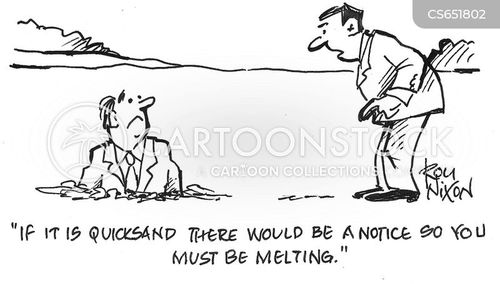
Quicksand is very real and can be dangerous, though not as dramatic as popular culture might suggest. It may not be “the third biggest thing you have to worry about in adult life, behind real sticks of dynamite and giant anvils falling on you from the sky,” as John Mulaney joked, and despite what cartoons and Golden Age Hollywood movies suggest, it won’t swallow you whole, leaving just your pith helmet floating on top. However, getting stuck in quicksand can pose genuine risks, such as hypothermia and lack of circulation, and in rare cases, even endanger lives. For example, in 2023, a 20-year-old man drowned after becoming trapped in quicksand-like mud flats near Hope, Alaska.
What Is Quicksand and How Do You Escape From It?
If you need a primer on quicksand, this overview is a good place to start. The substance forms when just the right amount of water mixes with fine sand, reducing the friction between individual grains and making it unable to support weight. Danger zones for quicksand include the inside curves of rivers and dry washes. Flooding—and, oddly enough, salt—can exacerbate the problem.
Quicksand is “something to be aware of when you’re hiking, but maybe not something that should be outright feared,” said Zion National Park Chief Ranger Daniel Fagergren when we spoke with him in 2022. While Hollywood may depict quicksand pits as a danger mostly found in the jungle, in the U.S., the desert southwest is ground zero for it, though it can occur in other places as well. Fagergren explained what hikers should watch out for and how they can avoid getting stuck in it.
Quicksand Survival Stories
As we’ve written, quicksand isn’t usually dangerous on its own. But add in cold temperatures and precipitation, and trapped, sodden hikers can be at real risk of hypothermia. That was Ryan Osmun’s biggest concern when he became stuck in quicksand during a hike in Zion National Park. As he related to Backpacker’s Out Alive podcast, he would end up spending 10 hours unable to move while his girlfriend, with whom he had been hiking, went looking for cell reception to call for help.
Dirks’s story, which he originally related on Reddit before speaking with Backpacker, is important reading for any solo hikers headed to the desert as well. While he was able to get in touch with rescuers through a satellite communicator, he would ultimately spend two hours waiting for help to arrive, his knee bent at a painful angle that entire time. “I worried about the knee more than the cold,” he wrote. “I did not know how long it could stay bent like that before something tore or dislocated.”
Tips for Hikers: Stay Safe in the Desert
Here are some key tips for hikers to avoid quicksand and stay safe:
- Know the terrain:Be aware of areas where quicksand is likely to form, such as river bends and dry washes.
- Avoid wet or muddy areas:If the ground feels soft or unstable, take extra care to avoid stepping into it.
- Carry a communication device:A satellite communicator can be a lifeline if you become stranded.
- Stay calm:If you do get stuck, don’t panic. Moving slowly and methodically can help you escape without worsening the situation.
- Hike with a partner:Having someone with you can make a big difference in case of an emergency.
Final Thoughts
While quicksand may not be as dramatic as it seems in movies, it’s still a hazard that hikers should take seriously. By understanding how it forms and knowing how to respond if you get stuck, you can significantly reduce the risks. Whether you’re hiking in the desert southwest or exploring other regions, staying informed and prepared is key to a safe and enjoyable experience.