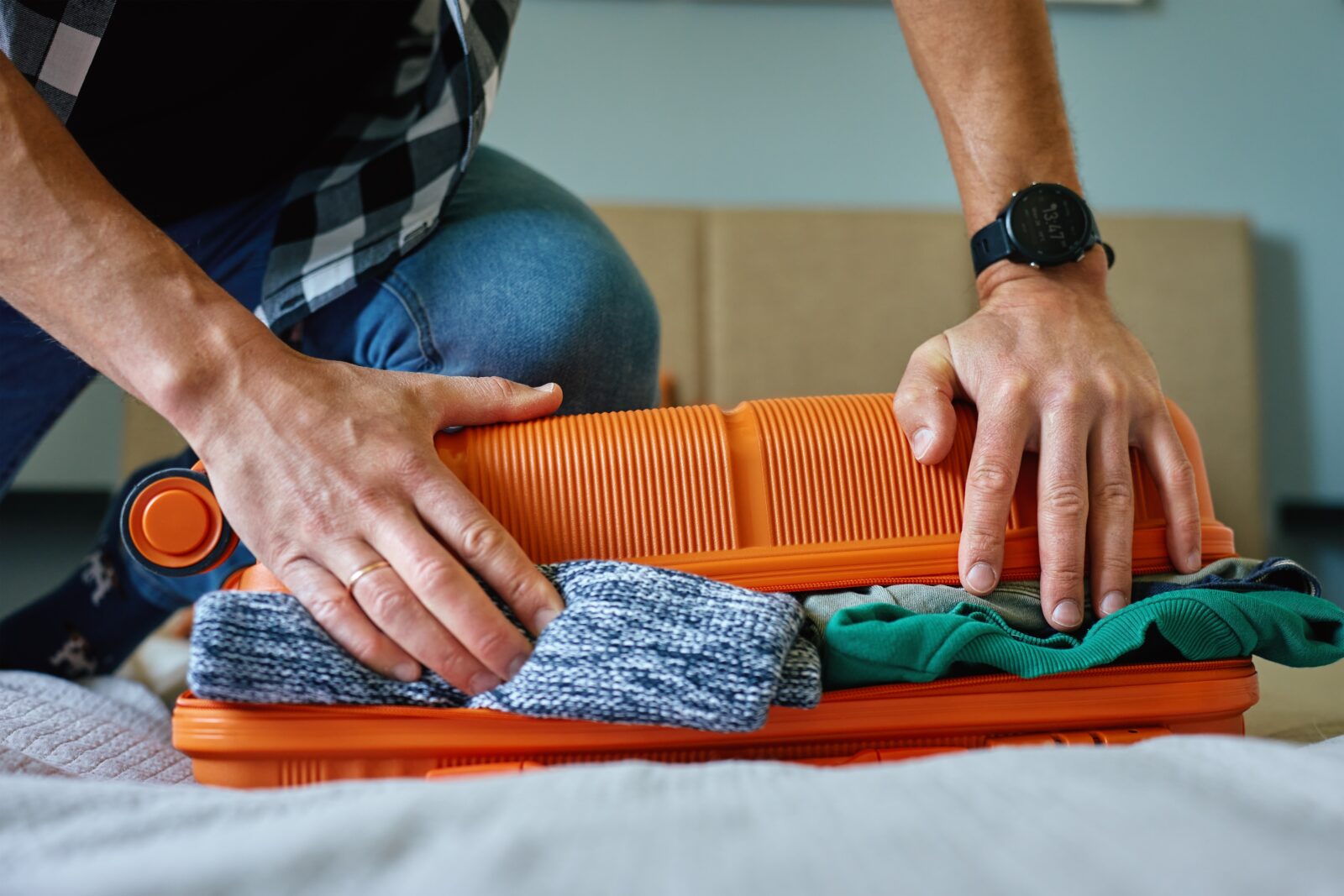
I was on a weekend trip out west with a group of friends.
Everyone had dropped their bags near the door of the rental house, the way people always do when they arrive from different flights at different times. Jackets draped over suitcases. Backpacks leaning against the wall. Someone’s tote bag spilling snacks across the floor.
Some bags were small and light.
Others looked like they might contain supplies for a month.
Someone joked about one suitcase in particular. It had backup outfits, extra shoes, medicine, snacks, and a small pouch filled with things that might be useful “just in case.”
The owner laughed and shrugged.
Better to have it and not need it.
The conversation moved on, but I kept thinking about it.
Once it’s noticed, the difference in how people pack becomes hard to ignore. Some people travel with almost nothing. Others prepare like they’re heading into uncertain territory.
The interesting part is that those habits rarely begin with travel.
Psychologists often point out that the way people prepare for uncertainty tends to form early in life. Environments where unpredictability was common—or where responsibility showed up early—can shape adults who feel calmer when they’ve already thought through every possible scenario.
Travel just happens to be the moment when those instincts become visible.
And nowhere do they show up more clearly than in the way someone packs a suitcase.
They run mental checklists long before the suitcase closes
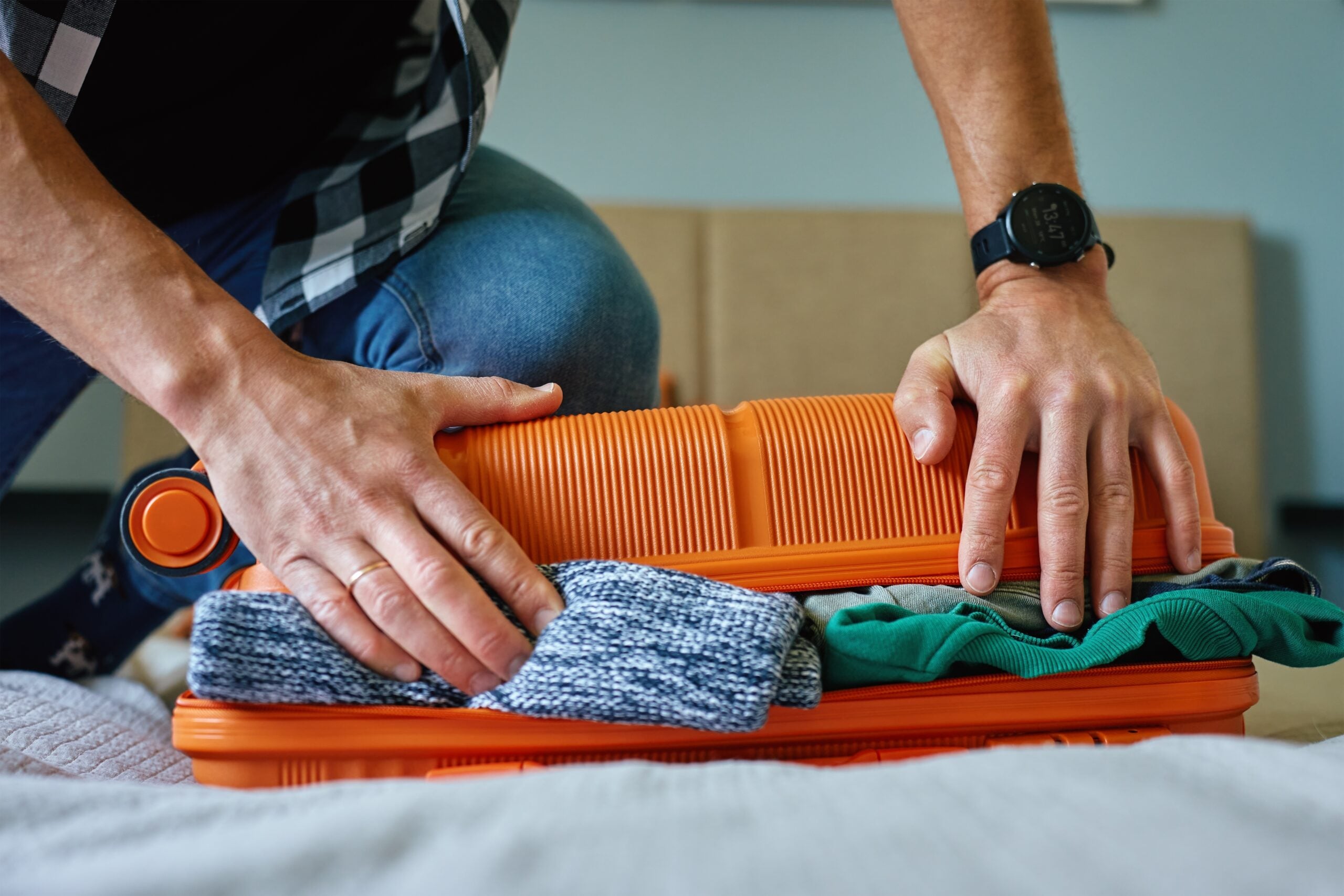
For some people, packing begins days before they ever open a suitcase.
Instead of tossing items into a bag the night before a trip, they start mentally walking through the journey step by step. Leaving the house. Getting through security. Waiting at the gate. Arriving somewhere unfamiliar.
Each stage brings something else to mind.
Passport. Phone charger. Weather forecast. Comfortable shoes. Backup toiletries.
The list rarely exists on paper.
It simply runs quietly in the background of their thinking.
I’ve caught myself doing this while brushing my teeth the night before a flight—suddenly remembering the one thing that would be frustrating to forget.
What eventually ends up in the suitcase is often just the physical version of those mental checklists.
Not because they expect to use everything.
Because realizing something was forgotten feels far worse than carrying an extra item they might never touch.
They prepare in advance because it prevents small problems from becoming big ones
Some people pack with a quiet assumption in mind: things rarely go exactly as planned.
Instead of hoping the trip will unfold perfectly, they prepare for the small disruptions that tend to appear along the way.
Extra socks. A portable charger. Pain relievers tucked into a side pocket.
Those additions aren’t random.
They reflect a habit of thinking one step ahead.
Psychological research on anticipatory thinking supports this instinct. A study published in Psychology Today explains that imagining future events helps people create strategies before those situations occur.
Packing becomes one of those strategies.
Instead of relying on luck, they bring the tools that might solve small inconveniences before they happen.
What looks like overpacking can actually be a form of quiet risk management.
They bring extras, just in case
In many families, someone naturally becomes the planner.
The child who remembers the water bottles. The one who checks if everyone brought their jacket. The one who notices when something might be forgotten.
That role can stick.
I realized at some point that half the “extra” things in my suitcase weren’t even meant for me. A spare charger. A small pack of medicine. Snacks that someone might want during a long travel day.
Those habits often begin in environments where responsibility arrived early.
Research discussed by Psychology Today explains that children who become “the responsible one” in a family often carry that anticipatory thinking into adulthood.
Travel simply gives that instinct a place to show up again.
Instead of thinking only about their own needs, they quietly prepare for what might help the group.
They mentally go through the entire trip before it happens
Some travelers pack based on the itinerary.
Others pack based on the entire experience.
They imagine leaving the house, navigating an unfamiliar airport, finding transportation, and arriving somewhere new.
Each imagined moment raises another possibility.
What if the weather changes?
What if the walk is longer than expected?
What if plans shift halfway through the day?
The suitcase slowly fills with solutions to situations that haven’t happened yet.
This process is mental simulation—the ability to imagine future scenarios in detail.
Packing becomes the physical outcome of that rehearsal.
The suitcase simply reflects the journey someone has already imagined.
They assume travel will include waiting
People who pack heavily rarely expect perfect timing.
Flights run late. Lines move slowly. Connections stretch longer than expected.
Instead of planning for the ideal version of travel, they prepare for the real one.
That expectation changes what goes into the bag.
A book appears for long airport waits. Snacks get packed for delays. Comfortable clothing becomes a priority for long hours in transit.
Research discussed by the Greater Good Science Center at UC Berkeley explains that preparing for possible setbacks often helps people stay calmer when circumstances change.
Packing extra items reflects that mindset.
It’s less about expecting things to go wrong and more about feeling ready if they do.
They pack clothing for possibilities instead of schedules
Some travelers plan outfits based on the itinerary.
Others think in terms of situations.
A long walking day. A restaurant that turns out to be nicer than expected. A sudden drop in temperature.
Instead of assigning clothes to specific events, they pack pieces that could adapt.
I’ve noticed this instinct in my own packing more than once. The suitcase fills with items that could work in multiple scenarios instead of outfits tied to specific plans.
A light jacket that works in warm or cool weather. Shoes that could handle both sightseeing and dinner. Something slightly nicer in case plans shift.
What looks like overpacking is often just flexible planning.
The suitcase ends up holding options rather than fixed outfits.
And for some people, that flexibility feels more reassuring than packing with strict precision.
They assume it might be difficult to replace things once they get to their destination
Some travelers rely on buying what they forget.
Others assume that finding what they need later might not be so simple.
Different cities carry different brands. Pharmacies close early. Busy travel schedules leave little time for errands.
Instead of planning to replace missing items, they bring what they know works.
Extra toiletries. Medication. Contact lens solution. Sunscreen.
Packing those items ahead of time removes that friction.
The suitcase becomes a way to maintain small everyday routines even in an unfamiliar place.
They distribute important items across multiple bags
Careful planners often think about more than what goes into the suitcase.
They also think about where those items end up.
Instead of putting everything important in one place, they spread essentials across different bags.
Medication stays in a personal bag. Chargers go into a carry-on. A change of clothes gets tucked into a backpack.
The logic is simple.
If luggage gets delayed, the most important items remain within reach.
This habit reflects a mindset that quietly considers worst-case scenarios without dwelling on them.
Rather than assuming everything will stay together, they prepare for the possibility that it might not.
The result is a travel system that looks excessive on the surface but often turns out to be surprisingly practical.
They feel calmer when uncertainty has already been considered
Overpacking often comes from a specific emotional goal.
Peace of mind.
People who prepare extensively often feel less anxious once they know they’ve thought through possible complications.
Harvard Business School research on uncertainty explains that people cope better with unpredictable situations when they feel prepared for multiple outcomes.
Packing becomes one way to manage that uncertainty.
Instead of worrying about what might go wrong, they prepare solutions before the trip even begins.
Once the bag is zipped, the mental list is complete.
And that sense of readiness often brings a quiet kind of calm.
They plan ahead because they learned to in childhood
For many people, preparation isn’t something they consciously learned later in life.
It’s something that was always part of the environment around them.
Some families packed for road trips days in advance. Others kept emergency supplies ready at home or planned carefully for weather changes and long drives.
Children who grow up around those habits often absorb them without realizing it.
Planning ahead simply feels normal.
When they begin traveling on their own, the same instincts follow.
The suitcase becomes an extension of the environment where preparation was part of everyday life.
They associate being prepared with caring for themselves and others
In the end, overpacking often reflects something simple.
Care.
Extra items can mean being ready to solve problems, support friends, or keep small inconveniences from turning into stressful moments.
Some Advil might get someone through the day if they happen to get a headache. Snacks might make a long delay easier.
What looks like excess from the outside can feel like responsibility from the inside.
For people who pack this way, preparation isn’t about fear of the unknown.
It’s about stepping into unfamiliar situations with the quiet confidence that whatever happens, they’ve probably already thought about it.