When Safety Advisories Become A Soft Ban

An official advisory is not a fence, but it can shut down insurance and tours overnight. That ripple hits fast. Local authorities may restrict movement, add checkpoints, or deny entry to areas that used to be casual day trips. Violence, kidnapping risk, or civil unrest can rise fast, and tourists become leverage in someone else’s fight. It’s ugly. If a government warns its own citizens away, that is the closest thing to a polite national please do not come.
Visa Friction That Quietly Discourages Americans
Some countries do not need to shout; they tighten visa rules until only the most determined visitors proceed. Expect longer processing, surprise document demands, and fees that turn a weekend idea into a paperwork project. Reciprocity drives a lot of this, where one passport’s rules mirror what its government imposes on others. Americans can feel this sharply in places that are signaling displeasure with U.S. policy or policing. Extra interviews can appear with little explanation, especially for solo travelers and young adults. Border officers may ask for detailed itineraries, proof of funds, and return tickets with strict dates. None of this is always personal, but the pattern can be a deliberate brake on volume and behavior. If the process feels like a maze, that is often the point: discourage the casual trip and filter the crowd.
Places That Are Overrun And Finally Pushing Back
Overtourism makes locals feel like extras in their own cities, and governments are starting to react. Daily caps, timed entries, and permit systems pop up where streets, trails, and housing can’t cope. Some destinations restrict cruise calls, limit short-term rentals, or raise tourist taxes to slow demand. Americans are not singled out by name, but heavy travel seasons can make any outsider the face of the problem. These policies are a reminder that beautiful places have carrying capacity, even if influencers pretend otherwise. When residents protest, officials often choose crowd control over commerce, at least for a season. Your best move is to travel off-peak, book legal lodging, and accept that access may be less spontaneous.
Political Retaliation And Passport Targeting
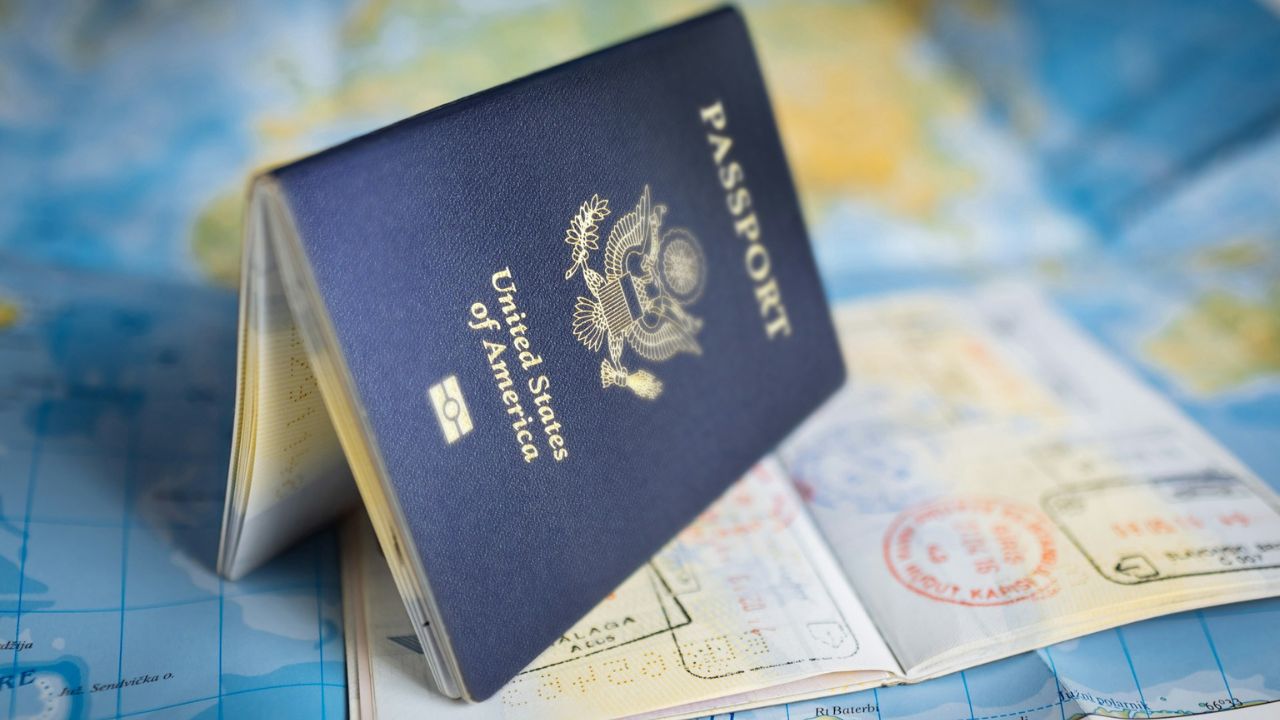
At times, travel becomes a proxy battlefield, and visitors inherit tensions they did not create. Governments may issue harsh statements, detain foreigners more readily, or amplify anti-U.S. messaging. Sanctions, espionage accusations, and media narratives can turn routine mistakes into high-stakes incidents. If your passport makes you a symbol, the safest choice is to avoid being the symbol in the first place. Even friendly locals can’t override state power when politics hardens, so optimism is not a strategy.
Conflict Zones Where Curiosity Is Not A Strategy
Some places sit near active conflict, and the line between safe and unsafe can shift in a single afternoon. Road closures, sudden curfews, and communications blackouts can strand visitors with no clear exit route. Militias and criminals watch tourist routes, and ransom value rises when international attention is high. Embassies may have limited ability to help, especially if diplomatic relations are strained or minimal. Guided tours can’t guarantee safety when armed groups simply don’t respect schedules or permits. In these regions, choosing not to go is not fear; it is respect for reality and for the people living it.
Public Health And Disaster Recovery Restrictions
After outbreaks or disasters, a country may reopen unevenly, keeping some regions closed far longer than others. Patience matters. Health forms, proof requirements, and quarantine rules can change quickly, and enforcement can be strict at entry. Rebuilding after storms or earthquakes often means limited medical capacity and fragile infrastructure. Small problems escalate fast. Tourists can strain hospitals, fuel shortages, and housing just when locals are trying to stabilize. Sometimes officials request fewer visitors to protect supplies, prevent price spikes, and reduce rescue burdens. Watch for language about essential travel only, which is a diplomatic way of saying postpone your trip.
Cultural Flashpoints That Turn Visitors Into Headlines
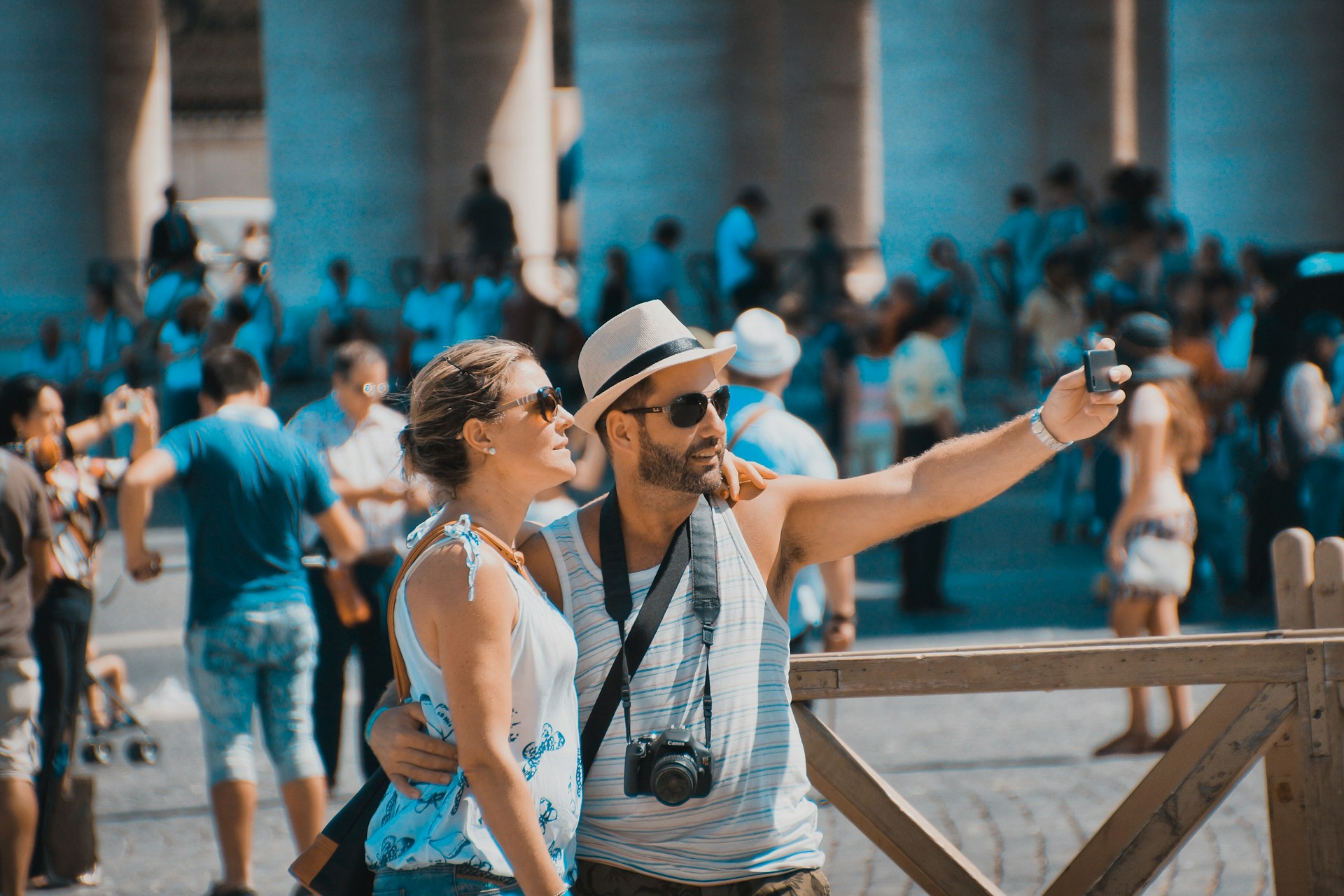
In certain nations, dress codes, speech, and photography carry legal weight, not just social consequences. American habits like casual debate or public criticism can be read as provocation in more controlled societies. Social media posts can trigger penalties, especially when they touch religion, the military, or protests.
How To Read The Signals And Choose Better Alternatives
Look beyond cheap flights and glossy videos; the real clues are permits, advisories, and local news tone. Patterns don’t lie. If rules keep multiplying, assume officials are trying to slow arrivals, and take the hint before you buy tickets. Choose nearby substitutes: similar landscapes, calmer politics, and communities that actually want visitors. You’ll relax more. Travel becomes better when you are invited, not merely tolerated, and your money helps rather than harms.