The Problem of In-Flight Meals
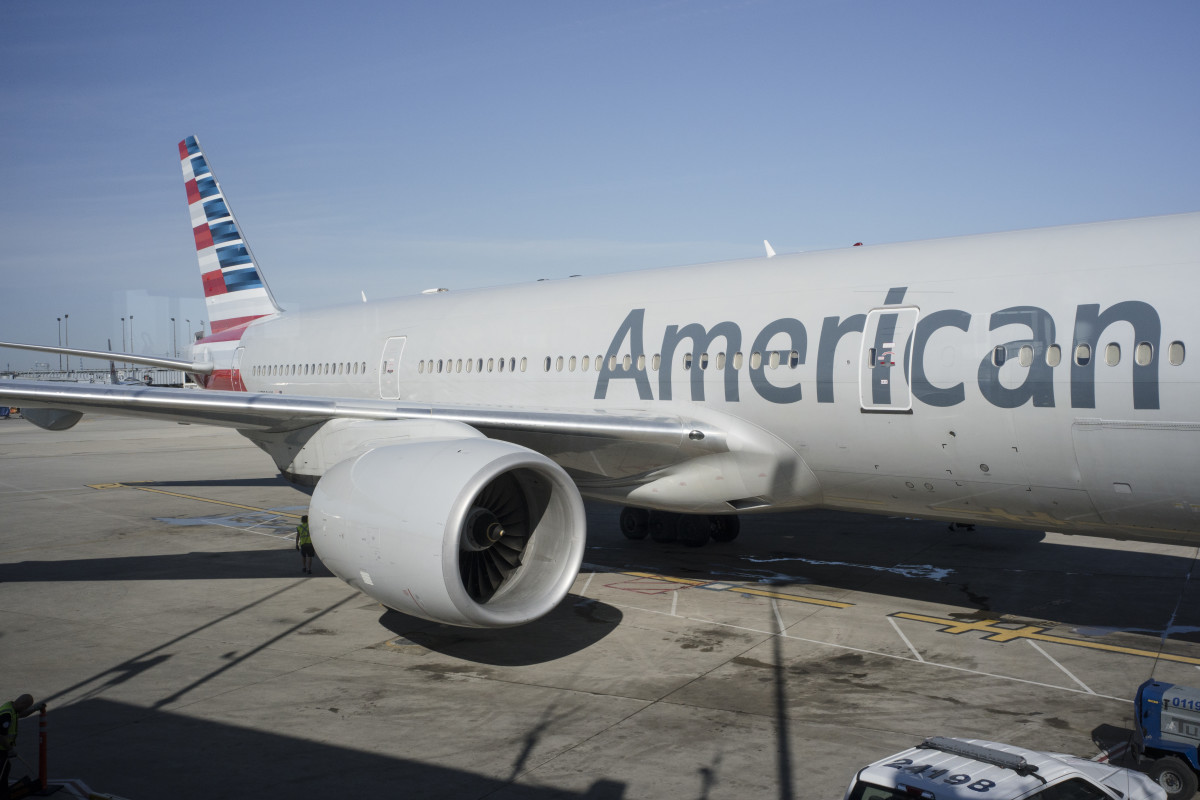
Few things heighten travel anxiety like hunger at 35,000 feet. A delayed flight is frustrating. A cramped seat is tolerable. But when the meal you carefully pre-ordered never appears, passengers notice. That is exactly what some travelers recently experienced on flights operated by American Airlines, particularly on routes connecting the United States and Heathrow Airport in London. A catering disruption has forced the airline to simplify onboard meals, leaving passengers with far fewer choices and sometimes no access to the meals they had reserved before boarding.
For travelers who plan their inflight dining ahead of time, especially on long international flights, the change has sparked confusion, frustration, and plenty of commentary online.
Why American Airlines Meals Suddenly Became Limited
The issue began when American Airlines halted local catering services at Heathrow, forcing the airline to adopt a temporary workaround. Instead of loading fresh meals in London, flights departing the United States are now stocked with extra food that is meant to cover the return trip as well. That workaround has created an unavoidable limitation. Aircraft galleys simply do not have space for two full flights’ worth of meals. As a result, meal service has been simplified across cabins, including premium seats. Pre-ordered meals are not always honored, and passengers are often given only two choices: a protein dish or a vegetarian option.
Other small touches travelers enjoy have also disappeared during the disruption. Aviation reporting indicates that some premium cabins temporarily lost extras like ice cream or specialty menu items because they cannot be stored alongside the additional catering supplies.
Passengers Take to Reddit to Vent About Missing Meals
Predictably, travelers did what travelers do best when something goes wrong in the sky. They went online. Posts about the issue quickly appeared on Reddit forums devoted to airline travel, where flyers shared photos, stories, and a fair amount of sarcasm. One frustrated passenger reacting to the reduced meal service wrote: “Are you freaking kidding me?” Another traveler described a long cross-country trip where food options were shockingly sparse: “We were only allowed ONE biscotti cookie each… over ten hours and NO food.”
Others reported receiving emails warning them that their pre-ordered business class meals might not be available at all. What stands out reading these posts is not just the frustration. It is how much passengers rely on inflight meals as part of the overall travel experience. For many people, the ritual of choosing a meal before departure is one of the few small comforts that break up a long international flight.
Why In-Flight Food Matters More Than Airlines Realize
On paper, inflight meals might seem like a minor detail. After all, the real goal of air travel is getting from point A to point B safely. But airline food has always played a surprisingly important role in how travelers perceive a flight. In the early decades of commercial aviation, meals were one of the primary ways airlines differentiated themselves. Elegant dining service was once a major selling point of air travel.
Today the expectations are lower, but the psychology remains the same. When passengers board a long flight, they are entering a confined environment where small comforts matter. A warm meal, a dessert cart, or even a decent snack can break up the monotony of hours spent in the air. That is why when food disappears or becomes unpredictable, passengers notice immediately. I have personally experienced this moment mid-flight when a flight attendant announces that a meal option has run out halfway down the aisle. Suddenly the entire cabin becomes very attentive.
Tips for Travelers When Airline Catering Goes Wrong
While situations like this are usually temporary, seasoned travelers know it is wise to plan ahead. Here are a few simple strategies that can save you from inflight hunger:
- Pack a small meal or snacks before boarding, especially for long international routes.
- Choose airport restaurants over relying on airline meals when possible.
- Bring portable foods such as protein bars, nuts, or sandwiches.
- Check airline notifications before departure, as some travelers received warnings about limited meals.
These habits are becoming increasingly common as airlines adjust services and catering logistics.
The Bigger Lesson for Travelers
Airline catering disruptions happen more often than travelers realize. Supply chain hiccups, aircraft changes, and airport catering issues can all affect what ends up on your tray table. For now, the meal situation affecting American Airlines flights to and from London appears to be a temporary operational workaround rather than a permanent policy change. The airline has reportedly increased food supplies on departing flights from the U.S. to help ensure that at least some meals remain available on the return journey.
Still, the episode serves as a reminder that in modern air travel, the safest assumption is simple. If you are counting on a specific meal in the sky, it might be wise to bring a backup snack in your carry-on. Because nothing makes turbulence feel worse than being hungry at cruising altitude.