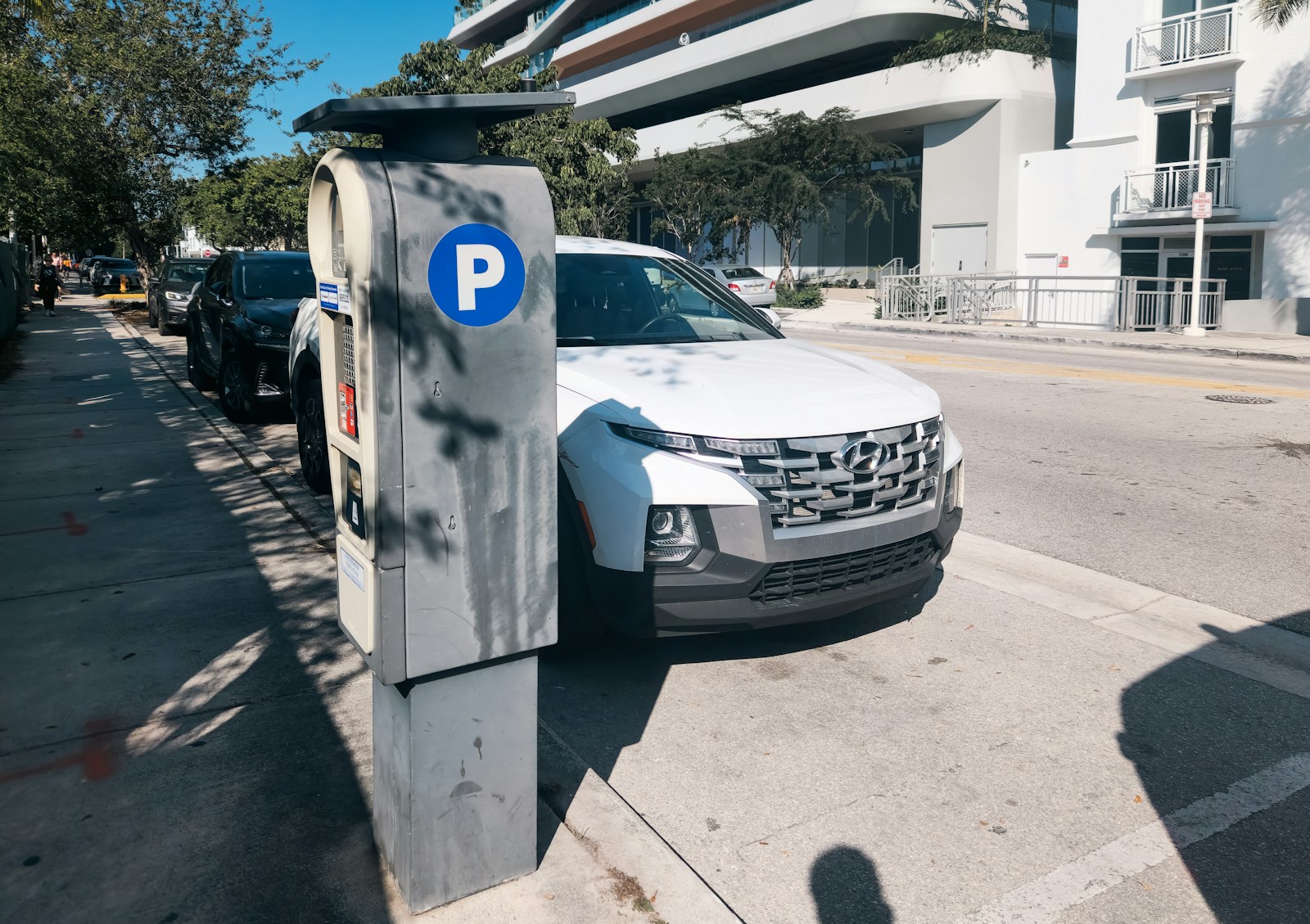
You pass by roadside parking spots that were once free and take note ofnew meterssnapping into position. The city claims the change willraise revenue, decrease traffic, and improve the fairness of street management, but numerous neighborhoods oppose it, worried abouthigher costsand lost clients from local businesses.
Be prepared to examine what drives the city, who benefits or suffers, and how thousands of new meters might change everyday life and transportation decisions.
They will analyze the policy objectives, the potential impact on drivers and companies, and the compromises involved in converting free street space into paid parking, allowing you to determine if this change is seen as a necessary improvement or a money-driven action.
What’s the Reason for Removing Free Parking? Investigating the City’s Intentions
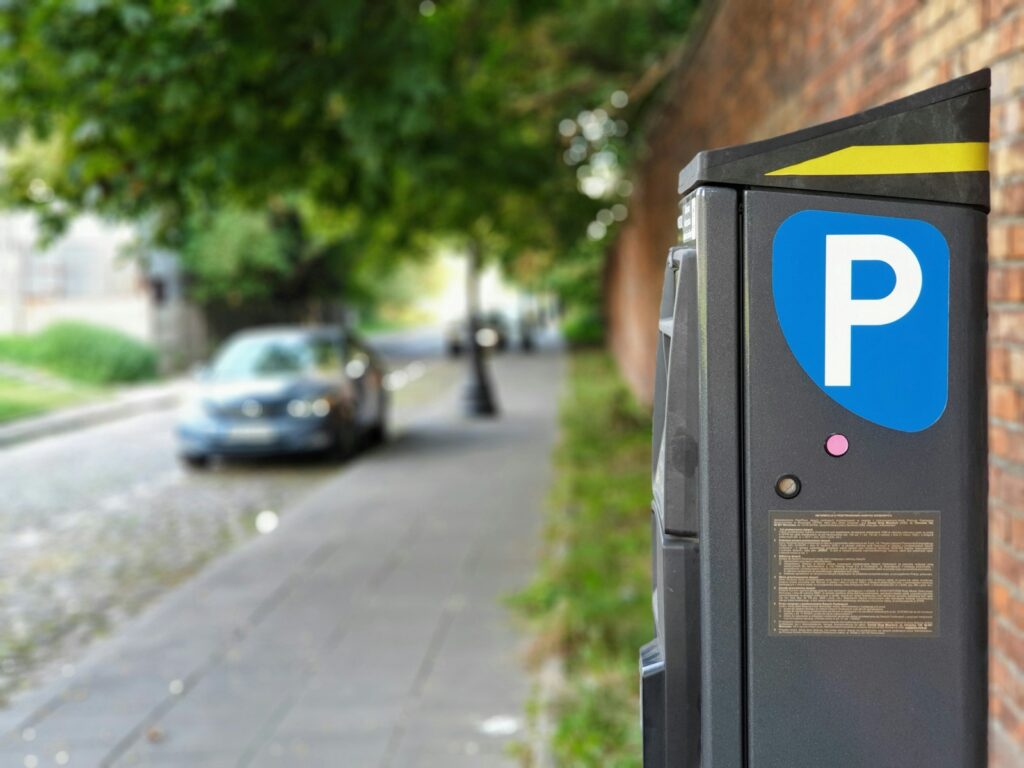
City authorities claim that this action will generate consistent income, decrease traffic congestion, and make room along the curb for buses and deliveries. They highlight the concealed expenses of parking related to housing and traffic issues, as well as instances where implementing fees enhanced access near transportation centers.
Increasing Income Through Coin-Operated Parking Machines
The city views meters as a reliable source of income to support transportation and road maintenance. Authorities predict that thousands of additional metered spots could bring in tens of millions each year, which they intend to use for improving local bus services and repaving roads near key transit areas.
Revenue forecasting models consider fluctuating rates based on demand and savings from digital payment systems. This decreases dependence on temporary grants and developer fees associated with off-street parking development.
Critics caution that the responsibility will be placed on low-income individuals who park on the street, and some council members suggest options such as focused permit initiatives. The administration responds that pricing strategies can be adjusted to safeguard residents while deterring certain behaviors.long-term curb occupancy by commuters.
Demand to Update Urban Parking Systems
City leaders say aging curb policiesNo longer align with a more densely populated urban environment or multi-mode objectives. They highlight obsolete free parking as a policy holdover that contributes to increased traffic circulation and diminishes bus reliability along routes near significant transit hubs.
Modernization involves setting up pay stations, real-time space detection sensors, and dynamic hourly pricing based on demand. The technology is designed to maintain one or two available spots per block, minimizing driving for parking and lowering pollution.
Political momentum is driven by urban planners and certain business areas aiming to improve curb turnover for deliveries and customers. Implementation strategies suggest gradual introductions, beginning in commercial centers, along with data gathering to modify rates and ensure compliance.
Options Explored by Municipal Officials
Authorities considered multiple options prior to selecting meters: eliminating parking requirements for new constructions, implementing residential parking permits, introducing congestion charges, and redirecting income from off-street parking fees. They examined results from cities that decreased minimum parking mandates and from pilot initiatives that modified curb pricing close to train stations.
Certain ideas, such as citywide parking permits for streets, were rejected because they would move traffic to nearby areas and require strict monitoring. Traffic congestion charges received attention but faced challenges due to a lack of political agreement and regional support.
Leaders chose to use meters combined with exceptions: reduced resident permits in specific areas, cheaper rates close to senior housing, and funds set aside for transportation services to key transit points. They claim this varied strategy achieves financial objectives while considering fairness and multiple modes of transport.
The Consequences of Deploying Thousands of Parking Meters
Installing meters affects who utilizes curb space, the duration vehicles remain parked, and where drivers search for free spaces. It transfers regular expenses to commuters, modifies patterns of street activity, and works alongside current zoning and parking regulations that influence development.
Business Owners and Community Members React
Business owners frequently fear that meters might discourage brief visits and lower in-store sales. Some retailers note a decrease in unexpected customers when parking becomes more expensive, while others adjust by providing delivery services, validating parking, or focusing on regular local customers.
Residents have varied responses. In more crowded areas, home owners are pleased.residential parking zonesthat safeguard parking spots; tenants worry about additional daily expenses. Street-level conflicts may arise when meters force drivers to move to side streets, raising the need for residential permits andcalls for enforcement changes.
City authorities occasionally connect meter income with local upgrades, yet suspicion increases when neighborhoods notice money being used for other purposes. Local activist organizations advocate for specific exemptions or tiered pricing to prevent unfair effects on those with lower incomes.
Parking Regulation and City Growth
Metering is closely connected to larger discussions on parking reform, including issues related to parking minimums and the availability of parking spaces. By charging for curb space, cities can decrease the necessity for expensive off-street parking that developers are required to construct under minimum parking regulations, thus reducing the cost of development per unit.
Eliminating or reducing parking requirements promotes more concentrated development and increases the viability of projects such as accessory dwelling units (ADUs) and transit-oriented development (TOD). Experts in economics and urban planning who study Donald Shoup’s research suggest that market-based curb parking shifts land use toward more valuable uses and can gradually decrease reliance on cars.
Policy adjustments frequently involve updating zoning regulations and working with the parking reform network and local planning offices. When combined with lower minimum requirements, meter systems can free up land for residential areas or public use, enhancing municipal finances and project feasibility.
Modifications to Pedestrian-Friendly Features and Affordable Housing
Increased costs for on-street parking may encourage individuals to choose walking, biking, and public transportation in areas with dependable services. This change can enhance pedestrian activity and local business vitality in regions with transit-oriented development, although outcomes are influenced by the quality of transit and the availability of connections for the beginning and end of trips.
Regarding housing affordability, decreasing required off-street parking reduces building expenses that are typically transferred to renters. Municipalities that combine metered parking with more flexible parking rules can decrease the cost per unit of housing and boost availability, improving affordability for tenants without vehicles.
If meters only increase transportation expenses without corresponding changes in zoning regulations or investments in public transit, they may place a financial strain on low-income travelers and cause parking needs to move into home neighborhoods. Successful policies combine pricing strategies with revised parking requirements and funding for options that reduce car dependency.
More from Steel Horse Rides:
- 13 Greatest Muscle Cars in History
- 13 Lesser-Known JDM Vehicles That Deserve Greater Appreciation
- 15 Japanese Domestic Market Vehicles That Were Prohibited in the United States
- 13 Sport Utility Vehicles from the 90s That Still Have a Lot of Charm Now