The Rise of Canadian Anti-US Alcohol Sentiment
Drinks at Gareth Tingling’s backyard “speakeasies” on Friday afternoons often have a tropical twist—a summer tradition he and his neighbors started during the pandemic. With indoor gatherings restricted, they turned to this Prohibition-inspired setup for socializing.
Tingling, a portfolio manager and financial adviser in Oakville, Ontario, stocks his home bar with a stiff coconut rum he brings back from Florida. This is part of a broader trend among Canadians who have grown wary of American imports due to trade tensions.
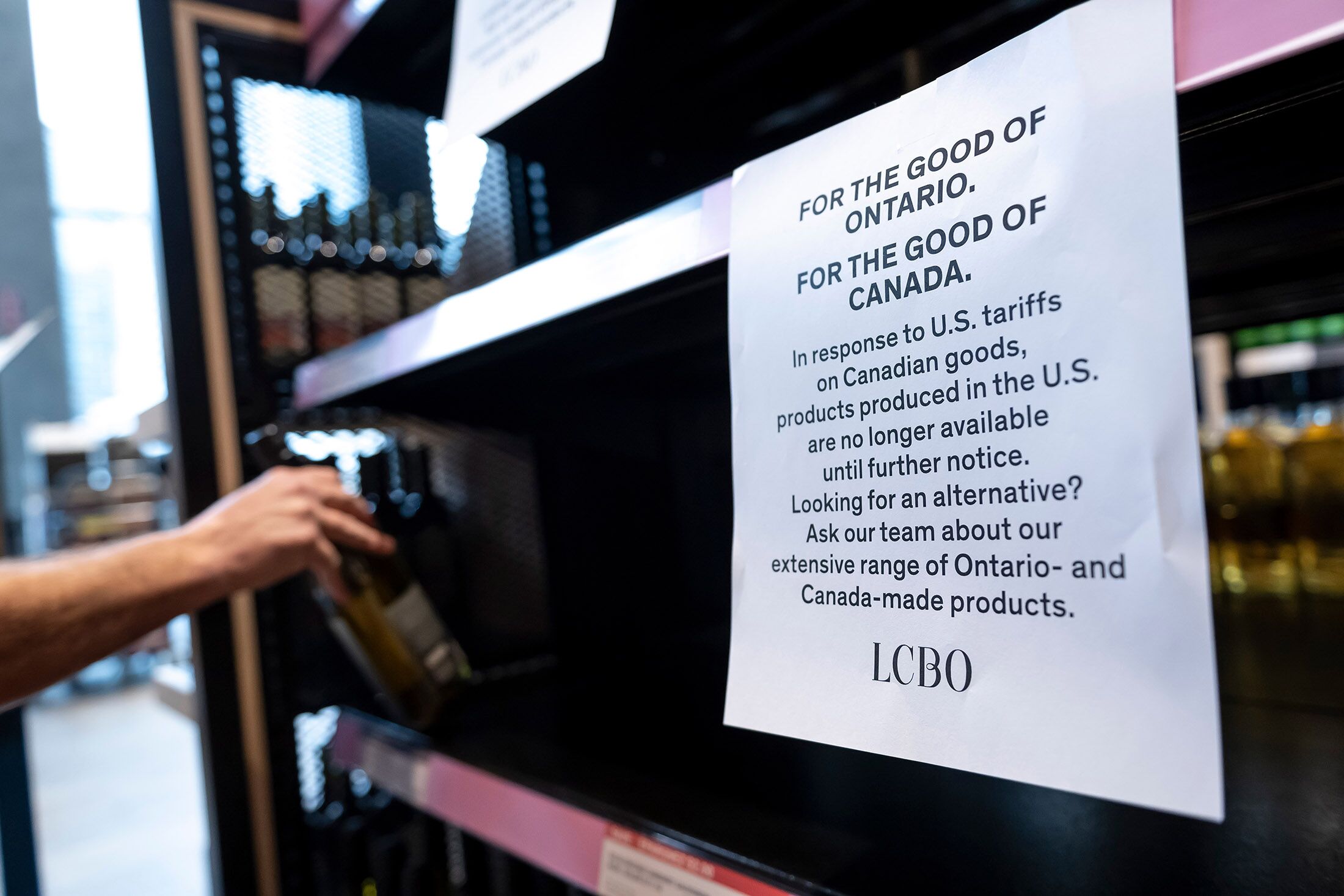
A year ago, American alcohol was removed from government-run liquor-store shelves in most Canadian provinces as a response to President Donald Trump’s 25% tariffs on imports from Canada. Initially seen as a temporary measure, the boycott remains in place in all but two provinces. Rising anti-US sentiment among Canadians is fueled by Trump’s comments about making Canada the 51st state and his attacks on key industries like auto and steel.
Alcohol has become a frequent point of contention. Ontario Premier Doug Ford famously emptied a bottle of Crown Royal during a news conference, highlighting the growing frustration over the loss of local production. Diageo, the company behind the whisky, had planned to move production to the US from Ontario. However, a deal was reached allowing the products to stay on shelves in exchange for investments in Ontario and a commitment to explore new facilities locally.
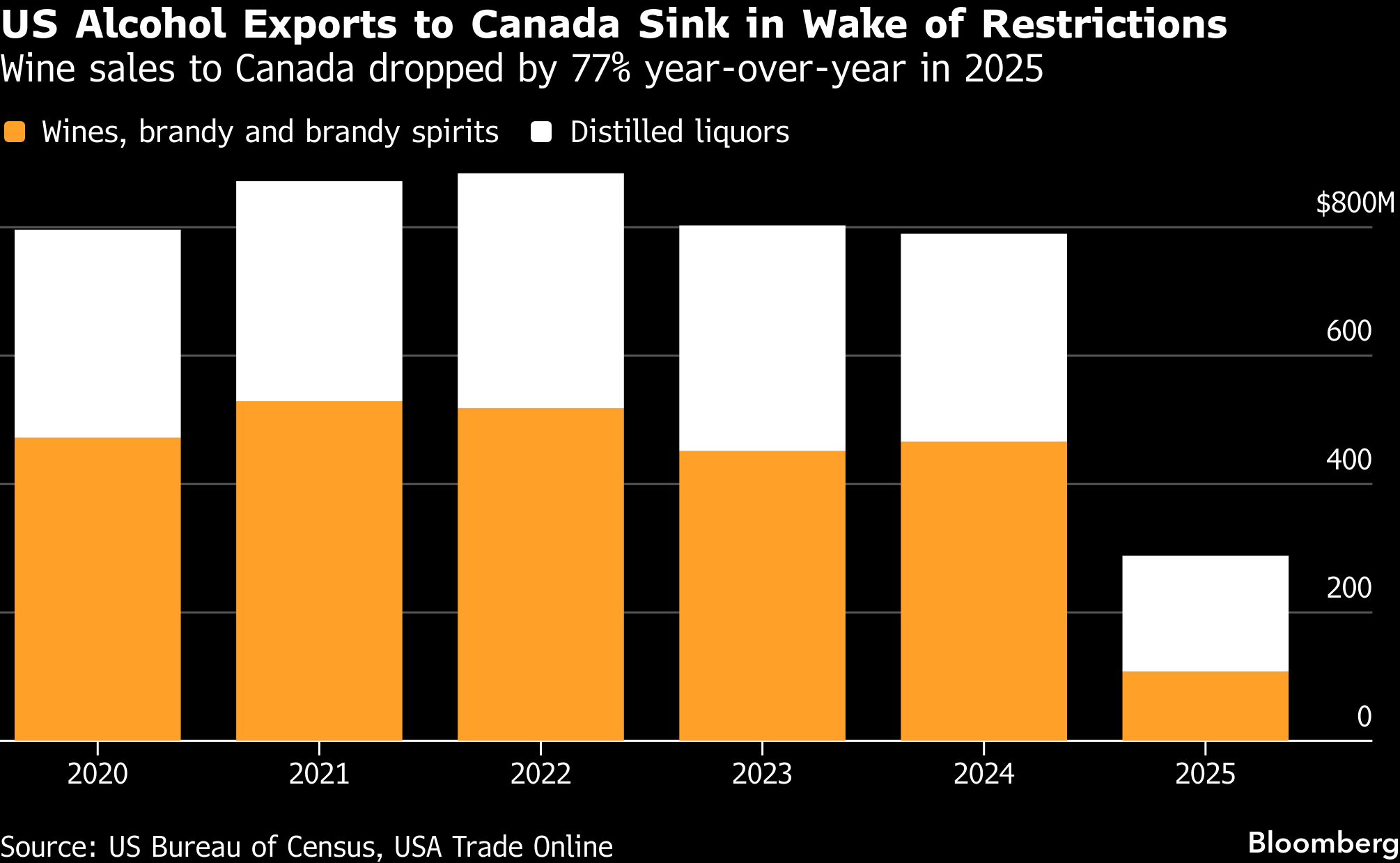
In 2025, US liquor and wine exports to Canada dropped by almost two-thirds, reaching $288 million according to the US Census Bureau. The American wine industry has urged the US trade representative to prioritize restoring access to the Canadian market. Bourbon maker Jim Beam, owned by Suntory Holdings Ltd., paused production at its main US distillery following a slump in demand. The Distilled Spirits Council of the US reports that whiskey exports to Canada, the EU, the UK, and Japan are all down sharply.
For rum enthusiast Tingling, boycotting US booze seems irrational. He views the world through the lens of a spreadsheet, a habit from his days as a Toronto financial analyst. Now a financial adviser, he finds it frustrating when clients want to divest well-performing American stocks for political reasons. “Unless we’re going to start dropping Disney, Netflix, Amazon, why pick on alcohol?” he asks. “Why demonize people for wanting to have the beverage of their choice?”
Tingling and his wife now return from their vacation home near Tampa with large bottles of Captain Morgan Parrot Bay 90-proof coconut rum, which he can’t get back home.
Despite Tingling’s views, he is in the minority. Almost three-quarters of Canadians want to keep US liquor out of government-run stores, according to a December poll by Nanos Research Group for Bloomberg News. In a January-February Nanos poll, 55% of Canadians said the US poses the greatest threat to their country’s security, far more than Russia or China. Boycotting American booze has been a relatively painless way for patriotic Canucks to express their dissatisfaction.
In the last full quarter before the boycott, California wines accounted for five of the top ten selling wines in Ontario’s province-run liquor stores. But in the most recent reported quarter, American wines had disappeared, with three Canadian vineyards making a showing. French, Italian, and New Zealand bottles rounded out the top 10.
Little red maple leafs adorn bin tags at Ontario’s provincial stores, whose website now features a dedicated page called the “EH List” for browsing domestic products ranging from Niagara’s finest ice wines to Warheads—ultrasour, neon-colored shooters from Ontario distillery Murphy’s Law.
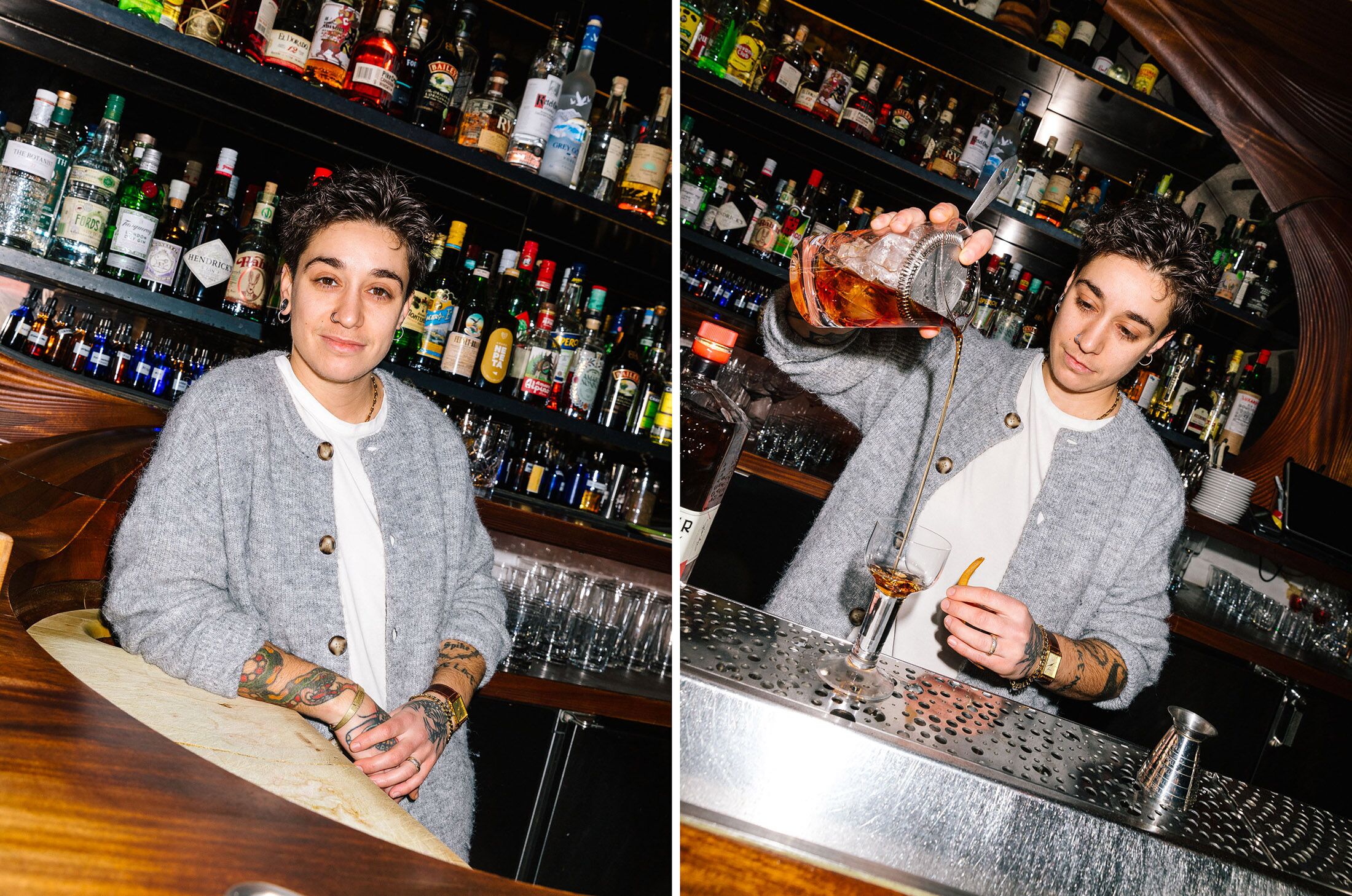
Even mixologists have pushed themselves to innovate. At Bar Raval on Toronto’s College Street, manager Bex Figueiredo has started using Barnburner whisky from Maverick Distillery Ltd. in Ontario as a substitute for American bourbon. It’s made in small batches from a blend of corn and rye whiskies double-aged in bourbon barrels, and the Canadian whisky is actually a few cents cheaper per bottle. “We also start putting more attention into Irish and Scotch whiskey,” Figueiredo says. “Sometimes not having the obvious choice available for certain cocktails gives us the chance to be more creative.”
There isn’t always an easy swap. At Shoushin, a Michelin-starred sushi restaurant in affluent North Toronto, chef Jackie Lin found a replacement for his staple cooking sake, but it added salt and changed the taste of his rice, so he had to tweak his recipes.
And then there’s the question of what will happen to all those thousands of cases of American alcohol that crossed the border long ago. Only Alberta and Saskatchewan are importing and selling US booze as normal, and many provincial liquor authorities are grappling with what to do with millions of dollars of inventory collecting dust in storage.
Ontario is undecided on its piled-up stock. The provincial stores are among the largest liquor purchasers in the world and have about C$80 million ($58.5 million) worth of American alcohol in storage. By late 2025, about C$1 million of that—primarily beer and ready-to-drink cocktails—had already expired, with more set to reach their sell-by dates in coming months, but the provincial government has hesitated to resume sales.
Late last year several other provinces, including Nova Scotia, Manitoba, and Prince Edward Island, opted to sell off their remaining stock of American liquor, donating some or all of the proceeds to local charities and food banks. “When US alcohol sales resumed, there was an initial rush of consumers looking for particular products—bourbon, vodka and California red wine,” says Janice Fogarty of the PEI department of finance. Yet with more shelf space now devoted to local and other Canadian products, customers seem less interested in US booze even though it’s available again. “That initial rush,” she says, “has tapered off.”