Understanding the Evolution of Pet Microchips
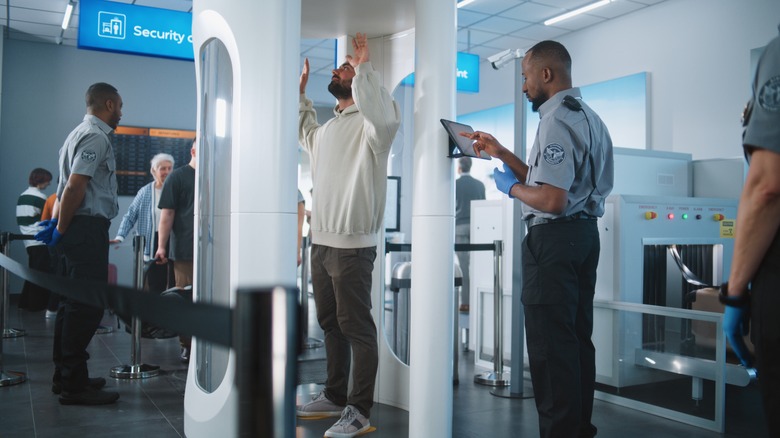
A microchip doesn’t “expire,” but the technology surrounding it is constantly evolving. By 2026, the real concern isn’t that your pet’s chip stops working; it’s that it might not scan properly in certain locations or fail to connect to you quickly enough when needed. Travel can turn microchipping into a real-world stress test, with airport staff, border checks, unfamiliar scanners, and paperwork all depending on a single tiny ID number.
This article explores how to determine if your pet’s microchip setup is ready for travel and highlights simple upgrades that offer the most significant safety benefits without turning your carry-on into a gadget bag.
What “Outdated” Really Means in 2026

“Outdated” typically means a mismatch rather than age. Some older chips use non-ISO frequencies (commonly 125 kHz or 128 kHz), while many countries’ import rules require an ISO 11784/11785, 15-digit microchip operating at 134.2 kHz. If a clinic or border point uses a forward-reading scanner that only detects ISO chips, a non-ISO chip could be missed even if it’s still functional. That’s why saying “we scanned him once” isn’t a lifetime guarantee.
Another important point: microchipping often needs to occur before or at the same time as the rabies shot for travel paperwork to align correctly. Make sure to confirm your dates, chip number, and registry details together.
The Registry Check Most Owners Forget

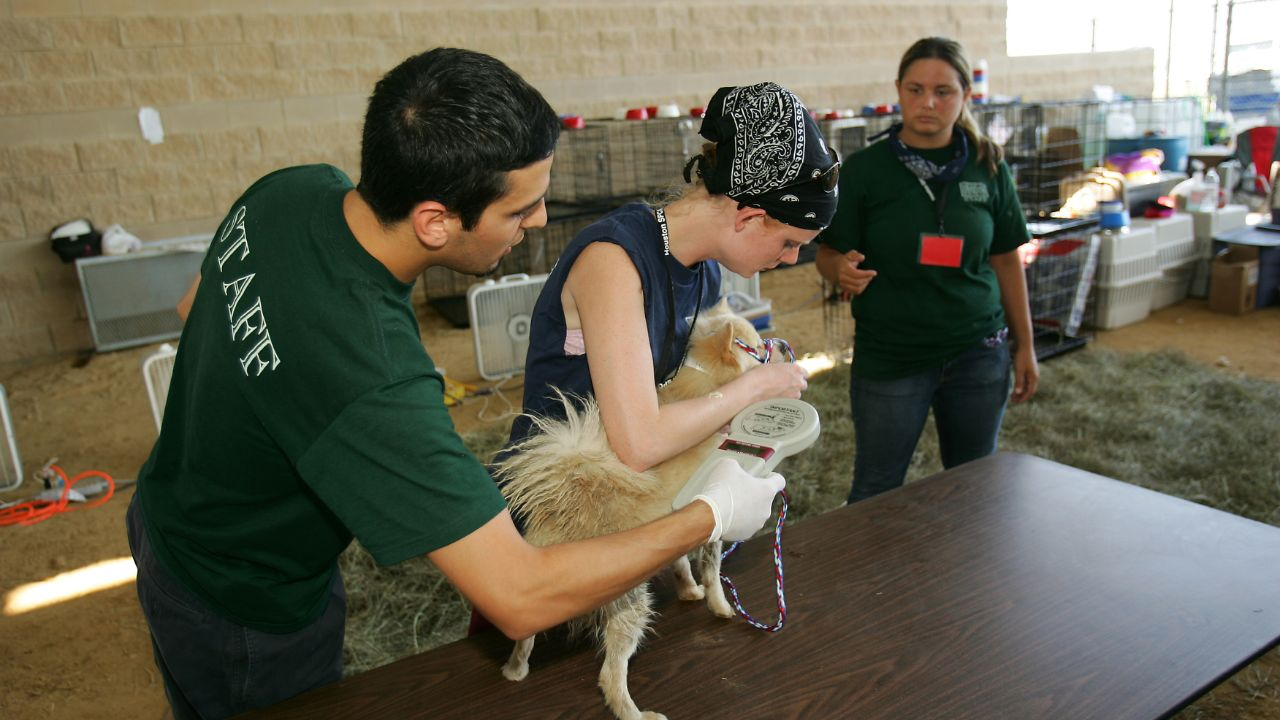
The chip number is only half the system; the other half is the database entry linked to it. If your phone number has changed, you’ve moved, or the chip was never registered, a scan might not lead anywhere. Before traveling, perform a “practice reunion”: have your vet scan the chip, then look up the number in the registry associated with your brand and confirm that your contact information is correct. Remember, the microchip isn’t GPS—it only works when someone scans it.
Print the chip number and keep it with your pet’s travel documents, because health certificates and border checks rely on that exact ID being consistent across your vet, the registry, and the paperwork.
Universal Scanning and ISO Compliance
If you travel frequently, the most “2026” move is to reduce scanner drama. Universal scanners can read the main chip frequencies used in the U.S. (125 kHz, 128 kHz, and 134.2 kHz), so shelters and vets don’t need to guess which setting to use. For international trips, many destinations require an ISO-compliant, 15-digit microchip. If your pet has a non-ISO chip, your vet may recommend adding an ISO chip instead of removing the old one, and confirm ISO compatibility with the chip manufacturer.
Make sure both numbers are documented, and ensure the ISO chip number is the one your travel paperwork is built around from day one.
Add a QR or NFC “Fast ID” for Humans
Microchips remain the official ID, but 2026 travel will also require a fast, “human-friendly” layer. A QR or NFC collar tag can open a pet profile with your phone number, alternate contact, vet info, and a clear photo, no scanner required. This is especially useful in airports, hotels, and taxis where staff may not have a chip reader but can easily scan a code with a phone.
Keep personal details minimal and focus on reunion information. Update the profile regularly, and store copies of vaccination records and your destination’s entry rules in the same place, so you’re not digging through emails while your pet is side-eyeing the security line.
Thermo Microchips and the Travel Health Edge

One legitimate microchip upgrade is the “thermo” style chip: it still functions as a normal ID, but it can also report a subcutaneous temperature reading when scanned with a compatible reader. Some systems advertise readings across roughly 33–43°C, though not every clinic scanner supports this feature.
For frequent travelers, this is useful after long drives, cabin travel, or stressful layovers, providing quick data without wrestling a thermometer and a grumpy cat. Do a final scan 48 hours before departure, confirm the registry is current, and stash the chip number in your notes app and on paper. While technology is great, redundancy is what saves trips.