

The Hidden History of South Burlington
When most people think of South Burlington, they might imagine a place filled with fast food chains and hotels. However, local author and amateur historian Bob Blanchard has a different perspective. According to him, the city has a rich history that is often overlooked.
“There’s a perception that there’s very little interesting about it,” said Blanchard, which he believes stems from a general “lack of awareness” of the city’s history. He emphasizes that while there is a lot of history, it requires some digging to uncover.
Blanchard’s latest book, titled “South Burlington,” aims to shed light on this hidden history. Published last month exclusively on Amazon, it is one of the few books dedicated to the city. “It’s underserved big time,” he said, highlighting the need for more recognition of South Burlington’s past.
A Split from Burlington
The book begins with the founding of South Burlington in 1865, when the farming-focused community split off from Burlington. According to Blanchard, Burlington “took all the good parts” and left South Burlington with the “rump.” While the exact reason for the split remains unclear, he suggests it was likely a “city mouse versus country mouse” situation.
For example, residents of the proto-South Burlington area, who had access to cleaner water from streams and wells, didn’t want to pay for upgrades to the water system in the more urban parts of Burlington. In return, the city dwellers weren’t interested in maintaining the dirt roads between scattered farms.
From Farming Community to Growing City
The book also covers South Burlington’s post-World War II population boom, which marked the city’s transition from a sparse farming community to Vermont’s second-largest city and currently the state’s fastest-growing municipality.
One of the most insightful chapters explores South Burlington’s murky identity, which Blanchard partially attributes to the lack of a town center for over 100 years. “It’s a tough question,” he said. “It depends on who you ask.”
Unlike the buildings in “Lost Burlington,” one of Blanchard’s most well-known works, some of the structures mentioned in the South Burlington book are still standing today. “A lot is gone, but not everything,” he said.
Notable Places in South Burlington
Here are a few places discussed in Blanchard’s “South Burlington” book:
Hinesburg Road School
Built in 1835, Hinesburg Road School was one of six single-room schoolhouses that became part of South Burlington when the town split off from Burlington 30 years later.
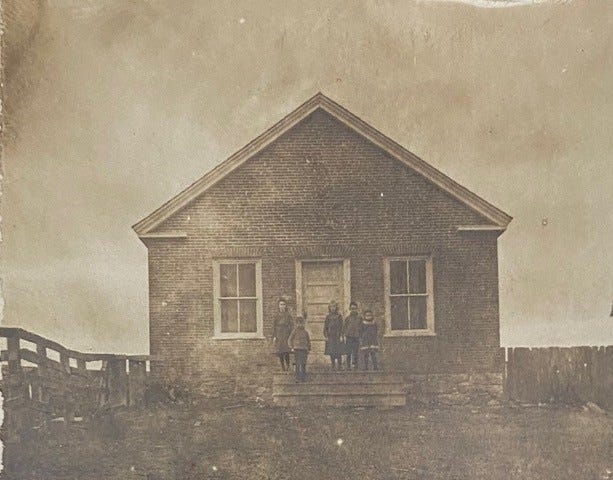
Hinesburg Road School, along with the other one-room schoolhouses still standing, eventually closed in the 1930s. Sometime after 1940, a longtime University of Vermont professor and South Burlington town moderator named Samuel Bogorad purchased the schoolhouse, expanded it and made it his home. The former schoolhouse, two miles south of the Williston-South Burlington border, remains an occupied residence to this day.
The Lure
The Lure was a popular snack bar in the 1960s, especially among teenagers, who often frequented the joint after school. It was run by Nectar Rorris — later the owner of Nectar’s Lounge on Main Street in downtown Burlington — and owned by his aunt and uncle.
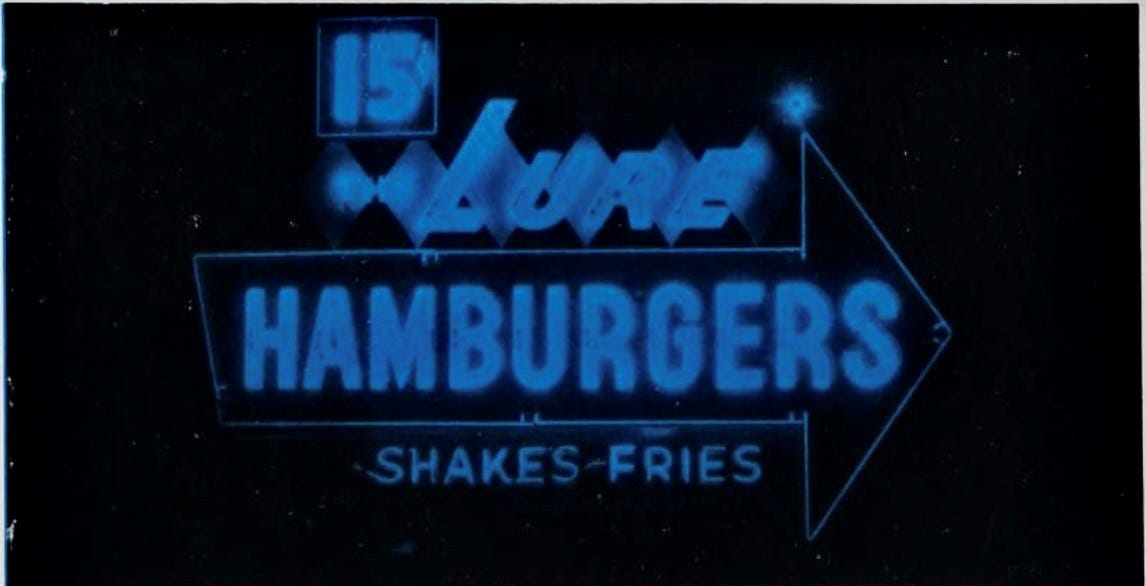
The snack bar, which lasted roughly 12 years, was almost directly across the street from McDonald’s on Williston Road. When the large franchise moved in, Rorris’s uncle and aunt tried unsuccessfully to run it out of business. Upon closing The Lure, they leased the building to Burger King.
Queen City Park
Queen City Park was once a successful summer resort. Central Vermont Railroad created the park in 1878, capitalizing on the nearby beach’s proximity to the railroad line, which allowed people to visit from all over.
Four years later, a group of Spiritualists — followers of a popular religious movement at the time primarily centered around people communing with the dead — purchased the resort, which they used for annual camp meetings. Attendees included speakers, mediums and grieving people who wished to speak with their deceased loved ones. The camp slowly began to peter out in the 1940s, following a devastating 1939 fire that destroyed 13 buildings, including a lodge, the Queen City Park Hotel and multiple cottages.
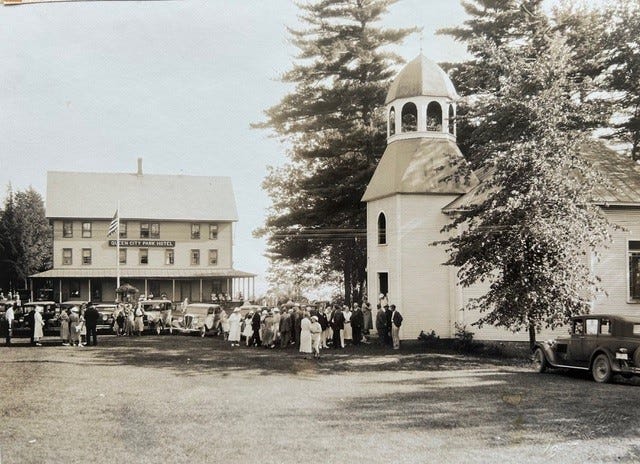
The former resort is now the Queen City Park neighborhood, one of the oldest neighborhoods in South Burlington. Some of the original cottages remain, albeit significantly altered and used as full-time residences.
The Future of Vermont’s Movie Theater History
What’s next for Blanchard? The St. Albans author is putting the finishing touches on a book about the history of movie theaters in Vermont, which he said is another underreported aspect of the Green Mountain State’s past. Blanchard said since he just published “South Burlington,” he likely won’t release his new book for a while.








![[IMAGE: Best Travel Apps for Stress-Free Adventures United States]](https://www.mathhotels.com/wp-content/uploads/2025/09/608_Best_Travel_Apps_Stress_Free_Vacation_Hero.jpg)