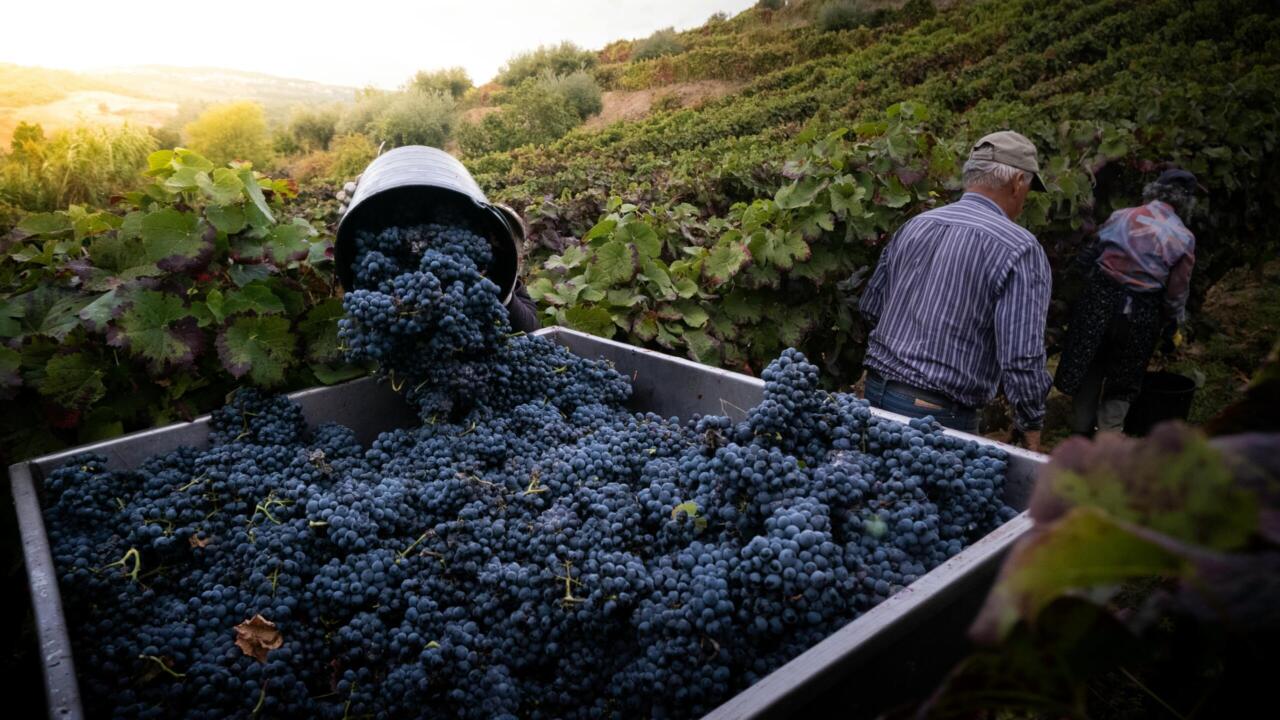
The Douro Valley, a UNESCO World Heritage site, pulses with life during the grape harvest, a period of intense activity and time-honored tradition. From late August to October, the steep, terraced vineyards, known as socalcos, transform into a vibrant tapestry of activity. This critical season is the culmination of a year’s diligent vineyard care, essential for producing the region’s world-renowned Port and table wines. The air fills with the scent of ripe grapes and the sounds of communal effort, embodying a deep connection to the land and a celebration of its bounty.
The Rhythm of the Harvest
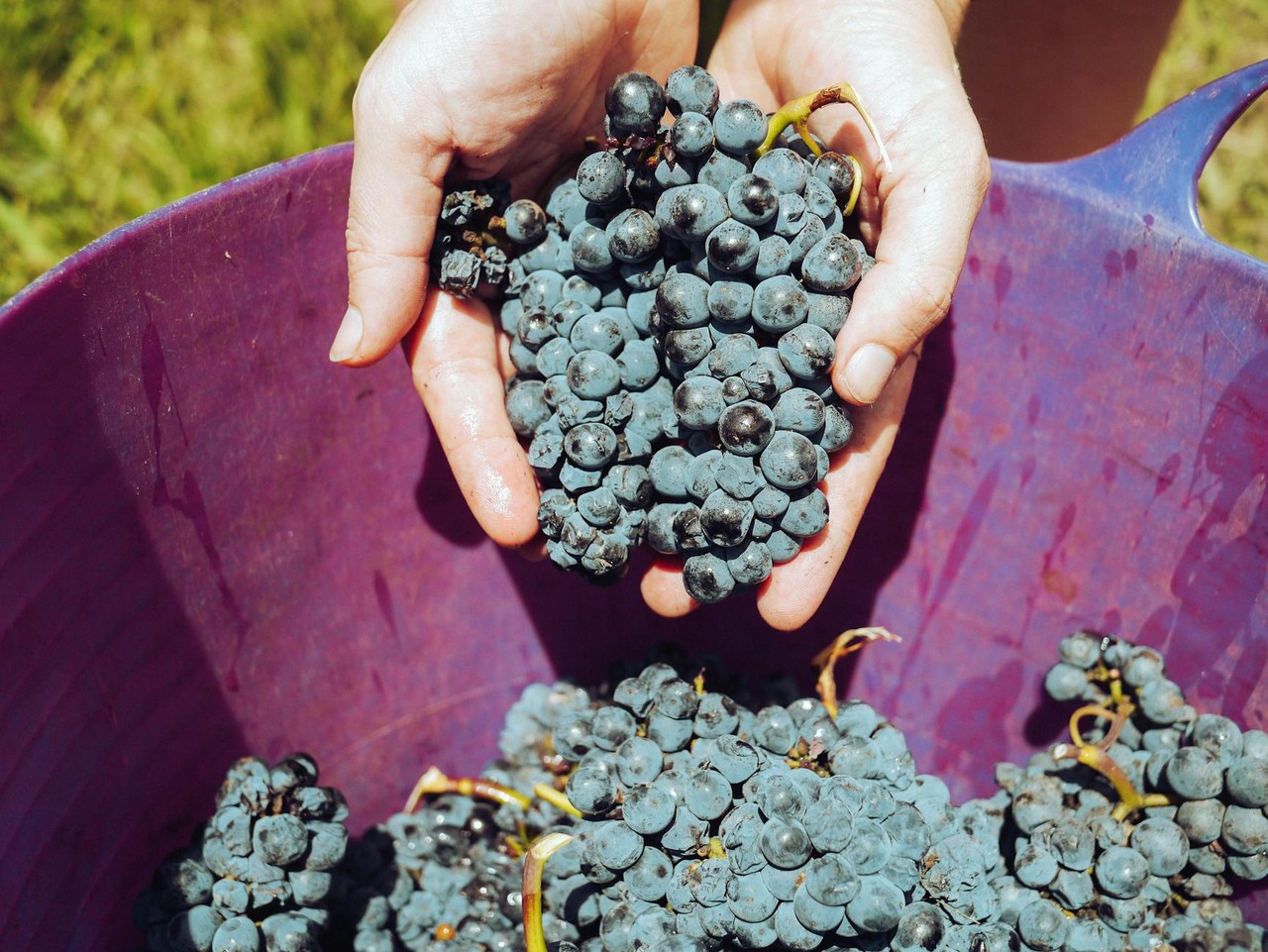
The grape harvest, or “vindima,” in the Douro Valley is a meticulously timed event, generally commencing in late August and extending through October. This crucial period depends heavily on weather conditions and the precise moment of grape ripeness. The decision of when to pick is not based on machinery or formulas, but rather on the accumulated knowledge and intuition of those who tend the vines. They observe the color of the grape skins, feel how easily they detach from the stem, taste the sweet must on their fingertips, and note the browning of the pips – all indicators signaling that the moment of harvest has arrived. This careful timing is paramount for ensuring the finest quality grapes are used for both Port and still wines.
Hands in the Grapes: The Harvest Process
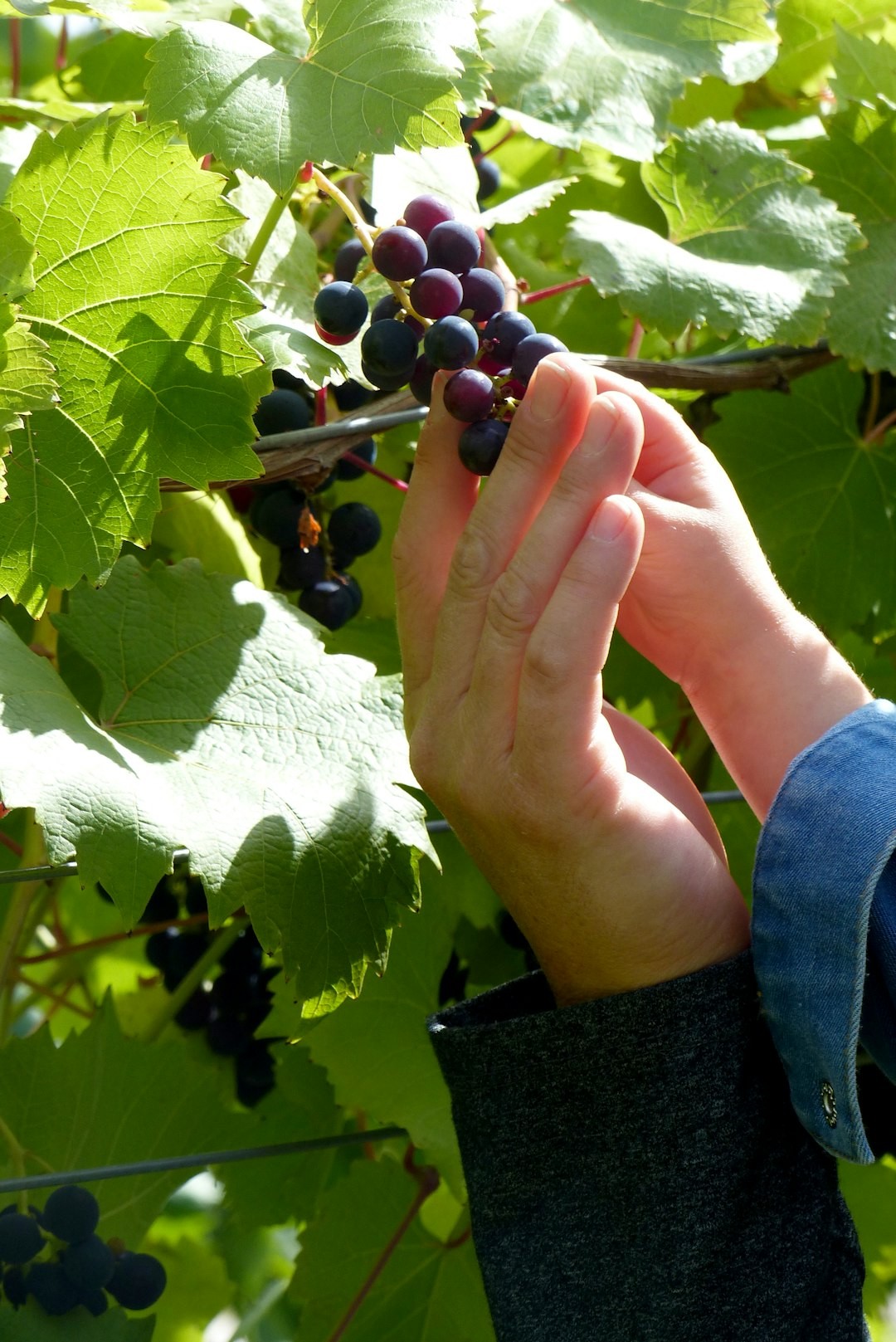
The harvest in the Douro is characterized by its manual and labor-intensive nature, a necessity dictated by the region’s dramatic terraced landscape. Small groups of workers, known as “rogas,” meticulously cut grape bunches with pruning shears, filling baskets that can weigh up to 30 kilograms. Traditionally, men carried these heavy baskets on their backs up the steep slopes to collection points. While mechanization is slowly being introduced on wider terraces, the heart of the valley still relies on the skill and strength of human hands. This hands-on approach ensures that only the best bunches are selected, guaranteeing the quality essential for exceptional wines.
Ancient Traditions in Modern Times: Foot Treading
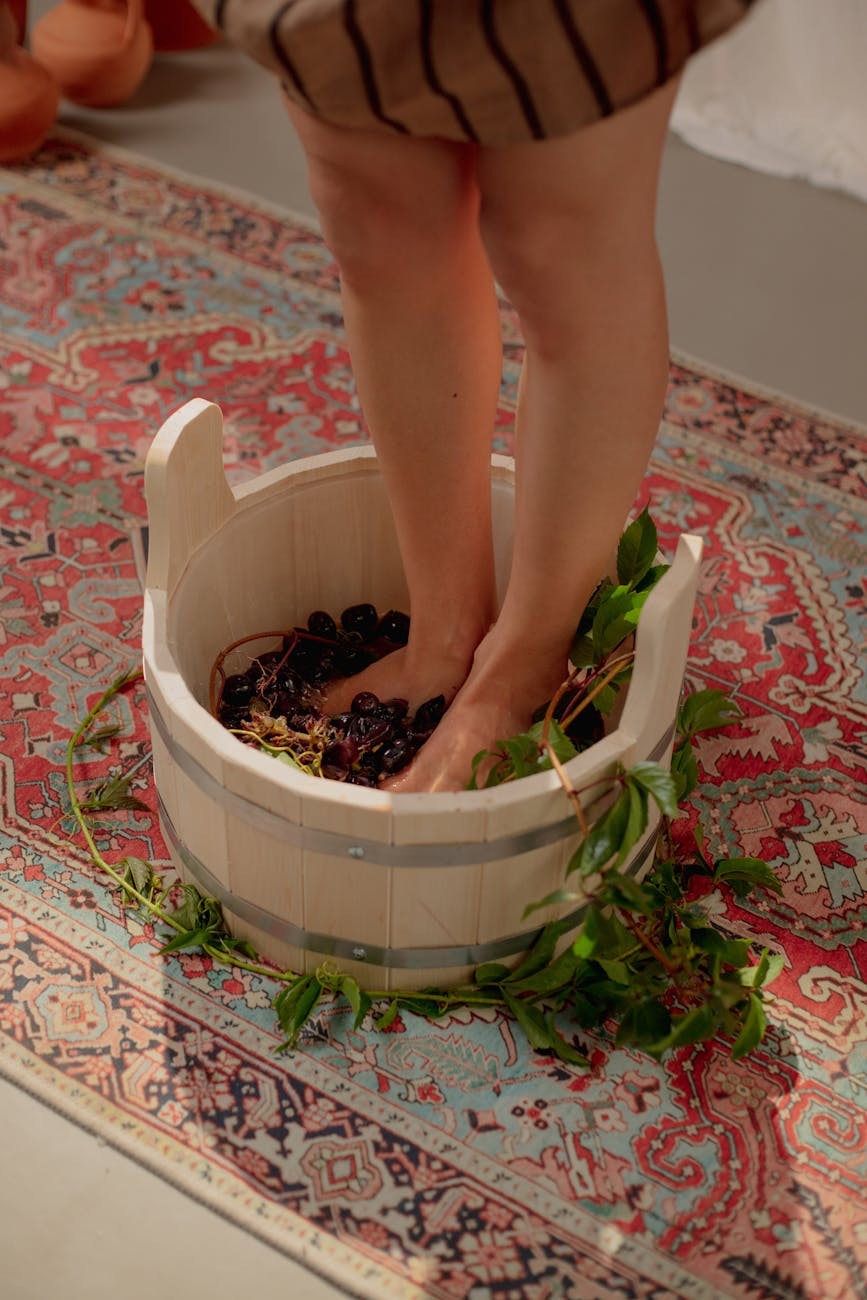
Among the most iconic and enduring traditions of the Douro harvest is the practice of foot treading, known as “lagarada”. After being harvested, grapes are placed into large stone or granite tanks called “lagares,” where groups of people tread them barefoot. This age-old method is not merely a cultural ritual; it is an effective way to extract grape juice without crushing the seeds, thus avoiding the release of bitter tannins. This communal activity, often accompanied by traditional music and songs, becomes a celebration in itself, fostering a deep sense of community and connection to the land. Many wineries now invite visitors to participate in this immersive experience.
The Quintessential Douro Grape Varieties
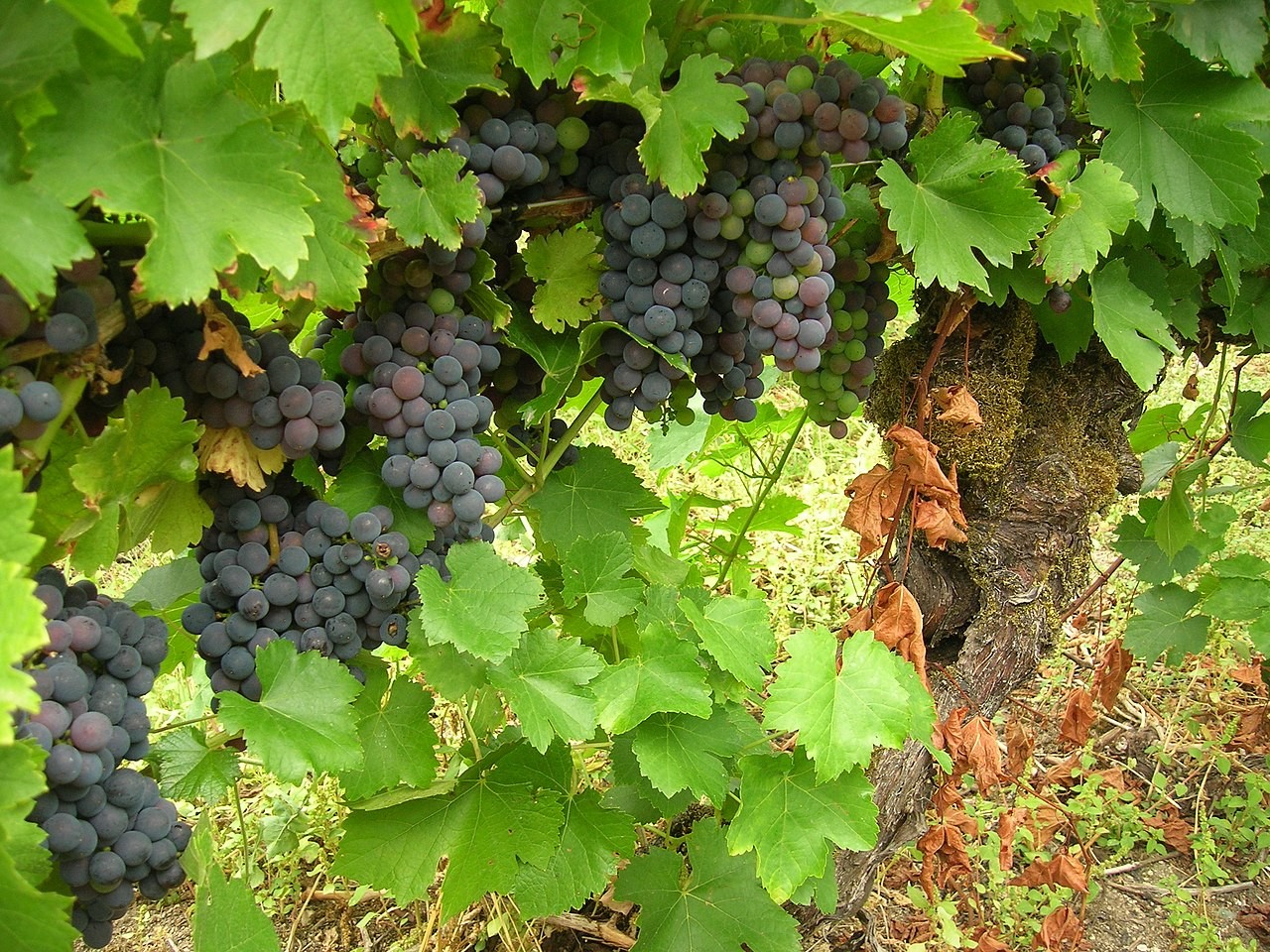
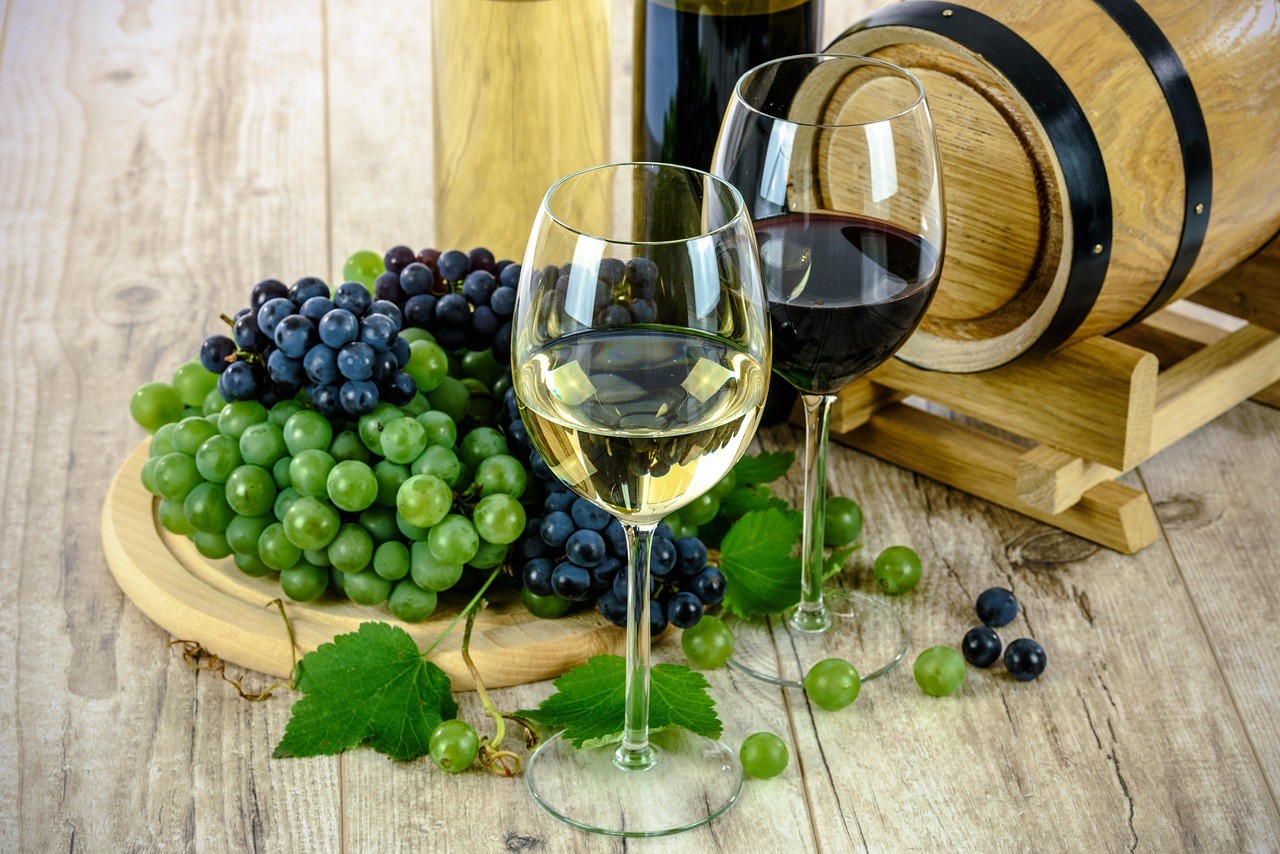
The Douro Valley is home to over 80 indigenous grape varieties, though the vineyards are predominantly planted with five key red varieties: Touriga Nacional, Touriga Franca, Tinta Barroca, Tinto Cão, and Tinta Roriz (also known as Tempranillo). Touriga Nacional is highly regarded for its deep color, intense aroma, and robust structure, while Touriga Franca is the most widely planted. For white wines, Rabigato and Viosinho are notable for their vibrant acidity, minerality, and aromatic complexity. This rich diversity of grapes is essential for creating the complex and unique profiles of both Port and Douro table wines.
The Festive Harvest Atmosphere
The grape harvest in the Douro Valley is far more than just agricultural labor; it is a time of profound community and celebration. After long days spent in the vineyards, workers and their families gather for communal feasts, sharing hearty meals featuring regional specialties. These gatherings reinforce bonds and celebrate the connection to the land and the fruits of their year’s labor. Music, traditional songs, and even dancing often accompany these festivities, creating an atmosphere brimming with joy and camaraderie. It is a period where work and celebration are inextricably intertwined, embodying the spirit of the Douro.
Terroir and Tradition: The Soul of Douro Wines
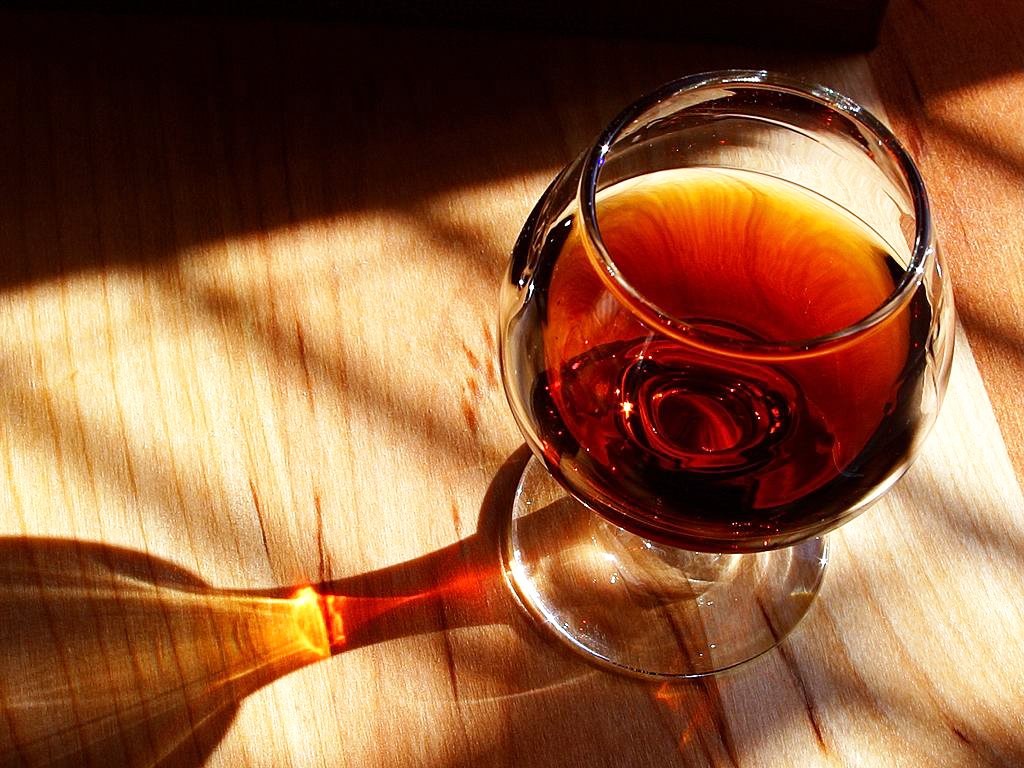
The Douro Valley’s unique terroir, characterized by its steep schistous hillsides and the moderating influence of the Douro River, is fundamental to its exceptional wines. The challenging terrain, with its extreme heat and dry summers, forces grapevines to grow deep roots, up to 30 feet, to access water. This, combined with the specific soil composition, contributes to grapes with intensely concentrated flavors. The region’s long history of winemaking, dating back to Roman times, has fostered a deep understanding of how these environmental factors shape the character of the wines. This intimate knowledge of the land is what allows winemakers to produce wines with unparalleled depth and complexity.
Adapting to a Changing Climate
The Douro Valley, like many wine regions globally, is increasingly contending with the impacts of climate change. Rising average temperatures, with an increase of 1.3°C between 1967 and 2010, and more extreme heat events are altering vineyard conditions. Unpredictable weather patterns, including erratic rainfall, also pose significant challenges, sometimes disrupting harvests and increasing the risk of fungal diseases. In response, the region is focusing on sustainable viticulture, exploring higher altitudes, adapting grape varieties, and implementing efficient water management techniques to ensure the continued quality and viability of its winemaking heritage.
The Future of the Harvest: Innovation and Sustainability
While steeped in tradition, the Douro Valley’s wine industry is also looking towards the future with innovation and a strong commitment to sustainability. Modern winemaking techniques, such as temperature-controlled fermentation and advanced barrel aging, are being integrated alongside age-old practices like foot treading. Sustainability is at the forefront, with initiatives focusing on soil conservation, efficient water management, and reduced carbon emissions. Organic winemaking is a growing movement, enhancing soil biodiversity and leading to more flavorful grapes. This blend of reverence for the past and forward-thinking adaptation ensures that the Douro Valley will continue to produce exceptional wines for generations to come.