Yosemite is arguably California’s most famous national park. But it’s also huge — so where should you even start? We’ve got you.
A Glimpse of Natural Wonder
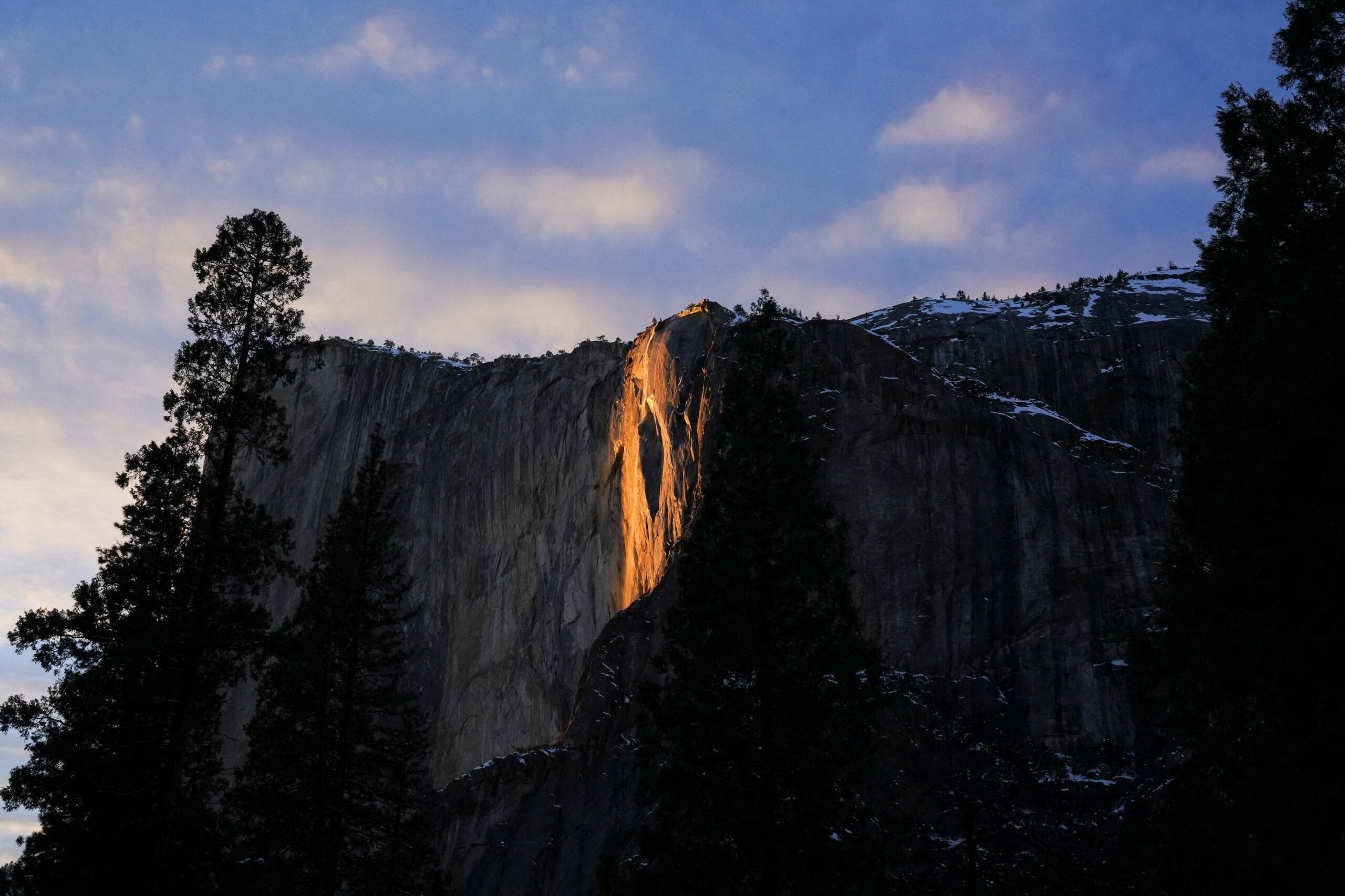
Few views in the United States are as breathtaking as the first glimpses upon passing into California’s Yosemite Valley, where sweeping views, granite cliffs and majestic waterfalls appear suddenly with every turn in the road. The valley at Yosemite National Park has drawn people for millennia, from the native tribes that lived there nearly 4,000 years ago to explorers like John Muir to modern rock climbers like Alex Honnold. Whether or not you’re an expert hiker, the Yosemite Valley has plenty to offer, including mist-covered trails alongside waterfalls and vistas of the iconic Half Dome that can be reached by car.
Planning Your Visit
The national park is immensely popular, drawing about 4 million visitors each year, so it’s important to make a plan and arrive early if you want to avoid the biggest crowds. Understanding the layout and key highlights of the park can help you make the most of your time there.
Location and Significance
Yosemite National Park is located in California, specifically in Mariposa County, with small sections in Tuolumne County and Madera County. It holds historical significance as America’s third national park, designated in 1890, though the Yosemite Valley was first protected through a bill signed by President Abraham Lincoln in 1864, predating all of America’s national parks. The grandeur of the park is reflected in numbers — at 2,425 feet, Yosemite Falls is one of the country’s tallest waterfalls — and in the impressions it leaves on people. Trailblazing environmentalist John Muir called Yosemite “the grandest of all the special temples of Nature” he ever visited.
Must-See Attractions
A longer trip is necessary to view everything the park has to offer, but many hikes are possible on a single-day visit. At lower elevations, the largely flat, 11.5-mile Valley Loop Trail crosses the entire valley and gives visitors a glimpse of several of the park’s wonders. For a more uphill trek, consider the 3.6-mile hike to Upper Yosemite Fall, or the Mist Trail, which leads to the tops of Vernal Fall then Nevada Fall. (You can just go to Vernal Fall if you’re looking for a shorter but still strenuous hike.) And if you’re feeling more adventurous, you can apply for a permit (available by lottery starting in March) to do the Half Dome hike, a 14-to-16 mile hike with about 4,800 feet of elevation gain and cables for the final ascent.
Local Tips for a Better Experience
Photographer Ansel Adams was often inspired by the majesty of Yosemite National Park, dating to his teenage years when he convinced his parents to vacation to the area. A photo from Tunnel View, just outside the Wawona Tunnel, is among his most enduring images, but given the amazing views, the area is often overcrowded with tourists and cars. If you’re looking for the same views but with more solitude, park in the upper parking lot and jump on the trailhead to Inspiration Point. After just a bit of walking up the trail, you’ll likely find a far more peaceful way to absorb the views of California’s crown jewel.
Practical Information for Visitors
Best Time to Visit
Late spring and early fall, known as the shoulder seasons, offer the best chances of mild weather and smaller crowds, though putting together a plan is still crucial for a good time.
Hours and Admission
Yosemite National Park is open 24 hours a day year-round, though the Hetch Hetchy Entrance Station is only open during daylight hours, and some roads are closed due to snow from roughly November to June. Entrance fees are $35 for a standard vehicle, or you can get an annual national park pass that costs $80 for U.S. citizens and residents. (People age 62 or older can get a lifetime pass for $80.) The park has also lifted its timed-entry and reservation requirements they’ve had in place for their peak visitation periods.
Getting There
If you’re flying, Fresno Yosemite International Airport is the option closest to the park. From San Francisco, the roughly 200-mile drive requires taking I-580 east to I-205 east, then taking either Highway 120 (Manteca) or Highway 140 (Merced) into the park.
Additional Resources
For the most up-to-date information on closures, entrance fees and more, visit the Yosemite webpage on the National Park Service website.