
Understanding the Factors That Influence Boat Selection
When it comes to purchasing a boat, the decision-making process can be overwhelming. Like any major purchase, choosing the right boat requires careful consideration of various factors that will ultimately determine your satisfaction with the vessel. From the type of water you plan to navigate to the number of people who will use the boat, each element plays a crucial role in narrowing down your options.
Water Type and Its Impact on Your Choice
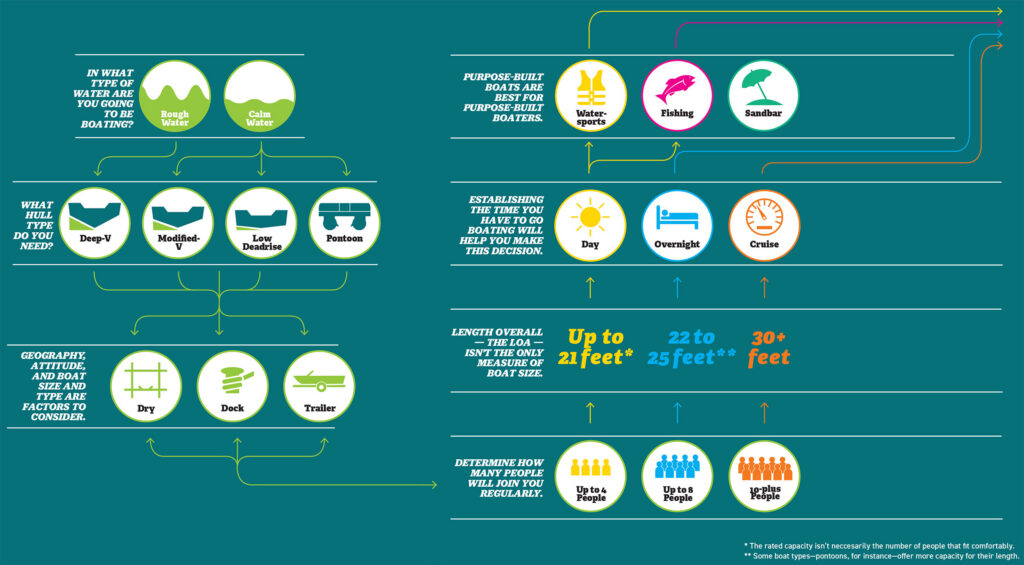
The type of water you intend to boat on is one of the most important considerations. Whether you’re planning to cruise on calm lakes, navigate coastal waters, or explore open seas, this choice will influence everything from the hull design to the power requirements of the boat. For instance, boats with deeper-V hulls are designed for smoother rides in rougher conditions but may require more horsepower to achieve the desired speed.
Wet or Dry: Marinas, Trailers, and Storage Options
Deciding whether to keep your boat in a marina or dry stack versus using a trailer is another key factor. While marinas and dry stacks offer convenience, they come at a cost. On the other hand, trailers provide more freedom but require regular maintenance and registration. The choice between these options often depends on how frequently you plan to use the boat and your personal preferences regarding storage and accessibility.
Crew Size and Comfort Considerations
The size of your crew is also an essential factor. The rated capacity of a boat—whether it’s the number of berths or seats—does not always equate to the number of people who will feel comfortable aboard. It’s important to consider the average duration of your outings and whether you’ll need additional space for overnight stays or extended trips.
Measuring Size: Displacement vs. Length Overall
When evaluating the size of a boat, displacement is a more accurate measure than length overall. Displacement refers to the volume of water the boat displaces, which gives a better indication of its actual size, especially for cruisers. Most service fees and insurance costs are based on the length of the boat, so understanding this distinction is crucial.
Sleeping Aboard: Is It Realistic?
If sleeping aboard is part of your boating plans, you’ll need to consider the layout and amenities of the boat. Some boats are designed with dedicated sleeping areas, while others may require you to stay at nearby waterside hotels. Ultimately, the choice depends on your lifestyle and how much time you spend on the water.
Making Compromises: Balancing Function and Enjoyment
It’s important to recognize that no boat is perfect for every activity. You can fish from a ski boat, ski from a fish boat, or party on any vessel—but each comes with its own set of compromises. Before making a purchase, take the time to evaluate what features are most important to you and what you’re willing to sacrifice.
Power Options and Their Implications
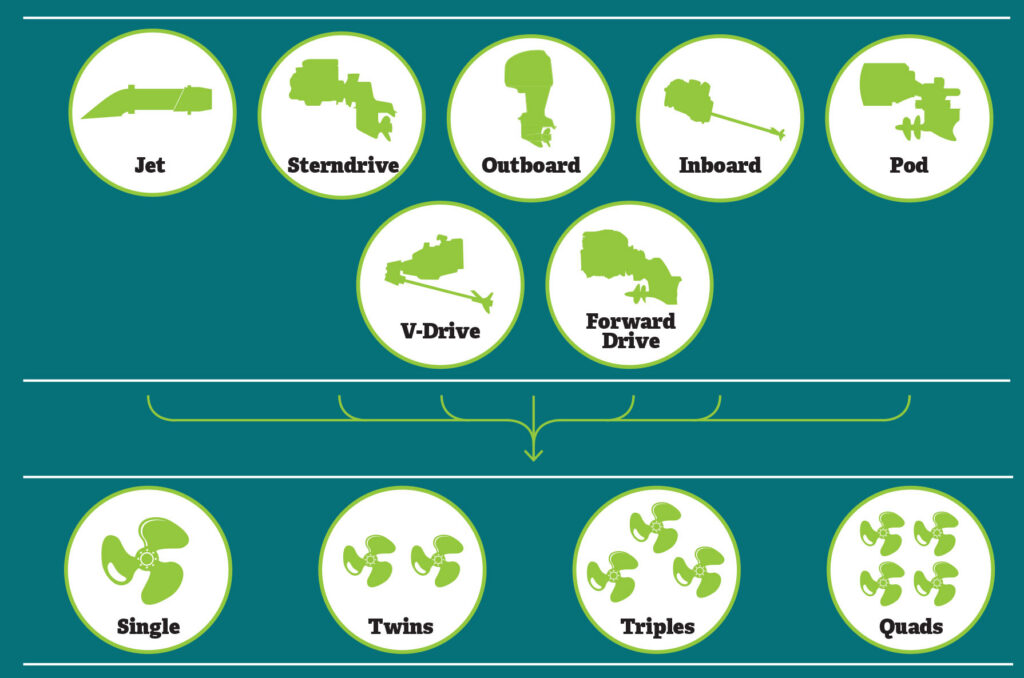
Choosing the right power system for your boat can significantly impact performance, safety, and ease of use. Modern boats offer a wide range of power options, including jet drives, outboards, sterndrives, and even pod systems. Each has its own advantages and disadvantages depending on your intended use.
Power Type: What Works for You?
For example, runabouts equipped with jets or outboards are ideal for recreational use, while larger vessels may benefit from sterndrives or inboards. Boats with multiple engines offer enhanced maneuverability and redundancy, which is especially useful when operating far from shore. As a general rule, aim for at least 100 horsepower per 2,000 pounds of displacement to ensure adequate performance.
Financing and Purchasing Options
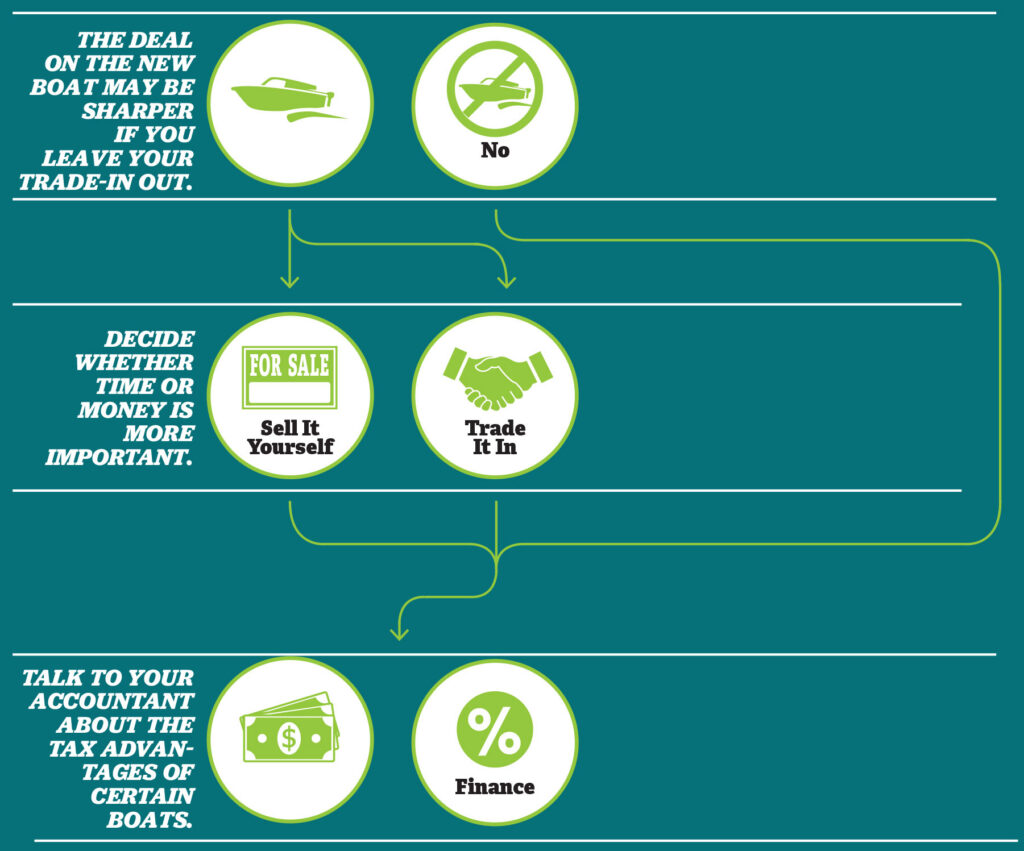
Once you’ve narrowed down your choices, the next step is deciding how to finance and purchase your new boat. There are several options available, including paying cash, taking out a loan, or combining trade-in value with financing. Each method has its own benefits and drawbacks.
Paying for It: Cash, Loans, and Trade-In
Paying cash offers the advantage of avoiding interest charges, but it may not be feasible for everyone. If you choose to take out a loan, be sure to shop around for the best rates. As of recent data, boat loan rates typically range between 6% and 10%, though these can fluctuate over time.
Trading In: Pros and Cons
Trading in your current boat can simplify the purchasing process, but it may weaken your negotiating position. Dealers often have to sell two boats to make one sale, which can affect the price you receive. Alternatively, selling your boat yourself can result in a higher price, although it takes more time and effort.
True Cost: Understanding Long-Term Expenses
Boat loans can be stretched over many years, which can make the initial cost more manageable. However, it’s important to consider the long-term financial implications. Paying cash can make future upgrades or trades easier, giving you more flexibility in the long run.
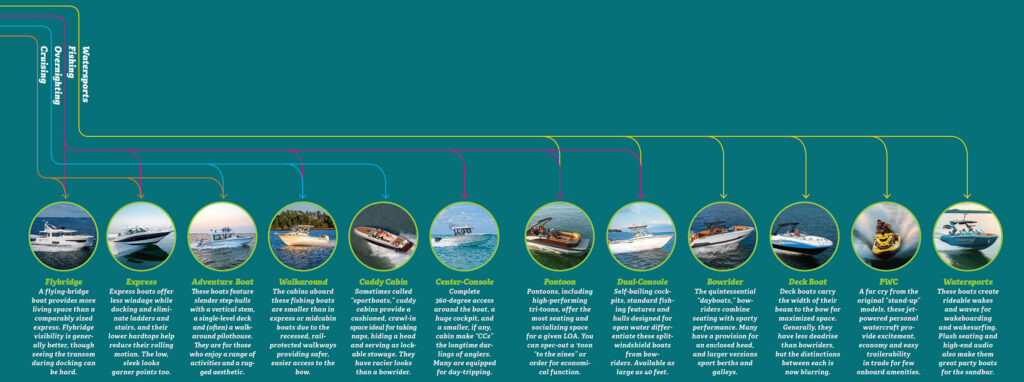
Exploring Different Boat Types
After considering the above factors, it’s time to explore the different types of boats available. Each type offers unique features and benefits, making them suitable for different activities and lifestyles.
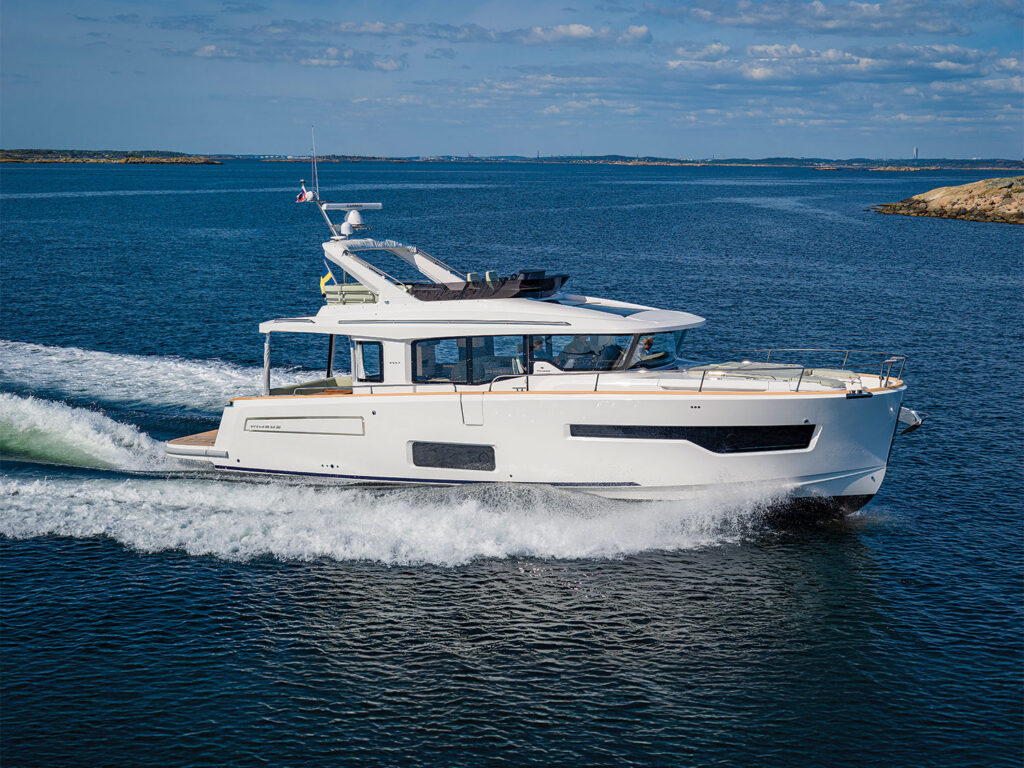
Flybridge Boats
Flybridge boats provide more living space compared to similarly sized express models. They also offer better visibility, though docking can be challenging due to limited sightlines of the transom.
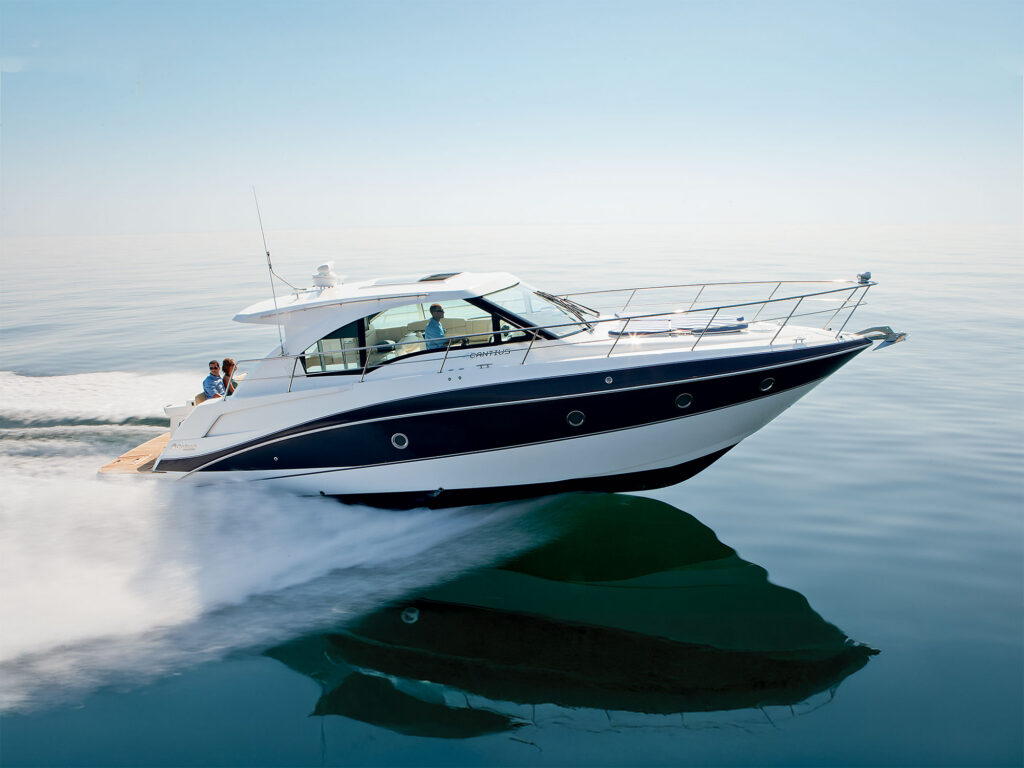
Express Boats
Express boats are known for their sleek designs and reduced windage during docking. They eliminate ladders and stairs, and their lower hardtops help minimize rolling motion, making them ideal for those who prioritize comfort and ease of use.
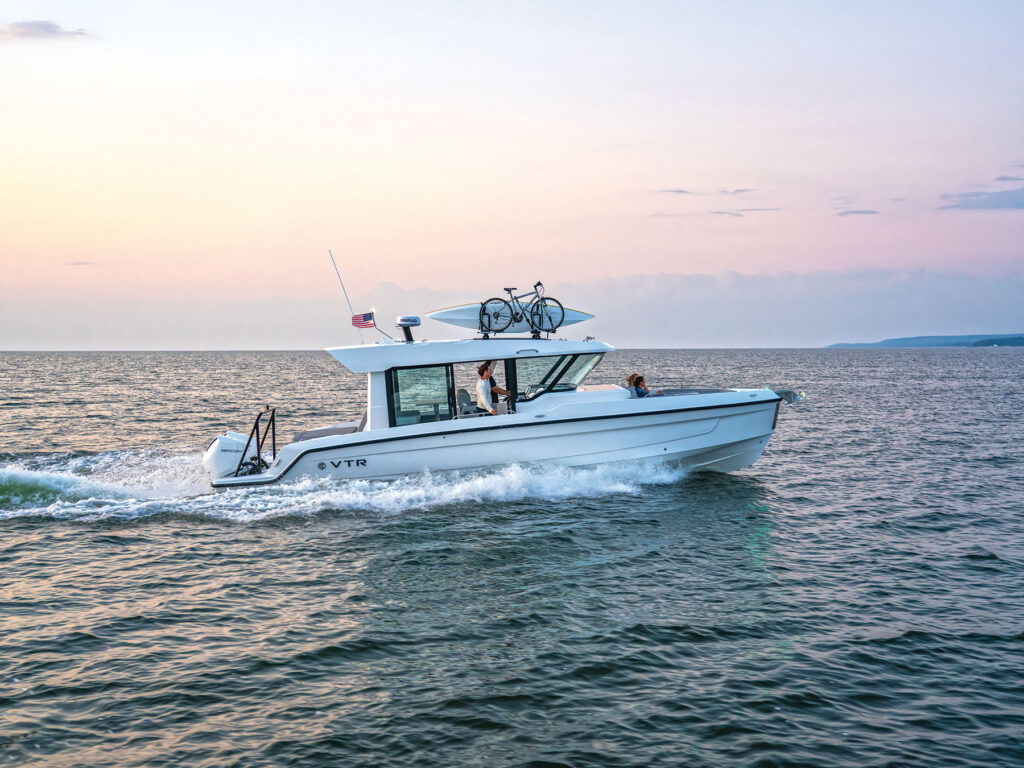
Adventure Boats
Adventure boats are built for versatility and rugged aesthetics. They feature slender step-hulls, vertical stems, and walk-around pilothouses, making them perfect for those who enjoy a variety of water activities.
Walkaround Boats
Walkaround boats offer safer and easier access to the bow, thanks to their recessed, rail-protected walkways. These boats are popular among anglers, though their cabins tend to be smaller than those found in express or midcabin models.
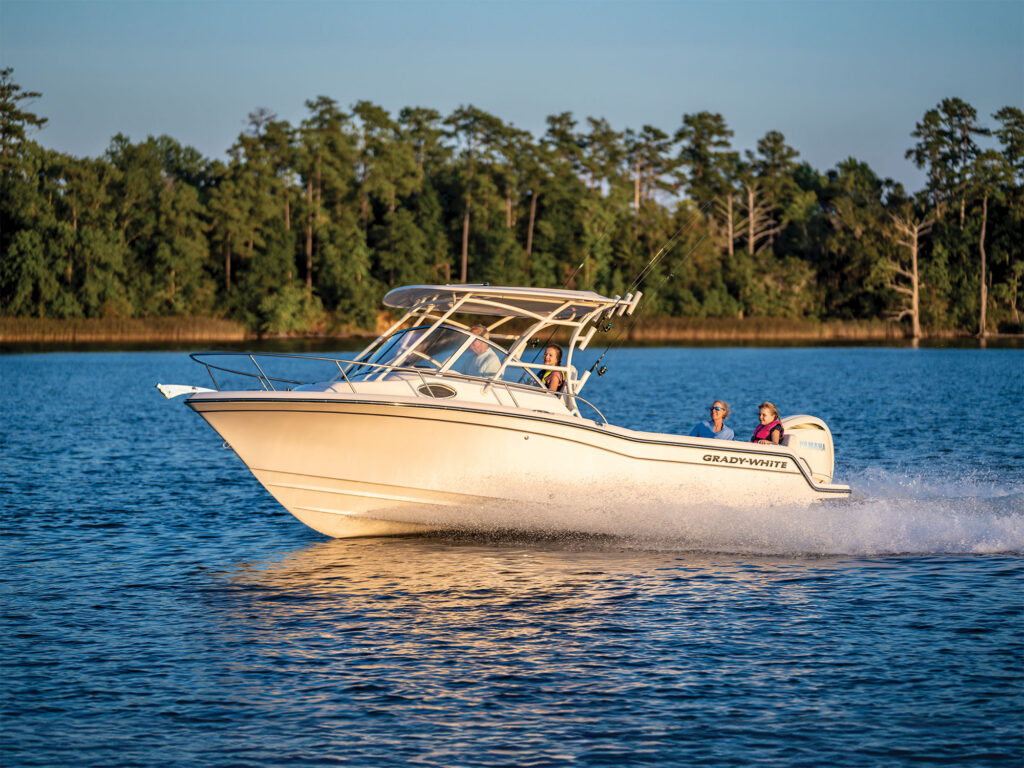
Cuddy Cabin Boats
Cuddy cabin boats, sometimes referred to as sportboats, provide a cozy, crawl-in space ideal for naps, hiding a head, or storing gear. Their racier looks make them a popular choice for those who want both style and functionality.
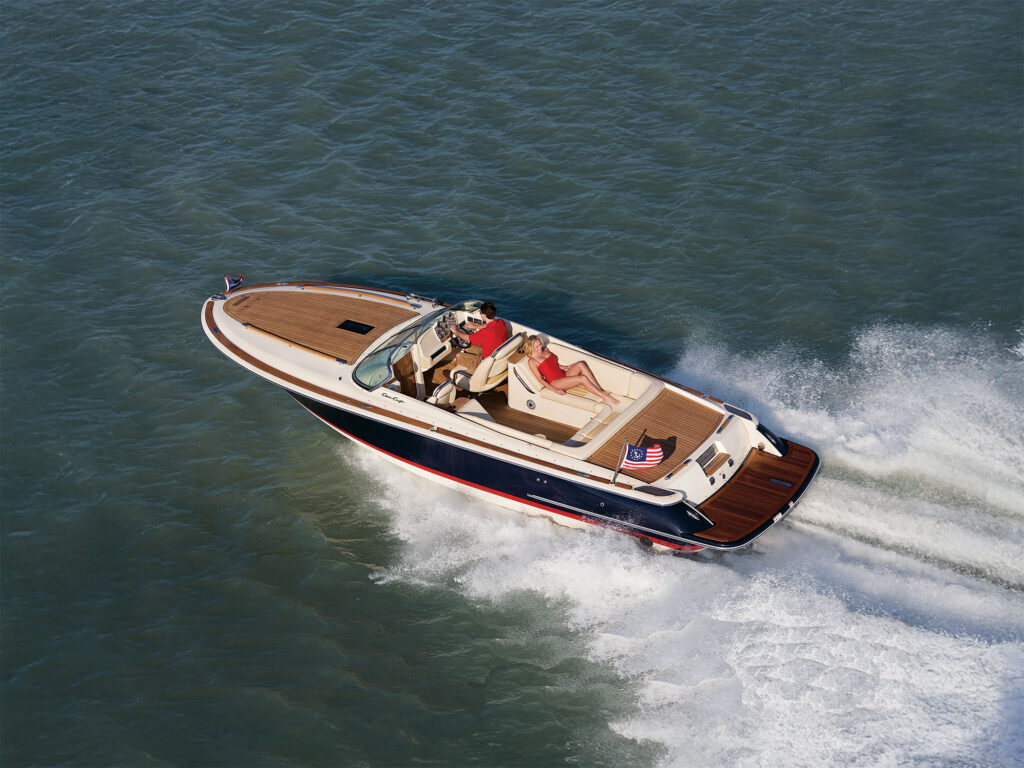
Center-Console Boats
Center-consoles are a favorite among anglers due to their 360-degree access, large cockpits, and minimal cabin space. Many are designed for day-tripping and are highly versatile.
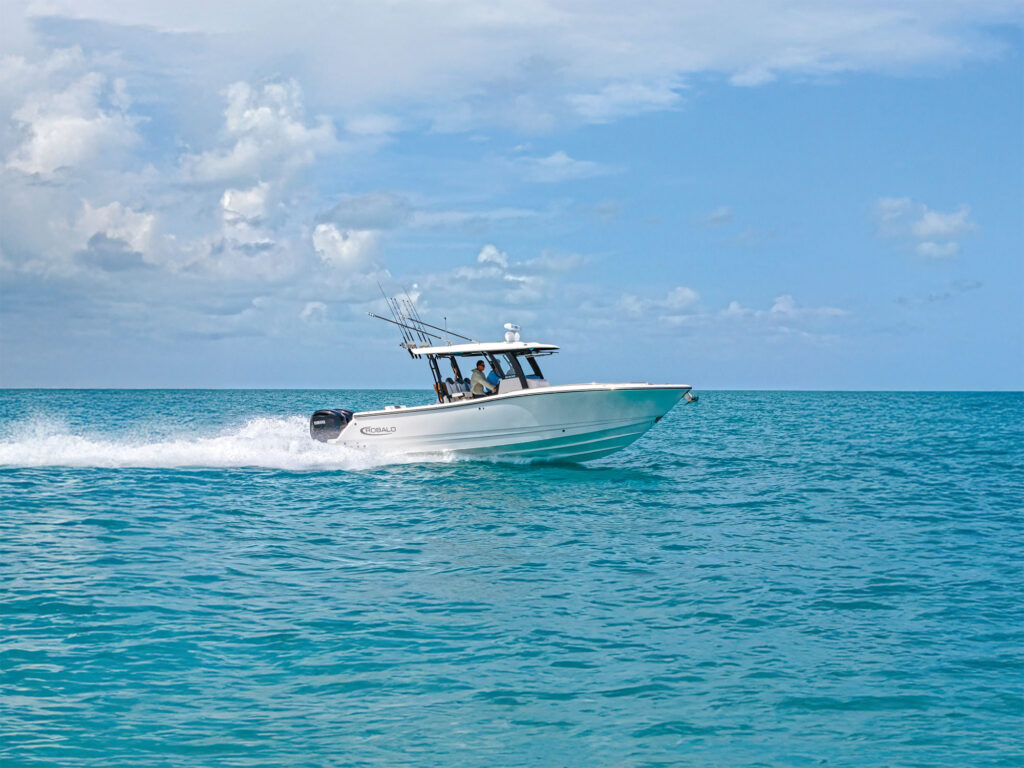
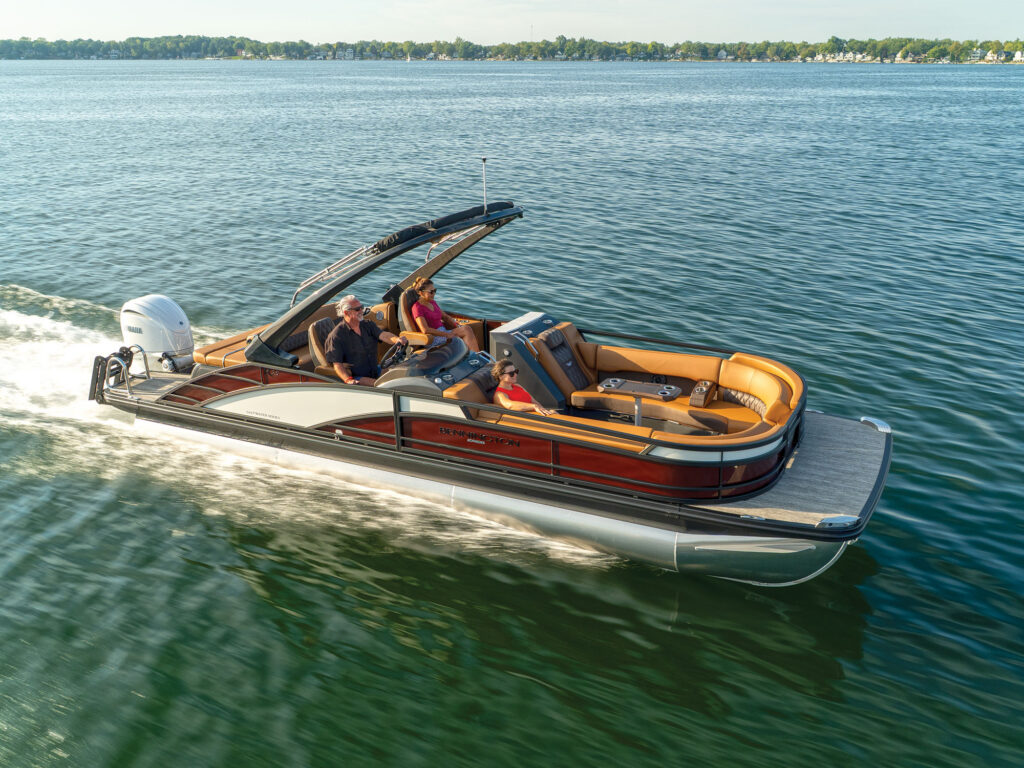
Pontoon Boats
Pontoon boats, including high-performing tri-toons, offer the most seating and socializing space for their length. They can be customized to suit either economical or luxurious needs.
Dual-Console Boats
Dual-console boats differ from bowriders in their self-bailing cockpits and fishing features. They are designed for open-water use and can be as large as 40 feet, making them a great option for serious anglers.
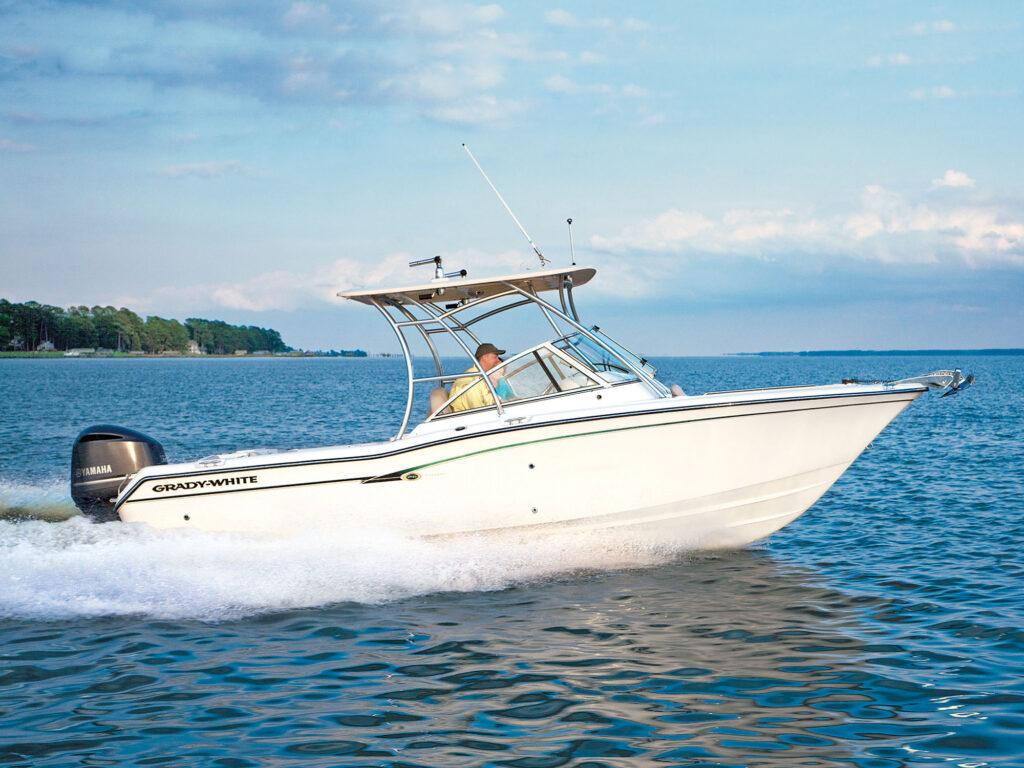
Bowrider Boats
Bowrider boats are the quintessential “dayboats,” combining seating with sporty performance. Many models include an enclosed head, and larger versions may have berths and galleys for extended trips.
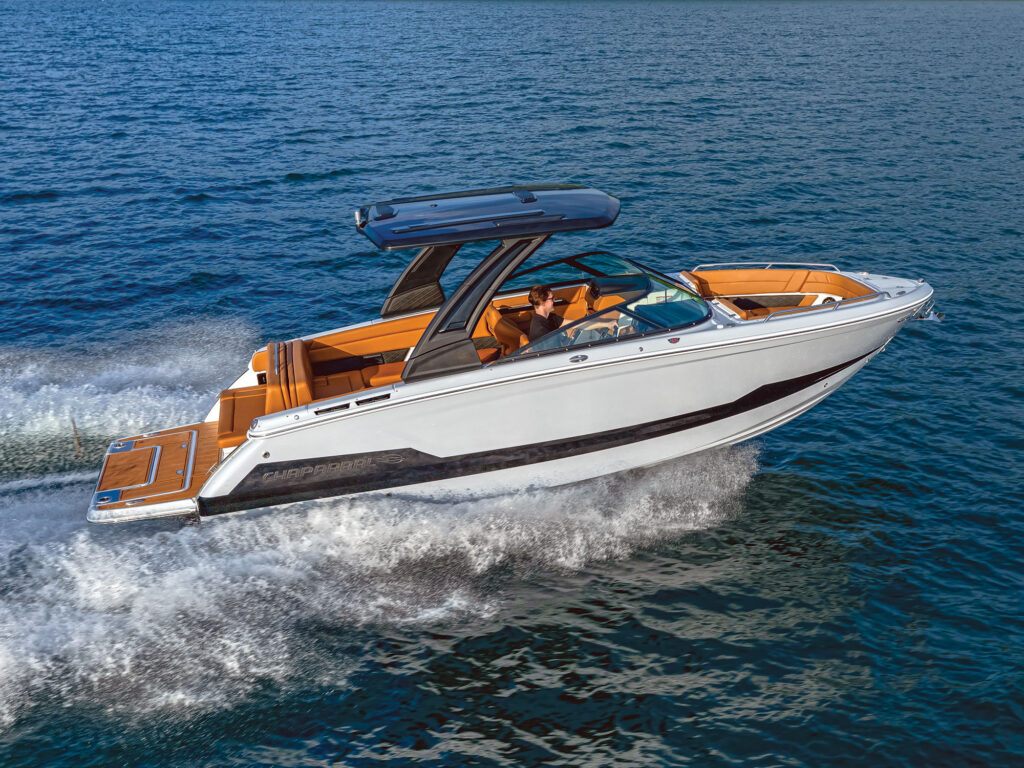
Deck Boats
Deck boats maximize space by carrying the full width of their beam to the bow. They generally have less deadrise than bowriders, but the differences between styles are becoming increasingly blurred.
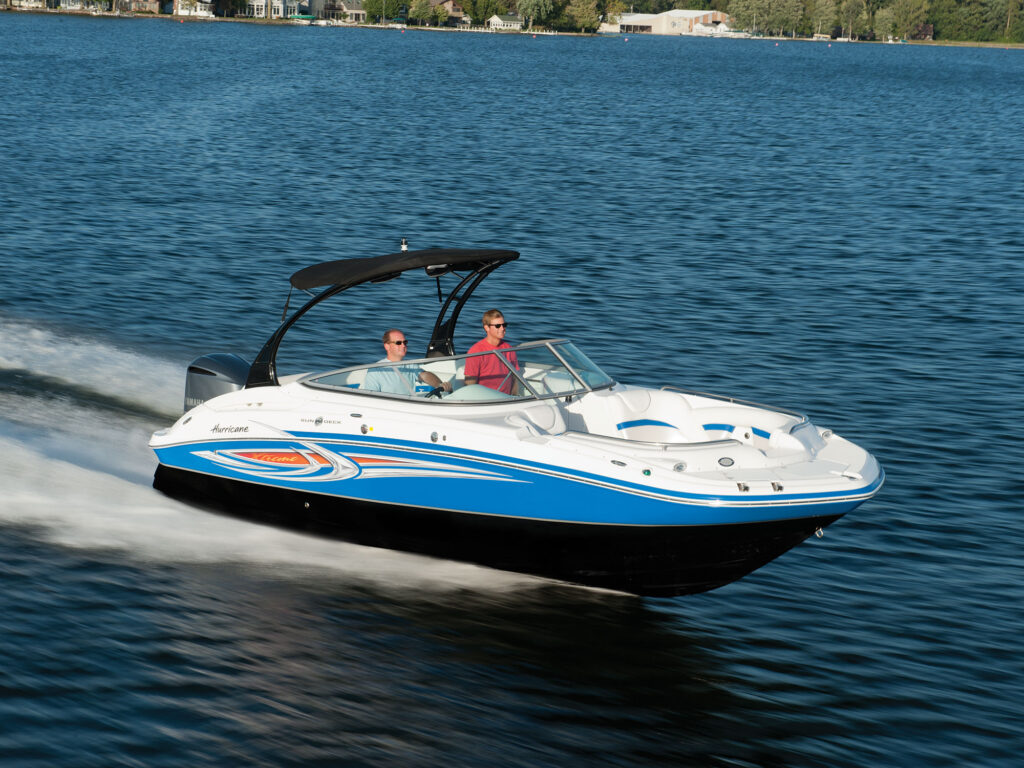
Personal Watercraft (PWC)
Personal watercraft, such as jet-powered models, offer excitement, economy, and easy trailerability. Though they lack onboard amenities, they are ideal for those looking for an adrenaline-packed experience.
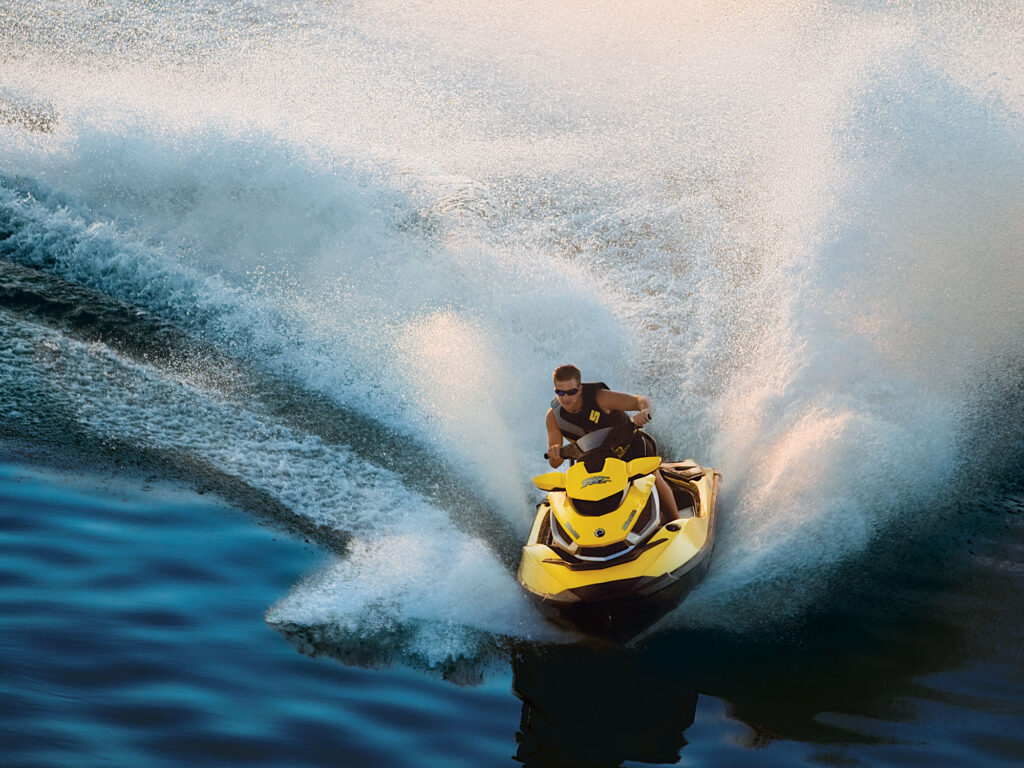
Watersports Boats
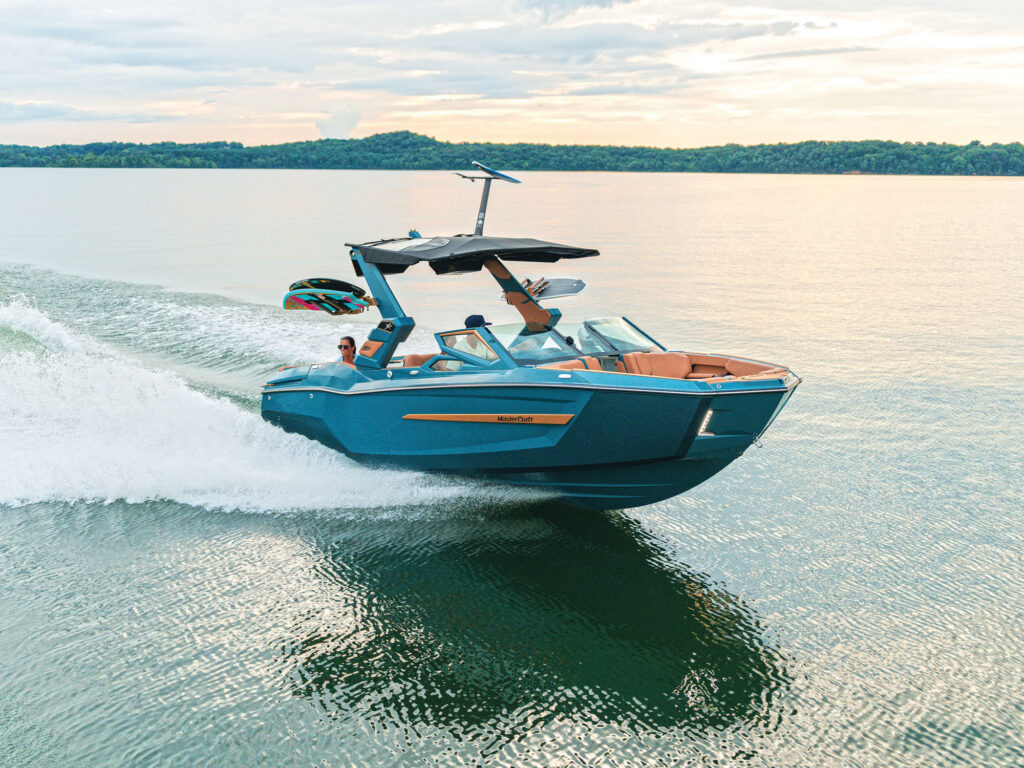
Watersports boats are designed to create rideable wakes for wakeboarding and wakesurfing. They also offer plush seating and high-end audio systems, making them excellent for social gatherings and beach parties.








![[IMAGE: Best Travel Apps for Stress-Free Adventures United States]](https://www.mathhotels.com/wp-content/uploads/2025/09/608_Best_Travel_Apps_Stress_Free_Vacation_Hero.jpg)